How to Install a Thermostat Power Extender Kit
A thermostat power extender kit connects to your existing thermostat wiring to provide 24V power when your current setup lacks a C-wire or common wire. Installing a thermostat power extender…

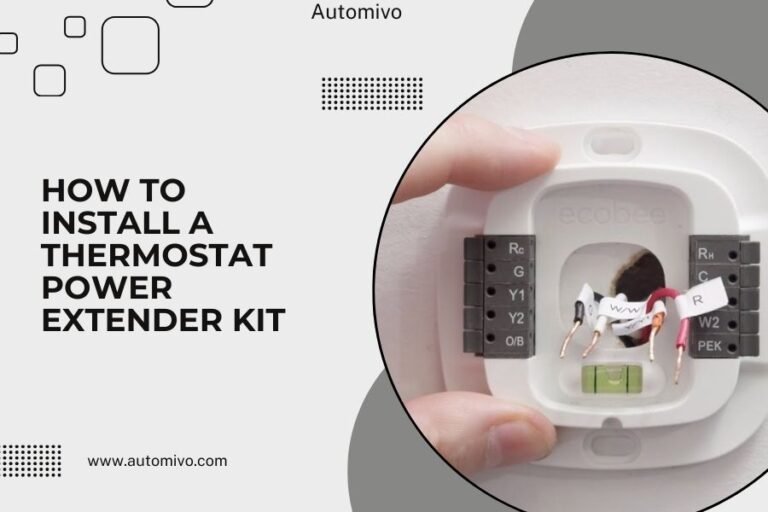
A thermostat power extender kit connects to your existing thermostat wiring to provide 24V power when your current setup lacks a C-wire or common wire. Installing a thermostat power extender…
Yes, remote HVAC access without internet is possible through local network connections, direct communication protocols, and backup cellular systems. Your smart thermostat and HVAC system can maintain remote functionality using…
Smart HVAC and solar panel integration can reduce your energy bills by 30-50% while maintaining perfect home comfort through automated temperature control powered by renewable energy. You’ll need a compatible…
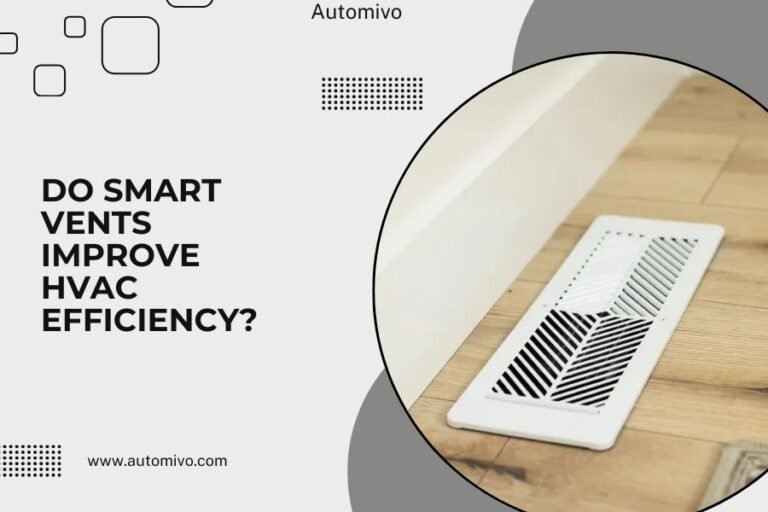
Smart vents can improve HVAC efficiency by directing airflow to rooms that need heating or cooling most, reducing energy waste by up to 30%. You’ll see the biggest efficiency gains…

Geofencing saves money on winter heating by automatically adjusting your thermostat when you leave or return home, preventing energy waste from heating empty spaces. Smart thermostats with geofencing technology can…
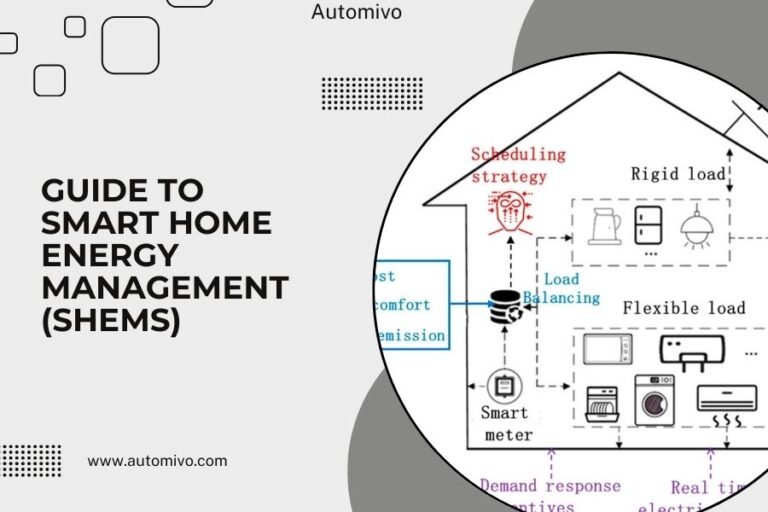
Smart Home Energy Management Systems (SHEMS) are automated platforms that monitor, control, and optimize your home’s energy usage through connected devices and real-time data analysis. You can reduce your energy…
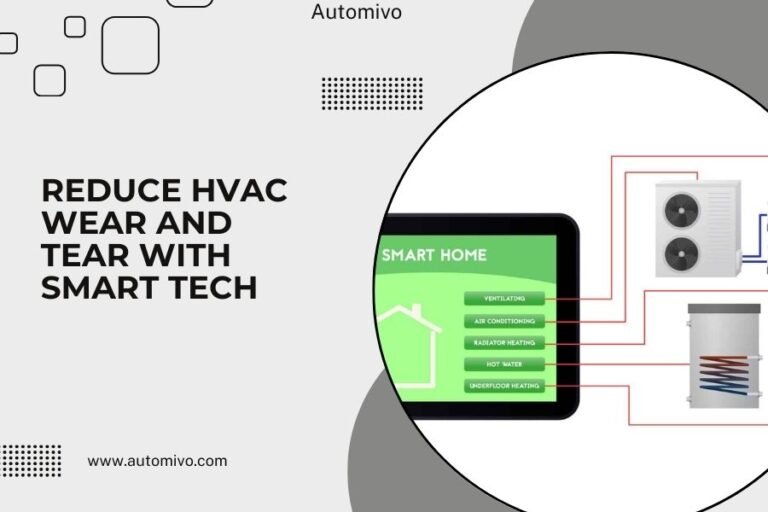
Smart HVAC controls reduce wear and tear by optimizing system operation, preventing overworking, and maintaining consistent temperatures without constant manual adjustments. These automated systems can extend your HVAC lifespan by…
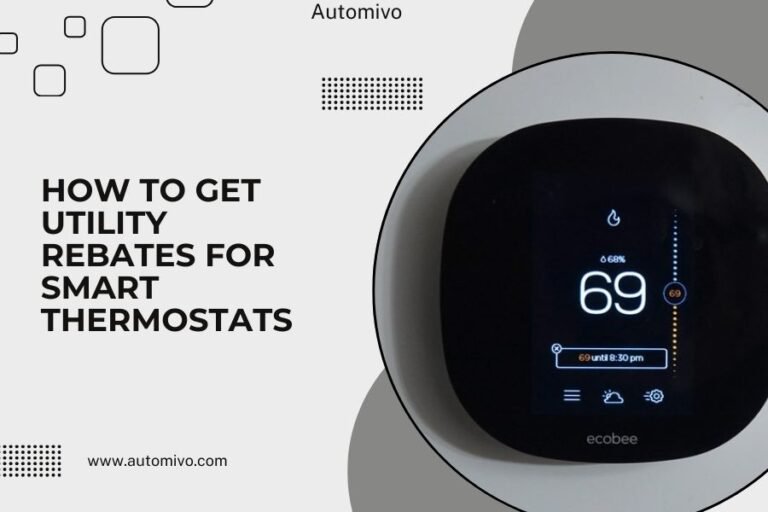
You can get utility rebates for smart thermostats by checking your local utility company’s website for available programs, submitting required paperwork before or after purchase, and meeting their specific energy…
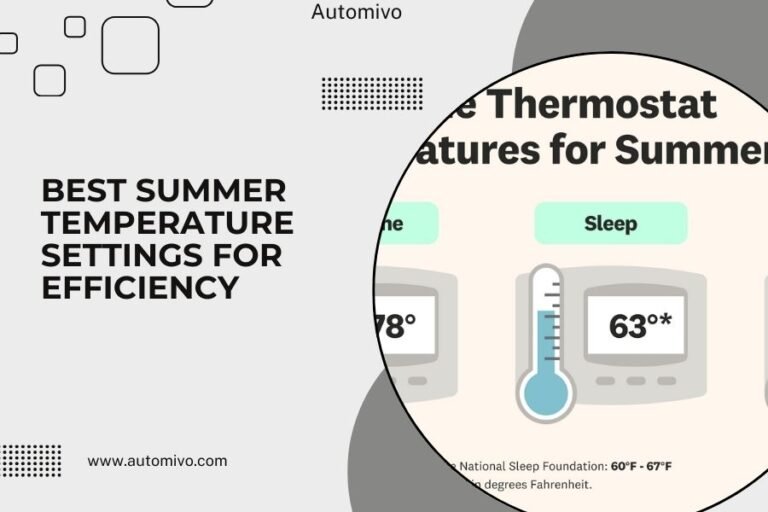
The best summer temperature settings for efficiency range from 78°F to 80°F when you’re home, with programmable increases to 85°F when you’re away. Setting your thermostat just 7-10 degrees higher…
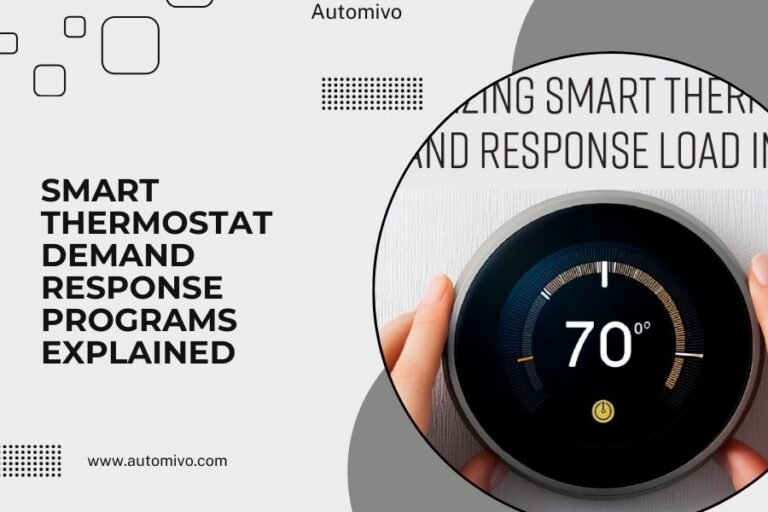
Smart thermostat demand response programs let you earn money by allowing your utility company to adjust your home’s temperature during peak energy periods. These programs work by temporarily raising or…
Smart HVAC controls can save you 20-40% on time-of-use electricity rates by automatically shifting heating and cooling to off-peak hours when rates are lowest. Your smart thermostat learns your utility’s…

A smart HVAC upgrade typically pays for itself within 3-7 years through energy savings, with most homeowners seeing 15-30% lower utility bills immediately after installation. To calculate your smart HVAC…

Smart thermostats typically save homeowners 10-15% on heating and cooling costs, which translates to about $100-200 annually for an average household. The actual energy savings depend on your current thermostat…

Set your smart HVAC to 78-80°F in summer and 65-68°F in winter when leaving for vacation to save energy while protecting your home. Your smart thermostat can automatically adjust temperatures…
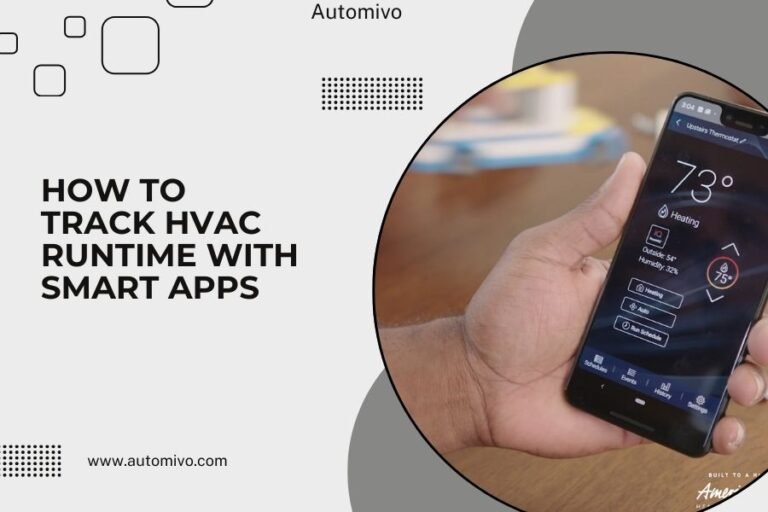
You can track HVAC runtime with smart apps by installing a smart thermostat or using third-party monitoring devices that connect to your home automation system. Most smart thermostats automatically record…
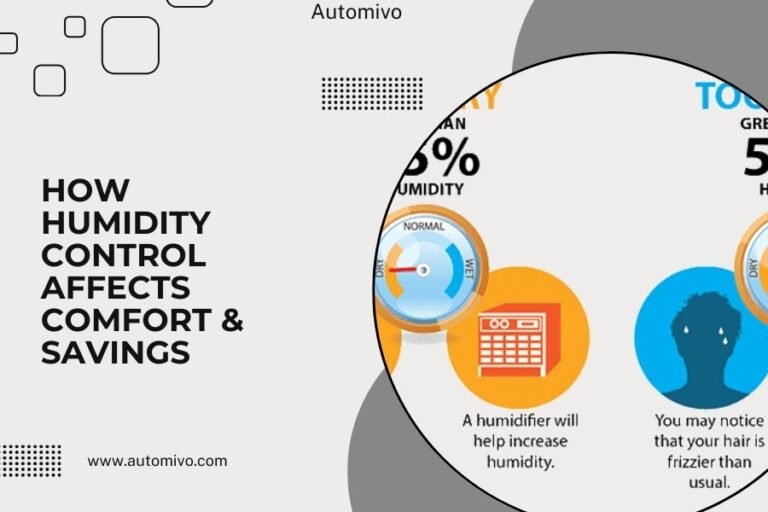
Humidity control helps maintain optimal comfort levels between 30-50% while reducing energy costs by up to 15% annually through more efficient heating and cooling. Smart humidity management prevents mold growth,…

A smart thermostat typically pays for itself in 2-3 years through energy savings of 10-15% on heating and cooling costs. The average household saves $100-200 annually with a smart thermostat,…

Smart HVAC energy-saving myths often cost homeowners hundreds of dollars in wasted energy bills by promoting ineffective practices like constant temperature settings and oversized systems. The biggest myth is that…

Optimize heat pump auxiliary heat settings by setting the temperature differential between 2-4°F and the lockout temperature between 25-35°F based on your climate zone. Your auxiliary heat should activate only…
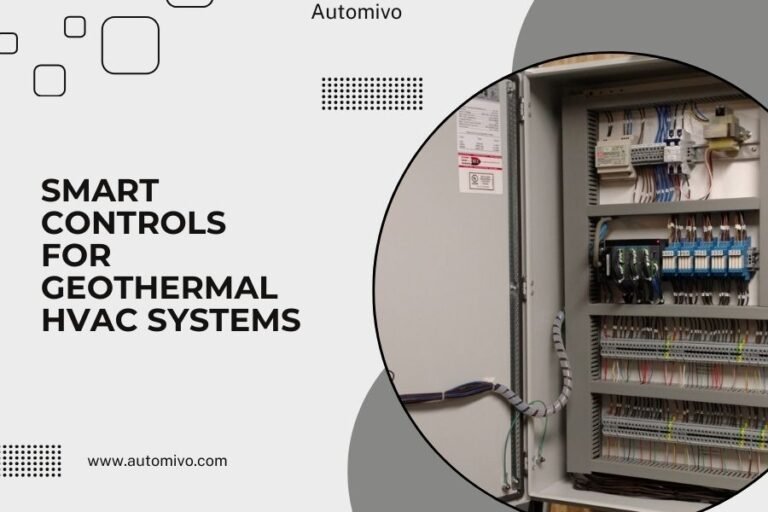
Smart controls for geothermal HVAC systems use advanced thermostats and sensors to optimize your ground-source heat pump’s performance automatically. These intelligent systems can reduce your energy costs by up to…
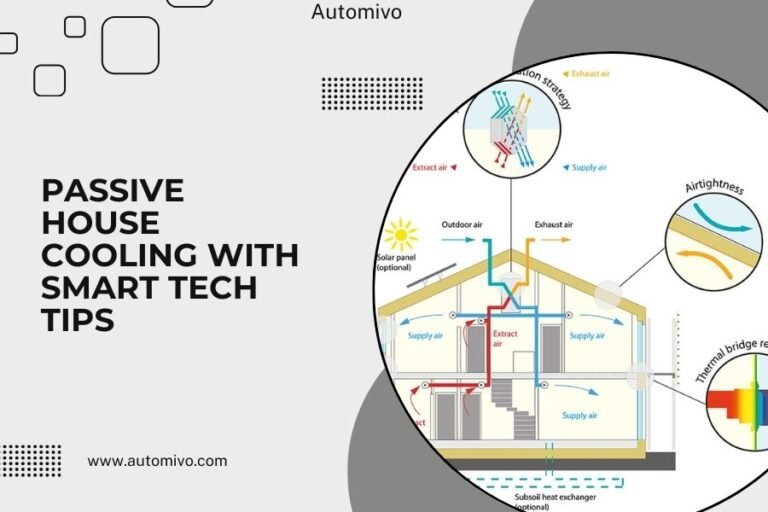
Smart passive house cooling combines energy-efficient building design with intelligent technology to maintain comfortable temperatures using minimal power. You can reduce cooling costs by up to 90% when you pair…

Smart HVAC systems can reduce your carbon footprint by 20-30% through automated temperature control, energy monitoring, and optimized heating and cooling cycles that eliminate waste. These intelligent systems learn your…

Automated shades paired with HVAC systems can reduce your home’s energy costs by up to 30% while maintaining perfect comfort year-round. Smart window treatments work with your heating and cooling…

Smart thermostat data privacy risks include potential tracking of your daily routines, energy usage patterns, and home occupancy schedules that companies may share with third parties. You can protect yourself…

AI can predict HVAC maintenance needs by analyzing patterns in temperature data, energy usage, and equipment performance to forecast when parts will fail or need service. This predictive technology helps…

Smart HVAC alerts can prevent frozen pipes by monitoring temperature changes and sending notifications when conditions reach freezing thresholds, typically around 32°F or lower. These automated systems detect dangerous temperature…

Smart HVAC for rentals requires systems that balance tenant comfort with property management efficiency, typically featuring programmable thermostats, remote monitoring, and energy controls. Property managers can reduce maintenance calls by…
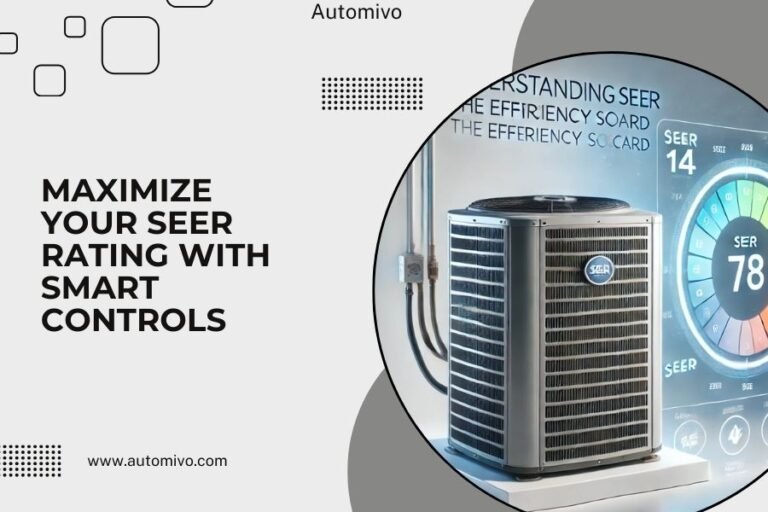
Smart HVAC controls can boost your SEER rating by 15-20% through precise temperature management and automated scheduling that prevents energy waste. The key is using programmable thermostats, zoning systems, and…

Smart thermostats manage emergency heat by automatically switching to auxiliary heating systems when your heat pump can’t keep up with heating demands or outdoor temperatures drop too low. This backup…
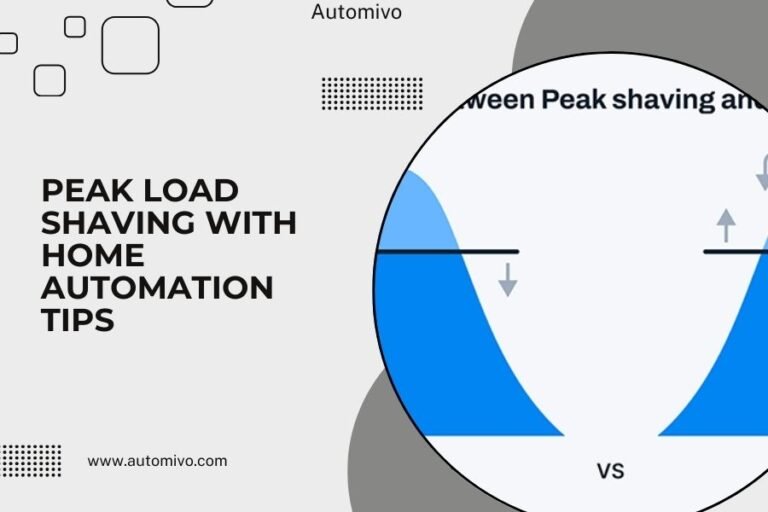
Peak load shaving with home automation reduces your electricity costs by automatically managing energy usage during high-demand periods when utility rates are highest. Your smart home system can shift energy-hungry…

Smart HVAC scheduling for shift workers requires programming your thermostat around your actual sleep and wake times, not traditional 9-to-5 schedules. You can save 10-23% on energy costs by adjusting…
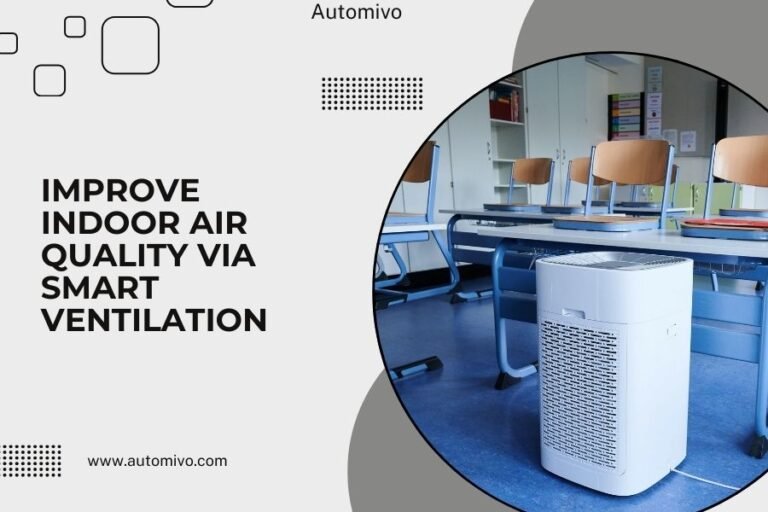
Smart ventilation systems automatically control airflow to maintain optimal indoor air quality by adjusting fan speeds, opening vents, and filtering air based on real-time pollution and humidity readings. You can…
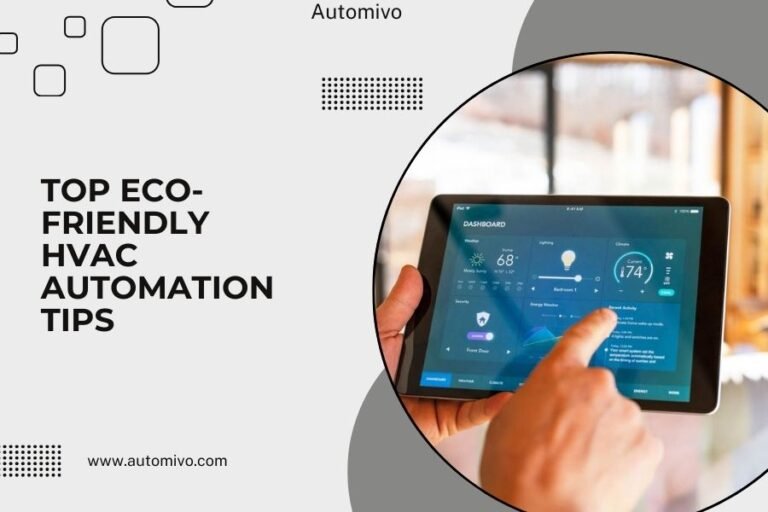
Smart eco-friendly HVAC automation reduces your energy bills by 20-30% while keeping your home comfortable year-round. The best eco-friendly HVAC automation tips include using programmable thermostats, zoning systems, and smart…
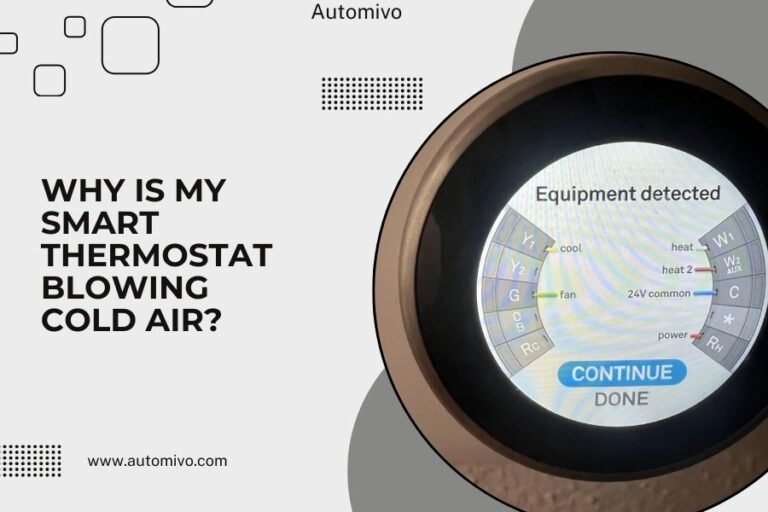
Your smart thermostat is blowing cold air because it’s likely in cooling mode when you want heat, has incorrect wiring, or the system settings are wrong. The most common fix…
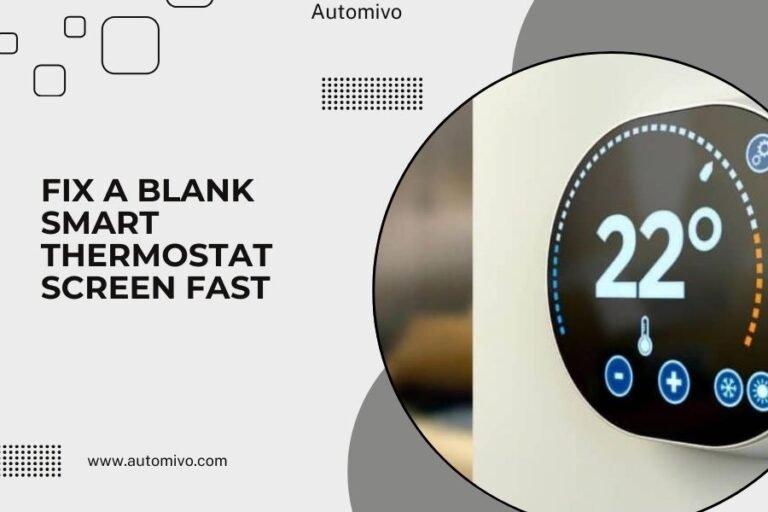
A blank smart thermostat screen usually means a power issue, loose wiring, or a software glitch that needs immediate attention. You can fix a blank smart thermostat screen by checking…

A factory reset erases all your smart thermostat’s settings and returns it to original defaults, which usually involves holding the reset button for 10-15 seconds. Most smart thermostats can be…

HVAC short cycling happens when your system turns on and off too frequently, wasting energy and wearing out equipment faster. A smart thermostat can fix HVAC short cycling by providing…

A smart thermostat with no power usually has a blown fuse, loose wiring, or dead batteries in the display unit. You can fix most no power errors on smart thermostats…

Updating your smart thermostat firmware typically requires opening the device’s app, going to settings, and selecting “firmware update” or “system update” when available. Most smart thermostats check for firmware updates…
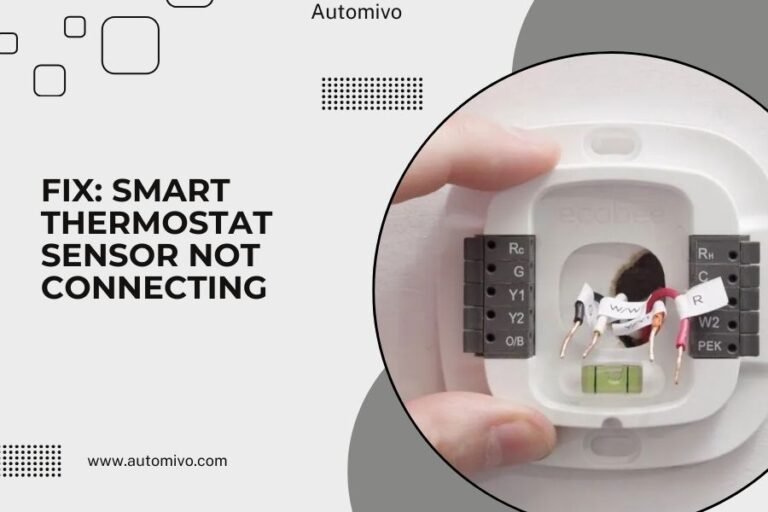
A smart thermostat sensor that won’t connect usually needs a simple reset, battery replacement, or network refresh to work properly again. Most sensor connection issues happen because of weak Wi-Fi…

Smart thermostat delay messages usually appear when your device needs time to connect to Wi-Fi, update software, or sync with your HVAC system after changes. You can fix most smart…

You can bypass a smart thermostat schedule by switching it to manual mode, turning off the scheduling feature in settings, or using temporary hold options that override programmed temperatures. Most…

A smart thermostat reading wrong temperature usually happens because of poor sensor placement, dust buildup, or calibration issues that affect its accuracy. You can fix most temperature reading problems by…

Geofencing not working on iPhone usually happens because location services are turned off or set incorrectly for specific apps. You can fix this by checking your location settings, updating iOS,…

Smart thermostat battery draining happens when WiFi connectivity issues, frequent temperature changes, or old batteries force your device to work harder than normal. Most battery drain problems get fixed by…

Most smart thermostats allow you to lock your screen through the device settings menu or companion mobile app to prevent unauthorized temperature changes. You can typically enable screen lock by…
Smart thermostat app syncing issues can be fixed by restarting both your thermostat and phone, checking your Wi-Fi connection, and updating the app to the latest version. Most syncing problems…

When your HVAC system clicks but won’t turn on, the issue is usually a faulty relay, capacitor, or thermostat connection preventing power from reaching the main components. Smart HVAC controls…
Clean your smart thermostat sensor by gently wiping it with a soft, dry microfiber cloth every 2-3 months to maintain accurate temperature readings. Turn off your thermostat’s power first, then…

You can recover your smart thermostat password by using the “Forgot Password” option on your thermostat app or manufacturer’s website. Most smart thermostats let you reset passwords through email verification,…
When your smart thermostat goes offline, start by checking your Wi-Fi connection and restarting both your router and thermostat. Most offline issues come from simple connectivity problems that you can…

Yes, smart thermostats can cause furnace noise through improper wiring, incorrect settings, or communication errors with your HVAC system. Most furnace noise issues after smart thermostat installation stem from wiring…

Smart HVAC sensor batteries typically need changing every 1-2 years, and you’ll know it’s time when your system displays low battery warnings or sensors stop responding properly. Most smart HVAC…
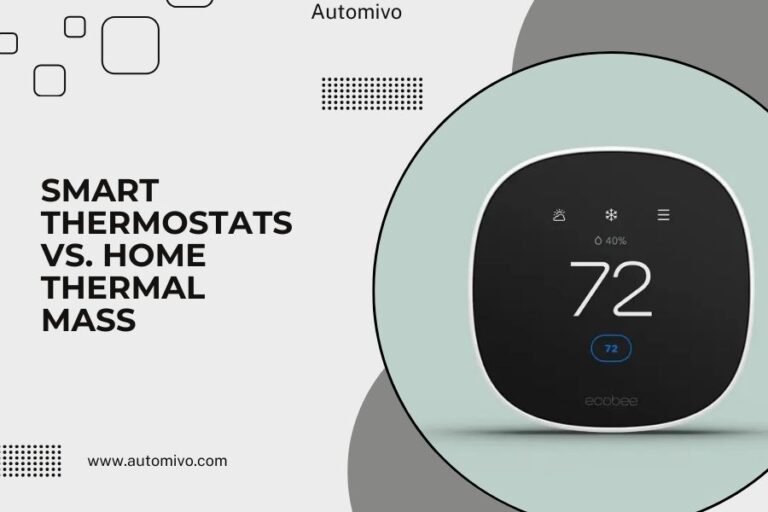
Smart thermostats automatically adjust temperature based on schedules and sensors, while home thermal mass stores and releases heat naturally through materials like concrete and stone. The main difference is that…

Multi-zone valve controllers fail when actuator motors burn out, wiring connections loosen, or the control board experiences power surges that damage internal circuits. You can fix most multi-zone valve controller…

You can override smart thermostat settings using manual controls, app overrides, or physical hold functions on most devices. The easiest way to override smart thermostat settings is through the device’s…

When your smart thermostat won’t turn on the AC, check your power connections and circuit breaker first. Most smart thermostat AC issues come from simple wiring problems, incorrect settings, or…

Ghosting issues on smart thermostat displays are typically caused by electrical interference, low power, or display degradation, and can be fixed by checking wiring connections, replacing batteries, and adjusting interference…

When your thermostat displays “In 2 Hours,” it means the system will reach your target temperature within the next two hours based on current heating or cooling conditions. This message…

Smart thermostat wireless interference happens when other devices disrupt your thermostat’s Wi-Fi or radio signals. This causes connection drops, temperature control issues, and app communication problems. You can fix most…

To remove a smart thermostat before moving, turn off power at the circuit breaker, disconnect wires carefully while labeling them, and unscrew the mounting plate from the wall. You’ll need…

Smart thermostat hacking can be prevented by changing default passwords, enabling two-factor authentication, and keeping firmware updated regularly. Your smart thermostat needs the same security attention as your phone or…
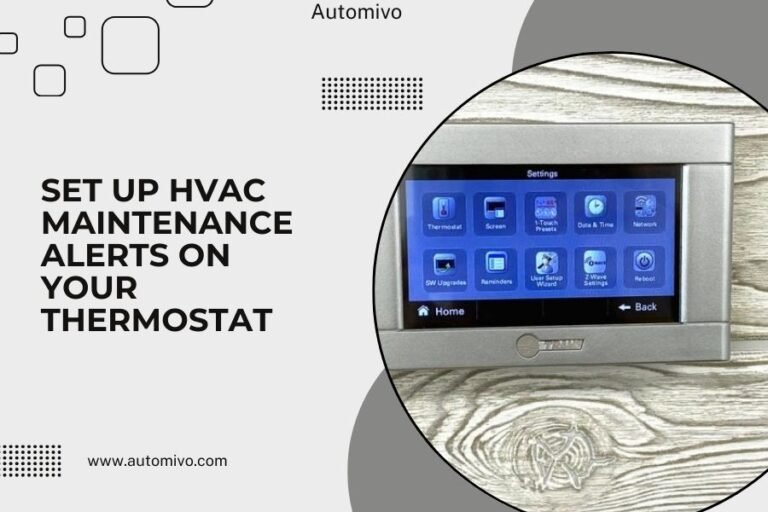
Setting up HVAC maintenance alerts on your thermostat helps prevent costly repairs by reminding you when it’s time to change filters, schedule tune-ups, and perform routine maintenance tasks. Most smart…
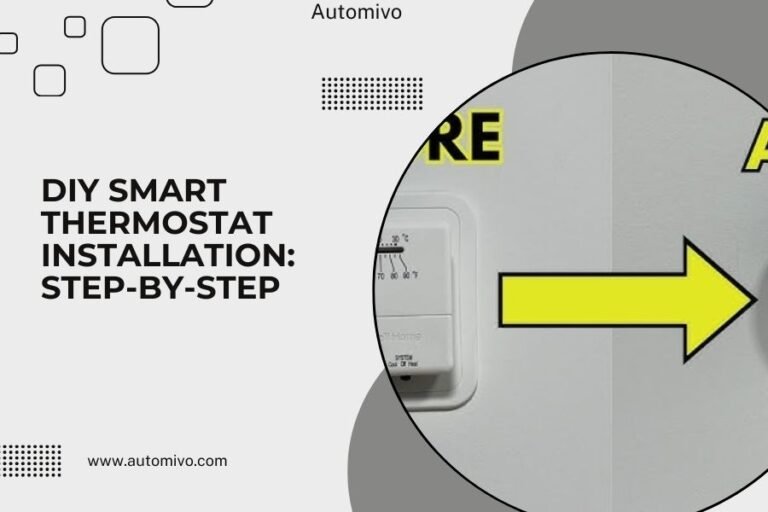
DIY smart thermostat installation typically takes 30-60 minutes and requires basic tools like a screwdriver, wire stripper, and voltage tester. Most homeowners can complete smart thermostat installation by turning off…
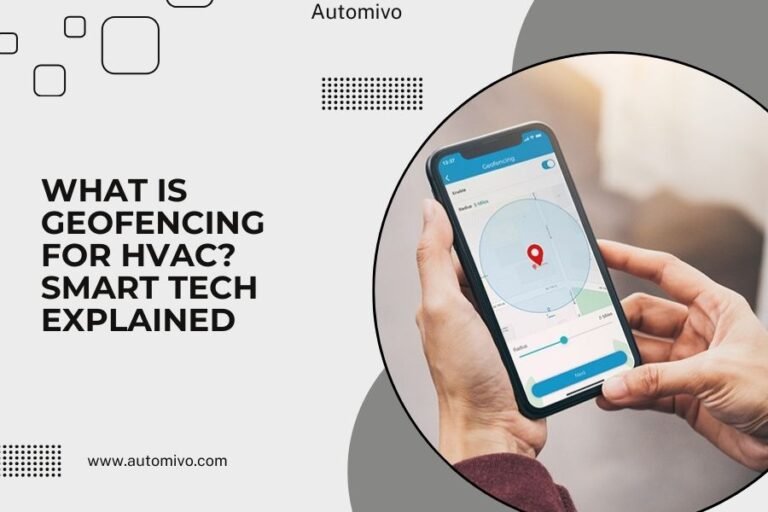
Geofencing for HVAC is a smart technology that uses your phone’s GPS location to automatically adjust your home’s temperature when you arrive or leave. This system creates virtual boundaries around…
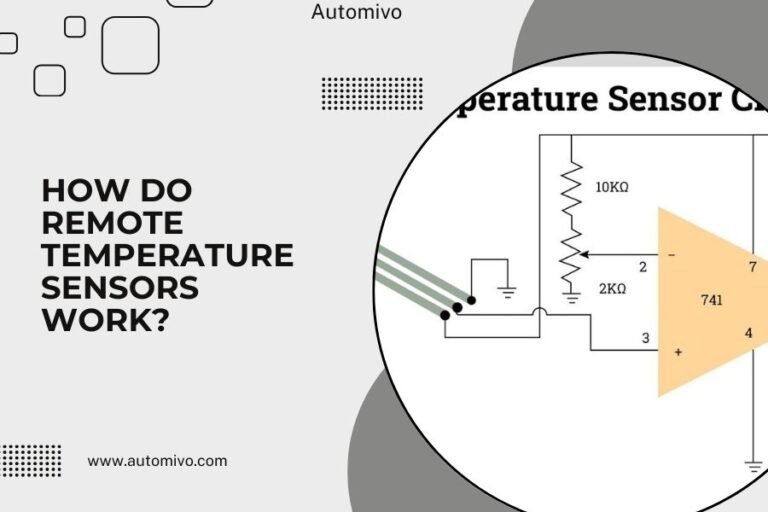
Remote temperature sensors work by measuring air temperature at their location and wirelessly transmitting that data to your main thermostat or smart home hub. These sensors use built-in thermistors or…

Smart thermostats work with central air by connecting directly to your HVAC system’s wiring and communicating with your air conditioning unit to control temperature, scheduling, and energy usage automatically. The…
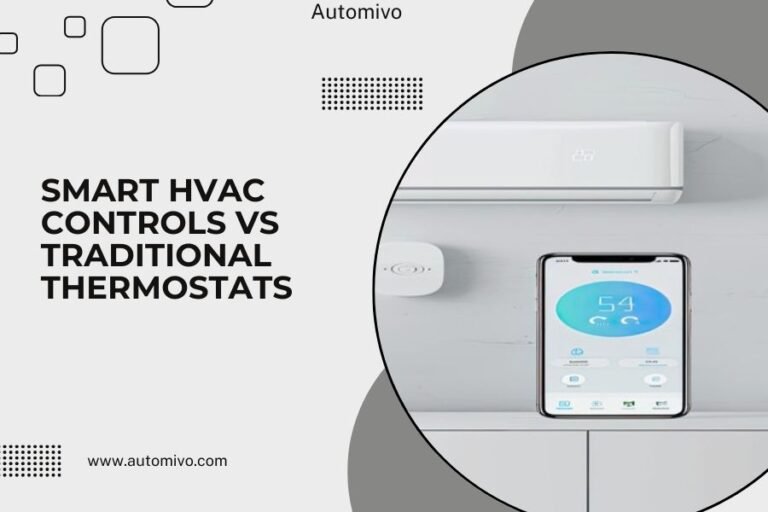
Choosing between smart HVAC controls and traditional thermostats is an important decision for homeowners looking to improve comfort and manage energy costs. While both serve the same basic purpose, controlling…

Smart HVAC controls are becoming an essential upgrade for modern homes. As energy costs rise and homeowners look for better comfort and efficiency, these systems offer a practical solution by…
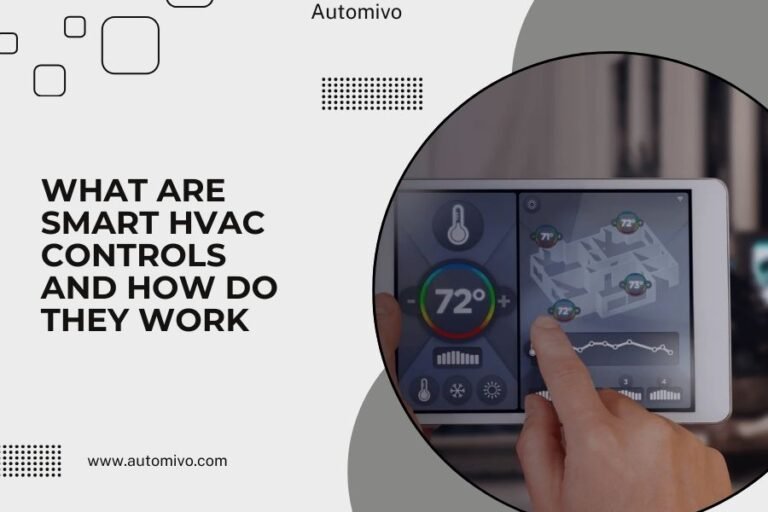
Smart HVAC controls are transforming how modern homes manage heating, ventilation, and air conditioning. These intelligent systems allow homeowners to control indoor climate more efficiently, improve comfort, and reduce energy…