
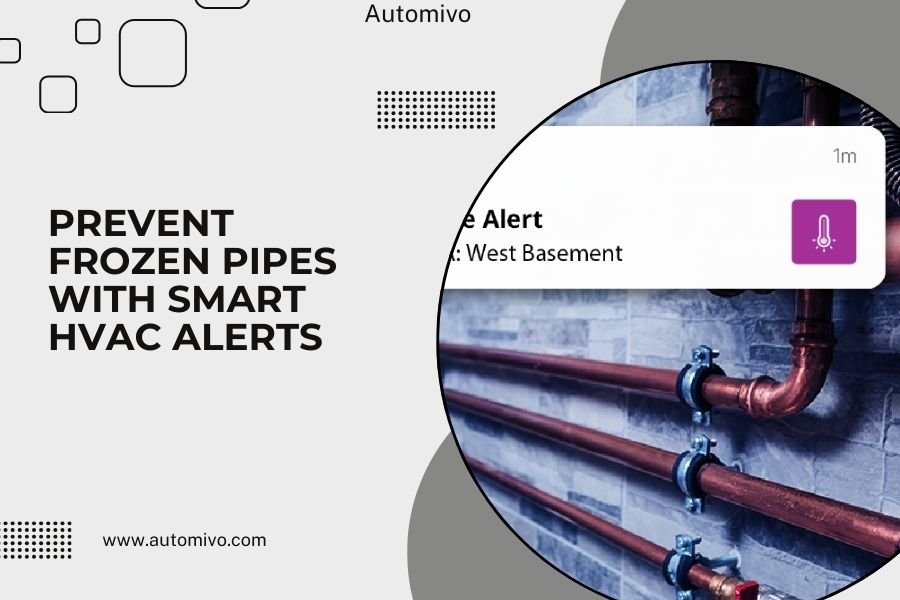
Smart HVAC alerts can prevent frozen pipes by monitoring temperature changes and sending notifications when conditions reach freezing thresholds, typically around 32°F or lower.
These automated systems detect dangerous temperature drops in real-time and trigger immediate alerts to your smartphone, allowing you to take action before pipes freeze and burst.
Why Your Pipes Freeze Without Warning
Your pipes don’t just freeze overnight. It’s a sneaky process that starts when temperatures drop below 32°F and stays there for several hours.
Water expands when it freezes. This creates pressure inside your pipes that can reach thousands of pounds per square inch. That’s enough force to crack even thick metal pipes.
The worst part? You might not know it happened until the ice melts and water starts flooding your home.
Common Pipe Freezing Scenarios
I found that certain situations make pipe freezing almost guaranteed. Here are the biggest risk factors:
- Pipes in unheated areas like basements, attics, or garages
- Exterior walls with poor insulation
- Overnight temperature drops you don’t see coming
- Power outages that shut down your heating system
- Vacation homes left unheated during winter
The Hidden Danger Zone
Your bathroom and kitchen pipes face the highest risk. They often run through exterior walls where cold air sneaks in.
Research shows that pipes can start freezing in as little as 6 hours when temperatures hit 20°F (National Weather Service).
How Smart HVAC Alerts Work
Smart HVAC systems use temperature sensors placed throughout your home. These sensors constantly monitor conditions and communicate with a central hub.
When temperatures drop to dangerous levels, the system sends instant alerts to your phone. You get warnings before damage happens, not after.
Temperature Monitoring Technology
Modern smart thermostats can detect temperature changes within 1-2 degrees. They track patterns and learn your home’s heating behavior.
The best systems monitor multiple zones. Your basement might be 15 degrees colder than your living room during winter nights.
Alert Types You’ll Receive
Smart systems send different types of alerts based on urgency:
- Early warning alerts when temps approach 40°F
- Critical alerts at 32°F or below
- Emergency notifications if heating systems fail
- Power outage alerts that affect heating
Integration With Other Smart Devices
Your smart HVAC system can work with other devices to prevent freezing. Smart water shut-off valves can automatically stop water flow when freezing conditions are detected.
Smart plugs can turn on space heaters in vulnerable areas. The whole system works together like a safety net.
Setting Up Freeze Prevention Alerts
Getting started is simpler than you might think. Most smart thermostats include freeze prevention features right out of the box.
You’ll need to customize the settings based on your home’s specific risks and your comfort level with automation.
Temperature Thresholds That Matter
I found through research that different alert levels work best for most homes:
| Temperature | Alert Level | Recommended Action |
|---|---|---|
| 45°F | Watch | Check weather forecast |
| 38°F | Warning | Increase heat, open cabinet doors |
| 32°F | Critical | Immediate action required |
| 20°F | Emergency | Consider dripping faucets |
Zone-Based Monitoring Setup
Place sensors in your most vulnerable areas first. Basements, crawl spaces, and rooms with exterior walls need priority coverage.
Don’t forget about your garage if you have plumbing there. Many people overlook this area until it’s too late.
Notification Preferences
You can customize how you receive alerts. Text messages work great for urgent situations. Email works for less critical updates.
Some systems let you set quiet hours. But honestly, would you rather sleep through a pipe emergency?
Smart Actions That Prevent Damage
Getting alerts is just the first step. The real magic happens when your system takes automatic action to prevent freezing.
Smart HVAC systems can adjust heating schedules, activate backup heat sources, and even control water flow without you lifting a finger.
Automatic Temperature Adjustments
Your smart thermostat can temporarily override your normal schedule when freezing conditions are detected. It might boost the heat by 5-10 degrees until the danger passes.
This feature can run up your energy bill slightly, but it’s nothing compared to the cost of burst pipe repairs.
Backup Heating Activation
If your system has backup heat sources, smart controls can activate them automatically. Electric heat strips or secondary heat pumps kick in when needed.
Some homeowners connect portable heaters to smart plugs for emergency backup in problem areas.
Water Flow Management
Advanced systems can manage water flow to prevent freezing. Smart water shut-off valves can isolate vulnerable pipe sections.
Moving water is much harder to freeze than standing water. Some systems can trigger small water circulation to keep pipes flowing.
Cost vs. Benefit Analysis
Let’s talk numbers. A basic smart thermostat with freeze alerts costs $150-300. Professional installation adds another $100-200.
Compare that to the average cost of burst pipe repairs: $5,000-10,000 according to insurance industry data.
Insurance Benefits
Many insurance companies offer discounts for smart home safety devices. You might save 5-15% on your homeowner’s premium.
Some insurers require smart monitoring systems for vacation homes or properties left unoccupied during winter.
Energy Savings Bonus
Smart HVAC systems typically reduce energy costs by 10-15% through better scheduling and zone control.
The freeze prevention feature is just one benefit. You’re also getting year-round energy savings.
Peace of Mind Value
How much is it worth to sleep soundly during winter storms? Or to travel without worrying about your pipes?
Smart alerts give you confidence that your home is protected even when you’re not there.
Choosing the Right System
Not all smart HVAC systems handle freeze prevention equally well. You want reliable sensors, fast alerts, and automatic responses.
Look for systems that integrate with your existing HVAC equipment and offer smartphone apps that actually work.
Essential Features to Look For
Your ideal system should include these freeze prevention features:
- Multiple temperature sensors for different zones
- Customizable alert thresholds
- Smartphone app with push notifications
- Automatic heating adjustments
- Battery backup for power outages
- Integration with other smart devices
Professional vs. DIY Installation
Simple smart thermostats are usually DIY-friendly. But if you want multiple sensors and advanced automation, professional installation makes sense.
A good installer can identify vulnerable areas you might miss and optimize sensor placement.
Compatibility Considerations
Check that your chosen system works with your current HVAC equipment. Older furnaces might need adapter modules.
If you have a heat pump, make sure the system understands heat pump operation during cold weather.
Maintenance and Testing
Your smart freeze prevention system needs occasional attention to stay reliable. Think of it like smoke detector maintenance, but less frequent.
Test your alerts at least twice a year. Fall testing prepares for winter. Spring testing ensures everything survived the cold season.
Sensor Calibration
Temperature sensors can drift over time. Check them against a reliable thermometer every few months.
Most smart systems have calibration features in their apps. Small adjustments keep readings accurate.
Battery and Power Backup
Replace backup batteries annually, just like smoke detectors. Winter power outages are common, and that’s when you need protection most.
Some systems use rechargeable batteries that last several years before replacement.
Software Updates
Keep your system’s software current. Updates often include better freeze detection algorithms and bug fixes.
Most systems update automatically, but check occasionally to make sure updates are installing properly.
Conclusion
Smart HVAC alerts transform pipe freeze prevention from reactive damage control to proactive protection. You get early warnings, automatic responses, and peace of mind knowing your home stays safe even when you’re away.
The technology pays for itself quickly when you consider the cost of burst pipe repairs. But the real value is avoiding the stress, mess, and disruption that frozen pipes create in your life.
Winter weather is unpredictable, but your response doesn’t have to be. Smart HVAC alerts give you the tools to stay ahead of freezing conditions and keep your pipes flowing smoothly all season long.
How quickly can smart HVAC alerts detect freezing conditions?
Modern smart HVAC systems detect temperature changes within 1-2 degrees and send alerts within minutes of reaching your set thresholds. Most systems update readings every 15-30 seconds, ensuring rapid response to dangerous conditions.
Will smart freeze alerts work during power outages?
Quality smart HVAC systems include battery backup that maintains monitoring and alert functions during power outages. The backup typically lasts 4-8 hours, though some premium systems offer extended backup power options for longer outages.
Can I set different temperature alerts for different areas of my home?
Yes, most smart HVAC systems support zone-based monitoring with individual temperature thresholds for each area. You can set your basement to alert at 40°F while your main living areas alert at 32°F, customizing protection based on each area’s vulnerability.
Do insurance companies recognize smart HVAC freeze prevention systems?
Many insurance companies offer premium discounts of 5-15% for homes with smart monitoring systems. Some insurers specifically require freeze prevention monitoring for vacation homes or properties left unoccupied during winter months.
What happens if my smartphone is dead when freeze alerts are sent?
Smart HVAC systems typically send alerts through multiple channels including text messages, emails, and app notifications. Many systems also allow you to set up alerts for multiple family members or property managers, ensuring someone receives critical freeze warnings.
