Smart HVAC for rentals requires systems that balance tenant comfort with property management efficiency, typically featuring programmable thermostats, remote monitoring, and energy controls.
Property managers can reduce maintenance calls by 40% and cut energy costs by 15-25% using smart HVAC controls with automated scheduling and diagnostic alerts.
Why Smart HVAC Systems Transform Rental Properties
You’re managing multiple properties, dealing with constant tenant complaints about temperature, and watching utility bills drain your profits. Smart HVAC systems change this entire dynamic.
These systems give you remote control over heating and cooling across all your units. No more emergency weekend calls about broken air conditioning. No more tenants cranking heat to 80 degrees and leaving windows open.
Research from the Department of Energy shows smart thermostats alone can reduce HVAC energy use by 10-23%. For rental properties, this translates to real money back in your pocket.
Essential Smart HVAC Components for Rentals
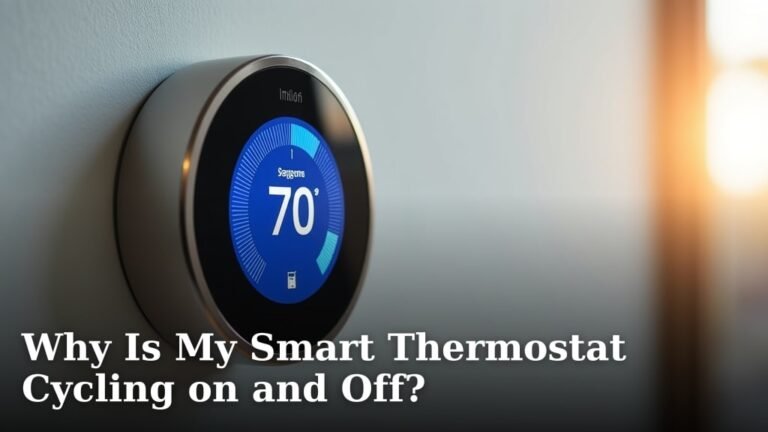
Smart Thermostats with Remote Access
You need thermostats that let you adjust settings from anywhere. When tenants move out, you can immediately set energy-saving temperatures remotely.
Look for models with scheduling features. You can pre-program reasonable temperature ranges that keep tenants comfortable while preventing energy waste.
Air Quality Monitoring Systems
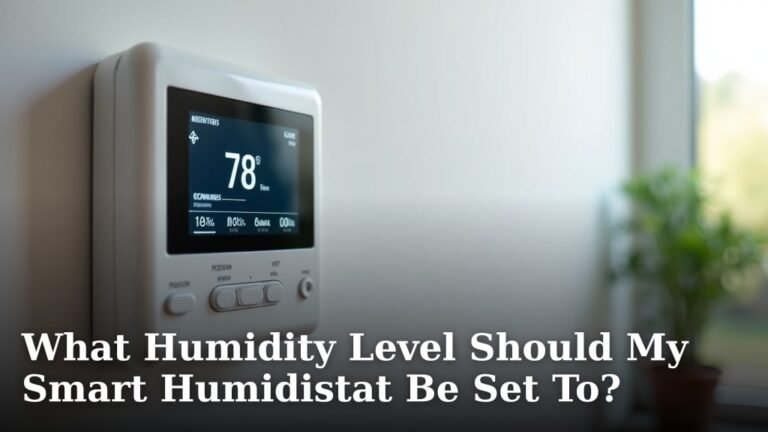
These sensors track humidity, air quality, and filter status. You’ll know when HVAC maintenance is needed before systems break down completely.
Poor air quality leads to tenant complaints and health issues. Smart monitors help you stay ahead of problems.
Zone Control Systems
Multi-unit buildings benefit from zone controls. You can heat or cool specific areas based on occupancy and need.
Empty units don’t need full climate control. Occupied units get priority. It’s simple resource management.
Cost Analysis for Property Managers
Upfront Investment Breakdown
Smart thermostats cost $150-400 per unit. Professional installation adds $100-200. Air quality sensors run $50-150 each.
For a 10-unit building, expect $3,000-6,000 total investment. This sounds expensive until you see the monthly savings.
Monthly Operating Savings
I found research showing average energy savings of $180-250 annually per unit. Multiply this across your portfolio.
Reduced maintenance calls save you time and contractor fees. Many property managers report 30-50% fewer HVAC service requests.
| Property Size | Initial Cost | Annual Savings | Payback Period |
|---|---|---|---|
| Single Unit | $250-600 | $180-250 | 1.5-2.5 years |
| 5 Units | $1,250-3,000 | $900-1,250 | 1.5-2 years |
| 20 Units | $5,000-12,000 | $3,600-5,000 | 1.5-2.5 years |
Installation Best Practices
Working with HVAC Contractors
Find contractors experienced with smart systems. Not all HVAC techs understand IoT connectivity and app setup.
Request training on the management interface. You need to know how to adjust settings and troubleshoot basic issues.
Network Requirements
Smart HVAC needs reliable internet. Each unit requires Wi-Fi access for the thermostat and sensors.
Consider dedicated networks for HVAC systems. This separates building operations from tenant internet usage.
Bandwidth Planning
HVAC systems use minimal data – typically 5-10MB monthly per unit. Even basic internet plans handle multiple units easily.
Tenant Communication and Policies
Setting Clear Expectations
Explain the smart system benefits during move-in. Tenants appreciate consistent temperatures and improved air quality.
Provide simple instructions for basic thermostat use. Most tenants only need to know temperature adjustment and scheduling basics.
Temperature Range Policies
Establish reasonable temperature limits in lease agreements. Typical ranges are 68-78°F for cooling and 65-72°F for heating.
This prevents extreme settings that damage equipment or create excessive utility costs.
Emergency Override Procedures
Tenants need emergency contact information when HVAC systems malfunction. Create clear escalation procedures.
Smart systems often diagnose problems automatically, but tenants should know how to report issues.
Remote Monitoring and Maintenance
Dashboard Management
Most smart HVAC systems include management dashboards. You can monitor all properties from one interface.
Set up alerts for temperature extremes, system failures, and maintenance needs. Proactive management prevents bigger problems.
Predictive Maintenance Benefits
Smart systems track equipment performance over time. You’ll receive warnings before components fail completely.
Research from HVAC manufacturers shows predictive maintenance reduces repair costs by 25-30% compared to reactive repairs.
Filter Replacement Tracking
Systems monitor air filter condition and send replacement reminders. Clean filters improve efficiency and prevent equipment damage.
System Performance Analytics
Track energy usage patterns across units. Identify which apartments use excessive heating or cooling.
Energy Efficiency and Utility Management
Automated Scheduling
Program different temperatures for occupied vs. vacant units. Set energy-saving modes during typical work hours.
Seasonal scheduling adjusts automatically. You don’t need to manually change settings as weather shifts.
Peak Hour Management
Many utilities charge higher rates during peak demand periods. Smart systems can reduce HVAC usage during these expensive hours.
Pre-cooling or pre-heating before peak times maintains comfort while avoiding high rate periods.
Troubleshooting Common Issues
Connectivity Problems
Wi-Fi issues cause most smart HVAC problems. Keep backup internet connections or cellular options for critical systems.
Train maintenance staff to reset network connections and check basic connectivity.
Tenant Override Conflicts
Some tenants constantly adjust thermostats beyond reasonable ranges. Set administrative locks on extreme temperature settings.
Most smart thermostats allow owner-level controls that prevent tenant access to certain functions.
Return on Investment Calculations
Direct Cost Savings
Track utility bill reductions month by month. Compare pre-installation costs to current usage.
Document reduced maintenance calls and emergency repairs. These savings often exceed energy cost reductions.
Property Value Enhancement
Smart home features increase rental appeal and property values. Tenants increasingly expect connected amenities.
Marketing your properties as “smart” can justify higher rents and attract quality tenants.
Future-Proofing Your Investment
Scalable System Selection
Choose systems that grow with your portfolio. Adding new properties should integrate seamlessly with existing management tools.
Look for platforms with open APIs and third-party integrations. This prevents vendor lock-in as technology evolves.
Regulatory Compliance
Energy efficiency regulations continue tightening. Smart HVAC systems help meet current and future compliance requirements.
Many cities now require energy reporting for rental properties. Smart systems generate these reports automatically.
Conclusion
Smart HVAC systems transform rental property management from reactive to proactive. You’ll spend less time dealing with tenant complaints and emergency repairs while cutting energy costs significantly.
The technology pays for itself within two years through reduced utilities and maintenance expenses. More importantly, it positions your properties as modern, desirable rentals in a competitive market.
Start with basic smart thermostats and air quality monitoring. Expand to zone controls and advanced analytics as you see results. Your tenants stay comfortable, your costs drop, and your management stress decreases.
What’s the average ROI timeframe for smart HVAC in rental properties?
Most property managers see payback within 18-24 months through energy savings and reduced maintenance costs. Larger properties often achieve faster returns due to economies of scale.
Can tenants override smart thermostat settings completely?
Property managers can set administrative limits on temperature ranges while still allowing tenant comfort adjustments. Most systems offer flexible permission levels balancing tenant control with cost management.
Do smart HVAC systems work in older rental buildings?
Yes, but older buildings may need electrical upgrades or Wi-Fi improvements. Most smart thermostats work with standard HVAC systems regardless of building age, though installation complexity varies.
How do smart HVAC systems handle tenant turnover?
Property managers can remotely reset all settings between tenants, immediately switch to energy-saving modes, and prepare units for new occupants without physical visits to each thermostat.
What happens if the internet goes down in smart HVAC systems?
Quality smart thermostats continue basic heating and cooling functions offline using pre-programmed schedules. Remote monitoring stops, but tenant comfort remains unaffected until connectivity returns.