
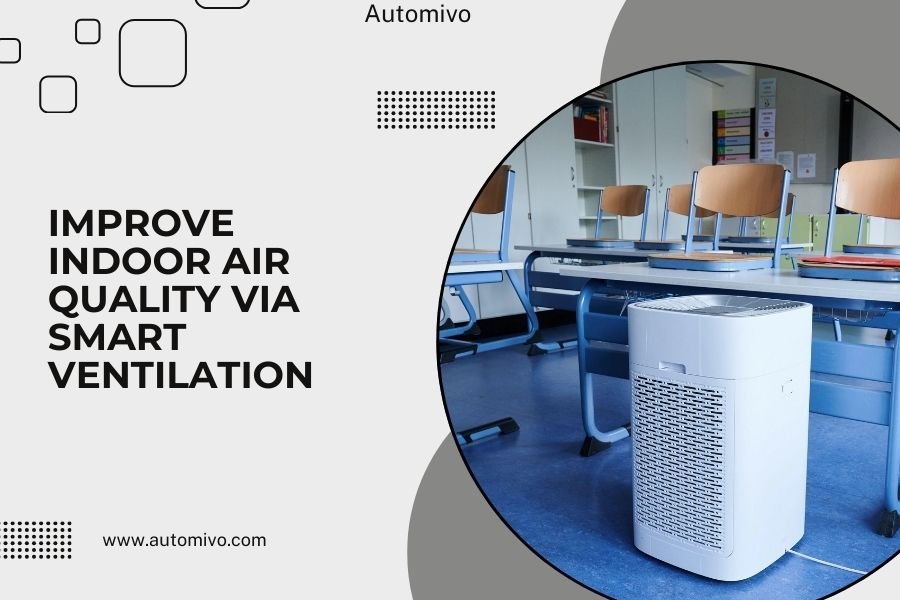
Smart ventilation systems automatically control airflow to maintain optimal indoor air quality by adjusting fan speeds, opening vents, and filtering air based on real-time pollution and humidity readings.
You can improve your home’s air quality by installing smart ventilation controls that monitor CO2 levels, humidity, and pollutants while adjusting ventilation rates throughout the day.
What Smart Ventilation Actually Does for Your Home
Think of smart ventilation as your home’s breathing coach. It knows when to take deep breaths and when to slow down.
Regular ventilation just moves air on a timer. Smart ventilation watches what’s happening in your air and responds. When cooking creates steam and odors, it ramps up. When everyone leaves for work, it dials back to save energy.
I researched how these systems work, and found they use multiple sensors to make decisions. CO2 sensors detect when people are present. Humidity sensors catch moisture buildup. Air quality monitors spot pollutants and allergens.
Core Components That Make It Work
Smart ventilation relies on three main parts working together. The brain is a central controller that processes sensor data. The muscles are smart fans and dampers that adjust airflow. The senses are various monitors placed around your home.
From what I read, most systems connect to your Wi-Fi network. This lets you control settings remotely and receive alerts about air quality issues.
Why Your Indoor Air Needs Active Management
Indoor air can be 2-5 times more polluted than outdoor air, according to EPA research. That’s because modern homes trap contaminants inside.
Your daily activities create invisible problems. Cooking releases particles and gases. Cleaning products add chemical vapors. Even breathing increases CO2 levels in sealed rooms.
Common Indoor Air Problems
I found that most homes struggle with similar issues:
- High CO2 levels causing drowsiness and poor concentration
- Excess humidity leading to mold growth
- Cooking odors and grease particles that linger
- Pet dander and dust that regular filters miss
- Chemical off-gassing from furniture and materials
Health Impact You Can’t See
Poor air quality affects you in ways you might not connect. Many people blame afternoon fatigue on lunch when stale air is the real culprit.
Research from Harvard shows that high CO2 levels reduce cognitive function by up to 15%. That’s like losing an hour of productive thinking every day.
Smart Ventilation vs Traditional Systems
Traditional exhaust fans work on simple timers or manual switches. You turn them on, they run at full speed, then shut off. It’s like using a sledgehammer for every job.
Smart ventilation acts more like a skilled craftsman. It uses the right tool at the right intensity for each situation.
| Feature | Traditional | Smart Ventilation |
|---|---|---|
| Control Method | Manual switches/timers | Automatic sensors |
| Energy Usage | Full power or off | Variable speed matching needs |
| Air Quality Monitoring | None | Multiple pollutant detection |
| Remote Access | None | Smartphone control |
Energy Savings That Add Up
I found studies showing smart ventilation can reduce energy costs by 20-40%. The system only works hard when needed, instead of running at full blast constantly.
During mild weather, it might use outdoor air for cooling instead of running your AC. In winter, it can recover heat from outgoing air to warm incoming fresh air.
Types of Smart Ventilation Systems
You have several options depending on your home and budget. Each type handles air quality differently.
Exhaust-Only Smart Systems
These upgrade your existing bathroom and kitchen fans with smart controls. Sensors detect humidity and odors, then adjust fan speed automatically.
Installation is usually straightforward since you’re replacing existing fans. Costs range from $200-600 per fan including smart controls.
Best For
Homes with good natural air infiltration that just need better moisture and odor control in specific rooms.
Supply-Only Smart Systems
These bring fresh outdoor air into your home through your HVAC system. Smart dampers open and close based on indoor air quality readings.
I researched installation requirements and found most work with existing ductwork. A professional typically needs 4-6 hours to set everything up.
Best For
Tight, well-sealed homes that need consistent fresh air but already have good humidity control.
Balanced Smart Ventilation
This is the premium option. It brings in fresh air while exhausting stale air, using heat recovery to maintain temperature.
These systems cost $1,500-4,000 installed but provide the most complete air quality control. Many experts consider them the gold standard for healthy homes.
Heat Recovery Ventilation (HRV)
HRV systems capture heat from outgoing air to warm incoming fresh air. In summer, they work in reverse to pre-cool incoming air.
From what I read, good HRV systems recover 70-90% of the heat that would otherwise be lost through ventilation.
Energy Recovery Ventilation (ERV)
ERV goes one step further by transferring both heat and humidity. This helps maintain comfortable humidity levels year-round.
Key Features to Look For
Not all smart ventilation systems offer the same capabilities. Here’s what separates basic from advanced options.
Sensor Quality and Variety
Better systems use multiple sensor types for accurate readings. Look for CO2, humidity, particulate matter, and volatile organic compound (VOC) detection.
I found that cheaper systems might only monitor one or two factors, which gives you an incomplete picture of air quality.
Smart Home Integration
The best systems connect with popular platforms like Google Home, Amazon Alexa, or Apple HomeKit. This lets you create automated routines.
For example, your system could automatically increase ventilation when your security system shows everyone has left the house.
HVAC System Coordination
Advanced smart ventilation talks to your heating and cooling system. This prevents conflicts and optimizes overall energy use.
Some systems can delay ventilation when your AC is working hard, then catch up during milder periods.
Zone Control Capabilities
Larger homes benefit from zone-based control. The kitchen might need different ventilation than bedrooms or home offices.
Multi-zone systems use dampers and sensors in each area to provide targeted air quality management.
Installation Considerations
Installing smart ventilation ranges from simple DIY projects to complex whole-house systems requiring professional help.
DIY-Friendly Options
Smart exhaust fans often replace existing units using the same wiring and mounting points. If you can change a light fixture, you can probably handle this.
Plug-in air quality monitors and smart switches for existing fans are even simpler. These give you some smart features without any electrical work.
Professional Installation Requirements
Whole-house systems need professional installation. They require ductwork modifications, electrical connections, and system balancing.
I researched typical installation times and found most take 6-12 hours depending on home complexity and system type.
Permits and Code Requirements
Major ventilation work often requires building permits. Your installer should handle this, but ask about permit costs upfront.
Local building codes specify minimum ventilation rates. Make sure your system meets or exceeds these requirements.
Setting Up Your Smart Ventilation System
Proper setup makes the difference between a system that works well and one that wastes energy while providing poor air quality.
Initial Configuration
Start by setting appropriate thresholds for each sensor. CO2 levels above 1,000 ppm indicate poor air quality in most homes.
Humidity should stay between 30-50% for comfort and mold prevention. Many systems let you set different targets for each season.
Creating Automation Rules
Smart ventilation shines when you set up logical automation. Here are some rules that work well in most homes:
- Increase kitchen ventilation when cooktop is in use
- Boost bathroom fans when humidity jumps quickly
- Reduce overall ventilation at night to minimize noise
- Ramp up whole-house ventilation during mild outdoor weather
Seasonal Adjustments
Your ventilation needs change with seasons. Summer might prioritize humidity control while winter focuses on maintaining fresh air without losing heat.
Good systems learn your preferences and suggest seasonal setting changes.
Maintenance and Troubleshooting
Smart ventilation systems need regular care to maintain performance and accuracy.
Filter Replacement
Replace filters according to manufacturer schedules, typically every 3-6 months. Dirty filters reduce efficiency and can damage equipment.
Many smart systems send filter replacement reminders to your phone. Some even monitor filter condition and alert you when airflow drops.
Sensor Calibration
Sensors drift over time and need periodic calibration. CO2 sensors typically need attention every 1-2 years.
I found that most systems have automatic calibration routines, but you might need to expose sensors to fresh outdoor air occasionally.
Common Issues and Solutions
If your system seems unresponsive, check sensor placement first. Sensors near windows or vents might give false readings.
Noisy operation often means fans need cleaning or replacement. Most smart fans are designed for quiet operation when properly maintained.
Cost Analysis and ROI
Smart ventilation involves upfront costs but can provide savings through improved health, comfort, and energy efficiency.
Initial Investment Breakdown
Basic smart exhaust fans cost $150-400 each. Whole-house systems range from $1,500-6,000 including installation.
I found that most homeowners spend $2,000-3,500 for a complete smart ventilation upgrade including multiple zones and sensors.
Operating Cost Savings
Energy savings depend on your current system and local utility rates. Most people see $200-500 annual savings on heating and cooling costs.
Health benefits are harder to quantify but potentially more valuable. Better air quality can reduce respiratory issues and improve sleep quality.
Home Value Impact
Smart home features increasingly attract buyers. While ventilation isn’t as visible as smart thermostats, it appeals to health-conscious buyers.
Real estate experts suggest smart ventilation adds $1,000-2,500 to home value, depending on system sophistication.
Conclusion
Smart ventilation transforms your home’s air quality from guesswork to precision management. You get fresh, healthy air when you need it without wasting energy when you don’t.
The technology is mature and reliable now. Whether you start with smart exhaust fans or invest in a whole-house system, you’ll notice the difference in air quality and comfort.
Your lungs will thank you, your energy bills will shrink, and your home will feel fresher and more comfortable year-round. That’s a smart investment in your family’s health and your home’s value.
What’s the difference between smart ventilation and a regular bathroom fan?
Regular fans run at one speed when you flip the switch, while smart ventilation adjusts automatically based on humidity, odors, and air quality sensors. Smart systems also connect to your phone for remote control and can coordinate with other home systems.
Can I install smart ventilation in an older home without existing ductwork?
Yes, you have several options. Smart exhaust fans can replace existing bathroom and kitchen fans. Mini-split heat pumps with built-in ventilation work well for room-by-room upgrades. Ductless ventilation systems can also provide whole-house fresh air without major construction.
How much electricity do smart ventilation systems use?
Most smart ventilation fans use 15-50 watts when running, similar to LED light bulbs. Variable speed controls mean they often use less power than traditional fans because they don’t always run at full speed. Whole-house systems typically use 100-300 watts depending on airflow requirements.
Will smart ventilation help with pet odors and allergens?
Smart ventilation helps by removing stale air and bringing in fresh air, which dilutes odors and airborne allergens. For best results with pets, combine smart ventilation with good filtration. Some systems can detect odors and automatically increase ventilation when needed.
How long do smart ventilation systems typically last?
Quality smart ventilation systems last 10-15 years with proper maintenance. Fans and motors are the most likely components to need replacement. Sensors might need calibration or replacement every 5-7 years. Most manufacturers offer warranties of 3-5 years on electronic components.
