
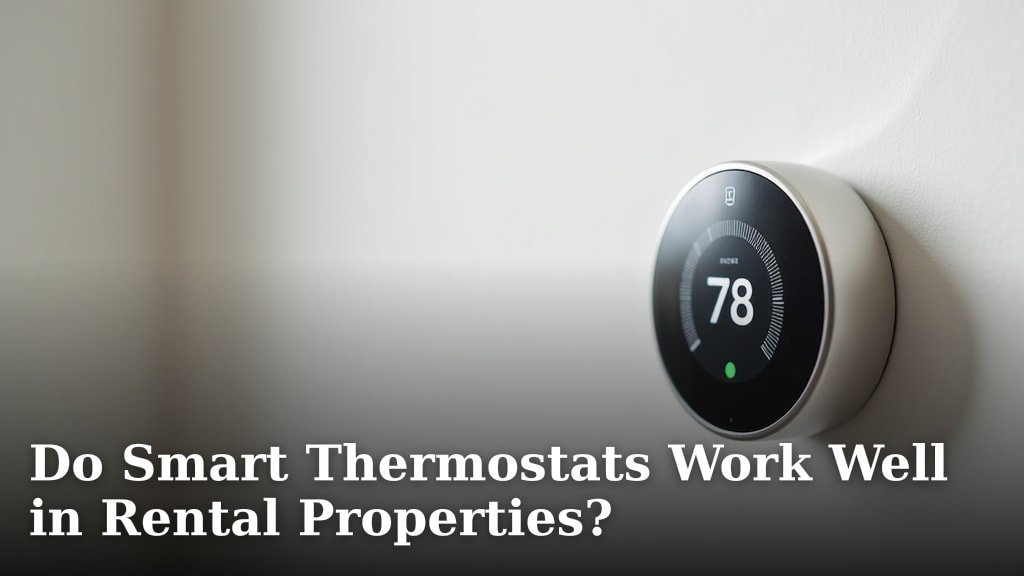
Yes, smart thermostats can work well in rental properties, offering significant benefits for both tenants and landlords. We found they help with energy savings and improved comfort control.
You might wonder about installation or tenant control, right? We found that these devices can streamline temperature management, making homes more appealing. They also offer ways to save on utility bills.
- Smart thermostats can save energy.
- They offer convenience for renters.
- Landlords can benefit from lower vacancy rates.
- Installation can be straightforward.
- Some models are designed for rentals.
Let’s walk through everything you need to know about using smart thermostats in your rental properties, from benefits to potential hurdles and solutions.
Smart Thermostats in Rental Properties: Are They a Good Fit?
Yes, smart thermostats are often a great fit for rental properties. They can bring convenience and savings to both landlords and tenants. We found that their benefits usually outweigh any potential downsides.
Benefits for Landlords
As a landlord, you’re always looking for ways to improve your property and make your life easier, right? Smart thermostats offer several advantages that might surprise you.
Potential for Energy Savings
One of the biggest draws is the potential for reduced energy bills. While tenants pay the utilities in most cases, lower bills can be a strong selling point for your property. It makes your rental more attractive.
We found that many smart thermostats offer detailed energy reports. You can track usage patterns across your portfolio. This information helps you understand where energy is being consumed most.
Some models allow for remote monitoring. You can see if a unit is left at an extreme temperature while vacant. This helps you prevent excessive energy waste (Energy Star).
Increased Property Value and Appeal
Modern renters often look for modern amenities. A smart thermostat can make your property seem more up-to-date. This can boost its appeal in a competitive market.
Imagine showing a property and pointing out features that help save money. This can be a key differentiator. It shows you care about tenant comfort and efficiency.
We found that properties with smart home features can sometimes command higher rents. Or they might experience lower vacancy rates. This is a win-win for your investment.
Reduced Wear and Tear on HVAC Systems
Smart thermostats can help maintain consistent temperatures. This means your HVAC system isn’t constantly cycling on and off. Less strain on the system often means fewer repairs.
Many smart thermostats have features like filter reminders. They can even alert you to potential issues before they become major problems. This proactive approach saves you money in the long run.
You can even set temperature limits. This prevents tenants from setting the AC too low in summer. Or the heat too high in winter. Such extremes can damage equipment.
Benefits for Tenants
Tenants also stand to gain quite a bit from smart thermostats. It’s not just about saving money; it’s also about comfort and convenience.
Enhanced Comfort and Control
Who doesn’t love coming home to a comfortable temperature? Smart thermostats allow tenants to control their climate from anywhere. They can use their phone, which is very handy.
These devices often learn a tenant’s preferences over time. They can create a schedule that fits their routine. This means Adaptive learning thermostats can learn a tenant’s preferences over time, creating a schedule that fits their routine.less manual adjusting and more consistent comfort.
We found that some models offer features like geofencing. The thermostat can adjust the temperature based on whether someone is home or not. This is pure convenience.
Lower Utility Bills
This is probably the most direct benefit for renters. By optimizing heating and cooling, smart thermostats can lead to noticeable reductions in monthly energy costs.
Many renters appreciate tools that help them manage their budget. A smart thermostat is one such tool. It empowers them to be more efficient with their energy usage.
The ability to see energy reports can also make tenants more aware. They become more mindful of how their actions impact their bills. This is a positive change.
Potential Challenges and Solutions
Of course, nothing is perfect. There are a few things to consider before installing smart thermostats in your rentals. But we found that most challenges have straightforward solutions.
Installation and Compatibility Concerns
Installing a smart thermostat isn’t always plug-and-play. Some systems require a “C-wire” for continuous power. Older HVAC systems might not have one.
If your HVAC system is older, you might need an electrician to install a C-wire adapter. Or choose a model that doesn’t require one (though options might be limited).
We recommend checking your HVAC system’s compatibility before purchasing. Many manufacturers offer online compatibility checkers. This saves you headaches later.
Tenant Control and Privacy
This is a big one. Who controls the thermostat? Do tenants have full access? What about their data?
Most smart thermostats are designed for single-user control. You’ll typically grant tenants full access to the device and its app. This means they manage their own comfort.
As for privacy, ensure you choose reputable brands. Read their privacy policies. Most companies state they don’t share personal usage data without consent.
You might want to consider models with a “landlord mode” or “occupancy mode.” These allow for remote monitoring without overriding tenant settings. This creates a good balance.
Security Issues
Any smart device connected to the internet can be a potential security risk. What if it’s hacked?
We found that choosing well-known brands is a good starting point. They often invest more in cybersecurity. Encourage tenants to use strong, unique passwords for their Wi-Fi and thermostat accounts.
Make sure your Wi-Fi network in common areas (if applicable) is secure. And ensure that when a tenant moves out, you factory reset the device. This removes their personal data and settings.
Choosing the Right Smart Thermostat for Your Rental
With so many options out there, how do you pick the best one? It comes down to a few key features and considerations.
Key Features to Look For
- Ease of Use: Can your tenants easily understand and operate it? A simple interface is best.
- Remote Access: This is almost a given for smart thermostats. Tenants want to control it from their phone.
- Programmable Schedules: Essential for energy savings. Tenants can set it and forget it.
- Energy Reporting: Helps tenants see their usage and understand savings. Some models offer insights.
- Geofencing: A “nice-to-have” feature that adjusts temperature based on proximity.
- Budget-Friendly: You’re likely buying several, so cost matters.
Rental-Friendly Models
Some companies offer products specifically with landlords in mind. These often have features like occupancy detection or tamper-proof designs. They might also allow for a master account to manage multiple properties.
We found that brands like ecobee and Nest offer various models. Many of these are popular in rental settings. They provide good functionality and support.
Consider thermostats that don’t rely heavily on complex Wi-Fi setups. This reduces tenant frustration. Simplicity often wins in rental environments.
Installation Checklist for Landlords
Ready to take the plunge? Here’s a simple checklist to guide you through the process.
- Check HVAC Compatibility: Does your system have a C-wire? If not, plan for an adapter or an electrician.
- Research Thermostat Models: Look for rental-friendly features and good reviews.
- Consider Professional Installation: If you’re not comfortable with electrical work, hire a pro.
- Educate Your Tenants: Provide clear instructions on how to use the new device.
- Address Privacy Concerns: Reassure tenants about data usage and control.
- Set Clear Expectations: Explain who has primary control and how issues will be handled.
Comparing Popular Smart Thermostats for Rentals
Let’s look at a quick comparison of some common choices. This helps you weigh your options based on what’s important to you and your tenants.
| Feature | Basic Smart Thermostat | Advanced Smart Thermostat | Rental-Specific Thermostat |
|---|---|---|---|
| Price Range | $100-$150 | $180-$250+ | $150-$200 |
| C-Wire Required | Often Yes | Often Yes | Some Models No |
| Learning Capabilities | Limited | Excellent | Moderate |
| Remote Access | Standard | Standard | Standard (with landlord view) |
| Energy Reports | Basic | Detailed | Moderate |
| Tenant Control | Full | Full | Full (with optional landlord limits) |
As you can see, each category offers different strengths. The “rental-specific” category often tries to balance landlord needs with tenant convenience. Consider what features truly matter most for your properties.
Conclusion
You’ve seen how smart thermostats offer real advantages for your rental properties. They can genuinely help with energy savings and improve tenant comfort, making your units more attractive. While a few challenges exist, we found they are easily overcome with thoughtful planning.
By choosing the right model and clearly communicating with your tenants, you can successfully integrate this modern amenity. Your properties will be more appealing, and you’ll likely see happier renters and a better return on your investment. We encourage you to take the next step and research models that fit your specific needs.
Frequently Asked Questions
Do smart thermostats require Wi-Fi in a rental property?
Yes, almost all smart thermostats need a stable Wi-Fi connection to function properly. This allows for remote control, schedule programming, and access to energy reports. Ensure your rental has reliable Wi-Fi, or discuss it with your tenants.
Can a landlord control a smart thermostat in a tenant’s unit?
Generally, no. Once installed, the tenant typically has full control of the thermostat through their account. Some models offer a “landlord mode” for setting temperature limits, but direct override of tenant settings is usually not an option and could lead to privacy concerns.
What happens to the smart thermostat data when a tenant moves out?
When a tenant moves out, you should perform a factory reset on the smart thermostat. This clears all their personal settings and data. It also unlinks their account, making the device ready for the next tenant to set up their preferences.
Are smart thermostats difficult for tenants to use?
Most smart thermostats are designed with user-friendliness in mind. Many have intuitive touchscreens or mobile apps that are easy to navigate. We found that a brief explanation or a simple instruction sheet can help tenants quickly get comfortable with their new device.
Can smart thermostats reduce vacancy rates for rental properties?
Yes, offering modern amenities like smart thermostats can make your property more competitive. Renters often seek features that enhance comfort and save money. This can lead to increased interest in your units and potentially lower vacancy periods.
