What Is the Best Smart Thermostat for a Nursery?
On this page (8 sections)
- Choosing the Right Smart Thermostat for Your Baby’s Room
- Why a Smart Thermostat for the Nursery?
- Key Features to Look For
- Top Smart Thermostat Considerations for Nurseries
- Comparing Nursery-Ready Smart Thermostats
- Setting Up for Success: A Nursery Smart Thermostat Checklist
- Conclusion
- Frequently Asked Questions
Finding the best smart thermostat for a nursery means balancing comfort and safety for your little one. Many smart thermostats offer excellent features like precise temperature control and remote monitoring, making them ideal for keeping a baby’s room just right. Look for models that are easy to use and have clear displays.
When setting up a nursery, maintaining a consistent and safe temperature is key. Smart thermostats help you achieve this without constant manual adjustments. They can alert you to temperature swings, giving you peace of mind. Many parents also appreciate the ability to adjust settings from their phone.
- Smart thermostats offer precise temperature control.
- Remote monitoring keeps you informed about nursery temps.
- Look for easy-to-use models with clear displays.
- Safety and consistent comfort are the top priorities.
Let’s walk through what makes a smart thermostat a great choice for your baby’s room and what features to prioritize.
As parents, your baby’s comfort and safety are always top priorities. One often-overlooked aspect is maintaining the ideal temperature in their nursery. Too hot or too cold can disrupt sleep and even pose health risks. This is where a smart thermostat truly shines.
Choosing the Right Smart Thermostat for Your Baby’s Room
The best smart thermostat for a nursery focuses on precise temperature control and ease of use. You want a device that reliably keeps the room at a safe and comfortable level for your little one.
We’ve looked into what makes a smart thermostat a good fit for this important space. The goal is simple: a peaceful and safe sleeping environment for your baby.
Why a Smart Thermostat for the Nursery?
You might be wondering if a smart thermostat is overkill for a baby’s room. We found that it offers several key advantages that bring extra peace of mind to new parents.
Consistent Temperature for Optimal Sleep
Babies, especially newborns, have a harder time regulating their body temperature. They can get too cold or too hot very quickly. A smart thermostat helps maintain a steady temperature, which is essential for healthy sleep. The American Academy of Pediatrics suggests keeping the room at a temperature that is comfortable for a lightly clothed adult, typically between 68-72°F (20-22.2°C). Smart thermostats excel at keeping the temperature within this narrow range.
Remote Monitoring and Alerts
This is a huge benefit. Imagine being in another part of the house or even away for a short time and still being able to check the nursery temperature. Many smart thermostats allow you to do just that via a smartphone app. If the temperature starts to drift outside your set range, you’ll get an alert on your phone. This early warning can help you prevent your baby from becoming uncomfortable or getting too cold or too warm. It’s like having an extra set of eyes on the room’s climate.
Energy Efficiency and Savings
While your baby’s comfort is number one, a smart thermostat can also help you save on energy bills. They learn your habits and can optimize heating and cooling schedules automatically. This means you’re not heating or cooling an empty house unnecessarily. When the nursery is occupied, it’s at the perfect temperature. When it’s not, the system can make smart adjustments to save energy.
Key Features to Look For
When you start shopping, not all smart thermostats are created equal, especially for nursery duty. Here are the essential features you should prioritize.
Precise Temperature Control and Monitoring
This is non-negotiable. You need a thermostat that can accurately measure and maintain the temperature. Look for models that boast high accuracy, usually within half a degree. Some advanced models even have remote sensors you can place in the nursery for a more accurate reading of that specific room’s temperature, which is very helpful if your main thermostat is elsewhere in the house.
User-Friendly Interface and App
You’ll be busy with your new baby. The last thing you need is a complicated gadget. A simple, intuitive interface on the thermostat itself is important. Even more so is a well-designed, easy-to-navigate smartphone app. You should be able to check the temperature, adjust settings, and set schedules with just a few taps. We found that apps with clear graphics and straightforward menus are the biggest lifesavers.
Safety Features and Alerts
Beyond temperature alerts, some smart thermostats offer other safety features. These might include humidity monitoring, as excessive humidity can lead to mold growth, or alerts if the system detects a malfunction. Always check the specific safety features offered by each model.
Compatibility with Your HVAC System
Before you fall in love with a particular smart thermostat, make sure it’s compatible with your home’s existing heating and cooling system. Most smart thermostats work with common systems, but it’s always best to check the manufacturer’s compatibility list. This prevents disappointment and ensures a smooth installation.
Installation Ease
Are you comfortable with some basic DIY, or would you prefer a professional installation? Many smart thermostats are designed for easy DIY installation, often taking less than an hour. If you’re not mechanically inclined, factor in the cost of professional installation. Some brands offer excellent customer support to guide you through the process.
Top Smart Thermostat Considerations for Nurseries
Based on our research, certain smart thermostats stand out for their nursery-friendly features. While the “best” can depend on your specific home and needs, these models generally receive high marks.
Nest Learning Thermostat
The Nest is renowned for its learning capabilities. It learns your schedule and preferences over time to automatically create a heating and cooling schedule. This means it can efficiently maintain a comfortable temperature in the nursery without constant fiddling. Its sleek design is also a plus. The app is user-friendly, allowing for remote adjustments and temperature history tracking. Many parents appreciate its simple, almost invisible presence.
Ecobee SmartThermostat with Voice Control
Ecobee often gets praise for its room sensors. You can place a sensor in the nursery, and the thermostat will prioritize that room’s temperature. This is fantastic for ensuring the baby’s room is always at the right spot, regardless of where the main thermostat is located. It also offers voice control, which can be handy when your hands are full. The accompanying app provides detailed energy reports and remote control.
Honeywell Home T9 Smart Thermostat
Similar to Ecobee, the Honeywell T9 utilizes remote sensors to monitor and control temperatures in specific rooms. This makes it another excellent choice for nurseries. It offers geofencing capabilities, meaning it can adjust the temperature based on whether you’re home or away. The app interface is clean and easy to manage, and it connects with popular smart home systems.
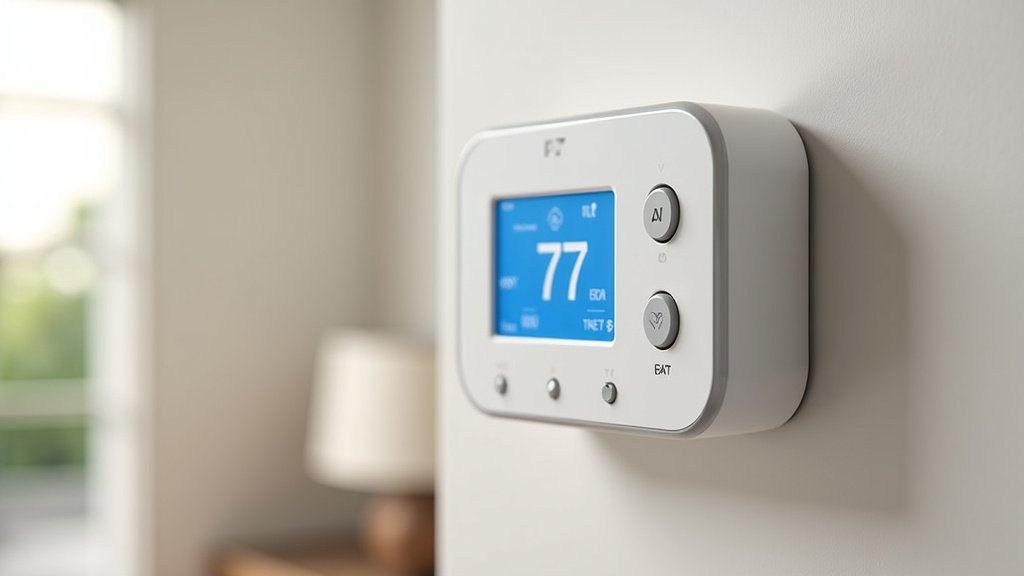
Comparing Nursery-Ready Smart Thermostats
To help you visualize the differences, here’s a quick comparison of some popular choices, focusing on their nursery-relevant features.
| Feature | Nest Learning Thermostat | Ecobee SmartThermostat | Honeywell Home T9 |
|---|---|---|---|
| Room Sensors | No (main unit only) | Yes (multiple included/optional) | Yes (multiple optional) |
| Learning Capability | Yes (learns schedule) | No (schedule-based, but adaptable) | No (schedule-based, but adaptable) |
| Mobile App | Yes (intuitive) | Yes (robust, detailed) | Yes (user-friendly) |
| Voice Control | No | Yes | No |
| Installation | DIY-friendly | DIY-friendly | DIY-friendly |
Setting Up for Success: A Nursery Smart Thermostat Checklist
Before you make your final decision, run through this quick checklist to ensure you’re getting the right thermostat for your nursery needs.
- Accurate Temperature: Does it promise precise temperature control (+/- 0.5°F)?
- Remote Access: Can you monitor and adjust it from your phone?
- Alerts: Does it send notifications for temperature swings or system issues?
- Easy App: Is the mobile app simple and intuitive to use?
- HVAC Compatibility: Have you confirmed it works with your heating/cooling system?
- Room Sensors (Optional but Recommended): Does it support remote sensors for better nursery accuracy?
By focusing on these features, you can confidently choose a smart thermostat that contributes to a safe, comfortable, and happy environment for your baby. It’s one less thing to worry about during those precious early months.
Conclusion
Choosing the best smart thermostat for your nursery is about creating a safe and comfortable haven for your baby. We’ve seen how precise temperature control, remote monitoring, and user-friendly apps can bring you peace of mind. Prioritizing features like room sensors and accurate alerts ensures your little one’s sleep environment is always just right. Remember to check compatibility with your HVAC system for a smooth setup. Now that you’re equipped with this knowledge, take the next step to research models that fit your needs and budget. You’ve got this!
Frequently Asked Questions
Do I really need a smart thermostat in the nursery?
While not strictly essential, a smart thermostat offers significant benefits for nursery temperature regulation. It provides precise control and remote alerts, giving you peace of mind that your baby is always comfortable and safe, especially during sleep. The ability to monitor and adjust from your phone is a huge convenience for busy parents.
What is the ideal temperature range for a baby’s nursery?
Experts generally recommend keeping the nursery temperature between 68-72°F (20-22.2°C). Babies can’t regulate their body temperature as well as adults, so maintaining this consistent range helps prevent them from getting too hot or too cold, which is vital for healthy sleep and safety.
Are smart thermostats difficult to install in a nursery room?
Many smart thermostats are designed for easy DIY installation and can take less than an hour. However, if you’re not comfortable with basic wiring, most brands offer excellent customer support or you can opt for professional installation. Compatibility with your existing HVAC system is key for a smooth setup.
Can a smart thermostat help if the nursery is far from the main thermostat?
Yes, some smart thermostats, like those from Ecobee and Honeywell, offer remote room sensors. You can place a sensor directly in the nursery, allowing the thermostat to prioritize that room’s temperature. This ensures the baby’s room is accurately regulated, regardless of its location in your home.
Are there any safety concerns with smart thermostats in a nursery?
Smart thermostats are generally very safe. Look for models that offer temperature and humidity alerts to help maintain optimal conditions. Always ensure the thermostat is installed correctly and is compatible with your HVAC system to avoid any operational issues. The primary safety benefit comes from their ability to keep the environment consistently comfortable.