Smart Thermostat vs Smart Plug: Which Should You Use? (October 2026)
Use a smart thermostat to control compatible central HVAC, and a smart plug to switch compatible plug-in equipment. A plug doesn't replace a thermostat or safely control every heating and cooling device.
On this page (6 sections)
Use a smart thermostat for compatible central HVAC, and a smart plug for compatible equipment that plugs into an outlet. The key difference in a smart thermostat vs smart plug choice is what each device controls: HVAC temperature at the system, or power to an individual appliance.
A smart thermostat can follow a temperature schedule and connect to compatible heating and cooling equipment. A smart plug can switch a connected lamp, fan or humidifier on and off, but it doesn't become a thermostat.
Smart thermostat vs smart plug: what does each control?
A thermostat controls compatible HVAC through its control wiring; a smart plug switches power at an outlet. They serve different jobs, even when both connect to Wi-Fi and offer app control.
A central thermostat tells heating or cooling equipment when to run based on the temperature setting. A smart plug typically schedules or remotely switches a connected appliance, such as a fan or humidifier.
A plug does not measure a room's needs and tell a furnace or central air conditioner to reach a set temperature. It also doesn't replace the thermostat's connection to the HVAC system.
| Product | Best for | Control | Connectivity | Scheduling | Our score |
|---|---|---|---|---|---|
| Sensi Smart Thermostat | central HVAC schedules | Compatible HVAC equipment | Wi-Fi | Flexible schedules | 9.7 |
| Kasa Smart Plug HS103P4 | several plug-in devices | Compatible plug-in appliances | 2.4 GHz Wi-Fi | 9.6 | |
| Google Nest Thermostat | app-based temperature changes | Compatible HVAC equipment | Wi-Fi | 9.5 | |
| Kasa Smart Plug Ultra Mini 15A | a single compact outlet | Compatible plug-in appliances | 2.4 GHz Wi-Fi | 9.4 |
What does a smart thermostat control?
A smart thermostat is a wall control for compatible HVAC equipment. Its schedule or app setting can change the temperature target, while the HVAC system handles heating or cooling.
The Sensi Smart Thermostat has flexible scheduling, remote access and usage reports. Sensi says a C-wire isn't required in most applications, but confirm compatibility with your equipment and wiring.
The Google Nest Thermostat supports a programmable schedule and remote temperature changes through the Google Home app. Google says some systems, including certain heating-only, cooling-only, zone-controlled and heat-pump setups, need a C wire or another compatible power accessory.
A thermostat's compatibility depends on the system, not just the shape of the wires at the wall. For a broader explanation of what a smart HVAC system includes, see the system guide.
What does a smart plug control?
A smart plug controls whether compatible equipment connected to that outlet receives power. It can be useful for appliances that are designed to turn on and operate when power is supplied.
The Kasa Smart Plug HS103P4 supports remote control and scheduling for devices such as lamps, fans and humidifiers. The Kasa Smart Plug Ultra Mini 15A also offers schedules and timers for compatible plug-in equipment.
A plug only switches power. It can't adjust a connected appliance's internal temperature setting unless that appliance itself supports that behavior after power is restored.
Which one should you use for central heating and cooling?
Choose a smart thermostat when you want to set or schedule temperatures for compatible central HVAC. Don't use an outlet plug as a substitute for the system's thermostat.
If you have a furnace, central air conditioner or heat pump, check that the thermostat model supports your system and wiring. A smart thermostat can be a better fit when your goal is to change the home's temperature from an app or schedule it around your routine.
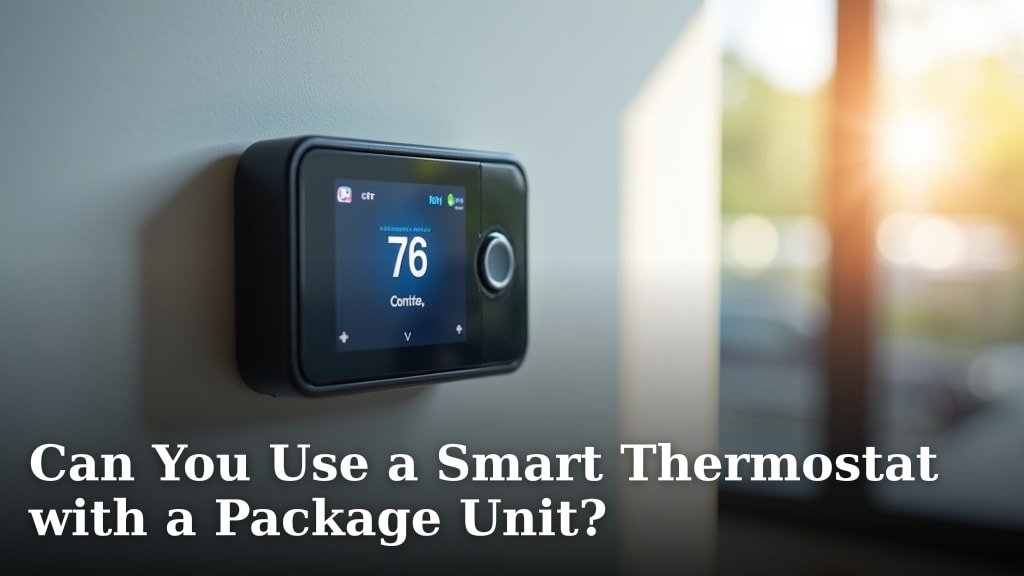
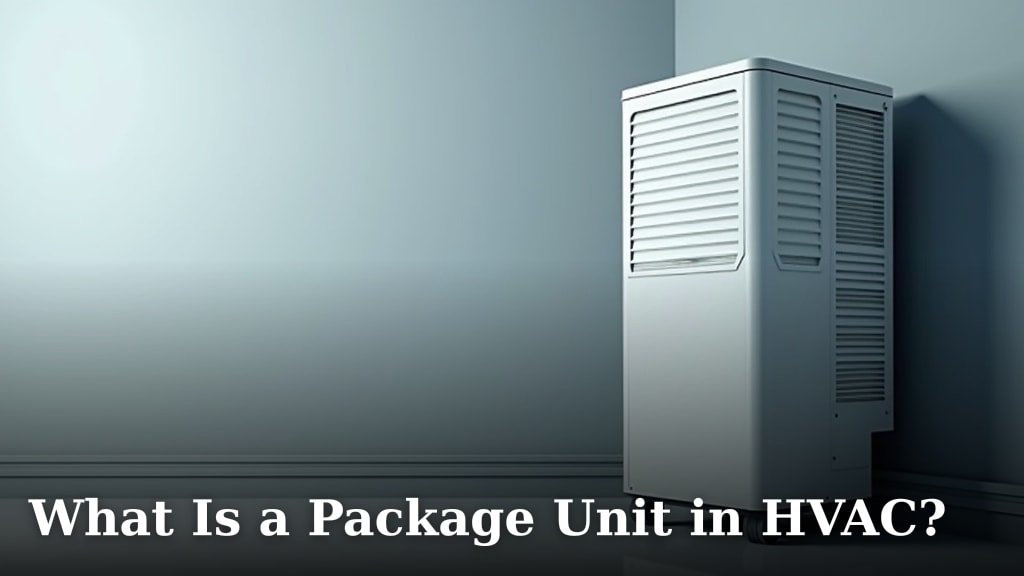
A packaged HVAC unit can still use a wall thermostat, but compatibility varies by model and wiring. Review whether a smart thermostat works with a package unit before choosing one.
Don't plug central HVAC equipment into a smart plug to control its operation. Follow the system and thermostat manuals, and ask an HVAC professional if you're unsure how the equipment is controlled.
Which smart thermostat fits your system?
Pick a thermostat only after checking its compatibility with your exact HVAC setup. A C-wire note is helpful, but it doesn't confirm that every heating or cooling system is supported.
Sensi says its thermostat works with HVAC equipment found in most homes, and that a C-wire isn't needed in most applications. "Most" leaves exceptions, so confirm your system and wiring before installation.
Nest also works without a C wire in many homes, but Google notes that some system types need one or a compatible power accessory. Check Google's compatibility tool before you buy.
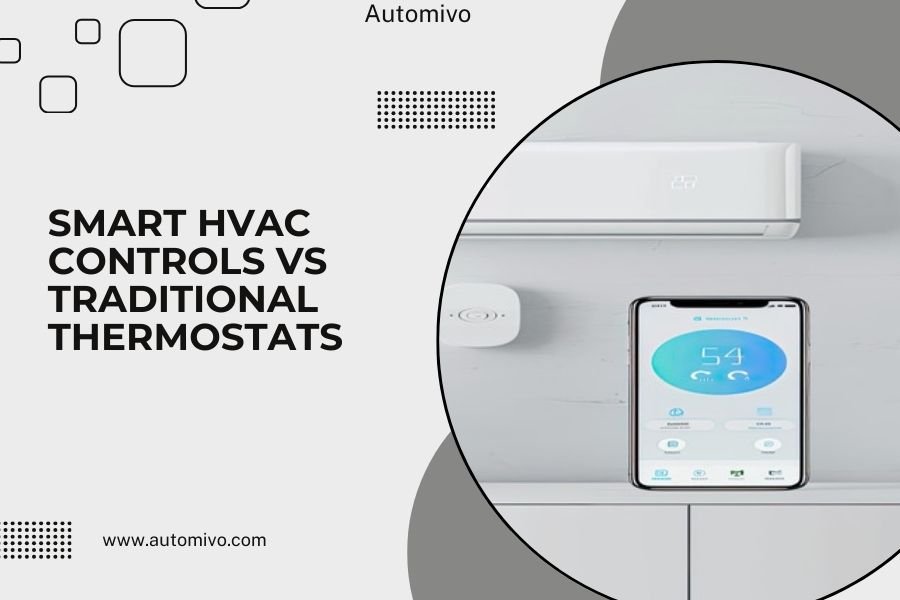
If you're comparing app features with a basic wall control, see smart HVAC controls vs traditional thermostats. The useful distinction is whether you need remote access and schedules, not whether a plug can replace the thermostat.
When does a smart plug make more sense?
Choose a smart plug when the equipment has a plug and is suitable for remote or scheduled power switching. Common examples include a lamp, fan or humidifier that can safely resume operation when switched on.
The Kasa Smart Plug HS103P4 is a four-pack, which can suit a home with several separate compatible devices. Its app supports schedules, timers and remote on/off control, and it requires 2.4 GHz Wi-Fi.
The Kasa Smart Plug Ultra Mini 15A is a two-pack with scheduling and remote control. It is rated at 15 A, but that number alone doesn't make it appropriate for every appliance.
Check the device's instructions and electrical needs first.
For more options and selection advice, read best WiFi thermostat plugs. The word "thermostat" in that phrase can be confusing: a smart plug still switches outlet power rather than controlling central HVAC temperature.
Can a smart plug control a heater or air conditioner?
Only use a smart plug with heating or cooling equipment when that equipment's instructions allow it and the plug is suitable for its electrical load. A plug's schedule or remote switch does not make the appliance safe for unattended use.
Some appliances may not resume their previous mode after power is interrupted. Others may have specific electrical requirements, so check the manuals before connecting one to a smart plug.
For room heating or cooling, use the appliance's own thermostat and safety features as directed. Don't assume remote switching will maintain a safe temperature or shut the appliance off if conditions change.
Can you use both devices in one home?
Yes, a smart thermostat and smart plug can serve separate jobs in the same home. Use the thermostat for compatible central HVAC, then use plugs only for suitable plug-in devices.
For example, a thermostat can manage the home's central heating schedule while a smart plug switches a compatible fan on a separate schedule. They don't automatically coordinate unless the devices and smart home setup support the desired routine.
If you use Home Assistant, see how to override Better Thermostat settings.
Think through what each device should do during an outage or Wi-Fi loss. App access and scheduled automation depend on the device's setup, while the equipment's local controls and safety directions still matter.
A thermostat may also be the better choice for someone who needs easy-to-read, familiar wall controls. If that is your priority, compare options in smart thermostats for seniors.
How should you compare setup and compatibility?
Check the thermostat's HVAC compatibility or the plug's appliance suitability before buying. The setup process follows the control method: wall wiring for a thermostat, outlet and Wi-Fi setup for a plug.
For a thermostat, identify the HVAC system type and photograph the existing wiring before removing anything. Follow the model's installation guide, and stop if the wiring labels or system type don't match the instructions.
For a plug, confirm that the appliance connects to a standard outlet and that its instructions allow scheduled or remote switching. The Kasa plugs listed here require 2.4 GHz Wi-Fi, so check your network setup too.
A smart thermostat is not just a plug-in device with a temperature app. Learn what a smart thermostat does before deciding whether your goal is temperature control, outlet automation or both.
Which should you choose?
Choose a smart thermostat for compatible central HVAC temperature control, and a smart plug for suitable plug-in equipment you want to switch remotely or on a schedule. If the device is part of the home's heating and cooling system, verify thermostat compatibility instead of routing its power through a plug.
The Sensi Smart Thermostat suits buyers looking for scheduling and remote access on compatible HVAC, while the Google Nest Thermostat adds app scheduling and remote temperature control. For an Alarm.com smart-home setup, compare Z-Wave thermostat options.
For separate fans or humidifiers, the Kasa plugs offer scheduled and remote switching.
The decision rule is simple: pick a thermostat to manage a home's HVAC temperature, and a plug to switch a compatible appliance at its outlet. Check system or appliance instructions first, then choose the control made for that job.
Frequently asked questions
Can a smart plug replace a smart thermostat?
No. A smart plug switches power to compatible equipment connected to its outlet.
A smart thermostat controls compatible HVAC through the system's thermostat wiring.
A plug can't set a central heating or cooling temperature, and switching power to HVAC equipment may conflict with its controls or instructions.
Can I use a smart plug with a space heater?
Only if the heater's instructions allow it and the plug is rated for the heater's electrical load.
Check both manuals and follow their safety directions. Remote or scheduled switching doesn't add temperature control or safety features, so don't leave a heater unattended unless its maker says that use is safe.
Can a smart plug control a window air conditioner?
It may switch a compatible window air conditioner's power, but that doesn't guarantee the unit will restart or resume the right settings after power returns.
Check the air conditioner's manual and electrical requirements, and use its built-in controls when needed. A plug also can't manage a home's central HVAC.
Do smart thermostats work with every HVAC system?
No. Compatibility depends on the system's wiring and equipment, including its heating, cooling, heat pump or zone controls.
Check the thermostat maker's compatibility guidance before buying, and ask an HVAC professional if the wiring or system type is unclear.
Package units may need their own compatibility check.