
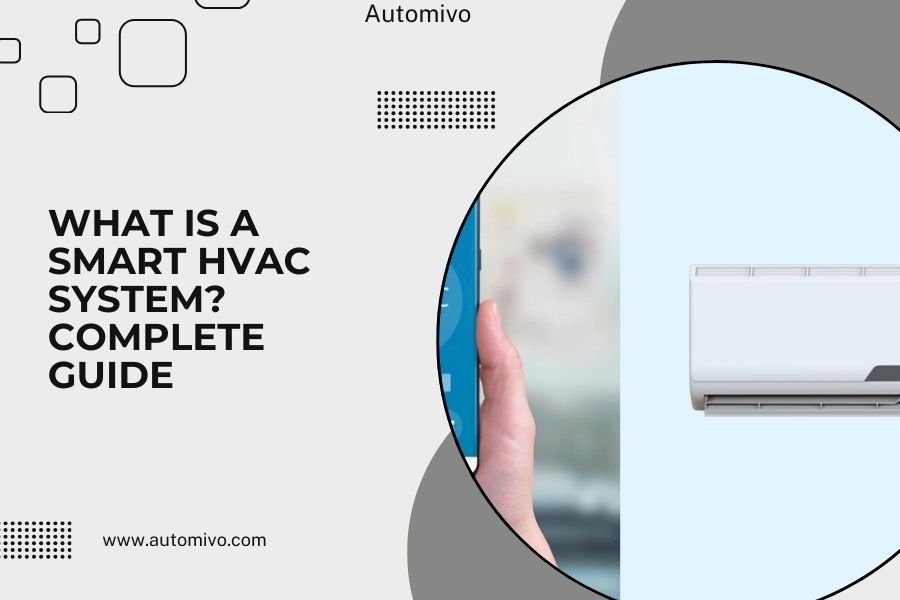
A smart HVAC system is a heating, ventilation, and air conditioning system that connects to the internet and can be controlled remotely through apps, voice commands, or automated schedules.
Smart HVAC systems learn your preferences, adjust temperatures automatically, and help reduce energy bills by up to 23% compared to traditional systems.
Your home’s comfort is about to get a major upgrade. Gone are the days of walking to a wall thermostat and manually adjusting the temperature. Smart HVAC technology transforms how you heat and cool your home.
Think of it like upgrading from a flip phone to a smartphone. The basic function is the same, but the capabilities expand dramatically. You get remote control, learning features, and energy savings that traditional systems simply can’t match.
How Smart HVAC Systems Work
Smart HVAC systems connect your heating and cooling equipment to your home’s Wi-Fi network. This connection allows you to control everything from your smartphone, tablet, or computer.
The system includes smart thermostats, sensors, and sometimes smart vents. These components talk to each other constantly. They share data about temperature, humidity, occupancy, and your preferences.
Core Components You Need to Know
Your smart HVAC setup typically includes these key parts:
- Smart thermostat (the brain of the operation)
- Temperature and humidity sensors
- Motion sensors for occupancy detection
- Smart vents (optional but helpful)
- Mobile app for remote control
- Wi-Fi connection for internet access
The Learning Process
Here’s where it gets interesting. Your smart HVAC system watches your behavior patterns. It notices when you wake up, leave for work, and come home.
After a week or two, it starts making automatic adjustments. You wake up to a warm house without programming anything. It cools down when you’re away to save energy.
Types of Smart HVAC Systems
Not all smart HVAC systems are created equal. You have several options depending on your home and budget.
Smart Thermostat Upgrades
This is the most common starting point. You replace your old thermostat with a smart version. Popular brands include Nest, Ecobee, and Honeywell.
Installation usually takes 30 minutes. Most people can do it themselves with basic tools. You keep your existing HVAC equipment and just upgrade the control system.
Zoned Smart Systems
Zoned systems divide your home into different temperature areas. You might keep bedrooms cooler than living spaces. Or heat only occupied rooms.
This approach works great for larger homes. Each zone has its own thermostat and dampers in the ductwork. You save money by not conditioning unused spaces.
Complete Smart HVAC Replacement
Some homeowners go all-in with new smart-enabled furnaces, air conditioners, and heat pumps. These units have built-in connectivity and advanced features.
This option costs more upfront but offers the best integration. Everything works together seamlessly.
Key Features That Make HVAC Systems Smart
What separates smart systems from regular ones? Several game-changing features that make your life easier.
Remote Control Access
Control your home’s temperature from anywhere. Stuck in traffic? Adjust the AC before you arrive. Vacation running long? Keep the house in energy-saving mode.
The mobile apps are usually simple to use. Most have large, clear buttons and intuitive layouts.
Voice Command Integration
Your smart HVAC system probably works with Alexa, Google Assistant, or Siri. Just say “Hey Google, set the temperature to 72 degrees.”
This feature is surprisingly addictive once you try it. No more searching for your phone or walking to the thermostat.
Learning and Automation
Smart systems study your habits and preferences. They create schedules automatically based on when you’re home and what temperatures you prefer.
Some systems even check weather forecasts. They pre-cool your home before a hot afternoon or warm it up before a cold snap.
Energy Usage Tracking
Most smart thermostats show detailed energy reports. You can see exactly how much heating and cooling costs each month.
Many provide tips for saving more money. They might suggest adjusting your schedule or point out energy waste.
Benefits of Smart HVAC Systems
Why should you care about upgrading? The benefits go way beyond just being able to control temperature from your phone.
Lower Energy Bills
Research from the Environmental Protection Agency shows smart thermostats can reduce energy use by 10-23%. For the average home, that’s $130-$145 in annual savings.
The savings come from better scheduling and automatic adjustments. Your system doesn’t waste energy heating or cooling an empty house.
Better Comfort Control
Smart systems maintain more consistent temperatures than manual thermostats. They make gradual adjustments instead of big swings.
Some models monitor humidity too. You get better air quality along with temperature control.
Convenience and Peace of Mind
Never wonder if you left the heat on again. Check your system status from anywhere. Get alerts if something stops working properly.
Many homeowners love the geofencing feature. Your system knows when you’re approaching home and adjusts automatically.
Environmental Impact
Lower energy use means smaller carbon footprint. If you care about environmental responsibility, smart HVAC helps you reduce your home’s impact.
Installation and Setup Process
Getting a smart HVAC system doesn’t have to be overwhelming. The process is usually more straightforward than people expect.
DIY Smart Thermostat Installation
Most smart thermostats come with step-by-step instructions. You’ll need basic tools like a screwdriver and wire strippers.
The hardest part is usually identifying the existing wires. Take photos before disconnecting anything. Most manufacturers offer phone support if you get stuck.
Professional Installation Options
HVAC contractors can handle the whole installation. This makes sense for complex systems or if you’re not comfortable with electrical work.
Professional installation typically costs $100-$200 for a basic smart thermostat. Full system upgrades cost more but include warranty coverage.
App Setup and Configuration
After physical installation, you’ll download the manufacturer’s app. The setup wizard walks you through connecting to Wi-Fi and configuring basic settings.
Most apps ask about your schedule and temperature preferences. This gives the learning algorithms a head start.
Popular Smart HVAC Brands and Models
Several companies dominate the smart HVAC market. Each has strengths and unique features.
Google Nest Thermostats
Nest pioneered the smart thermostat category. Their latest models feature attractive displays and strong learning capabilities.
Nest thermostats work especially well with other Google smart home devices. They integrate seamlessly with Google Assistant.
Ecobee Smart Thermostats
Ecobee thermostats include room sensors that detect occupancy and temperature. This helps balance comfort across your whole home.
Many HVAC professionals recommend Ecobee for larger homes or complex layouts.
Honeywell Smart Thermostats
Honeywell offers several smart models at different price points. They focus on reliability and compatibility with older HVAC systems.
Comparing Key Features
| Feature | Nest | Ecobee | Honeywell |
|---|---|---|---|
| Learning capability | Excellent | Good | Basic |
| Room sensors | Optional | Included | Optional |
| Voice control | Google/Alexa | Alexa/Siri | Alexa |
| Price range | $130-$250 | $170-$300 | $100-$200 |
Costs and ROI Considerations
Smart HVAC upgrades require upfront investment. But most homeowners see positive returns through energy savings.
Smart Thermostat Costs
Basic smart thermostats start around $100. Premium models with advanced features cost $200-$300.
Professional installation adds $100-$200. DIY installation saves money but takes time and effort.
Full System Upgrade Costs
Complete smart HVAC systems cost $3,000-$8,000 depending on home size and equipment choices.
This includes smart-enabled furnaces, air conditioners, thermostats, and professional installation.
Payback Period
Smart thermostats typically pay for themselves within 2-3 years through energy savings. Full system upgrades take 5-10 years for payback.
Your actual savings depend on local energy costs, home size, and usage patterns.
Common Challenges and Solutions
Smart HVAC systems aren’t perfect. You might encounter some issues, but most have straightforward solutions.
Wi-Fi Connectivity Problems
Weak Wi-Fi signals cause the most common problems. Your thermostat might lose connection or respond slowly.
Solutions include Wi-Fi extenders, mesh networks, or relocating your router closer to the thermostat.
Compatibility Issues
Older HVAC systems sometimes don’t work with newer smart thermostats. This is especially common with systems over 20 years old.
Check compatibility before buying. Most manufacturers provide online compatibility checkers on their websites.
Learning Curve Frustrations
Smart systems need time to learn your preferences. The first few weeks might feel inconsistent or inconvenient.
Be patient and keep adjusting settings. Most systems improve significantly after a month of learning.
Future of Smart HVAC Technology
Smart HVAC technology keeps getting better. New features and capabilities appear regularly.
AI and Machine Learning Advances
Future systems will predict your needs even better. They might adjust based on your calendar, traffic conditions, or weather changes.
Some experimental systems already factor in air quality data and pollen counts.
Integration with Smart Grids
Utility companies are developing programs that communicate with smart thermostats. Your system could automatically reduce energy use during peak demand periods.
You might earn credits or discounts for participating in demand response programs.
Is a Smart HVAC System Right for You?
Smart HVAC systems work well for most homeowners. But they’re especially beneficial in certain situations.
Best Candidates for Smart HVAC
You’ll see the most benefit if you:
- Have irregular schedules or travel frequently
- Want to reduce energy bills
- Enjoy technology and smart home features
- Have a larger home with multiple zones
- Care about environmental impact
When to Wait on Smart HVAC
Consider waiting if your current system is very old and needs replacement soon. It might make sense to upgrade everything at once.
Also wait if you’re planning major home renovations that could affect your HVAC system.
Conclusion
Smart HVAC systems represent a significant upgrade in home comfort and energy efficiency. They learn your preferences, save money on energy bills, and provide convenient remote control access.
Starting with a smart thermostat is the easiest way to test smart HVAC benefits. Most homeowners find the convenience and savings worth the investment.
The technology continues improving rapidly. Features that seemed futuristic just a few years ago are now standard. Your smart HVAC system will likely gain new capabilities through software updates.
Take time to research different options and choose components that fit your home and budget. With proper selection and installation, you’ll enjoy better comfort and lower energy costs for years to come.
How much does it cost to make my HVAC system smart?
A basic smart thermostat costs $100-$300 plus installation. Full smart HVAC system upgrades range from $3,000-$8,000. Most homeowners start with just a smart thermostat to test the technology before investing in larger upgrades.
Can I install a smart thermostat myself?
Yes, most smart thermostats are designed for DIY installation. You’ll need basic tools and about 30-60 minutes. Take photos of your existing wiring before starting. If you’re uncomfortable with electrical work, professional installation costs $100-$200.
Will a smart HVAC system work if my internet goes down?
Smart thermostats continue basic heating and cooling functions without internet. You lose remote control and smart features, but your home stays comfortable. The system typically remembers your last schedule until connectivity returns.
How much money can I save with a smart HVAC system?
The EPA reports smart thermostats reduce energy use by 10-23%. Average homeowners save $130-$145 annually. Your actual savings depend on local energy costs, home size, and how often you’re away from home.
Do smart HVAC systems work with older heating and cooling equipment?
Most smart thermostats work with systems 10-15 years old or newer. Older systems might lack compatible wiring or control systems. Check manufacturer compatibility tools before purchasing, or consult an HVAC professional for older equipment.
