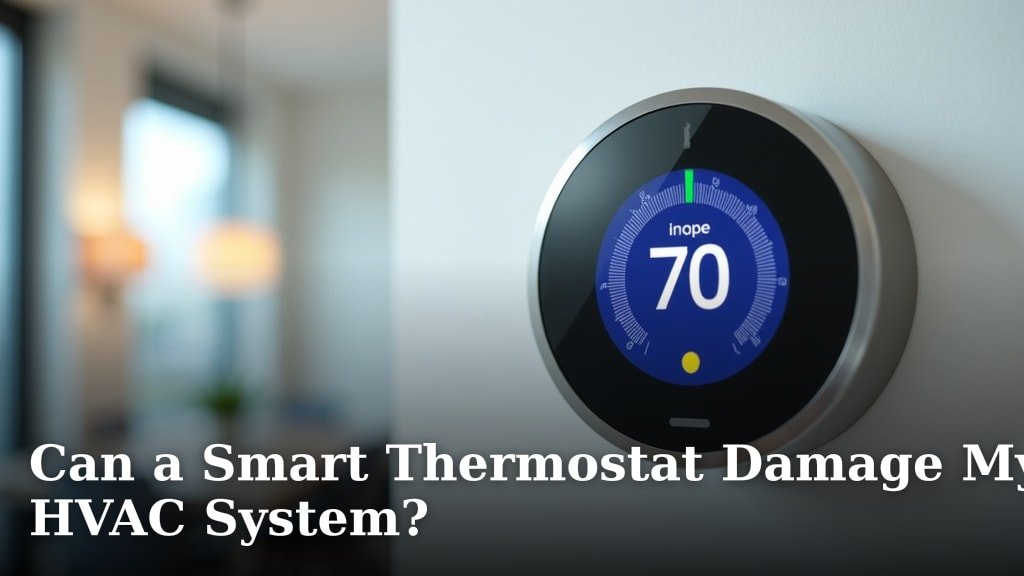
Generally, no, a smart thermostat won’t damage your HVAC system if it’s installed correctly. In fact, when properly set up, these devices can actually help your system run more efficiently and save you money. The key is understanding how they communicate with your HVAC unit.
While a smart thermostat is designed to be compatible with most HVAC systems, improper installation or a faulty unit could lead to issues. We found that most problems arise from incorrect wiring or a thermostat that isn’t fully compatible with your specific HVAC setup, potentially causing stress on components.
- Smart thermostats are designed to be safe for your HVAC.
- Installation is the most critical step.
- Ensure compatibility with your HVAC model.
- Faulty units or wiring are the main concerns.
- They can help save energy and money.
Let’s walk through what you need to know to ensure your smart thermostat works harmoniously with your heating and cooling system.
You’re probably wondering if your shiny new smart thermostat is going to cause your furnace or air conditioner to throw a tantrum. It’s a fair question! After all, these devices are connected directly to your home’s vital organs for heating and cooling. We’ve looked into it, and the good news is, your smart thermostat is unlikely to damage your HVAC system.
Potential Concerns with Smart Thermostat Installations
Generally, no, a smart thermostat won’t damage your HVAC system if it’s installed correctly. In fact, when properly set up, these devices can actually help your system run more efficiently and save you money. The key is understanding how they communicate with your HVAC unit.
While a smart thermostat is designed to be compatible with most HVAC systems, improper installation or a faulty unit could lead to issues. We found that most problems arise from incorrect wiring or a thermostat that isn’t fully compatible with your specific HVAC setup, potentially causing stress on components.
Understanding HVAC System Wiring Basics
Your HVAC system uses low-voltage wires to communicate commands. These wires connect your thermostat to various components like your furnace, air conditioner, and fan. Each wire carries a specific signal. For example, the ‘R’ wire usually provides power, and the ‘W’ wire tells the furnace to turn on.
Smart thermostats need to understand these signals to function. They often require a ‘C’ wire (common wire) to provide continuous power. If your home doesn’t have one, you might need an adapter or a professional installation. Without enough power, a smart thermostat can sometimes cause erratic behavior in your HVAC system, though this is rarely damaging.
The Importance of the ‘C’ Wire
Many older homes weren’t built with a ‘C’ wire. Smart thermostats, with their Wi-Fi connectivity and fancy screens, require more power than older, simpler thermostats. The ‘C’ wire provides that consistent power flow. If your smart thermostat doesn’t have a constant power source, it can drain power from other components, leading to temporary glitches. We found that this is a common point of confusion during installation, but it’s usually a solvable problem, not a damaging one.
Compatibility: The Crucial First Step
Not all smart thermostats are created equal, and neither are all HVAC systems. Before you even buy a smart thermostat, you need to check for compatibility. Most manufacturers provide online tools or detailed guides on their websites. You can usually find your HVAC system’s model number on a sticker inside the access panel of your furnace or air handler.
We discovered that trying to force an incompatible thermostat onto an HVAC system is where potential problems lurk. It’s like trying to fit a square peg into a round hole. This can lead to communication errors between the thermostat and the HVAC unit. These errors might manifest as the system not turning on, turning off unexpectedly, or running constantly. Fortunately, this is almost always an installation or compatibility issue, not an inherent flaw in the smart thermostat itself.
Common HVAC System Types and Smart Thermostat Compatibility
Most modern HVAC systems use standard wiring protocols that smart thermostats are designed for. This includes single-stage, multi-stage, heat pump, and even some geothermal systems. However, very old or highly specialized systems might require extra consideration. We found that systems with more complex zoning or unique control boards are the ones most likely to have compatibility questions. Always consult the thermostat manufacturer’s compatibility checker.
Installation: Where Most Issues Arise
The vast majority of reported problems with smart thermostats and HVAC systems stem from the installation process. If you’re not comfortable with basic electrical wiring, it’s best to hire a qualified HVAC technician or electrician. Mistakes can happen, and they can be frustrating.
DIY Installation Pitfalls
When you choose to install it yourself, there are a few common missteps. Double-checking wire placements is key. Sometimes wires can look similar, or a wire might not be seated firmly in its terminal. If a wire is loose, the system won’t get the correct signal, leading to malfunctions. We’ve seen instances where users accidentally cross wires, which can confuse the system, but usually doesn’t cause permanent damage to the HVAC unit itself.
Another common DIY issue is not turning off the power to your HVAC system before starting. This is a safety hazard for you and can potentially damage the thermostat or the HVAC control board if you accidentally create a short circuit. Always follow the manufacturer’s instructions carefully and prioritize safety.
When to Call a Professional
If your HVAC system is more than 10-15 years old, has a complex setup, or if you’re unsure about any part of the installation process, calling a pro is a wise decision. They have the experience and tools to ensure everything is connected correctly and safely. Many smart thermostat companies offer installation services or can recommend certified installers in your area.
Firmware Updates and Software Glitches
Once installed, smart thermostats rely on software and firmware. Like any electronic device, these can sometimes have glitches. A software bug or a failed firmware update could theoretically cause a smart thermostat to send incorrect signals to your HVAC system. However, these are typically resolved through subsequent updates pushed by the manufacturer.
We found that reputable smart thermostat brands have robust testing procedures for their software. If you encounter a strange issue, checking for available updates or contacting customer support is usually the first step. These software-related problems are very rarely severe enough to cause physical damage to your HVAC equipment. They are more likely to cause temporary operational oddities.
Benefits of a Properly Installed Smart Thermostat
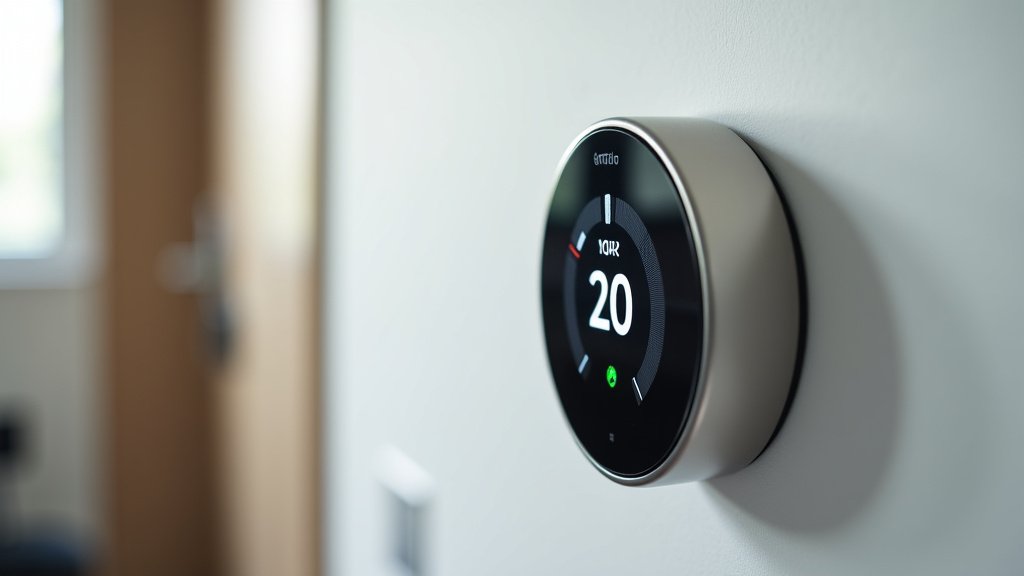
Let’s shift gears to the positive side! When installed correctly and compatible with your system, a smart thermostat isn’t a threat; it’s a benefit. These devices are designed to optimize your home’s comfort and energy usage. Think of it as giving your HVAC system a smart assistant.
Energy Efficiency and Cost Savings
Smart thermostats learn your habits and can adjust the temperature automatically to save energy when you’re away or asleep. Many also provide detailed energy reports, helping you understand where your heating and cooling costs are coming from. This intelligent scheduling can lead to noticeable savings on your utility bills. Research from organizations like the U.S. Department of Energy suggests that smart thermostats can save between 10-15% on heating and cooling costs annually when used effectively.
Enhanced Comfort and Control
Beyond savings, smart thermostats offer unparalleled convenience. You can control your home’s temperature remotely from your smartphone, adjust schedules on the fly, and often integrate with other smart home devices. Some even use geofencing to detect when you’re home or away. This means your home is perfectly comfortable when you arrive without wasting energy while you were gone.
Early Problem Detection (Sometimes!)
Interestingly, some advanced smart thermostats can even detect certain anomalies in your HVAC system’s performance. They might notice if your system is taking too long to heat or cool, or if airflow seems low. While they aren’t diagnostic tools for every possible HVAC problem, they can sometimes alert you to potential issues before they become major breakdowns. This is a feature we found increasingly common in newer models.
Here’s a quick checklist to ensure your smart thermostat is a friend, not a foe, to your HVAC:
- Verify compatibility with your HVAC system model before purchasing.
- Turn off power to your HVAC system at the breaker box during installation.
- Follow the thermostat manufacturer’s wiring diagram precisely.
- Consider hiring a professional for installation if you’re unsure.
- Ensure your system has a ‘C’ wire or use an appropriate adapter.
- Keep your smart thermostat’s software and firmware up to date.
Conclusion
You’ve learned that your smart thermostat is generally a safe addition to your home. When installed correctly, it’s designed to work with your HVAC system, not against it. Most issues you might encounter stem from improper wiring or compatibility problems, which can usually be avoided with careful attention. By ensuring you have the right setup and, if needed, professional help, you can enjoy the energy savings and convenience these devices offer. Take the time to verify compatibility and follow installation steps closely for a smooth experience.
Frequently Asked Questions
Will a smart thermostat void my HVAC warranty?
In most cases, no. As long as the smart thermostat is installed correctly according to both its manual and your HVAC system’s requirements, it typically won’t void your warranty. However, if an incorrect installation or a faulty smart thermostat causes damage, that specific damage might not be covered.
Can a smart thermostat make my AC run constantly?
If a smart thermostat is improperly wired or not compatible, it could potentially send incorrect signals. This might cause your AC to run more often than it should, but this is usually a communication error, not a damaging occurrence.
What happens if I don’t have a ‘C’ wire for my smart thermostat?
Without a ‘C’ wire, your smart thermostat might not receive continuous power. This can lead to intermittent performance issues, like the thermostat shutting off or not connecting to Wi-Fi. You can often use a power adapter or have a professional install a ‘C’ wire to resolve this.
Is it safe to connect a smart thermostat to an old furnace?
Yes, it’s usually safe, but compatibility is key. Older furnaces might have different wiring than modern systems. Always check the smart thermostat manufacturer’s compatibility list before purchasing to ensure it works with your specific furnace model.
How often should I update my smart thermostat’s software?
It’s best to allow automatic updates if your smart thermostat offers them. Manufacturers release updates to improve performance, fix bugs, and enhance security. Keeping your software up-to-date ensures optimal operation and helps prevent potential glitches that could affect your HVAC system.
