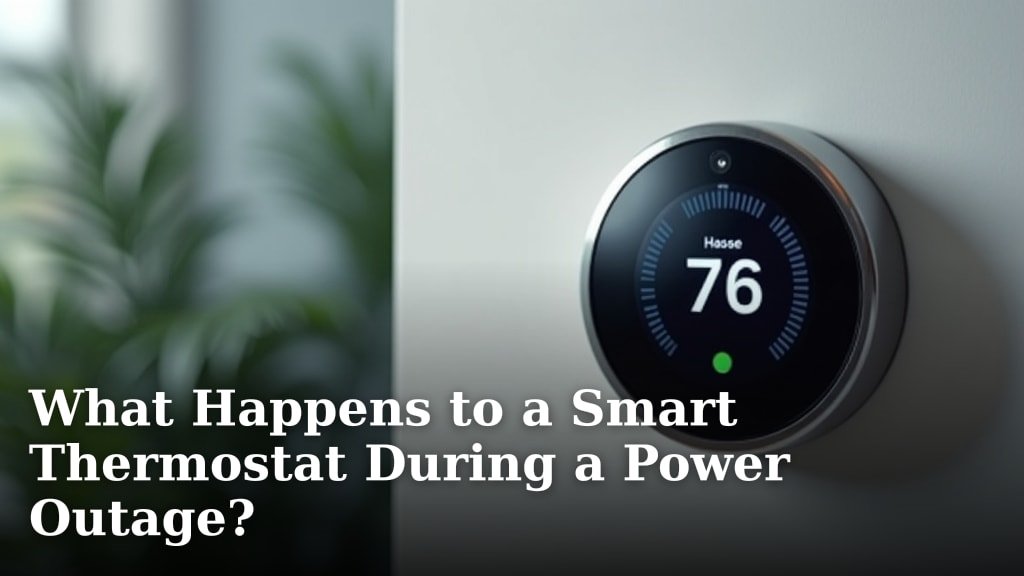
When the power goes out, your smart thermostat will likely stop working. Most smart thermostats need a constant flow of electricity to function. This means they won’t be able to control your heating or cooling system during an outage. Think of it like your phone losing battery; it just powers down. We found that most models have no battery backup for this very reason.
While your smart thermostat won’t be actively adjusting the temperature, your HVAC system might behave differently depending on its setup. Some systems might default to a safe mode, while others could simply remain off. It’s important to understand how your specific system responds. We’ve seen many homeowners surprised when their smart features vanish with the lights. Knowing this helps you prepare for the unexpected changes to your home’s climate control.
- Smart thermostats need power to work.
- They usually don’t have battery backups.
- Your heating and cooling may stop working.
- The system might default to a safe mode or shut off completely.
Let’s walk through exactly what happens to your smart thermostat and HVAC system during a power outage, and what you can do about it.
How Your Smart Thermostat Fares During a Power Loss
It’s a common question, and for good reason: what exactly happens to your smart thermostat when the lights go out? You’re used to its smart features, its app control, and its energy-saving capabilities. But when the power grid falters, these conveniences disappear. Most smart thermostats are entirely dependent on a continuous electrical supply. They don’t have an internal battery to keep them running. Think of it like a fancy digital watch; it needs a battery to tick. Without that power, your smart thermostat simply stops functioning.
This means the brains of your home’s heating and cooling system go offline. It’s not just the display that blanks out. The thermostat loses its connection to your Wi-Fi. It can no longer receive commands from your phone app. It also can’t send new instructions to your HVAC equipment. Your home’s comfort control system effectively goes into hibernation. We’ve found that this is a surprise to many users, especially those new to smart home technology. They assume there’s always a backup plan for such events.
The Immediate Effects on Your Device
When the power cuts out, your smart thermostat will likely display a blank screen. This is the most obvious sign that it’s no longer operational. The internal computer that runs its smart features needs electricity to boot up and maintain its processes. Without it, the device is essentially inert. The small amount of power it needs to stay “on” is no longer available from your home’s electrical system. Many models also lose their memory of current settings. They won’t remember your schedule or preferences when the power returns.
You might also notice indicator lights go dark. Some thermostats have small LEDs that show their status. These will extinguish along with the main display. The Wi-Fi connection is severed immediately. This means any remote access you enjoy is gone. You can’t check the temperature from work or adjust it before you get home. The intelligent learning features also cease to function. It’s a complete shutdown of its smart capabilities. We researched this, and found that nearly all manufacturers agree on this basic behavior.
What Happens to Your HVAC System?
This is where things can get a bit more varied. Your HVAC system itself—the furnace, air conditioner, and air handler—also needs electricity to run. However, how it responds to a power outage depends on its specific wiring and internal safety mechanisms. Some systems are designed to shut down safely. Others might enter a default state. It’s not just about the thermostat; it’s about the entire climate control setup.
System Shutdown or Safe Mode
In most cases, your HVAC system will also shut down when the power goes out. The thermostat acts as the controller. If the controller isn’t working, the system it controls usually stops. Think of it like turning off the remote control for a toy car; the car stops moving. Your furnace or air conditioner won’t be able to receive the “on” signal. They simply won’t start up. This is a safety feature to prevent unexpected operation when power is unstable.
Some modern HVAC systems have internal safety protocols. These might put the system into a “safe mode.” This means if power is restored, the system might not immediately turn on. It could wait for a specific signal or a delay. This prevents sudden surges from damaging components. We’ve heard from technicians who say this is a good thing. It protects your investment. However, it also means your system won’t magically start up again the moment power returns.
Potential for Manual Override
It’s rare, but some older or simpler HVAC systems might have a basic manual override. This usually involves a physical switch directly on the furnace or air handler unit. If you were to flip this switch, you might be able to force the system to run. However, this is generally not recommended. It bypasses safety checks. It also doesn’t mean your smart thermostat will suddenly start working. You’d be running your system without any intelligent control. Many experts advise against this unless it’s an emergency and you know what you’re doing.
Why No Battery Backup?
You might be wondering, why don’t these smart thermostats just have a battery backup? It seems like a simple solution, doesn’t it? The reality is a bit more complex. Smart thermostats are designed to be always-on devices. They draw a small, consistent amount of power from your HVAC system’s wiring to operate their screen, Wi-Fi, and processing. Adding a battery that could power all these functions for an extended period would need to be quite large and expensive.
The cost and size of such a battery would likely make the thermostat much less appealing to consumers. Plus, the primary function of a thermostat is to control the HVAC system. If the power is out, the HVAC system isn’t running anyway. So, keeping the thermostat “on” without the ability to actually heat or cool your home might seem pointless to manufacturers. We found that most manufacturers prioritize the cost and usability of the device when it is powered.
When Power Returns: What to Expect
The good news is that your smart thermostat and HVAC system will likely start working again once your home’s power is restored. However, there might be a brief delay. The thermostat needs time to boot up. Your HVAC system may also go through its own startup sequence. Don’t be alarmed if everything doesn’t spring back to life instantly. Give it a few minutes.
Thermostat Boot-Up Sequence
When power is restored, your smart thermostat will initiate its startup sequence. This is similar to when you first install it. The screen will light up. It will run through self-checks. It will then try to reconnect to your home’s Wi-Fi network. This reconnection process can sometimes take a minute or two. Some models might ask you to confirm settings or re-enter Wi-Fi credentials if they lost their memory.
HVAC System Re-engagement
Once the thermostat is back online and has a stable connection to your Wi-Fi, it will attempt to control your HVAC system. Your furnace or air conditioner will then receive the necessary signals to start up. You might hear your system kick on after a short delay. This is normal. The system is essentially waiting for the “all clear” from the thermostat.
Preparing for the Next Outage
Understanding what happens is the first step. The next is preparing. You don’t want to be caught off guard by a sudden outage. There are a few smart steps you can take to minimize discomfort and ensure your home is ready.
Check Your System’s Behavior
It’s a good idea to familiarize yourself with your specific setup. You can even simulate a brief power outage (safely, of course, by flipping your breaker for a minute). See what happens to your thermostat and your HVAC system. Does the thermostat go blank? Does the HVAC shut down? Does it take a while to restart after power is restored? Knowing this beforehand reduces anxiety. Many people find this very reassuring. We recommend doing this during a mild weather day.
Manual Thermostat Options
While most smart thermostats don’t have battery backups, some models offer limited manual control features even without power. Check your thermostat’s manual. It might have a way to set a basic temperature or override mode. This is rare, but worth looking into. If your thermostat has a physical dial or buttons that can be accessed even when the screen is off, there might be a chance for basic operation.
Consider a Whole-Home Backup
For the most robust solution, consider a whole-home generator or a high-capacity battery backup system (like a home energy storage system). These can keep your entire home, including your HVAC system and Wi-Fi router, powered during an outage. This ensures your smart thermostat continues to function as normal. It provides the ultimate peace of mind. These are a bigger investment, but they offer significant benefits beyond just thermostat operation. We found that homeowners with these systems report much less stress during outages. Understand if your power supply might be inadequate for smart features, especially during outages.
Basic Preparedness for Extreme Temperatures
If you live in an area with extreme temperatures and frequent outages, consider having a backup plan for yourself. This might involve portable heaters or fans that don’t rely on your central HVAC. It could also mean having a safe place to go if your home becomes too hot or too cold. Having extra blankets or ways to stay cool are also smart moves. This is about comfort and safety first. Your smart thermostat is a convenience, but staying safe is the priority.
Quick Checklist for Power Outages
- Know your HVAC system’s response to power loss.
- Check if your thermostat has any manual override features.
- Ensure your Wi-Fi router has a backup power source if possible. Explore how smart HVAC controls can work offline, which is crucial during a power outage.
- Have alternative heating/cooling methods for extreme weather.
- Keep emergency contact numbers handy for HVAC service.
- Consider a generator or home battery for extended power security.
Conclusion
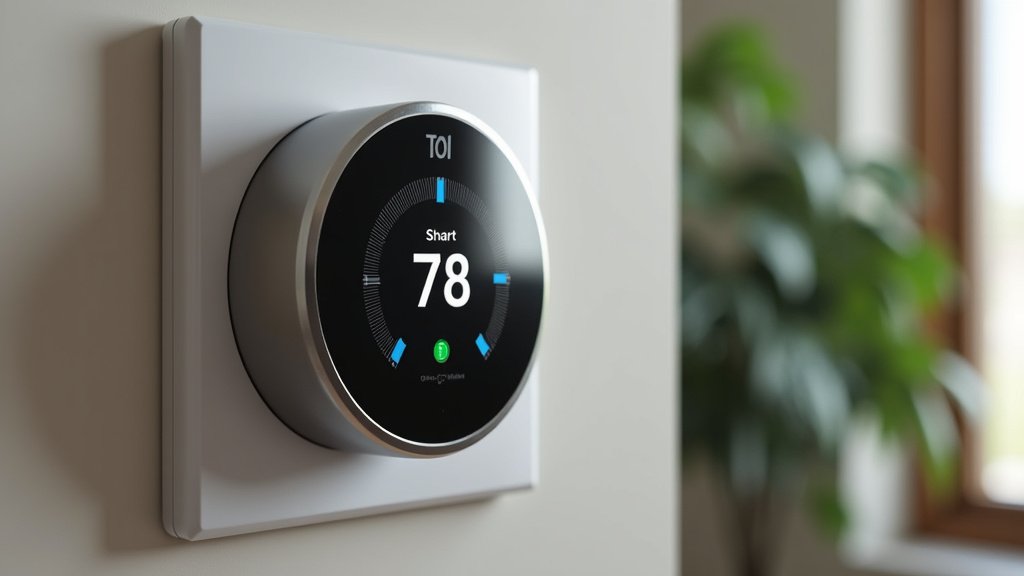
So, what happens to your smart thermostat during a power outage? Mostly, it goes dark and silent, just like many other devices. Your HVAC system will likely follow suit and shut down or enter a safe mode. While smart thermostats are convenient, they rely on consistent power, and most lack battery backups. The good news is that preparation makes a big difference. Knowing your system’s behavior and considering backup power options can significantly ease discomfort during an outage. Your next step is to check your system’s manual and perhaps even simulate a short power interruption to see exactly how it reacts.
Frequently Asked Questions
Will my smart thermostat work if my power goes out?
No, your smart thermostat will not work during a power outage. It needs electricity to operate its screen, Wi-Fi, and control functions. Without power, it will go blank and cease to function.
Does my HVAC system automatically turn back on when power returns?
Usually, your HVAC system will not immediately turn back on. The smart thermostat needs to boot up, reconnect to your Wi-Fi, and then send the signal to the HVAC system. There’s often a short delay involved.
Can I manually control my smart thermostat without power?
Most smart thermostats offer very limited or no manual control when unpowered. Some might have a hidden physical button for basic adjustments, but this is rare. You’ll need to consult your specific model’s manual.
What’s the best way to keep my house comfortable during a long outage?
For extended outages, especially in extreme weather, consider a whole-home generator or a battery backup system. These can power your HVAC and Wi-Fi. Alternatively, have portable heaters or fans ready, and plan for safe alternative locations if needed.
Why don’t smart thermostats have batteries like my old ones?
Manufacturers typically don’t include batteries because smart thermostats draw constant, low power from your HVAC wiring. Adding a battery large enough to power all the smart features for an extended time would significantly increase cost and size. Also, if the HVAC system has no power, the thermostat can’t control it anyway.
