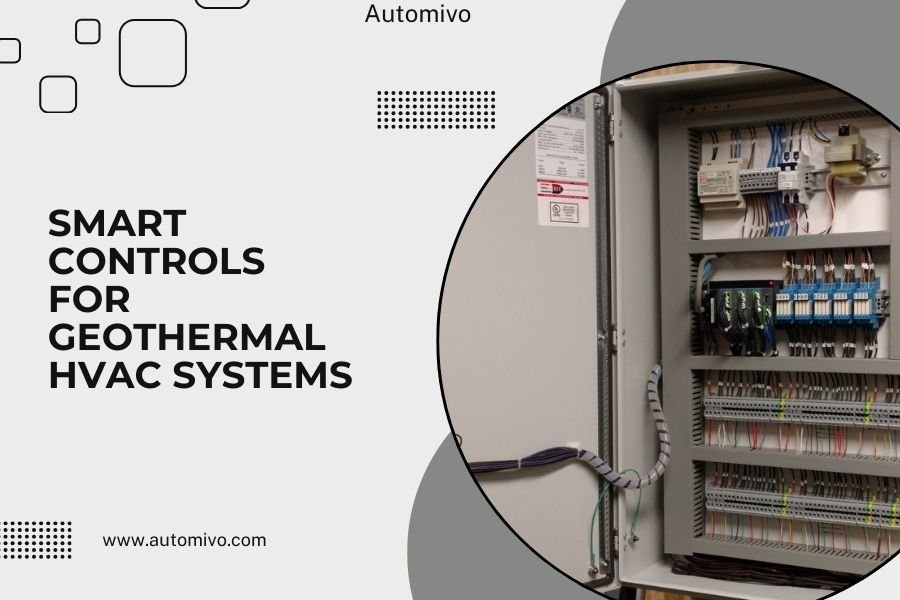
Smart controls for geothermal HVAC systems use advanced thermostats and sensors to optimize your ground-source heat pump’s performance automatically.
These intelligent systems can reduce your energy costs by up to 30% while maintaining perfect comfort in your home year-round.
What Makes Geothermal Smart Controls Different
Your geothermal system works differently than regular HVAC units. It pulls steady heat from the ground instead of fighting outdoor temperature swings.
Smart controls designed for geothermal systems understand this unique operation. They manage the heat pump’s compressor cycles more efficiently than standard thermostats.
Ground Temperature Sensing
Advanced geothermal controllers monitor your ground loop temperatures. This data helps them predict when your system needs to work harder or can coast along easily.
Think of it like having a weather forecast for underground conditions. Your system can prepare for changes before they affect your comfort.
Variable Speed Control
Many smart geothermal controls can adjust your heat pump’s speed gradually. Instead of just “on” or “off,” they offer dozens of power levels.
This prevents the energy waste you get from constant start-stop cycles. Your system runs longer at lower power, saving electricity while keeping temperatures steady.
Top Smart Control Features for Geothermal Systems
Multi-Zone Temperature Management
Smart controls can manage different zones in your home independently. You might want your bedroom cool while keeping the living room warm.
The system uses motorized dampers and multiple sensors to deliver exact temperatures where you want them. No more fighting over the thermostat setting.
Room-by-Room Scheduling
Set different schedules for each area of your home. Your home office can warm up before you start work, then cool down when you’re done.
The basement stays comfortable when you’re using it, but saves energy when it’s empty.
Weather Integration
Smart geothermal controls connect to weather services and adjust automatically. They know when a cold front is coming and can pre-condition your home.
This prevents that uncomfortable period when outdoor temperatures change faster than your system can respond.
Humidity Control
Geothermal systems naturally handle humidity well, but smart controls make them even better. They can run dehumidification cycles without cooling your home too much.
Summer humidity becomes manageable without cranking the temperature way down.
Energy Monitoring and Optimization
Real-Time Energy Tracking
Smart controls show you exactly how much energy your geothermal system uses each day. You can spot problems before they become expensive.
I found that many homeowners discover their old backup heating was running unnecessarily once they started monitoring usage patterns.
Peak Demand Management
Some smart controls can shift your geothermal system’s operation to avoid peak electricity rates. They pre-cool or pre-heat your home during cheaper rate periods.
This strategy can cut your electric bills significantly in areas with time-of-use pricing.
Predictive Maintenance Alerts
Advanced systems monitor your heat pump’s performance and alert you to potential problems. They track things like compressor run time and refrigerant pressures.
You’ll know about issues weeks before they cause system failures or comfort problems.
Popular Smart Control Brands for Geothermal
Ecobee Smart Thermostats
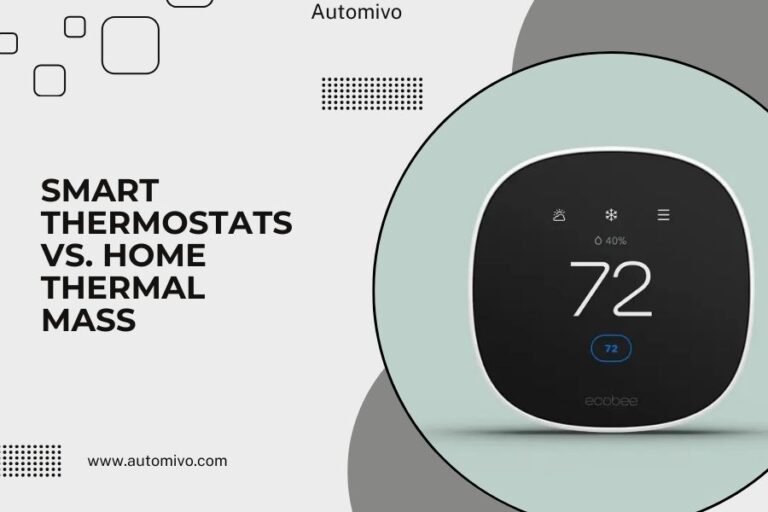
Ecobee thermostats work well with most geothermal heat pumps. Their room sensors help balance temperatures throughout your home.
The voice control features let you adjust settings hands-free, which is handy when you’re cooking or working.
Installation Considerations
Make sure your geothermal system has the right control wiring before installing an Ecobee. Some older systems need additional wires for full functionality.
Honeywell WiFi Controls
Honeywell offers several models designed specifically for heat pump applications. Their algorithms understand how geothermal systems respond to temperature changes.
The scheduling features are particularly good for families with complex daily routines.
Professional vs DIY Installation
While some smart thermostats claim easy DIY installation, geothermal systems often benefit from professional setup. The control logic needs proper configuration for optimal performance.
Carrier Infinity Controls
If you have a Carrier geothermal system, their Infinity controls offer the deepest integration. They can manage variable-speed fans, compressors, and auxiliary heating seamlessly.
These systems cost more upfront but often provide the best long-term performance and efficiency.
Cost and Return on Investment
Upfront Investment
Smart controls for geothermal systems typically cost between $300 and $1,200, depending on features and complexity.
Professional installation adds another $200 to $500, but ensures your system is configured correctly from day one.
Utility Rebates
Many utility companies offer rebates for smart thermostats, especially when used with efficient systems like geothermal. Check with your local provider before purchasing.
Some rebates cover 50% or more of the equipment cost.
Energy Savings Potential
Research from the Department of Energy shows smart controls can reduce HVAC energy use by 10-20% in most homes.
With geothermal systems, the savings can be even higher because the controls optimize the unique operating characteristics of ground-source heat pumps.
| Home Size | Annual Savings | Payback Period |
|---|---|---|
| 1,500 sq ft | $200-400 | 2-3 years |
| 2,500 sq ft | $350-600 | 1.5-2.5 years |
| 3,500 sq ft | $500-800 | 1-2 years |
Installation Tips and Considerations
Compatibility Check
Before buying any smart control, verify it works with your specific geothermal heat pump model. Some older systems use non-standard control signals.
Take photos of your current thermostat wiring and consult with the manufacturer or a qualified technician.
WiFi Network Requirements
Smart controls need reliable internet access for remote features and updates. Make sure your WiFi signal reaches the thermostat location.
A weak connection can cause frustrating delays when adjusting settings or checking status remotely.
Sensor Placement
Room sensors work best when placed away from heat sources, direct sunlight, and air vents. Think about your family’s daily patterns when choosing locations.
Bedrooms, living rooms, and home offices usually benefit most from individual sensors.
Common Problems and Solutions
Short Cycling Issues
Some smart thermostats can cause geothermal systems to turn on and off too frequently. This happens when the control logic isn’t optimized for heat pump operation.
Look for controls with specific heat pump algorithms or adjustable cycle timing settings.
Auxiliary Heat Lockouts
Smart controls should prevent unnecessary use of backup electric heating. Your geothermal system is much more efficient than resistance heating strips.
Configure lockout temperatures so backup heat only runs during genuine emergencies or defrost cycles.
Mobile App Connectivity
Connection problems between smart thermostats and mobile apps frustrate many homeowners. Keep your thermostat’s firmware updated and restart your router occasionally.
Most connectivity issues resolve themselves within a few hours, but persistent problems usually indicate network configuration issues.
Future Technology Trends
AI-Powered Learning
Next-generation smart controls use artificial intelligence to learn your family’s preferences automatically. They adapt to your schedule changes without manual programming.
These systems can predict when you’ll be home and prepare comfortable temperatures accordingly.
Grid Integration
Future smart controls will communicate directly with the electric grid. They’ll help balance electricity demand while maintaining your comfort.
This technology could earn you credits for allowing temporary temperature adjustments during peak demand periods.
Conclusion
Smart controls transform your geothermal HVAC system from a simple heating and cooling appliance into an intelligent comfort management system. You’ll enjoy better temperature control, lower energy bills, and fewer maintenance surprises.
The technology pays for itself quickly through energy savings, especially in larger homes with complex heating and cooling needs. Start with a quality programmable smart thermostat and add sensors or zones as your budget allows.
Your geothermal system already gives you clean, efficient heating and cooling. Smart controls help you get the absolute most from this investment while keeping your family comfortable year-round.
What’s the difference between a smart thermostat and regular programmable thermostat for geothermal?
Smart thermostats connect to WiFi and learn your patterns automatically, while programmable thermostats just follow fixed schedules you set manually. Smart models also monitor your geothermal system’s performance and can adjust operation based on weather forecasts and occupancy sensors.
Can I install a smart thermostat on my geothermal system myself?
You can install basic smart thermostats yourself if your current wiring is compatible, but geothermal systems often need professional setup to optimize heat pump control algorithms. Professional installation ensures proper configuration of auxiliary heat lockouts and cycle timing.
Do smart controls work with older geothermal systems?
Most smart controls work with geothermal systems installed in the last 15 years, but older systems may need additional control wires or interface modules. Check your current thermostat connections and consult the smart control manufacturer about compatibility before purchasing.
How much can smart controls actually save on geothermal energy bills?
Smart controls typically reduce geothermal system energy use by 15-25% through better scheduling, zone control, and system optimization. In a typical home, this translates to $200-600 annually in electricity savings, depending on your local rates and climate.
What happens if my WiFi goes down – will my geothermal system still work?
Your geothermal system continues operating normally if WiFi fails, but you lose remote access and some advanced features like weather integration. The smart thermostat functions like a regular programmable model until connectivity returns, so your comfort isn’t affected.