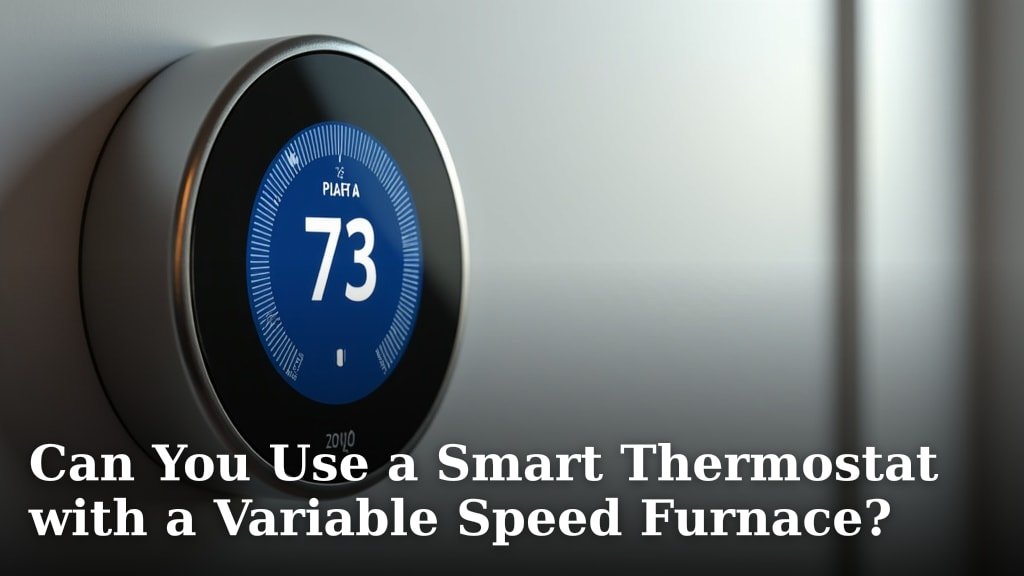
Yes, you absolutely can use a smart thermostat with a variable speed furnace. Many smart thermostats are designed to work with these advanced systems, offering excellent energy savings and improved comfort. It’s a great way to get the most out of your modern heating and cooling setup.
Variable speed furnaces offer incredible efficiency and quiet operation. Pairing them with the right smart thermostat means you can fine-tune your home’s climate like never before. We found that this combination is key to achieving optimal performance and reducing your energy bills.
- Smart thermostats work with variable speed furnaces.
- They help you save money on energy costs.
- Enjoy better home comfort with advanced control.
- Look for compatibility before buying a thermostat.
Let’s dive into the details of how this pairing works and what you should look for to make sure everything runs smoothly in your home.
Pairing Smart Thermostats with Variable Speed Furnaces
So, you’re wondering if your newfangled variable speed furnace can play nice with a smart thermostat. The short answer is a resounding yes! Many homeowners are making this smart upgrade. We found that this combination is a fantastic way to boost your home’s comfort and slash your energy bills. It’s not just about convenience; it’s about smarter energy use.
Variable speed furnaces are like the quiet ninjas of home heating. They run at different speeds, not just on or off. This means they use less energy and deliver more consistent warmth. Pairing them with a smart thermostat lets you take full control. You can tell your system exactly when and how to work its magic, ensuring your home is always just right.
Understanding Variable Speed Furnaces
Before we talk thermostats, let’s get a handle on what makes a variable speed furnace so special. Unlike older, single-speed furnaces that blast air at full power or not at all, variable speed models are much more sophisticated. They can adjust their fan speed incrementally. Think of it like driving a car: a single-speed furnace is like flooring the gas pedal or slamming on the brakes. A variable speed furnace is like gently pressing the accelerator, smoothly reaching your desired speed.
How Variable Speed Technology Works
These furnaces use an advanced motor, often an ECM (Electronically Commutated Motor). This motor allows the fan to operate at a wide range of speeds. When your thermostat calls for heat, the furnace doesn’t just jump to 100%. Instead, it might start at a lower speed, gradually increasing as needed. This gradual change is what makes them so quiet and efficient.
This also means they can run the fan for longer periods at a very low speed. This helps to circulate air more evenly throughout your home. You’ll notice fewer hot and cold spots. It’s a really big upgrade in comfort, and the energy savings add up quickly. Many experts agree that this technology is a game-changer for home comfort and efficiency (Energy Star).
Benefits of Variable Speed Furnaces
The advantages are pretty clear once you understand the technology. You get quieter operation because the fan speed ramps up and down gently. Your energy bills will be lower because the furnace only uses the power it needs. Plus, you’ll enjoy a more consistent temperature across all your rooms. This improved air quality comes from better air circulation and filtration. It really makes a difference in how your home feels day-to-day.
How Smart Thermostats Enhance Variable Speed Systems
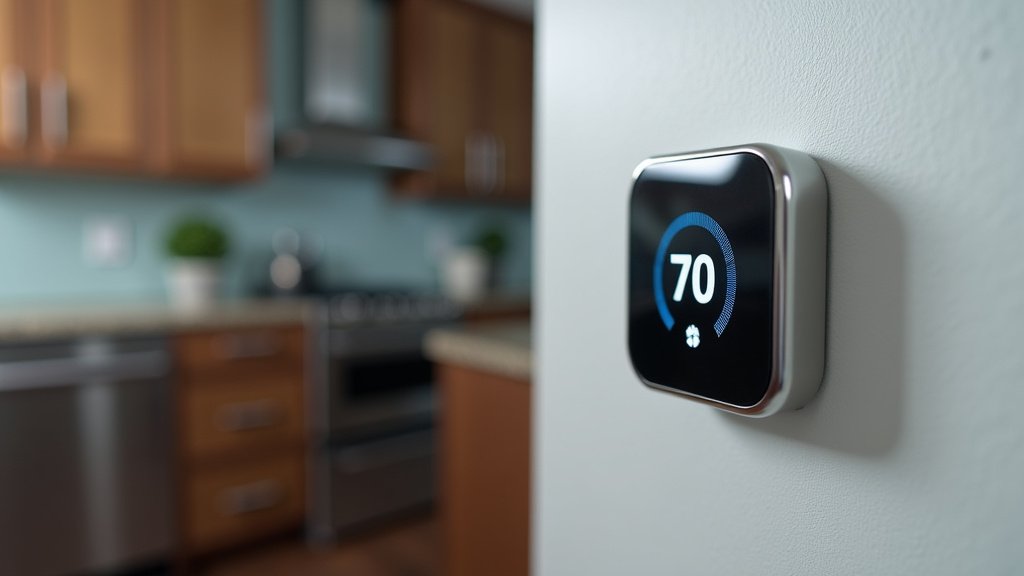
Now, let’s talk about the smart thermostat. These aren’t your grandma’s thermostats! They connect to your Wi-Fi and can be controlled from your smartphone or tablet. When paired with a variable speed furnace, they become incredibly powerful tools for managing your home’s climate.
Compatibility is Key
The most important thing to remember is compatibility. Not all smart thermostats are created equal, and not all are designed to take advantage of variable speed technology. You need a thermostat that can specifically recognize and control the different speed settings of your furnace. A thermostat that only understands “on” and “off” won’t be able to unlock the full potential of your advanced furnace.
What to Look For
When you’re shopping for a smart thermostat, check the product specifications carefully. Look for terms like “variable speed control,” “multi-stage heating/cooling,” or specific compatibility with ECM motors. Some smart thermostats have dedicated terminals or programming options for these advanced features. We found that a quick call to the thermostat manufacturer or your HVAC professional can save a lot of headaches down the road.
Unlocking Advanced Features
Once you have a compatible smart thermostat, you can start enjoying the real benefits. You can set detailed schedules that match your lifestyle, saving energy when you’re away or asleep. Many smart thermostats learn your habits and adjust automatically. This learning capability is especially effective with variable speed furnaces because the thermostat can optimize the furnace’s speed for maximum efficiency during these learned cycles. Learn more about how an adaptive learning thermostat can optimize your system.
Think about it: your smart thermostat can signal the variable speed furnace to run at a low, quiet speed for longer periods to maintain a steady temperature. This is far more efficient than the older on/off cycling. We’ve seen research showing that smart thermostats can reduce energy usage by up to 10-15% on heating and cooling bills alone (US Department of Energy).
Remote Control and Monitoring
Another huge perk is the ability to control your system from anywhere. Left for vacation and forgot to turn down the heat? No problem. Just pull out your phone and adjust the temperature. You can also monitor your energy usage patterns. This helps you identify areas where you can save even more. Seeing those savings in black and white is a great motivator!
Installation and Setup Considerations
While many smart thermostats are designed for DIY installation, pairing one with a variable speed furnace can be a bit more involved. This is especially true if your furnace has unique wiring or requires specialized configuration for its multi-speed capabilities.
Wiring Differences
Variable speed furnaces often have more wires connecting them to the thermostat than a single-speed system. This is because the thermostat needs to communicate more detailed commands to the furnace about fan speed and heating stages. A standard 24-volt system might only need a few wires, but a variable speed setup could require 5, 7, or even more. Make sure the smart thermostat you choose has enough compatible terminals and that you understand which wire goes where.
When to Call a Professional
If you’re not comfortable with basic electrical wiring or if your furnace manual seems overly complicated, it’s always best to hire an HVAC professional. They have the expertise to ensure the wiring is done correctly and that the thermostat is programmed to optimize your variable speed furnace. Incorrect wiring can not only damage your equipment but also negate the energy-saving benefits you’re hoping to achieve. We found that professional installation often provides peace of mind and guarantees optimal performance from day one. If wiring is a concern, explore how to use a smart thermostat without a C wire.
Configuration and Programming
Once wired, the smart thermostat needs to be configured to recognize your specific furnace type. This usually involves a series of questions during the initial setup. You’ll tell the thermostat it’s a variable speed system, and it will guide you through setting up the different stages and fan speeds. Proper programming is essential to get the most out of your system. It ensures the thermostat is sending the right signals to the furnace for efficient operation.
Making the Most of Your Smart Thermostat and Variable Speed Furnace
You’ve invested in a great heating system and a smart thermostat. Now, let’s make sure you’re using them to their full potential. It’s about more than just setting it and forgetting it.
Creating Effective Schedules
Take the time to create a heating and cooling schedule that truly reflects your daily life. Think about when you wake up, when you leave the house, when you return, and when you go to bed. Set the temperature accordingly. For example, you might want it warmer when you first wake up, slightly cooler during the day if no one is home, comfortable when you return, and cooler again overnight.
Remember that variable speed furnaces excel at maintaining temperatures gently. This means you can often set your schedule with slightly larger temperature swings than you might have used with an older system. Your furnace can quietly bring the temperature back to your desired level without a sudden blast of air. Many sources suggest that a 7-10 degree Fahrenheit setback when you’re away or asleep can yield significant savings (Environmental Protection Agency).
Utilizing Energy-Saving Features
Explore all the energy-saving features your smart thermostat offers. This might include “eco modes,” “away modes,” or built-in energy reports. Pay attention to these reports. They can highlight which times of day or which activities are consuming the most energy. This information is gold for fine-tuning your habits and your thermostat settings.
Regular Maintenance is Still Important
Even with the smartest technology, regular maintenance is non-negotiable. Your variable speed furnace and smart thermostat work best when they are in good condition. Schedule annual check-ups with an HVAC professional. They will clean your system, check for any issues, and ensure everything is running efficiently. A clean air filter is also a must. A dirty filter makes any furnace work harder, even a variable speed one.
Think of it like this: a sports car needs regular oil changes and tire rotations to perform at its best. Your high-efficiency HVAC system is no different. Keeping it maintained ensures it lives a long, efficient life and continues to save you money and keep you comfortable.
Checklist for a Smart Setup
Here’s a quick checklist to ensure your smart thermostat and variable speed furnace are working in harmony:
- Confirm thermostat compatibility with variable speed technology before purchase.
- Check wiring requirements carefully for your specific furnace model.
- Consider professional installation if you’re unsure about wiring or setup.
- Program your thermostat with a realistic schedule that reflects your lifestyle.
- Review energy reports to identify saving opportunities.
- Schedule annual HVAC maintenance to keep your system running efficiently.
Conclusion
You’ve learned that pairing a smart thermostat with your variable speed furnace is a smart move. This combination offers excellent energy savings and superior comfort control. By understanding your system’s needs and choosing a compatible thermostat, you can optimize your home’s climate like never before. Remember to check compatibility and consider professional help for installation to ensure peak performance. Start by verifying your thermostat’s compatibility with your variable speed furnace to make the best choice for your home.
Frequently Asked Questions
Will a basic smart thermostat work with my variable speed furnace?
A basic smart thermostat might connect, but it likely won’t control the variable speed features. You need a thermostat specifically designed for multi-stage systems to adjust fan speeds. We found that without this, you won’t get the full efficiency or comfort benefits.
How do I know if a smart thermostat is compatible with my variable speed furnace?
Check the thermostat’s product specifications for terms like “variable speed control” or “multi-stage.” You can also consult your furnace manual or contact the thermostat manufacturer. We recommend calling an HVAC professional if you’re unsure.
Can I install a smart thermostat with a variable speed furnace myself?
DIY installation is possible if you are comfortable with wiring and have the right tools. Variable speed furnaces often have more wires than single-speed systems, so careful attention is needed. If you have any doubts, hiring a professional is always the safest bet.
What happens if I use an incompatible smart thermostat?
An incompatible thermostat might still control basic on/off functions but won’t utilize the variable speed capabilities. This means you’ll miss out on potential energy savings and consistent comfort. Your system may not run as efficiently as it’s designed to.
Do variable speed furnaces really save more energy with a smart thermostat?
Yes, they do. A compatible smart thermostat can fine-tune the furnace’s speed for optimal efficiency during different cycles. This intelligent control, combined with smart scheduling, can lead to noticeable reductions in your energy bills. We’ve seen research indicating significant savings potential.
