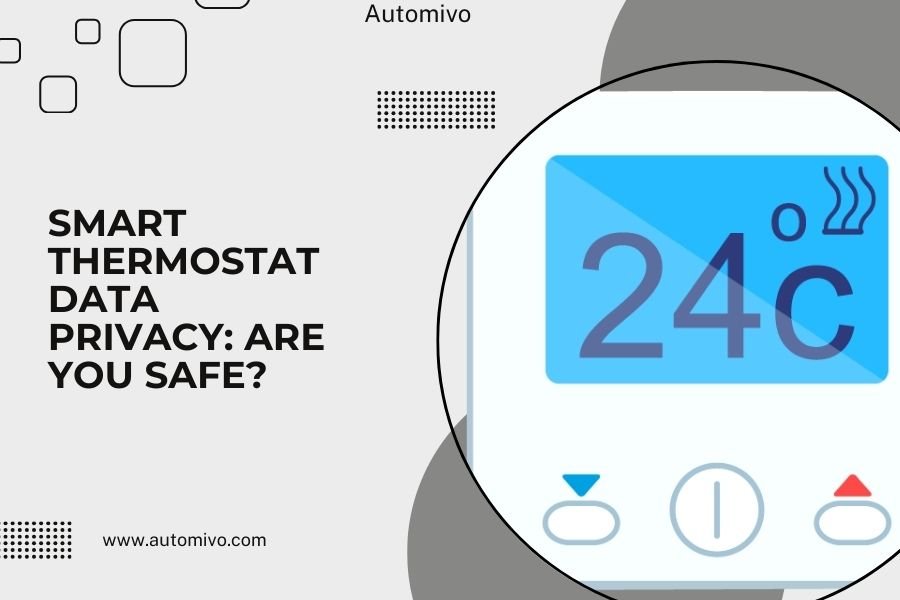
Smart thermostat data privacy risks include potential tracking of your daily routines, energy usage patterns, and home occupancy schedules that companies may share with third parties.
You can protect yourself by reviewing privacy settings, choosing reputable brands, and regularly updating firmware to prevent unauthorized access to your personal data.
What Data Does Your Smart Thermostat Actually Collect?
Your smart thermostat knows more about you than you think. Every time you adjust the temperature, it records when you wake up, leave for work, and come home.
Most devices track your temperature preferences throughout the day. They monitor which rooms you use most often. Some models even detect when you’re home based on your phone’s location.
Temperature and Schedule Patterns
Smart thermostats create detailed profiles of your daily life. They learn when you prefer it cooler at night. They know if you work from home on Wednesdays.
This data helps save energy, but it also reveals your personal habits. Someone could figure out when your house is empty just from your heating patterns.
Location and Movement Data
Many smart thermostats use your phone’s GPS to know when you’re coming home. This feature automatically adjusts temperature before you arrive.
The downside? Your thermostat now tracks your location throughout the day. It knows where you go and how long you stay there.
Voice Commands and Conversations
If your thermostat has voice control, it might be listening more than you realize. Some devices record conversations to improve their voice recognition.
I found that many people don’t know their thermostats have microphones. Check your device specifications to see what yours can hear.
Who Has Access to Your Thermostat Data?
The answer might surprise you. Your data doesn’t just stay with the thermostat company.
The Manufacturing Company
Every smart thermostat company collects user data. They say it helps improve their products and services.
Most companies store this information on their servers. Some keep it for years, even after you stop using their product.
Third-Party Partners
Many thermostat companies share data with business partners. These might include energy companies, marketing firms, or data analytics companies.
From what I read in privacy policies, companies often use vague language about data sharing. They might say they share information with “trusted partners” without naming specific companies.
Government Agencies
Law enforcement can request smart home data through court orders. Your thermostat data could become evidence in legal proceedings.
Research shows that smart home devices have been used in criminal investigations. Your heating patterns might seem innocent, but they can tell a detailed story about your activities.
Common Privacy Risks You Should Know About
Data Breaches and Hacking
Smart thermostats connect to the internet, making them targets for hackers. A security breach could expose your personal routines to strangers.
I found reports of hackers gaining access to smart thermostats and using them to spy on families. Some even changed temperatures to make homes uncomfortable.
Unauthorized Data Sales
Some companies make money by selling user data to advertisers. Your energy usage patterns could help companies target you with specific products.
This practice isn’t always illegal, but it often happens without clear user consent. Many people don’t realize their data has commercial value.
Insurance Company Access
Home insurance companies are increasingly interested in smart home data. They want to know if you’re maintaining appropriate temperatures to prevent pipe freezing or other damage.
While this could lead to discounts for responsible homeowners, it also means another organization is monitoring your behavior.
How to Check Your Current Privacy Settings
Review Your Thermostat App
Open your thermostat’s mobile app and look for privacy or security settings. Most apps have options to control data sharing.
Turn off location tracking if you don’t need automatic temperature adjustments. Disable voice recording features you don’t use.
Read the Privacy Policy
I know privacy policies are boring, but they contain important information about your data. Look for sections about data sharing and retention.
Pay attention to how long companies keep your data. Some delete it after a few months, while others keep it indefinitely.
Check Connected Services
Many smart thermostats connect to other services like Google Assistant or Amazon Alexa. Each connection creates another potential privacy risk.
Review which services have access to your thermostat data. Disconnect any you don’t actively use.
Steps to Protect Your Smart Thermostat Privacy
Choose Privacy-Focused Brands
Not all thermostat companies treat privacy equally. Research shows some brands are more transparent about data collection than others.
Look for companies that offer local data storage options. These devices process information on-site instead of sending it to company servers.
Optimize Your Network Security
Your home Wi-Fi network is the first line of defense. Use strong passwords and enable WPA3 encryption if available.
Consider setting up a separate network for smart home devices. This limits potential damage if one device gets hacked.
Regular Password Updates
Change your thermostat app password every few months. Use a unique password that you don’t use for other accounts.
Enable two-factor authentication if your thermostat app supports it. This adds an extra security layer to your account.
Firmware Updates
Keep your thermostat’s software updated. Manufacturers regularly release security patches to fix vulnerabilities.
Set up automatic updates if possible. This ensures you get security fixes as soon as they become available.
Limit Data Collection
Turn off features you don’t need. If you don’t want location-based temperature control, disable GPS access.
Many thermostats work perfectly fine with minimal data collection. You might lose some convenience features, but you’ll gain privacy.
Smart Thermostat Privacy Comparison
| Privacy Feature | High Privacy | Medium Privacy | Low Privacy |
|---|---|---|---|
| Local Data Storage | Yes | Partial | No |
| Data Sharing Control | Full Control | Limited Options | No Control |
| Third-Party Access | None | Some Partners | Many Partners |
| Voice Recording | Optional | Default On | Always On |
Warning Signs of Privacy Problems
Unexpected App Permissions
Watch out for apps that request more permissions than they need. A thermostat app shouldn’t need access to your camera or contacts.
If an app update suddenly asks for new permissions, read the update notes carefully. Companies sometimes add data collection features without clearly explaining them.
Unusual Network Activity
Monitor your home network for strange traffic patterns. Excessive data uploads from your thermostat might indicate a problem.
Some routers can show you which devices are using the most bandwidth. Your thermostat should only send small amounts of data occasionally.
Targeted Advertising Changes
If you start seeing ads related to your home temperature or energy usage, your thermostat data might be getting shared with advertisers.
This isn’t necessarily illegal, but it shows how your personal information can be used for commercial purposes.
What to Do If Your Privacy Is Compromised
Document the Problem
Take screenshots of any suspicious activity or unauthorized data access. Keep records of when problems started and what changed.
Contact your thermostat company’s customer service. Many privacy issues result from software bugs rather than malicious activity.
Reset and Reconfigure
If you suspect your thermostat has been hacked, reset it to factory settings. This removes any malicious software or unauthorized access.
Reconfigure your privacy settings from scratch. Don’t restore from backups that might contain compromised data.
Consider Professional Help
For serious privacy breaches, consider consulting with a cybersecurity professional. They can help secure your entire smart home network.
Some HVAC companies now offer cybersecurity services specifically for smart home systems. This might be worth the investment for peace of mind.
Future of Smart Thermostat Privacy
New Privacy Regulations
Government agencies are paying more attention to smart home privacy. New laws might give you more control over your thermostat data.
I found that several states are considering legislation specifically for smart home devices. These laws could change how companies handle your information.
Technology Improvements
Newer smart thermostats are being designed with privacy in mind. Some models process all data locally without sending information to company servers.
Edge computing technology allows thermostats to learn your preferences without sharing detailed data externally.
Making the Right Choice for Your Home
Smart thermostats offer real benefits like energy savings and convenience. You don’t have to give up privacy to enjoy these features.
The key is making informed choices about which features to use and which data to share. A little research upfront can save you privacy headaches later.
Remember that you’re in control. You can always adjust privacy settings or switch to a different thermostat if your current one doesn’t meet your privacy standards.
Conclusion
Smart thermostat data privacy doesn’t have to be scary if you know what to look for. Your thermostat collects detailed information about your daily routines, but you can control how that data gets used.
Start by checking your current privacy settings and turning off features you don’t need. Choose thermostats from companies that prioritize user privacy and offer local data storage options.
Keep your device software updated and use strong network security. Monitor for warning signs like unusual permissions requests or suspicious network activity.
The smart home revolution is here to stay, but that doesn’t mean you have to sacrifice your privacy. With the right precautions, you can enjoy the benefits of smart technology while keeping your personal information secure.
Can hackers actually control my smart thermostat remotely?
Yes, hackers can potentially access poorly secured smart thermostats and change temperature settings or access other connected devices on your network. Using strong passwords, regular updates, and secure Wi-Fi networks significantly reduces this risk.
Do smart thermostats work without internet connectivity?
Most smart thermostats continue basic heating and cooling functions without internet, but you lose remote control and smart features. Some models store settings locally and can operate independently for extended periods during internet outages.
How long do companies typically store my thermostat usage data?
Data retention varies by company, ranging from a few months to several years or indefinitely. Check your device’s privacy policy for specific timeframes, and look for options to delete your data or request shorter retention periods.
Can my energy company access my smart thermostat without permission?
Energy companies cannot access your thermostat data without explicit consent, usually through participation in demand response programs or energy efficiency initiatives. Always read agreements carefully before enrolling in utility programs that involve smart home devices.
What happens to my data if the thermostat company goes out of business?
Company privacy policies should address data handling during business changes, but practices vary widely. Your data might be deleted, transferred to another company, or sold as part of business assets. Choose companies with clear data protection commitments and contingency plans.
