
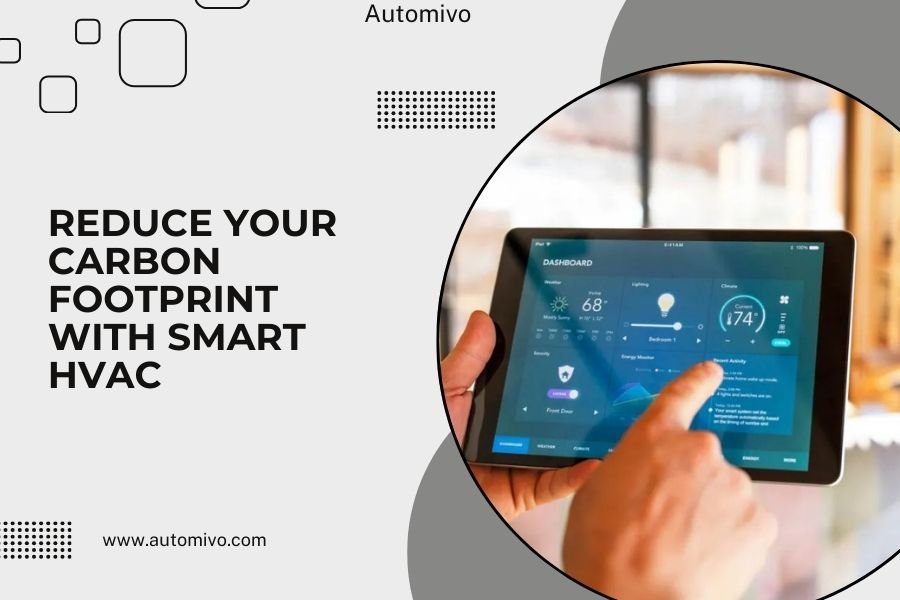
Smart HVAC systems can reduce your carbon footprint by 20-30% through automated temperature control, energy monitoring, and optimized heating and cooling cycles that eliminate waste.
These intelligent systems learn your habits and adjust settings automatically, cutting energy consumption while maintaining comfort in your home year-round.
What Makes Smart HVAC Different From Traditional Systems
Your old thermostat is like a light switch. It’s either on or off. Smart HVAC controls work more like a conductor leading an orchestra.
Traditional systems heat or cool your entire house to one temperature. Smart controls create zones. They sense which rooms need attention and which don’t.
Zone Control Technology
Think of your house as different climate zones. Your bedroom might need cooling while your basement stays comfortable. Smart systems handle each area separately.
This targeted approach stops your HVAC from working overtime. No more heating empty rooms or cooling spaces you’re not using.
Learning Algorithms That Adapt
Smart thermostats study your daily routine. They notice when you leave for work. They track when you go to bed.
After a few weeks, your system starts making changes before you even think about it. It’s like having a personal assistant who knows your schedule.
How Smart Controls Cut Your Energy Use
I researched energy savings data and found that smart HVAC systems typically reduce consumption by 10-23% compared to standard programmable thermostats.
Automatic Schedule Adjustments
Your system learns when to ramp down heating or cooling. It knows you’re gone from 9 AM to 5 PM on weekdays.
Instead of maintaining 72 degrees all day, it might let your home drift to 76 degrees in summer. Then it starts cooling 30 minutes before you return.
Real-Time Energy Monitoring
Smart controls show you exactly how much energy you use each day. Many homeowners don’t realize their old system was such an energy hog until they see the numbers.
You get alerts when usage spikes. Maybe you forgot to change your air filter. Or a window got left open.
Peak Hour Management
Electricity costs more during peak hours (usually 2-7 PM). Smart systems can pre-cool your house in the morning when rates are lower.
Your home stays comfortable during expensive peak hours without running the AC constantly.
Environmental Impact of Smart HVAC Systems
From what I read in Environmental Protection Agency reports, residential heating and cooling accounts for about 13% of total US greenhouse gas emissions.
Reduced Carbon Emissions
When your HVAC uses less energy, power plants burn less fuel. It’s that simple. A 20% reduction in your home’s energy use means 20% less carbon going into the atmosphere.
For an average home, that’s like taking your car off the road for 2-3 months each year.
Grid Efficiency Benefits
Smart systems can communicate with your utility company. During high-demand periods, they voluntarily reduce usage for short periods.
You might not even notice a 2-degree temperature shift for 30 minutes. But when thousands of homes do this together, it prevents power plants from firing up backup generators.
Types of Smart HVAC Controls Available
Smart Thermostats
These are the most common starting point. They replace your existing thermostat and work with most HVAC systems.
Popular models connect to Wi-Fi and let you control temperature from your phone. Some have motion sensors to detect when you’re home.
Learning vs Programmable Models
Learning thermostats observe your habits and create schedules automatically. Programmable ones require you to set up schedules manually.
Learning models work better for people with irregular schedules. Programmable ones cost less and work fine if your routine stays consistent.
Smart Vents and Dampers
These go in your air ducts to control airflow room by room. They open and close based on temperature sensors in each space.
Smart vents work especially well in multi-story homes where upstairs rooms get too hot in summer.
Whole-Home Automation Systems
These connect your HVAC with other smart home devices. Your system talks to window sensors, weather apps, and occupancy detectors.
If a window opens, your HVAC pauses. If rain is coming, it might pre-cool your house before humidity rises.
Installation and Setup Considerations
Compatibility Check
Most smart thermostats work with standard systems. But you need to verify your wiring first.
Older homes might need a “C-wire” (common wire) for power. Many smart thermostats include adapters to solve this issue.
Professional vs DIY Installation
Basic smart thermostat installation takes 30-60 minutes if you’re handy. You’ll need to identify wire colors and follow simple instructions.
Whole-home systems or smart vents usually need professional installation. The wiring gets more complex with multiple zones.
Initial Setup Time
Learning thermostats need 1-2 weeks to understand your preferences. Don’t judge performance during this learning period.
You might need to make manual adjustments while the system figures out your schedule.
Cost Analysis and Payback Period
| Smart HVAC Type | Initial Cost | Annual Savings | Payback Period |
|---|---|---|---|
| Basic Smart Thermostat | $150-$300 | $180-$300 | 1-2 years |
| Advanced Learning Model | $250-$400 | $250-$400 | 1-2 years |
| Multi-Zone System | $1,500-$3,000 | $400-$800 | 2-4 years |
Hidden Cost Savings
Smart systems often catch problems early. You get alerts about dirty filters, unusual energy spikes, or equipment issues.
Early problem detection can prevent expensive repairs. A $30 filter replacement beats a $300 compressor repair.
Maximizing Your Carbon Footprint Reduction
Optimal Temperature Settings
I found that setting your thermostat 7-10 degrees away from outside temperature saves the most energy.
In summer, 78°F feels comfortable once you adjust. In winter, 68°F keeps you warm without waste.
Seasonal Adjustments
Your smart system should shift strategies with the seasons. Spring and fall offer opportunities to use outside air instead of mechanical heating or cooling.
Many smart thermostats have “eco” modes that prioritize efficiency over perfect comfort.
Integration with Renewable Energy
If you have solar panels, smart HVAC can time energy use with peak solar production. Cool your house during sunny midday hours using free solar power.
Some systems connect directly to solar inverters to optimize this timing automatically.
Common Mistakes to Avoid
Over-Controlling the System
Let your smart thermostat do its job. Constantly adjusting settings prevents it from learning your preferences.
Resist the urge to micromanage every degree change during the first few weeks.
Ignoring Air Sealing
Smart controls can’t fix leaky windows and doors. Seal air gaps before installing smart systems for maximum benefit.
Even the smartest thermostat struggles with drafty homes.
Wrong Size Expectations
Smart controls optimize existing equipment. They won’t fix an oversized or undersized HVAC system.
Get a load calculation done if your current system can’t maintain comfortable temperatures efficiently.
Future Developments in Smart HVAC
AI-Powered Optimization
Next-generation systems will predict your needs hours in advance. They’ll consider weather forecasts, your calendar, and local energy prices.
Machine learning will help systems share efficiency strategies across similar homes.
Grid Integration Advances
Smart HVAC will play a bigger role in stabilizing the electrical grid. Your system might earn credits for reducing usage during peak demand.
This creates a win-win situation. You save money while helping prevent blackouts.
Conclusion
Smart HVAC controls offer one of the easiest ways to cut your home’s carbon footprint while saving money. The technology has matured beyond early glitches and now provides reliable, measurable benefits.
Start with a basic smart thermostat if you’re new to home automation. You’ll see immediate energy savings and gain experience with smart home technology. From there, you can add zones, smart vents, or whole-home integration as your needs grow.
The environmental impact adds up quickly. When millions of homes optimize their heating and cooling, it reduces strain on power grids and cuts greenhouse gas emissions significantly. Your comfort doesn’t have to cost the earth.
How long does it take for a smart thermostat to learn my schedule?
Most learning thermostats need 1-2 weeks to understand your routine. They observe when you’re home, when you leave, and your preferred temperatures during different activities. Some advanced models can import your calendar to speed up the learning process.
Will smart HVAC controls work during internet outages?
Yes, smart thermostats continue basic heating and cooling functions without internet. You lose remote access and some advanced features, but your home stays comfortable. The system returns to its learned schedule or basic programming during outages.
Can I install smart HVAC controls in an older home?
Most older homes can accommodate smart thermostats with minor wiring updates. The main requirement is a common wire (C-wire) for power. Many smart thermostats include power adapters that work with older wiring systems without major electrical changes.
Do smart HVAC systems require regular maintenance?
Smart controls need minimal maintenance beyond regular HVAC upkeep. Update software when prompted and replace thermostat batteries annually if applicable. The systems actually help maintain your HVAC by sending filter change reminders and detecting performance issues early.
How much can smart zones reduce energy use in large homes?
Multi-zone smart systems can cut energy use by 25-35% in large homes compared to single-zone systems. The savings increase with home size because you avoid heating or cooling unused areas. Homes over 3,000 square feet see the biggest improvements from zone control technology.
