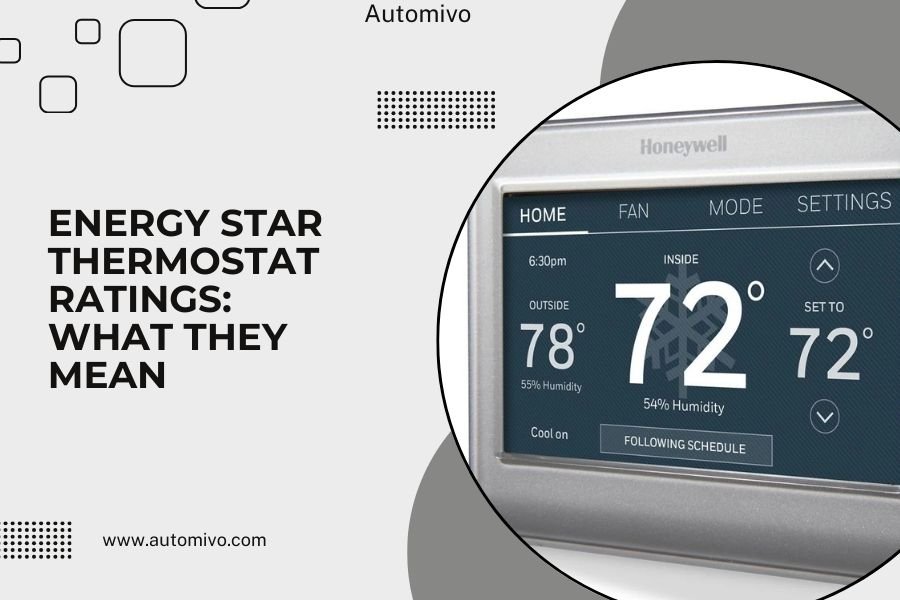
Energy Star thermostat ratings help you identify models that meet strict energy efficiency guidelines set by the EPA, potentially saving you up to 23% on your heating and cooling costs.
These ratings appear on thermostats that automatically adjust temperatures, have scheduling features, and meet specific performance standards for reducing home energy waste.
What Energy Star Actually Means for Your Thermostat
Think of Energy Star like a stamp of approval from your utility bill. When I researched thermostat efficiency standards, I found that Energy Star certified models must pass tough tests before earning their label.
The Environmental Protection Agency sets these standards. They’re not just suggestions – they’re real benchmarks that manufacturers must meet through independent testing.
The Core Requirements Every Certified Model Must Meet
Energy Star thermostats need four main features to qualify:
- Programmable scheduling for at least four periods per day
- Hold or override functions that return to schedule automatically
- Indicators showing when heating or cooling systems are running
- Adaptive recovery that learns how long your home takes to reach target temperatures
Smart Thermostats Get Extra Credit
Smart models face even stricter rules. From what I read in EPA documentation, they must also offer occupancy sensing, wireless connectivity, and monthly energy reports to users.
Why These Ratings Matter to Your Wallet
Here’s where things get interesting for your budget. Research from the EPA shows properly programmed Energy Star thermostats can cut your annual heating and cooling costs by $180 or more.
That’s real money back in your pocket, not just marketing speak. Your heating and cooling system accounts for about 48% of your home’s energy use, so even small improvements add up fast.
The 7-Day Programming Advantage
Most Energy Star models let you set different schedules for weekdays and weekends. This matters because your home life probably looks different on Saturday than Monday morning.
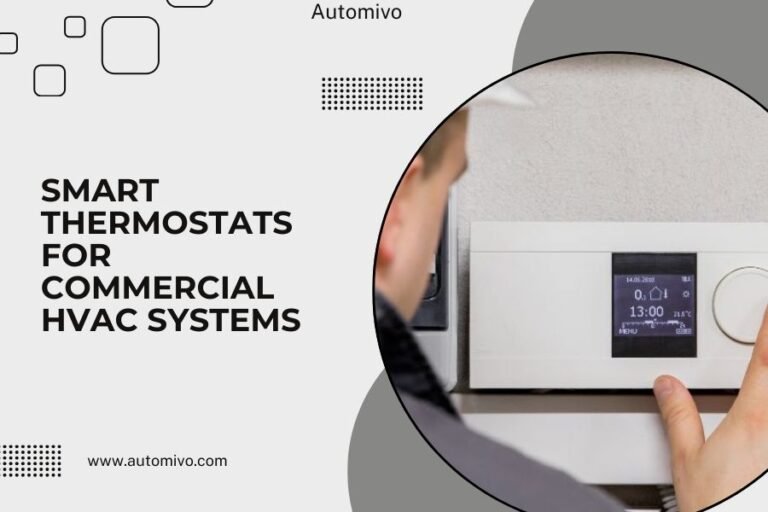
You can automatically lower temperatures when everyone leaves for work and school. Then warm things up right before you return. No more heating an empty house all day.
Setback Savings That Actually Work
I found studies showing that 7-8 degree setbacks for 8-hour periods can save you 10% annually on heating and cooling bills. Energy Star thermostats make this happen automatically.
How to Read the Energy Star Label
The Energy Star label isn’t just decoration. It tells you specific things about what that thermostat can do.
Version Numbers Tell You the Standards
Energy Star updates their requirements every few years. Version 3.0 thermostats meet the most recent standards from 2016. Older versions still save energy, but newer ones do more.
Smart vs Regular Certified Models
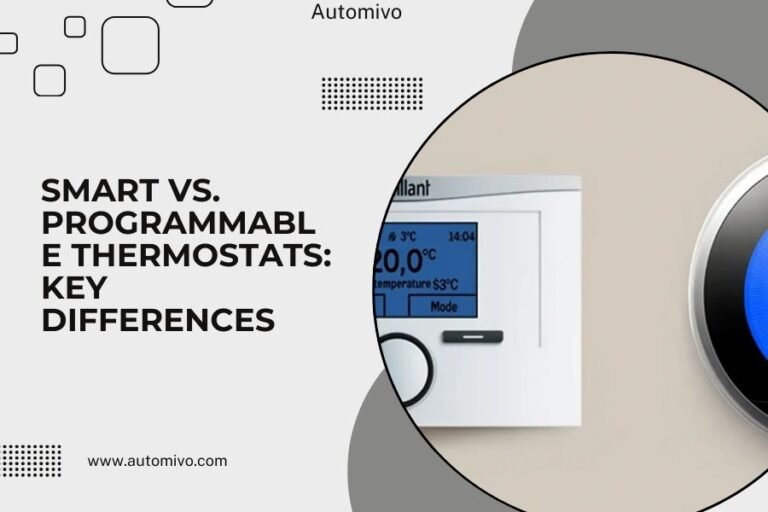
You’ll see two types of Energy Star thermostats. Regular programmable models meet basic efficiency standards. Smart thermostats earn certification plus additional connected device requirements.
| Feature | Regular Energy Star | Energy Star Smart |
|---|---|---|
| Programming | 7-day scheduling | 7-day plus remote control |
| Learning | Adaptive recovery | Occupancy detection |
| Reports | Basic indicators | Monthly energy usage |
| Connectivity | Not required | Wi-Fi enabled |
Testing Standards Behind the Rating
Energy Star doesn’t just take manufacturers’ word for it. Independent labs test these thermostats using real-world scenarios.
The Simulation Process
From what I researched about the testing process, labs simulate typical home heating and cooling patterns. They measure how well thermostats maintain comfort while reducing energy waste.
Tests run for months, not days. This catches problems that only show up with long-term use.
Regional Climate Considerations
Testing includes different climate zones across the United States. A thermostat needs to save energy whether you live in Miami or Minneapolis.
Features That Boost Efficiency Ratings
Certain features help thermostats earn and keep their Energy Star status. Understanding these helps you pick the right model for your home.
Adaptive Recovery Technology
This is like having a thermostat that learns your home’s personality. It figures out how long your house takes to warm up or cool down, then starts systems at just the right time.
No more starting your AC an hour early just to be safe. The thermostat handles the timing automatically.
Filter Change Reminders
Many Energy Star models remind you when to change air filters. Dirty filters make your system work harder and use more energy. These reminders help maintain peak efficiency.
Vacation and Away Settings
Going away for a weekend or longer? Energy Star thermostats include extended away modes that maintain just enough heating or cooling to protect your home without wasting energy.
Common Misconceptions About the Ratings
Not everything people believe about Energy Star thermostat ratings is accurate. Let me clear up some confusion I’ve heard from homeowners.
More Expensive Doesn’t Always Mean More Efficient
I found plenty of basic programmable thermostats with Energy Star ratings that cost under $50. Premium smart models offer convenience features, but they all meet the same core efficiency standards.
Installation Complexity Myths
Energy Star certification doesn’t mean complicated installation. Most certified programmable thermostats install just like standard models. Smart versions need Wi-Fi setup, but the wiring stays the same.
Programming Isn’t Optional for Savings
Here’s the thing many people miss: just buying an Energy Star thermostat won’t automatically save money. You need to actually use the scheduling features to see those advertised savings.
Choosing the Right Energy Star Model
All Energy Star thermostats save energy, but different models work better for different homes and lifestyles.
Match Features to Your Schedule
Do you have a predictable weekly routine? A basic 7-day programmable Energy Star model works great. Irregular schedule? Look for smart models with occupancy sensing and remote control.
Consider Your Current System
Heat pumps, multi-stage systems, and radiant heating need specific thermostat features. Check that your chosen Energy Star model supports your heating and cooling equipment.
Smart Home Integration Options
Energy Star smart thermostats often work with Alexa, Google Assistant, or Apple HomeKit. This matters if you want voice control or integration with other smart home devices.
Maintenance for Continued Efficiency
Your Energy Star thermostat needs occasional attention to keep delivering peak performance and energy savings.
Battery Replacement Timing
Most programmable models use AA batteries as backup power. Replace them annually, even if the low battery indicator hasn’t appeared yet. Dead batteries can reset your programming.
Cleaning and Calibration
Dust buildup affects temperature sensors. Gently clean your thermostat every few months with a soft brush. Some models include calibration features if temperatures seem off.
Rebates and Incentives Available
Many utility companies offer rebates for installing Energy Star certified thermostats. I found programs ranging from $25 to $100 back after installation.
State and Local Programs
Some states include Energy Star thermostats in energy efficiency tax credits. Check your local utility website or call them directly to ask about current offers.
Conclusion
Energy Star thermostat ratings give you a reliable way to identify models that actually save energy and money. These aren’t just marketing labels – they represent real testing standards and proven performance.
The key is choosing a certified model that fits your lifestyle and actually using its programming features. Whether you pick a basic programmable unit or a smart connected model, that Energy Star rating means you’re getting a thermostat designed to cut your energy bills while keeping your home comfortable.
Do all programmable thermostats qualify for Energy Star ratings?
No, only models that meet specific efficiency and feature requirements earn Energy Star certification. Many programmable thermostats lack necessary features like adaptive recovery or proper hold functions that Energy Star requires.
How often does Energy Star update their thermostat requirements?
Energy Star typically updates thermostat specifications every 3-5 years to reflect advancing technology and higher efficiency standards. The current Version 3.0 requirements took effect in 2016.
Can I get Energy Star benefits with a manual thermostat?
No, manual thermostats cannot earn Energy Star certification because they lack automatic programming and scheduling features required for the rating. You need at least basic programmable functions to qualify.
Do Energy Star smart thermostats work during internet outages?
Yes, Energy Star smart thermostats continue basic heating and cooling functions during internet outages. You lose remote control and smart features temporarily, but programmed schedules keep running locally.
Will an Energy Star thermostat work with any HVAC system?
Most Energy Star thermostats work with standard heating and cooling systems, but you need to verify compatibility with your specific equipment. Heat pumps, multi-stage systems, and radiant heating may require particular certified models.