
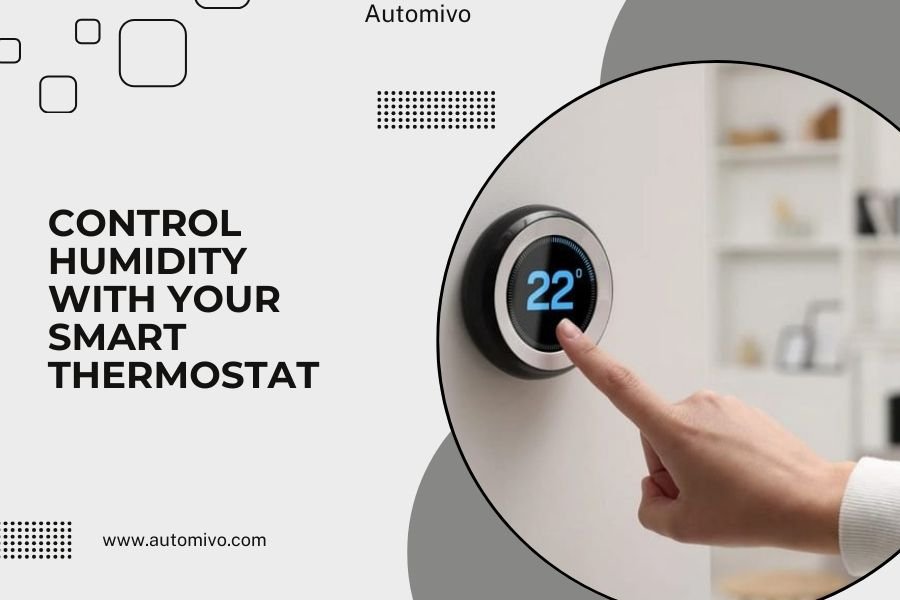
Your smart thermostat can control humidity by automatically adjusting temperature and coordinating with other smart home devices to maintain optimal moisture levels between 30-50%.
Most modern smart thermostats work with whole-home humidifiers and dehumidifiers, giving you precise control over your indoor air quality year-round.
Why Humidity Control Matters in Your Home
You might not think about humidity much, but it affects your comfort every single day. When the air is too dry, you get static shocks, cracked skin, and irritated sinuses. When it’s too humid, you feel sticky and your home becomes a breeding ground for mold.
The sweet spot? Research from the EPA shows that 30-50% relative humidity keeps you comfortable while preventing most moisture-related problems.
Health Benefits of Proper Humidity
I found that maintaining good humidity levels can reduce your risk of respiratory infections. The Mayo Clinic notes that proper moisture levels help your nasal passages filter out bacteria and viruses more effectively.
Your skin stays healthier too. Dermatologists often recommend humidifiers for people with eczema or dry skin conditions.
Home Protection Advantages
Your house benefits just as much as your body. Wood floors and furniture won’t crack when humidity stays stable. Paint lasts longer. Even your books and musical instruments stay in better condition.
I researched home insurance claims and found that humidity-related damage costs homeowners thousands each year. Prevention is always cheaper than repairs.
How Smart Thermostats Handle Humidity Control
Your smart thermostat acts like the brain of your humidity system. It doesn’t just read temperature anymore – modern units monitor moisture levels too.
Most smart thermostats use built-in humidity sensors or connect to external sensors throughout your home. They take readings every few minutes and make tiny adjustments to keep everything balanced.
Built-in Humidity Sensors
Many smart thermostats come with humidity sensors right inside the unit. These sensors measure the moisture in the air near your thermostat.
The downside? Your thermostat might be in a hallway or living room that doesn’t represent your whole house. But it’s still better than no humidity monitoring at all.
Whole-Home Integration
Smart thermostats really shine when they connect to your HVAC system’s humidity equipment. They can control:
- Whole-home humidifiers attached to your furnace
- Dehumidifiers connected to your ductwork
- Heat recovery ventilators that balance fresh air
- Smart vents that redirect airflow
Setting Up Humidity Control on Your Smart Thermostat
Getting started is easier than you might think. Most smart thermostats have humidity settings buried in their menus, but once you find them, setup takes just a few minutes.
Finding Your Humidity Settings
Open your thermostat’s app or touch the display. Look for “Settings,” then “Comfort” or “Indoor Air Quality.” Every brand puts it somewhere slightly different.
You’ll usually see options for “Humidify” and “Dehumidify” with target percentage ranges.
Setting Your Target Ranges
Start with these recommended ranges:
| Season | Ideal Humidity Range | Why This Range Works |
|---|---|---|
| Winter | 30-40% | Prevents condensation on cold windows |
| Summer | 40-50% | Reduces cooling costs, prevents mold |
| Spring/Fall | 35-45% | Comfortable transition levels |
Winter Adjustments
Cold air holds less moisture, so your furnace naturally dries out your home. You’ll probably need to add humidity during heating season.
Be careful not to go too high in winter. I read that excess humidity can cause condensation inside your walls, leading to mold and structural damage.
Summer Considerations
Hot, humid air makes you feel warmer than the actual temperature. Your smart thermostat can run the AC in “dry mode” to remove moisture without over-cooling your home.
This saves energy because you’ll feel comfortable at higher temperatures when humidity is controlled.
Types of Humidity Equipment That Work With Smart Thermostats
Your smart thermostat needs the right equipment to actually change humidity levels. Here’s what works best with most systems.
Whole-Home Humidifiers
These attach directly to your furnace or air handler. When your thermostat calls for more humidity, they add moisture to the air flowing through your ducts.
There are three main types:
- Bypass humidifiers use your furnace’s heat to evaporate water
- Powered humidifiers have their own fan for better output
- Steam humidifiers boil water for the fastest response
Installation Requirements
You’ll need a water line and drainage for most whole-home humidifiers. Many also require a dedicated electrical circuit.
Professional installation usually costs $300-800, but the convenience is worth it for most homeowners.
Whole-Home Dehumidifiers
These work the opposite way – they pull moisture out of your air. Essential if you live in a humid climate or have a damp basement.
Smart thermostats can control dehumidifiers just like humidifiers, turning them on when moisture levels get too high.
Choosing the Right Size
Dehumidifier capacity is measured in pints per day. A typical 2,000 square foot home needs a 70-90 pint unit.
Undersized units run constantly without solving the problem. Oversized units cycle on and off too quickly to work well.
Smart Features That Make Humidity Control Easier
Modern smart thermostats go way beyond basic humidity control. They learn your preferences and adjust automatically.
Seasonal Auto-Adjustment
Your thermostat can change humidity targets based on outdoor temperature. This prevents condensation problems in winter and reduces cooling costs in summer.
Some models even use local weather data to predict when humidity changes are needed.
Room-by-Room Monitoring
If you have smart sensors in different rooms, your thermostat can see humidity variations throughout your home.
Bedrooms might need different humidity than living areas. Basements almost always have different moisture levels than upper floors.
Smart Scheduling
You can program different humidity levels for different times of day. Many people prefer slightly higher humidity while sleeping.
The thermostat can also reduce humidity before you arrive home, so your house feels instantly comfortable.
Troubleshooting Common Humidity Control Problems
Even smart systems sometimes need adjustments. Here are the most common issues I’ve found online and how to fix them.
Humidity Too High Despite Dehumidifier Running
First, check if your dehumidifier is properly sized for your space. If it’s too small, it can’t keep up.
Also look for moisture sources you might have missed. Leaky pipes, poor ventilation, or even houseplants can add significant humidity.
Air Leaks and Insulation
Humid outdoor air entering your home will overwhelm any dehumidifier. Seal gaps around windows, doors, and ductwork.
Poor insulation lets humid air infiltrate through walls and ceilings too.
Humidity Too Low in Winter
This usually means your humidifier needs maintenance or your home is too leaky.
Check the water panel or evaporator pad in your humidifier. Replace it at least once per year, or more often if you have hard water.
Ductwork Issues
Leaky ducts waste the humid air your system creates. Professional duct sealing can improve humidity control and energy efficiency.
I found research showing that typical homes lose 20-30% of their conditioned air through duct leaks.
Energy Savings Through Smart Humidity Control
Proper humidity control can significantly reduce your energy bills. Here’s how smart thermostats make this happen.
Reduced Cooling Costs
When humidity is controlled, you feel comfortable at higher temperatures. Every degree you raise your thermostat saves about 6-8% on cooling costs according to the Department of Energy.
Smart thermostats optimize this by running your AC in moisture-removal mode when needed, instead of just cooling.
Heating Efficiency Improvements
Proper humidity makes you feel warmer at lower temperatures. You can often set your winter thermostat 2-3 degrees lower while maintaining comfort.
The energy savings add up quickly over a heating season.
Equipment Longevity
Balanced humidity reduces wear on your HVAC system. Components last longer when they’re not fighting extreme moisture conditions.
Your air conditioner won’t have to work as hard to remove excess humidity. Your furnace won’t dry out as much in winter.
Popular Smart Thermostat Models for Humidity Control
Not all smart thermostats handle humidity equally well. Here are the features to look for when shopping.
Essential Features to Consider
Make sure your chosen thermostat can control both humidifiers and dehumidifiers. Some budget models only monitor humidity without controlling it.
Look for models that support multiple humidity zones if you have a larger home.
App Control and Monitoring
Your thermostat’s app should show current humidity levels and let you adjust targets remotely. Some apps even send alerts when humidity gets too high or low.
Historical data helps you spot patterns and optimize your settings over time.
Professional vs DIY Installation
Installing the thermostat itself is often DIY-friendly. But connecting humidity equipment usually requires professional help.
Whole-home humidifiers and dehumidifiers need water lines, drains, and electrical connections that most homeowners shouldn’t attempt.
Maintenance Tips for Long-Term Success
Smart humidity control works best when your equipment stays properly maintained. Here’s what you need to do regularly.
Monthly Tasks
Check your humidity levels in different rooms. If they vary dramatically, you might need additional sensors or equipment adjustments.
Clean or replace air filters monthly during peak seasons. Dirty filters reduce airflow and humidity control effectiveness.
Seasonal Maintenance
Replace humidifier water panels or evaporator pads at the start of each heating season. Clean dehumidifier coils and empty drain pans before cooling season starts.
Calibrate your humidity sensors annually. Most smart thermostats have calibration options in their settings menus.
Professional Service
Have your humidity equipment serviced annually along with your regular HVAC maintenance. Technicians can spot problems before they become expensive repairs.
They’ll also optimize your system’s performance and suggest improvements.
Conclusion
Controlling humidity with your smart thermostat transforms your home’s comfort and protects your health. The technology is more accessible than ever, with most modern smart thermostats offering robust humidity management features.
Start by setting appropriate target ranges for your climate and season. Connect whole-home humidity equipment for the best results, and don’t forget regular maintenance to keep everything running smoothly.
Your investment in smart humidity control pays dividends through lower energy bills, better health, and a more comfortable home year-round. The technology continues improving, making precise humidity control available to any homeowner willing to upgrade their thermostat.
Can I control humidity without a whole-home humidifier or dehumidifier?
Yes, but with limited effectiveness. Your smart thermostat can use your existing HVAC system to remove some moisture by running longer cooling cycles or adjusting fan settings, but dedicated humidity equipment works much better for precise control.
How accurate are the humidity sensors in smart thermostats?
Most built-in sensors are accurate within 3-5%, which is sufficient for comfort control. For better accuracy, add remote sensors in multiple rooms or calibrate your thermostat’s sensors annually using a separate humidity meter.
Will controlling humidity increase my energy bills significantly?
Initially, yes, but the long-term savings usually offset the costs. Proper humidity lets you set your thermostat at more efficient temperatures while maintaining comfort, reducing overall HVAC runtime and energy consumption.
How often should I change my humidity targets throughout the year?
Smart thermostats can adjust automatically based on outdoor temperature, but manual adjustments 2-3 times per year work well. Lower targets in winter prevent condensation, higher targets in summer improve cooling efficiency.
What happens if my humidity equipment breaks and my smart thermostat doesn’t know?
Most smart thermostats will alert you when humidity levels stay outside your target range for extended periods. Some advanced models can detect equipment failures and send specific maintenance alerts to your phone.
