Smart HVAC for older homes requires strategic upgrades to existing ductwork, electrical systems, and thermostats without major renovations.
You can retrofit most homes built before 1990 with modern smart controls, zoning systems, and efficient equipment using careful planning and the right approach.
Why Your Older Home Needs Smart HVAC Upgrades
Your older home was built for a different era. Back then, energy costs were low and comfort expectations were basic. Today, you’re paying the price with high utility bills and uneven temperatures.
I found that homes built before 1980 waste 30-40% more energy than modern homes (Department of Energy). The good news? You don’t need to tear down walls to fix this.
Smart HVAC retrofits can cut your energy bills by 15-25% within the first year. More importantly, you’ll finally get consistent comfort in every room.
Common Challenges in Older Home HVAC Systems
Outdated Electrical Systems
Many older homes run on 100-amp electrical panels. Smart HVAC systems need reliable power and sometimes additional circuits.
Your biggest concern? Old wiring might not handle modern equipment loads safely. I researched this issue and found most homes need at least 200-amp service for full smart home integration.
Ductwork Problems
Old ducts leak air like a sieve. Research shows that typical older homes lose 20-30% of heated or cooled air through duct leaks (EPA).
You’ll also find ducts in the wrong places. Many run through unconditioned spaces like crawlspaces or attics. This makes temperature control nearly impossible.
Insulation Issues
Older homes often have little or no insulation. Your smart thermostat will work overtime trying to maintain temperature in a poorly insulated space.
Think of it like trying to fill a bucket with holes in it. The smart controls are great, but you need to fix the foundation first.
Smart Thermostat Installation for Older Homes
Checking Your Current Wiring
Pull off your old thermostat and count the wires. You need at least four wires for most smart thermostats. Many older homes only have two or three.
Don’t panic if you’re short on wires. You have options that don’t require rewiring your entire house.
Wire Solutions That Actually Work
Add a common wire (C-wire) using existing unused wires in your thermostat cable. Most old installations have extra wires bundled up behind the wall.
If that doesn’t work, try a wireless adapter kit. These send power to your smart thermostat without new wiring.
Best Smart Thermostats for Retrofits
Some thermostats work better with older systems than others. I found these models handle retrofit challenges well:
- Ecobee SmartThermostat – works with most older HVAC systems
- Honeywell T9 – good for homes without C-wire
- Nest Learning – adapts to irregular heating patterns
Upgrading Your HVAC Equipment
When to Replace vs Retrofit
Your furnace or air conditioner might be older than your car. How do you know when to upgrade versus adding smart controls?
Replace equipment that’s over 15 years old or needs frequent repairs. Retrofit newer systems that still run efficiently.
Smart Equipment Options
Variable-speed furnaces work great in older homes because they adjust output gradually. This prevents the temperature swings common with oversized equipment.
Heat pumps can work in older homes, but you need proper insulation first. Without it, you’re just moving cold air around on winter days.
Sizing Equipment Correctly
Many older homes have oversized equipment. Previous owners thought bigger was better. They were wrong.
Oversized systems cycle on and off too quickly. This wastes energy and creates hot and cold spots throughout your home.
Adding Smart Zoning Systems
Why Zoning Fixes Old Home Problems
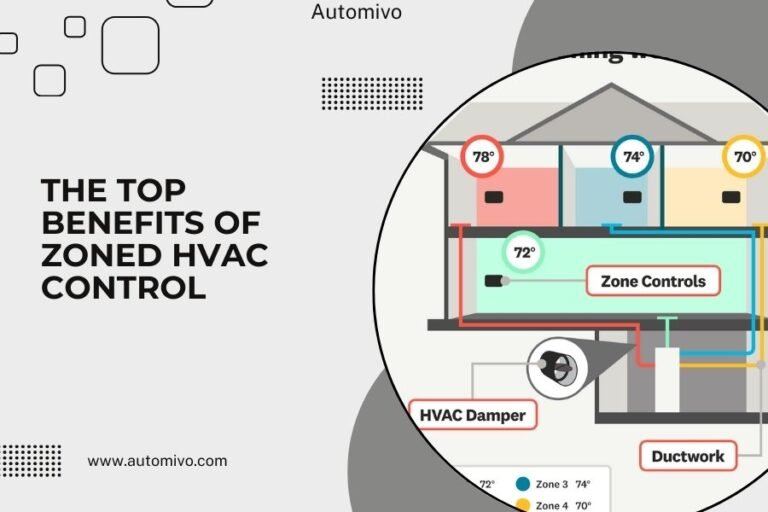
Your older home probably has rooms that are always too hot or too cold. Zoning systems solve this by controlling airflow to different areas independently.
Think of it like having separate light switches for each room instead of one switch for the whole house.
Retrofit Zoning Options
Motorized dampers fit inside your existing ductwork. They open and close based on temperature sensors in each zone.
Ductless mini-splits offer another zoning solution. They don’t use your existing ducts at all. Each indoor unit controls one area of your home.
Smart Vents as a Budget Option
Smart vents cost less than full zoning systems. They replace your existing floor or wall vents and control airflow automatically.
I researched their effectiveness and found mixed results. They work well for minor temperature differences but struggle with major hot and cold spots.
Improving Ductwork for Smart Controls
Sealing Air Leaks
Your smart thermostat can’t work miracles if half your conditioned air escapes through duct leaks. Sealing comes first, then smart controls.
Professional duct sealing uses pressurized systems to find and seal leaks from the inside. This works better than crawling around with duct tape.
DIY Sealing Methods
You can seal visible ductwork yourself using mastic sealant. It looks like thick paint but stays flexible as ducts expand and contract.
Skip the duct tape for actual duct sealing. It fails quickly in hot attics and cold crawlspaces.
Adding Return Air Paths
Many older homes have poor return air circulation. You might have one central return for the whole house. This creates pressure imbalances that fight against your smart zoning efforts.
Adding return vents or jump ducts helps air circulate properly. Your smart system will work much better with balanced airflow.
Smart HVAC Integration with Home Automation
Connecting to Your Smart Home Hub
Your smart thermostat should talk to other devices in your home. This creates automatic responses that save energy and improve comfort.
For example, your system can reduce heating when smart window sensors detect an open window. Or it can precool your home when your smart electric meter signals peak pricing hours.
Popular Integration Platforms
Amazon Alexa, Google Assistant, and Apple HomeKit all work with major smart thermostat brands. Choose based on what other smart devices you already use.
Smart Sensors and Monitoring
Remote temperature sensors help smart thermostats make better decisions in older homes. Place them in rooms where you spend the most time.
Indoor air quality sensors detect issues common in older homes like high humidity or poor ventilation. Your smart system can respond automatically.
Budget-Friendly Retrofit Strategies
Phased Upgrade Approach
You don’t need to upgrade everything at once. Start with a smart thermostat and basic duct sealing. Add more features as budget allows.
This approach lets you see results quickly while spreading costs over time. Each upgrade builds on the previous ones.
Priorities for Maximum Impact
Start with air sealing and insulation improvements. These provide the biggest bang for your buck and make all other upgrades work better.
Add smart controls next, then consider zoning systems or equipment replacement as needed.
DIY vs Professional Installation
Smart thermostats and basic duct sealing work well as DIY projects. Electrical work and major equipment installation require professional help.
Many utility companies offer rebates for professional energy audits and upgrades. Check what’s available in your area before starting work.
Addressing Insulation Before Smart Controls
Why Insulation Comes First
Smart HVAC controls optimize an existing system. If your home can’t hold conditioned air, even the smartest controls will struggle.
I found that homes with poor insulation need 40-50% more heating and cooling energy (Department of Energy). Smart controls might save 15-20%, but proper insulation saves much more.
Quick Insulation Wins
Attic insulation gives the biggest return on investment. Most older homes need 12-15 inches of insulation in the attic.
Air sealing around windows, doors, and electrical outlets stops conditioned air from escaping. Use caulk and weatherstripping for quick fixes.
Common Installation Mistakes to Avoid
Skipping the Energy Audit
Many homeowners jump straight to smart equipment without understanding their home’s specific problems. This leads to expensive solutions that don’t fix the real issues.
A professional energy audit costs $300-500 but can save thousands by identifying the most effective upgrades for your specific situation.
Thermostat Placement Problems
Your old thermostat might be in a terrible location. Don’t assume the same spot works for smart controls.
Avoid locations near windows, doors, air vents, or heat sources like lamps and TVs. These create false readings that confuse smart algorithms.
Ignoring Humidity Control
Older homes often have humidity problems that temperature-only controls can’t fix. High humidity makes you feel warmer, leading to overcooling and energy waste.
Consider smart thermostats with humidity sensing or separate whole-house dehumidifiers for better comfort control.
Conclusion
Smart HVAC retrofits transform older homes into comfortable, efficient spaces without major renovations. Start with basic improvements like air sealing and insulation, then add smart controls that work with your existing systems. Take a phased approach to spread costs while seeing immediate benefits. Your older home can achieve modern comfort and efficiency with the right combination of smart technology and foundational improvements. The key is addressing underlying issues first, then adding intelligence to optimize what you have.
Can I install a smart thermostat if my home only has two thermostat wires?
Yes, you can use wireless power adapters or power extender kits that work with two-wire systems. Some smart thermostats also include power-sharing features that eliminate the need for additional wiring.
How much can smart HVAC controls save on energy bills in older homes?
Smart controls typically save 10-15% on energy bills, but older homes can see savings up to 25% when combined with basic air sealing and insulation improvements.
Do I need to replace my old furnace to use smart controls?
Most furnaces and air conditioners built after 1990 work fine with smart thermostats. Systems older than 25 years may need compatibility checks, but replacement isn’t always necessary.
What’s the best order for upgrading HVAC in an older home?
Start with air sealing and insulation, then install a smart thermostat, followed by duct sealing and zoning if needed. Replace major equipment only when repair costs exceed replacement benefits.
Can smart vents replace a full zoning system in older homes?
Smart vents work for minor temperature adjustments but can’t overcome major airflow problems common in older homes. Full zoning systems with motorized dampers provide better results for significant comfort issues.