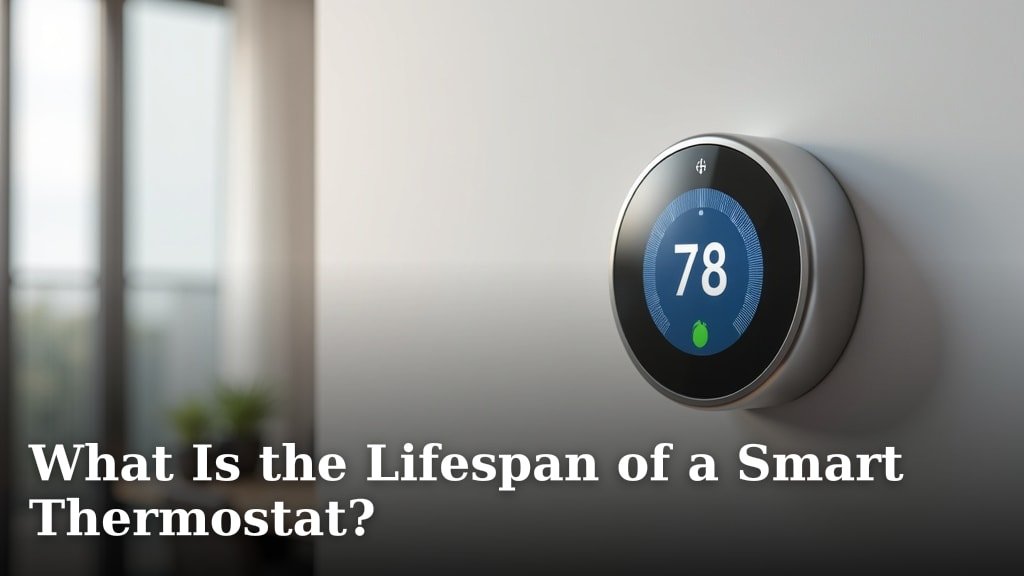
Most smart thermostats last between 7 to 10 years. This lifespan is similar to traditional thermostats. Factors like installation quality and usage can affect how long yours will function. It’s a good investment for your home’s comfort and energy savings.
You might be wondering if your smart thermostat is nearing its end of life. Signs include inaccurate temperature readings or connectivity issues. Understanding the expected lifespan helps you plan for replacement and avoid unexpected heating or cooling problems. Many experts agree that regular maintenance can extend device life.
- Smart thermostats typically last 7-10 years.
- Lifespan depends on installation and usage.
- Watch for signs of aging like poor performance.
- Planning for replacement avoids discomfort and energy waste.
So, what does this mean for you and your home? Let’s dive into the details of smart thermostat longevity and what you can do to get the most out of yours.
How Long Do Smart Thermostats Really Last?
You’re probably wondering how long your smart thermostat will keep your home comfortable. Most smart thermostats have an expected lifespan of about 7 to 10 years. This is pretty comparable to older, non-smart thermostats you might have used before. So, while they offer more features, they don’t necessarily wear out much faster. Your specific experience can vary based on a few key things.
Factors Influencing Your Smart Thermostat’s Lifespan
Several elements play a role in determining how long your smart thermostat will serve you well. Think of it like caring for any electronic device in your home. A little attention and proper setup can go a long way.
Installation Quality Matters
Getting your smart thermostat installed correctly is a big deal. If the wires aren’t connected properly, or if the device isn’t mounted securely, it can lead to performance issues. Sometimes, this can even shorten its lifespan. It’s often recommended to have a professional installer do the job, especially if you’re not comfortable with DIY electrical work. They’ll ensure everything is hooked up right the first time, saving you potential headaches later on. Hiring a professional installer can ensure proper setup, which is crucial for the longevity of your smart thermostat.
Usage Patterns and Environment
How you use your smart thermostat and the environment it’s in can also impact its longevity. Devices exposed to extreme temperatures, humidity, or dust might not last as long. If your thermostat is in a particularly sunny spot, the internal components can get hotter. Likewise, constant manual adjustments, while sometimes necessary, can put a bit more strain on the device’s internal workings compared to letting its smart features manage the temperature automatically.
Software Updates and Manufacturer Support
Many smart thermostats rely on regular software updates from the manufacturer. These updates not only add new features but also fix bugs and improve performance. If a manufacturer stops supporting a particular model with updates, its functionality might eventually degrade or become incompatible with newer home systems. We found that manufacturers with a solid track record of ongoing support tend to help their devices last longer in practical terms.
Power Source and Battery Life
Most smart thermostats draw power directly from your HVAC system’s wiring. However, some might use batteries as a backup or primary power source. If your device relies on batteries, you’ll need to replace them periodically. The quality and type of batteries used can affect how often you need to swap them out, and in rare cases, faulty batteries can even cause damage to the thermostat’s circuitry. Most modern smart thermostats are designed for efficient power use.
When to Suspect Your Smart Thermostat Is Aging
Even with the best care, all electronics eventually show their age. You might notice a few tell-tale signs that your smart thermostat is nearing the end of its functional life. Catching these early can help you plan for a replacement before you’re left in an uncomfortable house.
Performance Degradation
One of the first indicators can be a drop in performance. Does it seem slower to respond to commands? Are the touch screen or buttons less reliable? If your smart thermostat is taking longer to boot up or register your touch, it could be a sign of aging components. We found that these kinds of glitches are often some of the earliest warnings.
Inaccurate Temperature Readings
Is your home consistently warmer or cooler than what your thermostat displays? Inaccurate temperature readings are a common symptom of an aging thermostat. The sensors inside can become less precise over time. This can lead to your heating or cooling system running more than it should, wasting energy and making your home uncomfortable. Some users report this as a primary reason for upgrading.
Connectivity Issues
Smart thermostats are all about staying connected. If you’re frequently losing Wi-Fi connection, or if your thermostat is struggling to communicate with your smartphone app, it might be a sign of an internal hardware problem. Sometimes, it’s a simple network issue, but if it persists despite troubleshooting your Wi-Fi, the thermostat itself could be the culprit. The internal Wi-Fi chip might be degrading.
System Malfunctions and Errors
Are you seeing error messages on the screen that weren’t there before? Does your heating or cooling system behave erratically, turning on and off unexpectedly or not at all? These system malfunctions could be directly linked to a failing thermostat. It’s the brain of your home’s climate control, so when it’s not functioning correctly, the whole system can suffer.
Extending the Life of Your Smart Thermostat
While you can’t stop time, you can take steps to help your smart thermostat reach its expected lifespan and maybe even go beyond it. Think of it as giving it a little extra TLC.
Regular Cleaning
Dust and grime can accumulate on electronic devices, including your thermostat. A gentle cleaning every few months can help. Use a soft, dry microfiber cloth to wipe down the screen and casing. For any stubborn spots, slightly dampen the cloth with water, but never spray liquid directly onto the device. Ensure it’s unplugged or the power is off before cleaning.
Avoid Extreme Environments
Try to ensure your thermostat isn’t placed in an area with drastic temperature fluctuations or excessive humidity. For instance, avoid mounting it directly above a radiator or in a spot that gets direct, intense sunlight all day. Good placement is key to maintaining a stable internal operating temperature.
Keep Software Updated
As mentioned earlier, software updates are vital. Make sure your smart thermostat is connected to your Wi-Fi and that automatic updates are enabled if possible. Checking the manufacturer’s app or website periodically for manual updates is also a good practice. This ensures you have the latest features and security patches, which can also contribute to stability and longevity.
What Happens When a Smart Thermostat Dies?
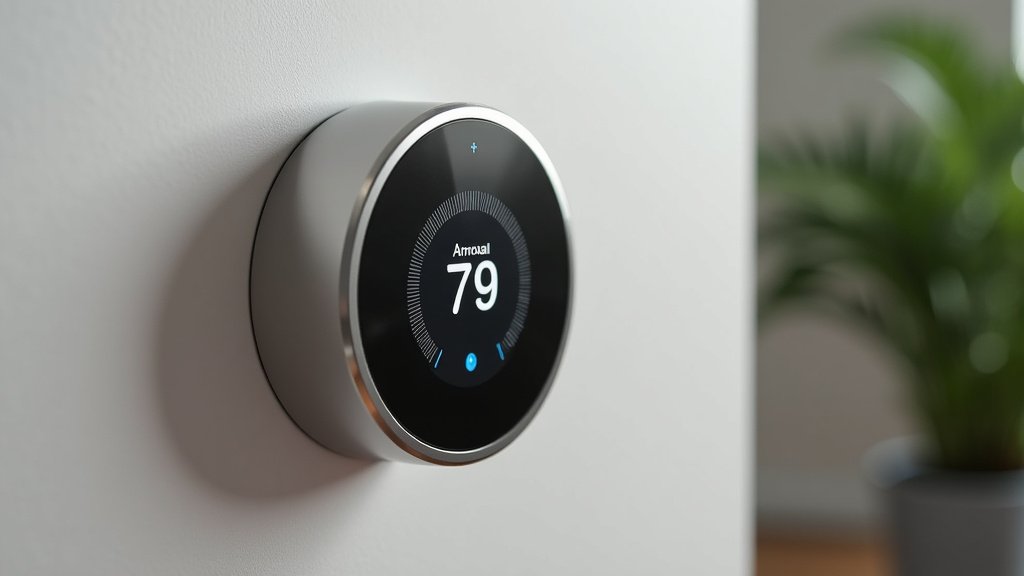
If your smart thermostat completely gives up the ghost, your HVAC system will likely revert to a default mode or stop working altogether. Many systems have a fail-safe, but it’s usually a very basic, inefficient setting. You might find yourself with no heating or cooling, which is certainly an uncomfortable situation, especially during extreme weather. This is why being aware of the signs of aging is so important.
Making the Decision to Replace
When you notice persistent issues that can’t be fixed by troubleshooting or updates, it’s probably time to consider a replacement. If the cost of repairs starts to approach the cost of a new unit, or if the device is consistently failing to keep your home at the desired temperature, replacement is usually the most sensible option. A new smart thermostat can offer improved energy efficiency and better smart home integration, too. When it’s time for a replacement, understanding the cost of a new smart thermostat can help you budget effectively.
A Quick Checklist for Thermostat Longevity
Here’s a handy checklist to help you keep your smart thermostat in good shape:
- Clean it regularly: Dust and grime are enemies of electronics.
- Check for software updates: Keep it running smoothly and securely.
- Monitor its performance: Watch for slow responses or glitches.
- Note temperature accuracy: Ensure it’s reading the room correctly.
- Observe Wi-Fi stability: Reliable connection is key for smart features.
- Consider its age: If it’s 7+ years old, start thinking about replacement.
Conclusion
Your smart thermostat is a reliable home companion, typically lasting between 7 to 10 years. By understanding the factors that influence its lifespan—like installation quality and environmental conditions—you can help it perform optimally. Watching for signs of aging, such as inconsistent temperature readings or connectivity issues, will help you plan for a smooth replacement. Regular maintenance and keeping its software updated are simple yet effective ways to maximize its service life. When it’s time for an upgrade, you’ll be ready to enjoy new advancements in home comfort and energy savings, ensuring your home remains comfortable and efficient for years to come.
Frequently Asked Questions
Can a smart thermostat really last 10 years?
Yes, a smart thermostat can realistically last for 10 years or even longer. This lifespan is achieved through proper installation, regular software updates, and avoiding extreme environmental conditions. Manufacturers design them for durability, similar to other home appliances. Keeping it clean and ensuring it has stable power are key.
What should I do if my smart thermostat stops connecting to Wi-Fi?
First, try troubleshooting your home Wi-Fi network and restarting your router and thermostat. If the problem persists after checking your network, it might indicate an internal hardware issue with the thermostat itself. This could be a sign that it’s aging and might need replacement soon. You can also check your manufacturer’s support resources for specific guidance.
Is it worth repairing an old smart thermostat?
Repairing an old smart thermostat is usually only worth it if the issue is minor and inexpensive to fix. If you’re facing frequent malfunctions or if the cost of repair is approaching the price of a new unit, replacement is typically the better financial decision. Newer models also offer better energy efficiency and features.
How does extreme heat or cold affect my smart thermostat’s lifespan?
Extreme temperatures, whether hot or cold, can stress the internal components of your smart thermostat. Prolonged exposure to excessive heat, especially from direct sunlight, can degrade electronics faster. Similarly, extreme cold can impact battery performance if your unit uses them. It’s best to ensure your thermostat is installed in a location with a stable, moderate temperature.
Will my smart thermostat stop working completely when it dies?
When a smart thermostat reaches the end of its life, it might not necessarily stop working completely all at once. More often, you’ll notice gradual performance issues like inaccurate readings or connectivity problems. In some cases, it may fail to control your HVAC system properly, leaving you without heating or cooling. Some systems have a basic fail-safe, but it’s usually inefficient.
