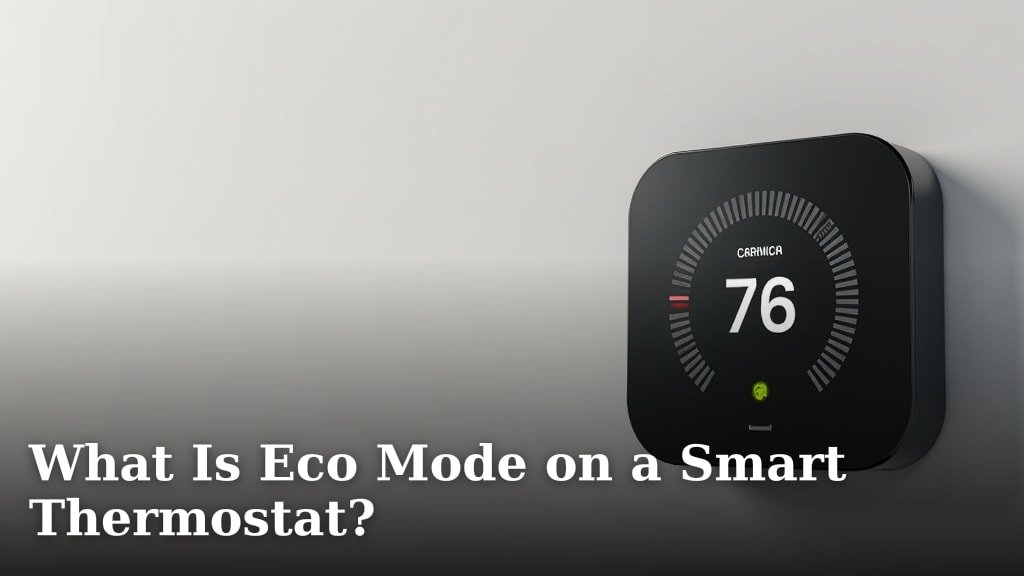
Eco Mode on a smart thermostat is a special setting designed to save energy and reduce your utility bills. It works by automatically adjusting your home’s temperature when you’re away or asleep. Think of it as your home’s smart, energy-saving assistant.
Many smart thermostats offer this feature to help homeowners become more energy efficient. It’s a simple way to make your HVAC system work smarter, not harder. You can often customize its behavior to fit your lifestyle. This means you can get savings without sacrificing comfort.
- Eco Mode is a smart thermostat setting.
- It helps save energy and money.
- It adjusts temperatures automatically.
- It’s designed for when you’re not home.
- You can often customize its settings.
Let’s dive into what makes Eco Mode so effective and how you can make the most of it for your home.
Understanding Your Smart Thermostat’s Eco Mode
Eco Mode is a smart setting designed to automatically adjust your home’s temperature. It does this when you’re away or asleep. The main goal is to conserve energy and lower your utility bills. Think of it as your home’s thermostat taking a short break when it’s not needed. It helps your HVAC system work more efficiently.
How Eco Mode Works to Save You Money
Eco Mode essentially tells your thermostat to be a bit more relaxed with temperature settings. When you’re out of the house or when everyone’s fast asleep, there’s no need to keep your home at a super precise temperature. Eco Mode will then either nudge the temperature up a few degrees in the summer or down a few degrees in the winter. This small change can lead to substantial energy savings over time. It’s like turning down the lights in a room you’re not using.
The Science Behind Energy Savings
Heating and cooling your home accounts for a large portion of your energy use. The U.S. Department of Energy reports that HVAC systems can use about half of a home’s energy budget. When your thermostat maintains a set temperature unnecessarily, your system runs more. By allowing a slightly wider temperature range in Eco Mode, you reduce the run time of your heating and cooling equipment. Less run time means less energy consumed. Many energy experts agree that temperature setbacks are a proven method for saving energy.
Automatic Adjustments for Your Convenience
One of the best parts about Eco Mode is its automation. You don’t have to remember to manually adjust your thermostat when you leave. Most smart thermostats use a combination of sensors and scheduling to determine when to engage Eco Mode. Some models can even detect when your phone leaves a certain geographic area, triggering Eco Mode. Others rely on your programmed schedule. This means you can save energy without lifting a finger.
When Does Eco Mode Typically Kick In?
Eco Mode is most effective when your home is empty or when comfort needs are minimal. Here are the most common times it’s designed to activate:
- When You’re Away: If you have a predictable schedule, your thermostat can switch to Eco Mode when you typically leave for work or errands.
- During Sleep: Most people can comfortably sleep with slightly cooler or warmer temperatures than they prefer while awake. Eco Mode can adjust accordingly.
- Extended Absences: For vacations or longer trips, you can often set your thermostat to a more aggressive Eco Mode. This maximizes savings while you’re gone.
- When Nobody’s Home: Some advanced systems use occupancy sensors. They can switch to Eco Mode as soon as they detect no one is in the house.
Customizing Eco Mode for Your Lifestyle
While Eco Mode is set up for savings, it doesn’t mean you have to be uncomfortable. Most smart thermostats allow you to customize the temperature range for Eco Mode. You can decide how many degrees you’re willing to deviate from your regular set points.
Setting Your Preferred Temperature Ranges
Your smart thermostat will likely have default settings for Eco Mode. However, we found that these defaults might not be perfect for everyone. You can usually access these settings through your thermostat’s app or on the device itself. You’ll typically set an “Eco Temperature” for heating and another for cooling.
Finding the Right Balance for Heating
During colder months, your regular thermostat might be set to 70°F. In Eco Mode, you might choose to let it dip to 65°F or 66°F. This is often still comfortable when you’re asleep or away. Many experts suggest a setback of 7-10°F when you’re not home can yield significant savings (U.S. Department of Energy).
Finding the Right Balance for Cooling
In the summer, your regular cooling might be set to 72°F. An Eco Mode setting of 76°F or 78°F can save a lot of energy. While it might feel a bit warmer, it’s often manageable, especially if you’re not actively using the space. Keeping your home from getting too hot is key. This prevents your AC from having to work extra hard to cool it down later.
Using Schedules and Geofencing Effectively
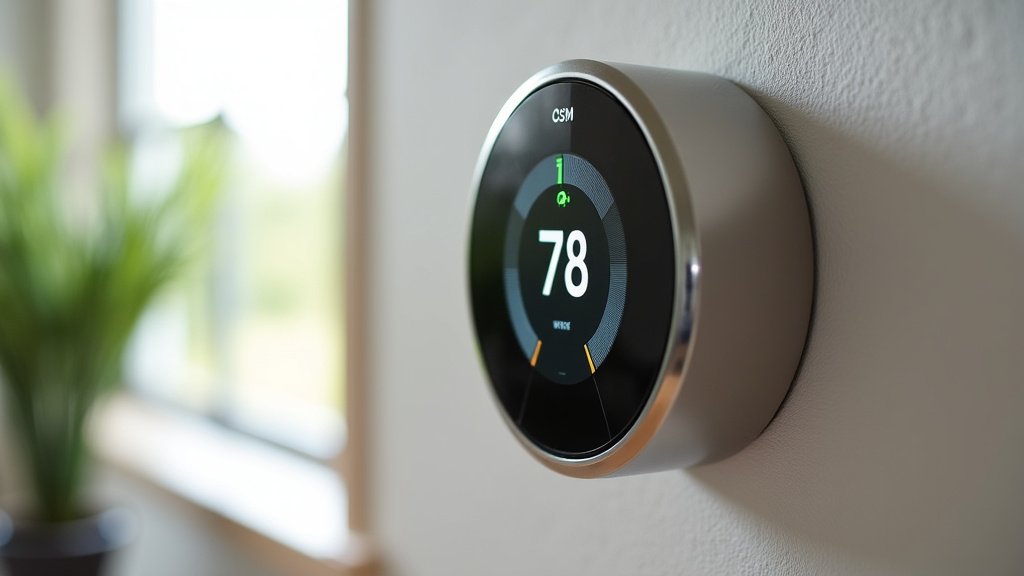
Smart thermostats offer sophisticated ways to manage your comfort and savings. Scheduling is a fundamental feature. You can program specific temperatures for different times of the day and days of the week. For example, you can set a cooler temperature overnight and a warmer temperature during your workday. Geofencing uses your smartphone’s location. It automatically triggers Eco Mode when you leave a predefined area around your home. This is great for those with unpredictable schedules. It ensures savings without you having to think about it. Learn how to program a smart thermostat schedule for optimal performance.
Benefits of Using Eco Mode
Beyond just saving money, using Eco Mode on your smart thermostat offers several advantages. It’s a simple way to make your home more energy-efficient and contribute to a greener lifestyle.
Reduced Energy Consumption
This is the primary benefit. By minimizing unnecessary heating and cooling, you directly reduce your home’s energy footprint. This is good for your wallet and the environment. Organizations like the Environmental Protection Agency (EPA) encourage energy-saving practices for homes.
Lower Utility Bills
Less energy usage translates directly into lower monthly bills. We found that consistently using Eco Mode can lead to noticeable savings. The exact amount depends on your climate, home insulation, and thermostat settings. However, the potential for significant cost reduction is real.
Extended HVAC System Lifespan
When your heating and cooling systems run less often, they experience less wear and tear. This can potentially extend the lifespan of your equipment. Regular maintenance is still essential, of course. But reducing overall usage is a smart way to care for your HVAC investment.
When Might Eco Mode Not Be Ideal?
While Eco Mode is generally beneficial, there might be a few situations where you’ll want to be cautious or adjust its settings.
Extremely Sensitive Comfort Needs
If you or someone in your household has very specific temperature requirements for comfort or health reasons, you might need to set a narrower temperature range for Eco Mode. For example, some individuals with certain medical conditions may need their environment kept within very precise temperature parameters (CDC guidelines often address environmental factors for health). In such cases, you might opt for less aggressive savings.
Very Old or Inefficient Homes
Homes with poor insulation or older, less efficient HVAC systems might struggle to get back to your desired temperature quickly after being in Eco Mode. If your system takes a very long time to heat or cool your home from an Eco Mode setting, you might want to tighten the Eco Mode temperature range. This ensures your system can catch up efficiently when you return to a comfort setting.
Frequent, Unpredictable Schedule Changes
If your daily schedule changes drastically and unpredictably, a purely schedule-based Eco Mode might not be as effective. This is where geofencing features can be a lifesaver. If your smart thermostat doesn’t have geofencing, you might find yourself manually adjusting the thermostat more often. This can reduce some of the automated benefits.
Maximizing Your Savings: A Quick Checklist
To get the most out of your smart thermostat’s Eco Mode, consider these simple steps:
- Know Your Defaults: Understand the factory settings for your Eco Mode.
- Customize Your Range: Adjust temperature setpoints for comfort and savings.
- Use Geofencing: If available, enable location-based activation for true automation.
- Review Your Schedule: Ensure your programmed times align with your actual usage.
- Monitor Your Bills: Track your energy usage to see the impact of Eco Mode.
- Educate Your Household: Make sure everyone understands how Eco Mode works.
Conclusion
You’ve learned that your smart thermostat’s Eco Mode is a powerful tool for saving energy and money. By making small, automatic temperature adjustments when you’re away or asleep, it helps your HVAC system work smarter. You can customize its settings to balance comfort with significant savings. Ready to put it to work? Take a moment today to check your thermostat’s current Eco Mode settings and adjust them for your lifestyle.
Frequently Asked Questions
Will Eco Mode make my house uncomfortable?
Eco Mode aims for balance. While it slightly adjusts temperatures, you can often customize the range. We found that most people find these slight changes perfectly manageable, especially when asleep or away from home. It’s about reducing waste, not sacrificing your comfort.
How much money can Eco Mode actually save me?
The exact savings vary based on your climate, home, and how you use Eco Mode. However, research consistently shows that temperature setbacks can lead to noticeable reductions in energy bills. By minimizing unnecessary heating and cooling, you’re directly cutting down on energy consumption.
Do I have to manually set Eco Mode every time I leave?
That’s the beauty of Eco Mode – it’s designed to be automatic! Most smart thermostats use your programmed schedule or even geofencing (using your phone’s location) to know when to engage. This means you can enjoy savings without having to constantly adjust your thermostat.
Can I use Eco Mode if I have pets or young children?
Yes, you can. If you have pets or young children with specific temperature needs, simply adjust the Eco Mode settings. You can set a tighter temperature range in Eco Mode to ensure their comfort while still achieving some energy savings. Always prioritize the well-being of your household members.
Is Eco Mode the same as “away” or “vacation” mode?
Eco Mode is similar but often more dynamic. “Away” or “Vacation” modes are typically for extended periods of absence. Eco Mode is designed for shorter, more regular absences, like your workday or overnight. It integrates more seamlessly into your daily routine for consistent energy savings.
