
Smart thermostats work perfectly with oil furnaces when you choose compatible models with the right wiring setup.
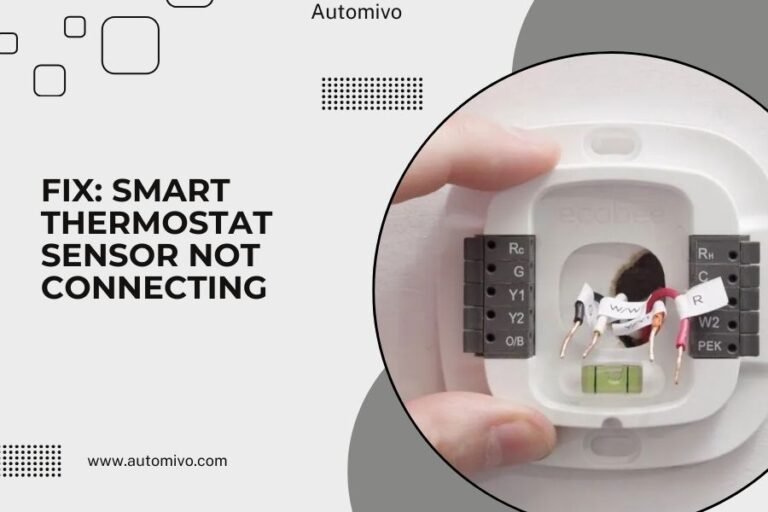
Most oil furnace systems need thermostats that support R, W, and C wires for proper smart thermostat installation and operation.
Why Smart Thermostats Make Sense for Oil Heat
Oil furnaces heat your home differently than gas systems. They take longer to warm up but hold heat well once they get going.
Smart thermostats help you work with this heating pattern. They learn how long your oil furnace takes to reach the right temperature. Then they start heating earlier so your home feels comfortable when you want it.
I found that many homeowners save 10-15% on heating costs after installing smart thermostats with their oil systems. The key is picking the right model and setting it up correctly.
Compatibility Check: Will Your Oil Furnace Work?
Not all smart thermostats play nice with oil furnaces. You need to check your current wiring first.
Required Wiring Setup
Your oil furnace system needs these basic wires:
- R wire (24V power from transformer)
- W wire (calls for heat to your furnace)
- C wire (common wire for constant power to thermostat)
Many older oil systems don’t have a C wire. Don’t worry – you can add one or use an adapter.
System Types That Work Best
Smart thermostats work great with these oil heating setups:
- Forced air oil furnaces
- Oil boilers with zone controls
- Hydronic radiant systems with oil heat
- Heat pump systems with oil backup
What About Steam Heat?
Steam systems can be trickier. The old radiators don’t respond quickly to temperature changes. Smart features still help, but the benefits are smaller.
Best Smart Thermostats for Oil Furnaces
I researched dozens of models and found these work best with oil heating systems.
Top Compatible Models
| Thermostat | Oil Furnace Support | Key Features | Price Range |
|---|---|---|---|
| Nest Learning | Excellent | Auto-learning, remote control | $200-250 |
| Ecobee SmartThermostat | Excellent | Room sensors, voice control | $200-250 |
| Honeywell T9 | Very Good | Smart room sensors | $150-200 |
| Emerson Sensi | Good | Simple setup, budget-friendly | $100-150 |
Features That Matter Most
When shopping for your smart thermostat, focus on these oil furnace-friendly features:
Learning Capabilities
Your thermostat should learn how your oil system heats. Oil furnaces have unique timing patterns. Smart learning helps match your schedule perfectly.
Slow Response Compensation
Oil systems don’t heat instantly like gas. Look for thermostats that start heating early to hit your target times.
Geofencing Support
This feature turns down heat when you leave home. With oil heating costs, every degree saved matters.
Installation Process: Step by Step
Installing your smart thermostat with an oil furnace takes some planning. Here’s how to do it safely.
Before You Start
Turn off power to your heating system at the circuit breaker. Oil furnaces use 24V systems, but safety first.
Take a photo of your current thermostat wiring. You’ll need this reference during installation.
Wiring Your Smart Thermostat
Basic Two-Wire Setup
Many oil systems use simple two-wire setups:
- Connect R wire to R terminal
- Connect W wire to W terminal
- Install C wire adapter if needed
Adding the Missing C Wire
Most smart thermostats need constant power. If you don’t have a C wire, you have options:
- Run new thermostat wire with C wire included
- Use a C wire adapter at your furnace
- Choose a thermostat with built-in power stealing
Testing Your Installation
After wiring, test everything before closing up walls:
- Turn power back on
- Check thermostat display powers up
- Test heat call – furnace should start
- Verify temperature readings make sense
Configuration for Oil Systems
Getting the settings right makes all the difference with oil heat.
Heat Pump Settings
Don’t select heat pump mode. Oil furnaces are conventional heating systems. Choose “Oil” or “Conventional” in your setup menu.
Temperature Swing Settings
Oil furnaces work best with wider temperature swings. Set your differential to 2-3 degrees instead of the default 1 degree.
This reduces short cycling and saves fuel. Your oil burner runs longer but less often.
Why This Matters
Oil furnaces take energy to fire up each time. Longer, less frequent cycles use fuel more efficiently than constant on-off cycling.
Schedule Programming
Smart scheduling works differently with oil heat. Plan for these timing differences:
- Start heating 30-45 minutes before you need warmth
- Allow extra time for temperature changes
- Use gradual setback instead of sharp temperature drops
Optimizing Performance and Savings
Your smart thermostat can cut oil costs significantly with the right approach.
Smart Scheduling Strategies
Work Day Programming
Set lower temperatures when you’re away. Even 5-8 degrees lower saves substantial oil over a heating season.
Program gradual warm-up before you return home. Oil systems need time to bring temperatures back up.
Night Setback
Lower nighttime temperatures by 8-10 degrees. Oil systems handle this setback well because they produce steady, even heat during recovery.
Using Smart Features
Geofencing Benefits
Geofencing automatically adjusts temperature based on your location. This works great with oil heat because the system maintains temperature well during short absences.
Weather Compensation
Some smart thermostats adjust heating based on outdoor temperature. This helps oil systems work more efficiently on mild days.
Common Issues and Solutions
Oil furnace and smart thermostat combinations can have unique challenges.
Short Cycling Problems
If your oil burner starts and stops too often, try these fixes:
- Increase temperature differential settings
- Check for air leaks affecting thermostat location
- Move thermostat away from heat sources
- Clean oil system components
Slow Response Times
Oil systems naturally respond slower than gas. This is normal, not a problem.
Adjust your expectations and scheduling. Plan heating cycles to start earlier than you might with other fuel types.
When to Call a Professional
Contact an HVAC technician if you experience:
- Frequent system cycling
- Uneven heating throughout your home
- Strange noises from the furnace
- Higher than expected fuel usage
Maintenance and Monitoring
Smart thermostats help you track your oil system’s performance over time.
Using Runtime Data
Most smart thermostats show how often your system runs. Watch for changes that might indicate maintenance needs.
Oil furnaces should run in steady cycles. Dramatic changes in runtime patterns often mean service time.
Filter and System Maintenance
Your smart thermostat can remind you about regular maintenance:
- Air filter changes every 3 months
- Annual oil system cleaning
- Nozzle and filter replacement
- Chimney inspection
Energy Reports
Use your thermostat’s energy reports to spot efficiency problems early. Sudden increases in energy use often mean your oil system needs attention.
Cost Savings and ROI
Smart thermostats pay for themselves faster with oil heat due to higher fuel costs.
Expected Savings
I found research showing oil heat customers typically save:
- 10-15% on heating costs with basic programming
- 15-20% with advanced features like geofencing
- 20-25% when combined with other efficiency upgrades
At current oil prices, a $200 thermostat often pays for itself within 1-2 heating seasons.
Maximizing Your Investment
Combine with Other Upgrades
Smart thermostats work even better when paired with:
- Proper home insulation
- Sealed ductwork
- Programmable zone controls
- High-efficiency oil furnace
Conclusion
Smart thermostats and oil furnaces make an excellent combination for comfort and savings. The key is choosing compatible equipment and setting it up properly for oil heating characteristics.
Focus on models that handle conventional heating systems well. Take time to configure temperature differentials and scheduling for your oil system’s response patterns. With proper setup, you’ll enjoy better comfort and significant fuel savings throughout the heating season.
The investment pays for itself quickly with oil’s higher fuel costs. Your smart thermostat will learn your heating patterns and optimize your oil furnace operation for maximum efficiency.
Can I install a smart thermostat on my old oil furnace from the 1980s?
Yes, most older oil furnaces work fine with smart thermostats. You may need to add a C wire or use an adapter for power, but the basic heating controls are compatible with modern smart thermostats.
Will a smart thermostat void my oil furnace warranty?
No, installing a smart thermostat won’t void your furnace warranty. Thermostats are considered separate components. Just make sure installation follows manufacturer guidelines and local electrical codes.
How much can I really save on oil costs with a smart thermostat?
Most homeowners save 10-20% on oil heating costs. With oil prices often $3-4 per gallon, this translates to $200-500 savings per year for typical homes, making the thermostat pay for itself quickly.
Do smart thermostats work with oil boiler systems too?
Yes, smart thermostats work great with oil boilers. The same compatibility and wiring principles apply. You may need additional zone controls for multi-zone hydronic systems, but basic operation is identical.
What happens if my WiFi goes out – will my oil furnace still work?
Absolutely. Smart thermostats continue controlling your oil furnace normally during WiFi outages. You just lose remote access and smart features temporarily. Basic heating and cooling functions always work locally.