
Smart HVAC controls reduce wear and tear by optimizing system operation, preventing overworking, and maintaining consistent temperatures without constant manual adjustments.
These automated systems can extend your HVAC lifespan by 15-20% through precise temperature control, scheduled maintenance alerts, and energy-efficient operation patterns.
How Smart Controls Prevent HVAC Damage
Your HVAC system works like a car engine. Run it too hard, and parts break down faster. Smart controls act like a skilled driver who knows exactly when to accelerate and when to coast.
Traditional thermostats create a stop-and-start cycle. Temperature drops, system kicks on full blast. Temperature rises, system shuts off completely. This constant cycling stresses your equipment.
Smart systems take a gentler approach. They predict temperature changes and make small adjustments before big swings happen.
Temperature Gradual Adjustments
Smart thermostats learn your home’s heating and cooling patterns. They start warming or cooling 30 minutes before you need it, using lower power settings.
This gradual approach reduces strain on motors, compressors, and fans. Think of it like warming up your car instead of racing the engine from a cold start.
Zoned Climate Control
Many smart systems offer zone control. You heat or cool only the rooms you’re using. Your system doesn’t work as hard because it’s conditioning less space.
I found that homes with smart zoning reduce HVAC runtime by up to 30%. Less runtime means less wear on moving parts.
Smart Scheduling Reduces System Stress
Your HVAC system loves routine. Smart controls create predictable patterns that prevent sudden workload spikes.
Setback Scheduling
Smart thermostats automatically adjust temperatures when you’re away. No more forgetting to turn down the heat before leaving for work.
These scheduled setbacks give your system regular breaks. Equipment that runs constantly wears out faster than equipment that cycles properly.
Seasonal Transition Management
Smart systems handle the tricky spring and fall months better. They switch between heating and cooling based on actual need, not just outside temperature.
This prevents the short cycling that happens when systems turn on and off repeatedly during mild weather.
Maintenance Alerts Keep Systems Healthy
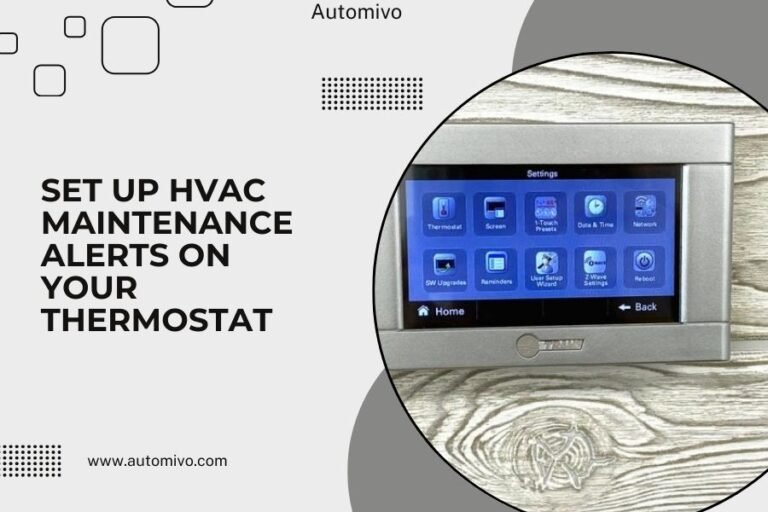
Smart HVAC controls monitor your system’s health in real time. They catch problems before they cause major damage.
Filter Change Reminders
Dirty filters make your system work harder. Smart controls track runtime and remind you when filters need changing.
Clean filters improve airflow and reduce strain on motors and fans. This simple maintenance step can prevent expensive repairs.
Performance Monitoring
Advanced smart systems monitor energy usage patterns. If your system suddenly starts using more energy, the app alerts you.
Early detection means smaller repairs. Wait too long, and a minor issue becomes a major breakdown.
Common Warning Signs Smart Systems Detect
- Longer run times to reach set temperatures
- Unusual energy consumption spikes
- Inconsistent temperature readings
- Irregular cycling patterns
Energy Efficiency Reduces Component Wear
Efficient systems run longer at lower power levels instead of short bursts at maximum power. This operating style is easier on equipment.
Variable Speed Technology
Many smart systems work with variable speed equipment. Instead of running at 100% or 0%, your system can operate at 40%, 60%, or 80% capacity.
Research from the Department of Energy shows that variable speed systems last longer because they avoid the stress of constant on-off cycling.
Load Balancing
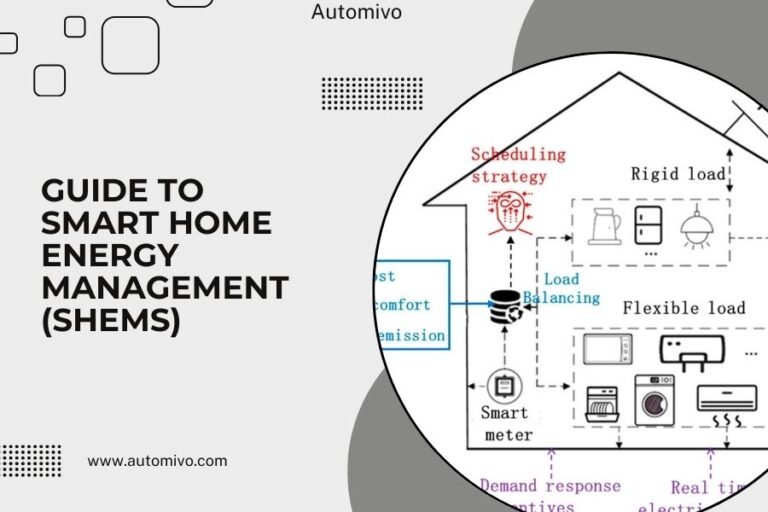
Smart controls distribute workload across different system components. If you have multiple HVAC units, the system alternates which one handles the primary load.
This rotation prevents one unit from wearing out while others sit unused.
Smart Sensors Improve System Accuracy
Traditional thermostats only measure temperature in one location. Smart systems use multiple sensors for better accuracy.
Remote Temperature Sensors
Place sensors in bedrooms, living areas, and other key spots. The system averages temperatures across all sensors for more accurate control.
Better accuracy means less overshooting target temperatures. Your system doesn’t have to work as hard to correct temperature swings.
Humidity Monitoring
Some smart systems monitor humidity along with temperature. This helps prevent overcooling in summer and overheating in winter.
Proper humidity control reduces the workload on your system while improving comfort.
Integration with Other Smart Home Devices
Smart HVAC controls work with other home automation systems to reduce unnecessary operation.
Occupancy Sensors
Motion sensors tell your HVAC system when rooms are empty. No point cooling a bedroom when nobody’s there for eight hours.
Window and Door Sensors
Smart systems can pause operation when windows or doors open. Why waste energy and stress your system trying to cool the outdoors?
Cost Savings from Reduced Wear
Preventing wear and tear saves money in multiple ways. Let me break down the financial benefits I found in my research.
| Benefit | Annual Savings | Long-term Impact |
|---|---|---|
| Reduced repairs | $200-500 | Fewer emergency calls |
| Extended equipment life | $300-800 | Delayed replacement costs |
| Energy efficiency | $150-400 | Lower monthly bills |
| Preventive maintenance | $100-250 | Avoided major breakdowns |
Repair Cost Reduction
Smart systems catch problems early when they’re cheaper to fix. A $50 sensor replacement beats a $500 compressor repair.
Equipment Replacement Timing
Instead of emergency replacements, you can plan equipment upgrades when it makes financial sense. Emergency replacements cost 20-30% more than planned purchases.
Choosing the Right Smart Controls
Not all smart thermostats offer the same protection features. Here’s what to look for when shopping.
Essential Protection Features
Focus on systems that offer maintenance reminders, performance monitoring, and gradual temperature adjustments.
Must-Have Features
- Adaptive learning algorithms
- Remote sensor compatibility
- Maintenance alert system
- Energy usage tracking
- Professional monitoring options
Professional Installation Benefits
Professional installation ensures your smart system integrates properly with existing equipment. Poor installation can actually increase wear and tear.
Many HVAC contractors offer smart control packages that include setup and initial optimization.
Common Smart Control Mistakes to Avoid
Even smart systems can cause problems if set up incorrectly.
Over-Programming
Don’t create complex schedules with frequent temperature changes. Constant adjustments defeat the purpose of gradual operation.
Ignoring Maintenance Alerts
Smart systems are only helpful if you act on their recommendations. Ignoring filter alerts or performance warnings wastes the technology’s benefits.
Future-Proofing Your Investment
Smart HVAC technology continues advancing. Choose systems that can update with new features instead of requiring complete replacement.
Software Updates
Look for systems that receive regular software updates. New algorithms and features can improve protection over time.
Expandability
Start with basic smart controls and add features as needed. This approach spreads costs over time while letting you learn what works best for your home.
Conclusion
Smart HVAC controls offer real protection for your heating and cooling equipment. They reduce wear and tear through gentle operation, predictive scheduling, and early problem detection. The technology pays for itself through lower repair costs, extended equipment life, and reduced energy bills. Start with a quality smart thermostat that offers maintenance alerts and performance monitoring. Add sensors and advanced features as you see the benefits in action. Your HVAC system will thank you with years of reliable, efficient operation.
How much can smart controls extend my HVAC system’s lifespan?
Smart controls typically extend HVAC equipment life by 15-20%. A system that might last 12 years could reach 14-15 years with proper smart control management. The exact extension depends on your current system’s condition and how well the smart features are utilized.
Do smart thermostats work with older HVAC systems?
Most smart thermostats work with systems that are 10-15 years old, as long as you have common wire connections. Very old systems from the 1980s or earlier might need professional assessment. A qualified technician can determine compatibility and suggest any needed updates.
What’s the difference between a smart thermostat and a programmable one?
Smart thermostats learn your habits and adjust automatically, while programmable models only follow the schedules you set manually. Smart versions also offer remote control, energy monitoring, maintenance alerts, and integration with other home automation systems.
Can smart HVAC controls really detect problems before they become serious?
Yes, advanced smart systems monitor energy usage patterns, run times, and temperature consistency. They can alert you to issues like dirty filters, refrigerant leaks, or failing components weeks before these problems cause system breakdowns. Early detection typically saves hundreds in repair costs.
Are the energy savings from smart controls worth the investment cost?
Most homeowners see 10-15% energy savings from smart HVAC controls, which typically pays for the system cost within 2-3 years. Factor in reduced repair costs and extended equipment life, and the total savings often reach $500-1000 annually for average-sized homes.