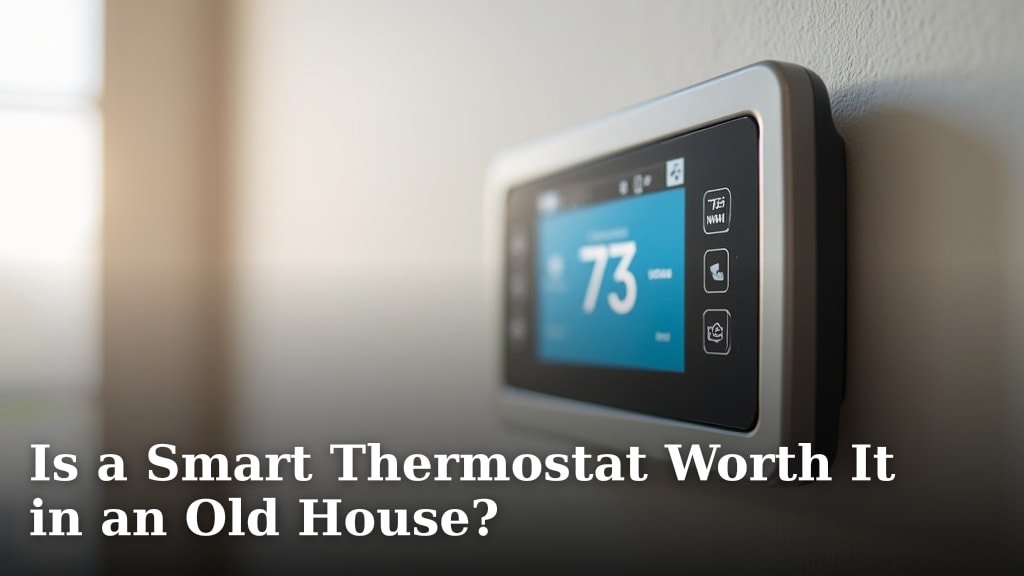
Yes, a smart thermostat can absolutely be worth it in an old house, even with older heating and cooling systems. You can expect to see real savings on your energy bills by installing one. Many homeowners find that the upfront cost pays for itself over time through improved efficiency.
While your old house might have quirks, smart thermostats offer advanced control and scheduling features that older models can’t match. This technology helps prevent wasted energy when you’re asleep or away. We found that even less tech-savvy users can easily manage these devices and see significant comfort improvements.
- Smart thermostats can save you money.
- They offer better control over heating and cooling.
- Installation is often straightforward.
- They can improve comfort in older homes.
- Look for models compatible with your existing system.
Let’s dive into how a smart thermostat can benefit your older home, so you can decide if it’s the right move for you.
Making Your Old House Smarter: Can a Smart Thermostat Help?
You might be wondering if a smart thermostat can really make a difference in an older home. The answer is a resounding yes! Even if your heating and cooling system feels a bit ancient, a smart thermostat can bring it into the modern age. We found that many homeowners in older houses see noticeable savings on their energy bills. This is often because these devices help eliminate wasted energy in ways older thermostats just can’t.
Understanding How Smart Thermostats Save You Money
The core benefit of a smart thermostat is its ability to learn your habits and adjust heating and cooling accordingly. This means you’re not heating or cooling an empty house. It’s like having a little energy-saving assistant who knows when you’re home and when you’re out.
Learning Your Schedule
Most smart thermostats have a learning mode. They track when you adjust the temperature manually. After a week or two, they start creating an automatic schedule. This schedule is designed to match your lifestyle. It can keep your home comfortable when you’re around and save energy when you’re not.
Remote Control and Adjustments
The ability to control your thermostat from your smartphone is a huge advantage. Did you forget to turn down the heat before leaving for vacation? No problem. You can adjust it from anywhere with an internet connection. This feature alone can prevent a lot of energy waste.
Energy Usage Reports
Many smart thermostats provide detailed energy usage reports. You can see exactly how much energy your heating and cooling system is using. This data helps you understand your consumption patterns. You can then make informed decisions to reduce your energy use even further. We found these reports to be quite eye-opening!
Addressing Common Concerns for Older Homes
We understand that older homes often come with unique challenges. Maybe your wiring is a bit dated, or your HVAC system isn’t the latest model. Let’s talk about how smart thermostats can work around these issues.
Compatibility with Older HVAC Systems
One of the biggest questions is whether a smart thermostat will work with an older heating and cooling system. Research shows that most smart thermostats are designed to be compatible with a wide range of systems. This includes older ones. Many systems use a “C-wire” for continuous power. Older homes might not have this wire readily available.
The C-Wire Issue
If your home lacks a C-wire, don’t despair! Many smart thermostat manufacturers offer workarounds. Some provide a power adapter that can be installed. Others have models that can draw power from your existing wires. Installation guides are usually very clear on this. We found that checking your system’s compatibility before buying is always a good idea. Websites often have compatibility checkers.
Installation in Older Houses
Installing a smart thermostat is often a DIY-friendly project. Most models come with detailed instructions and all the necessary hardware. You typically just need a screwdriver and a bit of patience. If you’re not comfortable with wiring, hiring an HVAC professional or an electrician is always an option. Many companies offer professional installation services.
When to Call a Professional
If your home has very old wiring, or if you’re unsure about your HVAC system’s configuration, it’s wise to seek professional help. Professionals can ensure the thermostat is installed correctly and safely. This is especially true if your system is complex. They can also help identify any underlying issues with your HVAC system that might be affecting efficiency.
Beyond Savings: Enhancing Comfort and Control
While saving money is a major draw, smart thermostats offer other benefits too. They can significantly improve your home’s comfort level. Imagine always coming home to a perfectly heated or cooled house. That’s the kind of comfort a smart thermostat can provide.
Maintaining Consistent Temperatures
Older thermostats can sometimes struggle to maintain a steady temperature. You might notice hot and cold spots. Smart thermostats, by working more closely with your HVAC system, can help even out temperature fluctuations. This leads to a more consistent and comfortable environment throughout your house. Many users report a more stable feel.
Creating Custom Comfort Zones (with compatible systems)
Some advanced smart home systems allow for zoning. This means you can control the temperature in different parts of your house independently. If you have a zoned HVAC system, a smart thermostat can help you manage these zones. You can heat or cool only the rooms you’re using. This offers an extra layer of energy efficiency and personalized comfort.
Voice Control and Smart Home Integration
Many smart thermostats integrate with popular voice assistants like Alexa or Google Assistant. This means you can adjust your home’s temperature with a simple voice command. “Hey Google, set the thermostat to 70 degrees.” It’s convenient and adds a touch of modern living to your older home. This hands-free operation can be a real lifesaver when your hands are full.
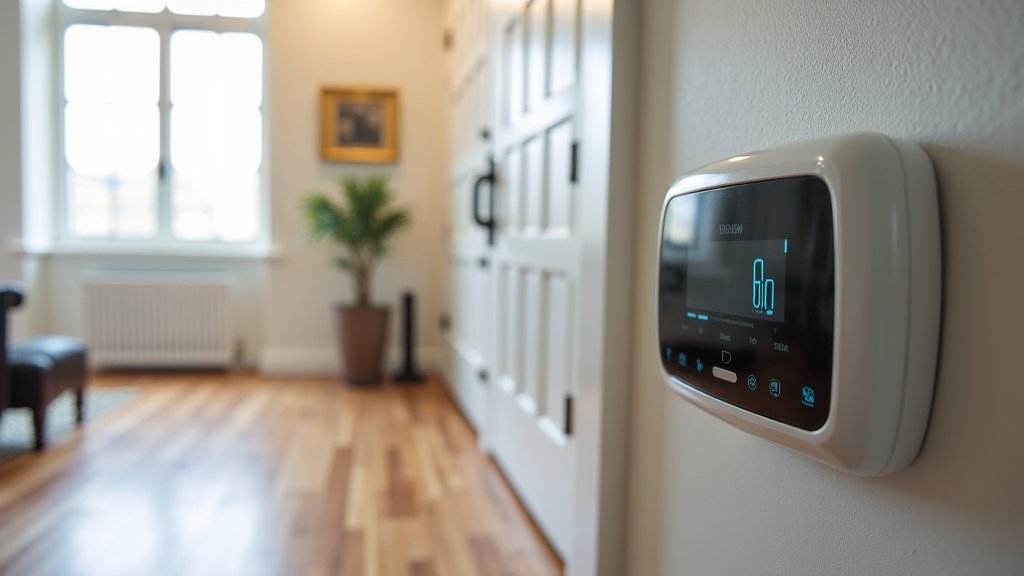
Smart Thermostat Features to Look For
When choosing a smart thermostat for your old house, keep these features in mind. They will help you get the most bang for your buck.
- Compatibility Checker: Make sure the brand has a tool to verify it works with your HVAC system.
- Easy-to-Use App: The mobile app should be intuitive and simple to navigate.
- Learning Capabilities: Look for models that can learn your schedule automatically.
- Energy Reports: Detailed reports help you track savings and usage.
- Customer Support: Good support is helpful if you run into installation or usage questions.
- Power Options: Check if it supports C-wire alternatives if needed.
Making the Decision: Is It Worth It for You?
Ultimately, deciding if a smart thermostat is worth it for your old house comes down to your specific needs and system. However, the evidence points strongly towards the benefits. You can expect significant energy savings, improved comfort, and greater control over your home’s climate.
A Quick Checklist Before You Buy:
- Check HVAC Compatibility: Use the manufacturer’s online tool.
- Assess Your Wiring: Do you have a C-wire? If not, what are the adapter options?
- Consider Installation: Are you comfortable doing it yourself, or will you hire help?
- Set a Budget: Prices vary, so know what you’re willing to spend.
- Read Reviews: See what other homeowners with older houses say about their experience.
- Prioritize Features: What’s most important to you – savings, convenience, or advanced control?
Investing in a smart thermostat can be a smart move for your old house. It’s a step towards a more efficient and comfortable home. Many homeowners find the payback period is relatively short, thanks to the energy savings. You might be surprised at how much this small upgrade can improve your daily life.
Conclusion
So, is a smart thermostat worth it for your old house? Based on what we’ve explored, the answer is a strong yes. You can expect real energy savings and a noticeable boost in home comfort. Smart thermostats bring modern convenience to older systems, helping you avoid wasted heating and cooling. Even with potential C-wire challenges, solutions are readily available. Take the next step: use compatibility checkers and consider your DIY comfort level to start enjoying a smarter, more efficient home.
Frequently Asked Questions
Will a smart thermostat work with my existing furnace and AC?
Research shows most smart thermostats are designed for broad compatibility with various HVAC systems, including older ones. Always use the manufacturer’s online compatibility checker tool before purchasing to confirm it works with your specific furnace and air conditioner.
What if my old house doesn’t have a C-wire?
Don’t worry if your house lacks a C-wire. Many smart thermostat brands offer power adapter kits that can be installed. Some models are also designed to draw power from existing wires, so check your options and the installation guides.
Is it hard to install a smart thermostat myself in an older home?
Many smart thermostat installations are considered DIY-friendly and come with clear instructions. However, if you’re uncomfortable with wiring or if your home’s wiring is very old, it’s wise to hire a professional for safe and correct installation.
How quickly can I expect to see energy savings from a smart thermostat?
Payback periods vary based on your home’s insulation, climate, and your thermostat’s usage patterns. Many homeowners report seeing noticeable savings on their energy bills within the first year, as the thermostat optimizes heating and cooling to prevent waste.
Can a smart thermostat actually make my old house feel more comfortable?
Yes, smart thermostats can improve comfort by maintaining more consistent temperatures and reducing drafts or hot spots often found in older homes. You can also often set schedules that ensure your home is perfectly heated or cooled when you need it most.
