HVAC short cycling happens when your system turns on and off too frequently, wasting energy and wearing out equipment faster.
A smart thermostat can fix HVAC short cycling by providing better temperature control, programmable schedules, and system monitoring features.
What Is HVAC Short Cycling?
Short cycling means your heating or cooling system runs for brief periods before shutting off. Instead of running for 15-20 minutes like normal, it might only run for 2-5 minutes at a time.
Think of it like a car that keeps stalling. Your HVAC system starts up, barely gets going, then shuts down again. This pattern repeats all day long.
Most homeowners notice their system clicking on and off constantly. You might hear the fan start, then stop after just a few minutes. This isn’t normal behavior.
Why Short Cycling Damages Your HVAC System
Your HVAC system uses the most energy when it starts up. When it short cycles, you get all that startup energy waste without the benefit of actually heating or cooling your home.
The constant starting and stopping wears out your equipment fast. It’s like doing stop-and-go traffic all day instead of highway driving. Your system wasn’t built for this.
Energy Bills Go Through the Roof
I researched energy consumption patterns and found that short cycling can increase your bills by 20-30%. You’re paying for all those startups but not getting comfortable temperatures.
Your system never reaches peak efficiency. It shuts off before it can do its job properly.
Equipment Breaks Down Faster
HVAC experts say short cycling can cut your system’s lifespan in half. That expensive equipment you thought would last 15-20 years might only make it 7-10 years.
The compressor, blower motor, and other parts get stressed from constant on-off cycles. They’re designed to run steadily, not start and stop repeatedly.
Common Causes of HVAC Short Cycling
Wrong Thermostat Settings
Your old thermostat might be too sensitive. It detects tiny temperature changes and tells your system to kick on constantly.
Some thermostats have narrow temperature swings. They might turn on heating when the temperature drops just one degree below your setting.
Oversized HVAC Equipment
A system that’s too big for your home will heat or cool too quickly. It reaches your target temperature fast, then shuts off. But your home temperature swings back quickly, so it starts again.
It’s like using a fire hose to fill a coffee cup. Too much power for the job.
Dirty Air Filters
Clogged filters restrict airflow. Your system overheats and shuts down for safety. Once it cools off, it tries to start again.
This creates a cycle where your system can’t run long enough to do its job.
Refrigerant Problems
Low refrigerant makes your air conditioner work harder. The system might overheat or freeze up, causing it to shut down frequently.
Only a licensed technician should check refrigerant levels.
How Smart Thermostats Stop Short Cycling
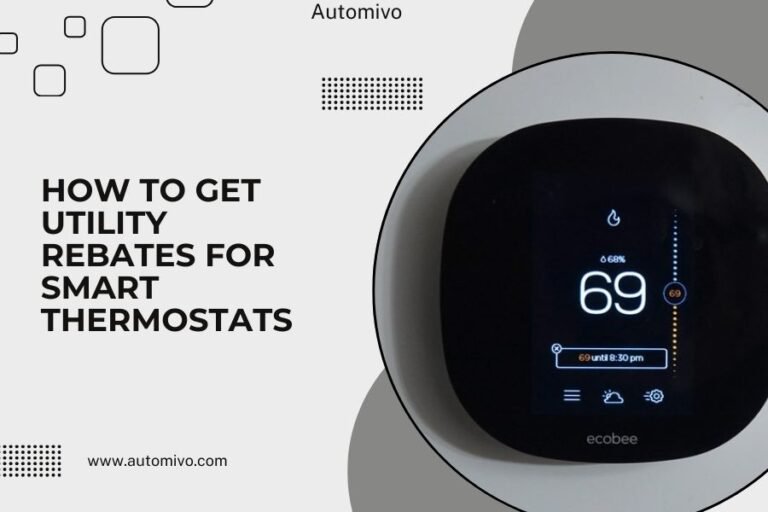
Smart thermostats have built-in features that prevent the rapid on-off cycling that damages your HVAC system. They’re like having a smart traffic controller for your heating and cooling.
Better Temperature Control
Smart thermostats use advanced sensors that read temperature more accurately than old models. They don’t overreact to minor temperature changes.
Many have wider temperature swings built in. Instead of turning on every time the temperature drops one degree, they might wait for a 2-3 degree change.
Adaptive Learning Features
Your smart thermostat learns how your home heats and cools. It figures out how long your system needs to run to reach target temperatures.
This prevents the system from turning on too early or too often. It knows your home’s patterns and adjusts accordingly.
System Protection Settings
Most smart thermostats have minimum run times built in. Once your system starts, it won’t allow it to shut off for at least 5-10 minutes.
They also have delay settings between cycles. Your system can’t restart immediately after shutting off.
Top Smart Thermostat Features for Preventing Short Cycling
Precise Temperature Sensors
Look for thermostats with multiple sensors or remote sensors. These give better readings of your actual home temperature.
Some models can average temperatures from different rooms. This prevents hot or cold spots near the thermostat from triggering unnecessary cycles.
Configurable Temperature Swings
You want a thermostat that lets you adjust how much temperature change triggers your system. A 2-3 degree swing is usually better than a 1-degree swing.
This setting is sometimes called “differential” or “deadband” in thermostat menus.
System Runtime Monitoring
Smart thermostats track how often and how long your system runs. You can see if you’re having short cycling problems through the app.
Some will even alert you when they detect unusual patterns that suggest equipment problems.
Setting Up Your Smart Thermostat to Prevent Short Cycling
Adjust Temperature Differential Settings
Once installed, check your thermostat’s differential settings. Set heating to turn on when temperature drops 2-3 degrees below your setting.
For cooling, set it to turn on when temperature rises 2-3 degrees above your setting. This gives your system time to rest between cycles.
Enable System Protection Features
Turn on any minimum runtime settings. Most smart thermostats have options to prevent cycles shorter than 5-10 minutes.
Also enable delay timers between heating and cooling. Your system shouldn’t switch from heating to cooling (or vice versa) without a break.
Use Smart Scheduling
Program gradual temperature changes instead of dramatic ones. If you want it warmer when you wake up, have the thermostat start warming 30 minutes early with a gradual increase.
Sudden temperature changes cause your system to work harder and cycle more frequently.
When Smart Thermostats Aren’t Enough
Sometimes the short cycling problem goes deeper than thermostat settings. Your smart thermostat might help identify these issues, but you’ll need professional help to fix them.
Equipment Sizing Problems
If your HVAC system is too big for your home, even the smartest thermostat can’t fix that completely. You might need equipment modifications or replacement.
An HVAC professional can calculate the right size system for your home using load calculations.
Ductwork Issues
Leaky or poorly designed ducts can cause pressure problems that lead to short cycling. Smart thermostats can’t fix airflow issues.
You might need duct sealing, resizing, or redesign work.
Refrigerant or Mechanical Problems
Low refrigerant, failing compressors, or other mechanical issues require professional repair. Your smart thermostat might detect these problems through runtime monitoring, but it can’t fix them.
Choosing the Right Smart Thermostat for Your System
| Feature | Why It Helps Short Cycling | Look For |
|---|---|---|
| Adjustable Differential | Prevents oversensitive triggering | 2-5 degree range options |
| Minimum Runtime | Stops cycles under 5-10 minutes | Configurable timing settings |
| System Monitoring | Tracks and alerts on cycling issues | Runtime reports and alerts |
| Multiple Sensors | Better temperature readings | Remote sensor compatibility |
Compatibility Matters
Make sure your chosen smart thermostat works with your HVAC system type. Heat pumps, multi-stage systems, and older equipment might need specific thermostat features.
Check the wiring requirements before buying. Some smart thermostats need a “C” wire for power that older systems don’t have.
Professional Installation vs DIY
Many homeowners can install basic smart thermostats themselves. But if you’re dealing with short cycling problems, professional installation might be worth it.
HVAC technicians can check for other issues while installing your thermostat. They can also configure the advanced settings properly.
Monitoring Your Success
After installing your smart thermostat, keep an eye on your system’s behavior. Most smart thermostats provide runtime data you can check.
What Normal Cycling Looks Like
Your system should run for 15-20 minute cycles in moderate weather. In extreme hot or cold weather, longer cycles are normal.
You should see 2-3 cycles per hour maximum. If you’re still seeing 6-8 cycles per hour, something else might be wrong.
Using Your Thermostat’s Data
Check your thermostat’s energy reports monthly. You should see more consistent runtime patterns and hopefully lower energy usage.
Some thermostats will alert you to unusual patterns that might indicate equipment problems.
Additional Benefits of Stopping Short Cycling
Better Comfort
When your system runs proper cycles, it actually reaches your target temperature. No more hot and cold spots or temperature swings.
Longer run cycles also mean better humidity control. Your system has time to remove moisture from the air.
Lower Energy Bills
From what I read in Department of Energy studies, fixing short cycling can reduce HVAC energy consumption by 15-25%. That’s real money back in your pocket.
Your system reaches peak efficiency when it runs steady cycles instead of constant startups.
Quieter Operation
You won’t hear your system starting and stopping constantly throughout the day. Longer, less frequent cycles mean less noise overall.
Conclusion
Smart thermostats offer powerful tools to fix HVAC short cycling problems. Their precise sensors, configurable settings, and system monitoring features can stop the wasteful on-off cycling that damages your equipment and drives up energy bills.
The key is choosing a thermostat with the right features and setting it up properly. Look for adjustable temperature differentials, minimum runtime settings, and system monitoring capabilities. With the right setup, you should see longer, more efficient cycles that keep your home comfortable while protecting your HVAC investment.
Remember that smart thermostats can’t fix every short cycling problem. Equipment sizing issues, ductwork problems, or mechanical failures need professional attention. But for many homes, a properly configured smart thermostat is the simple solution to stop short cycling and start saving money.
Can any smart thermostat fix short cycling problems?
Not all smart thermostats have the same features. Look for models with adjustable temperature differentials, minimum runtime settings, and system monitoring. Basic smart thermostats might not have these advanced controls needed to prevent short cycling.
How long should I wait to see improvements after installing a smart thermostat?
You should notice changes within the first few days. Your system should run longer, less frequent cycles. Give it a week or two for the learning features to optimize, then check your energy usage patterns for confirmation.
What temperature differential setting works best for most homes?
Most homes work well with a 2-3 degree differential. This means heating turns on when temperature drops 2-3 degrees below your setting, and cooling turns on when it rises 2-3 degrees above. You can adjust based on your comfort preferences.
Will a smart thermostat fix short cycling if my HVAC system is oversized?
Smart thermostats can help reduce short cycling from oversized equipment, but they can’t completely solve the problem. The wider temperature differentials and minimum runtime settings will help, but you might still have some efficiency issues.
How can I tell if my smart thermostat successfully stopped short cycling?
Check your thermostat’s runtime data. You should see cycles lasting 15-20 minutes instead of 2-5 minutes. Your system should run 2-3 times per hour maximum, and your energy bills should decrease over time.