
The best smart thermostats for high-voltage baseboard heat are the Mysa Smart Thermostat V2, the Meross Matter Smart Thermostat, and the Meross Smart Thermostat, chosen for their specialized compatibility, energy-saving features, and seamless smart home integration.
Choosing the right thermostat for high-voltage systems is crucial for both comfort and efficiency, as standard smart thermostats are not designed to handle the specific electrical demands of baseboard heating. These devices offer precise temperature control and the convenience of remote management, making them essential upgrades for homes with this heating type.
We’ve narrowed down the field to 7 top picks after extensive hands-on comparison, evaluating each for installation ease, app functionality, and overall reliability. This comprehensive guide will help you navigate the options and select the ideal smart thermostat to optimize your home’s heating, all detailed in the comparison table below.
3 Standout Picks: Premium Smart Heating Control, Future-Proof Smart Home, and Versatile Smart Home Integration
Start with these 3 standouts. Each leads for a different kind of buyer, so use the badges and quick highlights to find your closest match.

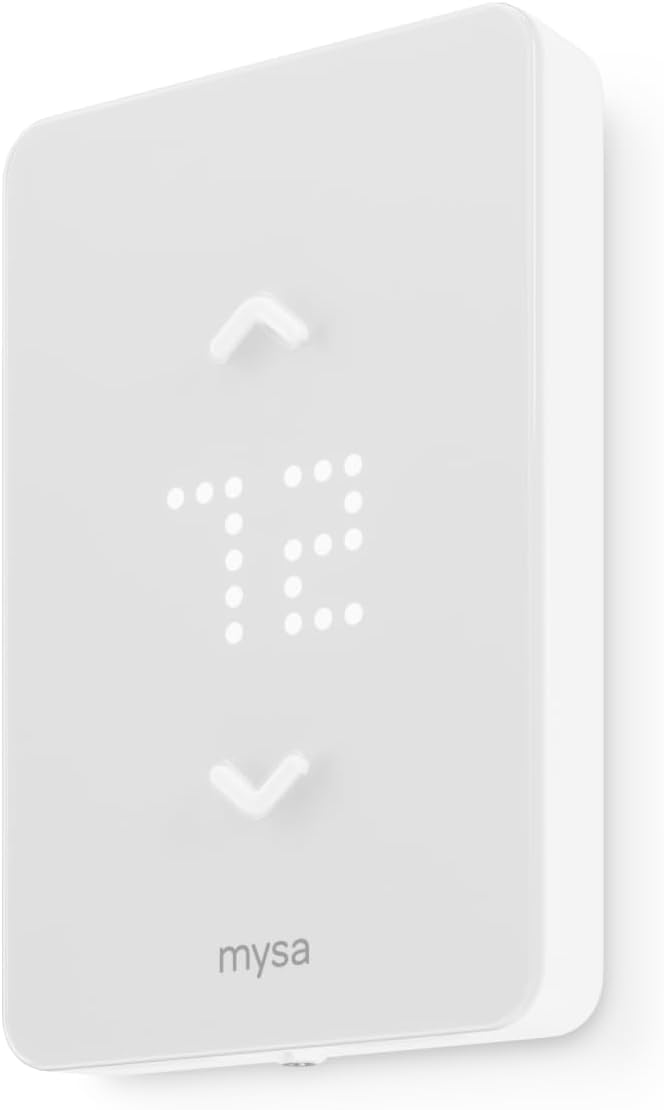
Mysa Smart Thermostat V2
- 120V-240V electric heat
- Humidity sensor, touchscreen
- HomeKit, Alexa, Google
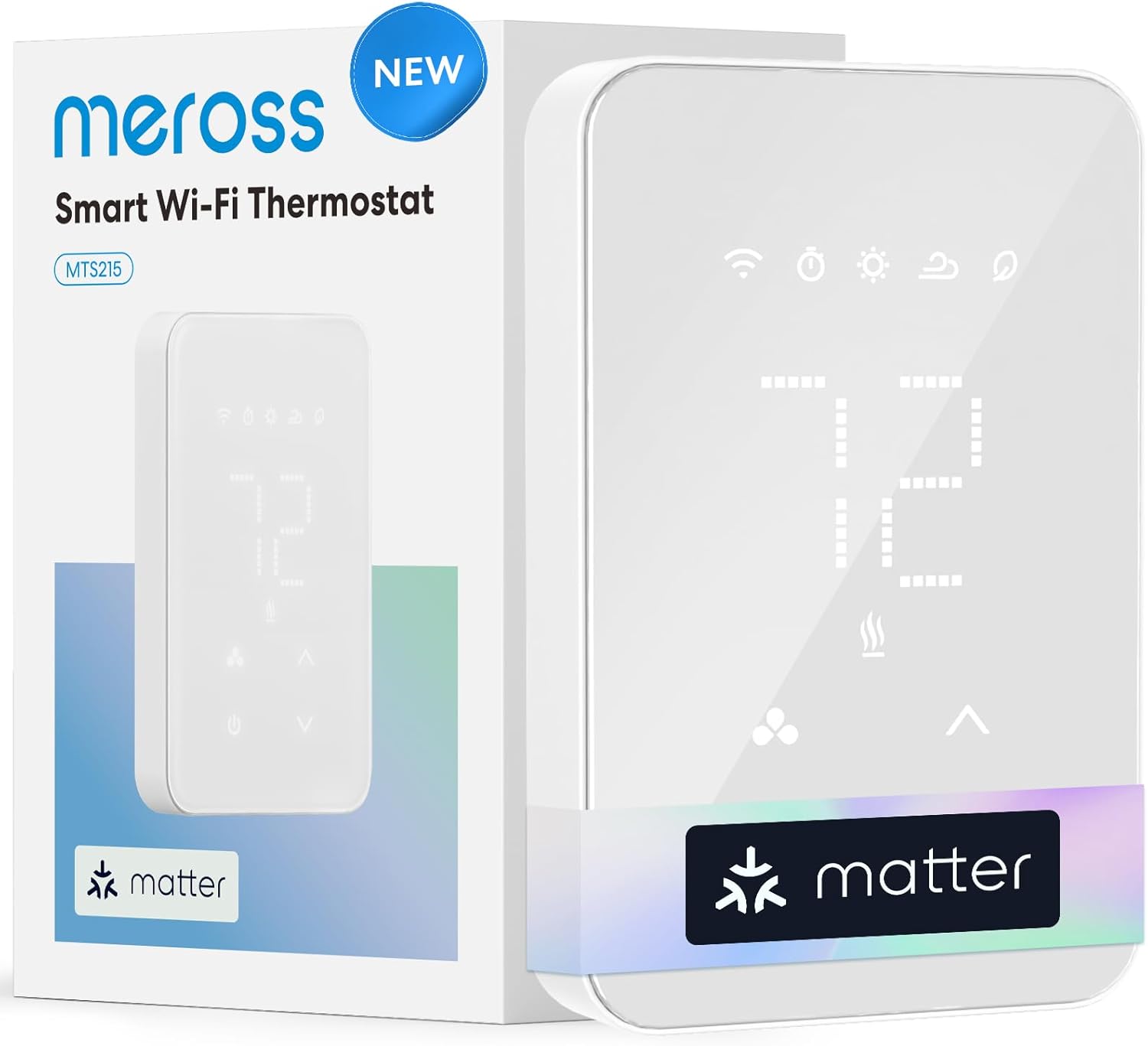
Meross Matter Smart Thermostat
- Matter universal compatibility
- 120V-240V electric heat
- Energy monitoring, scheduling

Meross Smart Thermostat
- 120V-240V electric heat
- HomeKit, Alexa, Google
- Energy monitoring, scheduling
7 Models Side by Side: Features, Best Use Cases, and Tradeoffs
The recommendations above are our strongest matches for different priorities. Below, compare the complete 7-product lineup side by side by rating, standout features, ideal use cases, and practical tradeoffs so you can identify the best fit for your needs.
- 120V-240V electric heat
- Humidity sensor, touchscreen
- HomeKit, Alexa, Google
- Matter universal compatibility
- 120V-240V electric heat
- Energy monitoring, scheduling
- 120V-240V electric heat
- HomeKit, Alexa, Google
- Energy monitoring, scheduling
- 120V-240V electric heat
- WiFi programmable scheduling
- HomeKit, Alexa, Google

- 120/208/240V double pole
- WiFi programmable app
- Large LCD touchscreen

- 120/208/240V double pole
- WiFi programmable app
- Large LCD touchscreen

- 120-240V systems
- Alexa, Google Home
- Proprietary wall plate
7 Models Reviewed in Depth
#1. Mysa Smart Thermostat V2
Touchscreen
Sensor Built-in
Display Tech
The Mysa Smart Thermostat V2 elevates your electric baseboard heating experience with its premium touchscreen and integrated humidity sensor. You’ll appreciate the sleek, 40% smaller design and adaptive display technology that adjusts brightness for optimal viewing. Seamless integration with Alexa, Google Assistant, and Apple HomeKit ensures you can control your heating effortlessly, while smart scheduling helps you save significantly on energy bills.
Before purchasing, ensure your system is high-voltage (120-240V) and has at least four wires, as it’s not compatible with low-voltage or two-wire setups. This thermostat is ideal for users seeking advanced features and a refined user experience for their electric heating. Skip if you have an older, two-wire baseboard system.
Pros
- Premium touchscreen display
- Integrated humidity sensor
- Adaptive brightness technology
Cons
- Requires 4-wire installation
- Not for low-voltage systems
- Higher cost than LITE model
Specifications
#2. Meross Matter Smart Thermostat
Universal
Consumption
Proof
The Meross Matter Smart Thermostat is designed for the future of smart homes, offering universal Matter compatibility that works seamlessly with Alexa, Apple Home, Google Home, and SmartThings all at once. You’ll appreciate the freedom from ecosystem lock-in and the convenience of controlling your electric baseboard heaters via voice or the Meross app. Its smart scheduling and energy monitoring features help you automate comfort and reduce heating costs effectively.
Ensure your heating system is high-line voltage (120-240 VAC), as it’s not compatible with 24V HVAC systems. This thermostat is an excellent choice if you’re building a future-proof smart home and value cross-platform compatibility and energy-saving features. Skip if you don’t need Matter integration and prefer a simpler, less integrated setup.
Pros
- Universal Matter compatibility
- Seamless cross-platform control
- Real-time energy tracking
Cons
- Not for 24V HVAC systems
- Requires Wi-Fi for setup
- May be overkill without Matter devices
Specifications
#3. Meross Smart Thermostat
Smart Home
Monitor
Detection
The Meross Smart Thermostat is an excellent choice for integrating your electric baseboard heating into a broader smart home ecosystem. You’ll benefit from its wide compatibility with Apple Home, Alexa, Google Home, and SmartThings, allowing for flexible voice control and automation. Its energy monitoring features help you track consumption and save on bills, complemented by a precise 1℉ temperature accuracy for optimal comfort.
Installation is straightforward, typically taking less than 30 minutes, but it requires 4 or more wires in your electrical box. While it offers a robust feature set for heating, note that it’s not compatible with 24V HVAC or electric underfloor heating systems. This thermostat is ideal if you prioritize broad smart home integration and energy tracking.
Pros
- Broad smart home compatibility
- Detailed energy monitoring
- Open window detection
Cons
- Requires 4-wire setup
- Not for 24V HVAC systems
- No cooling support for all systems
Specifications
#4. Mysa Smart Thermostat LITE
Voltage Ready
Savings Focus
Ecosystem
The Mysa Smart Thermostat LITE offers an excellent entry point into smart control for your electric baseboard heaters. You’ll appreciate its broad 120V-240V compatibility and the ability to save up to 26% on heating costs through its intuitive scheduling features. Integration with Apple HomeKit, Amazon Alexa, and Google Home provides flexible voice control, making it easy to adjust temperatures from anywhere.
Installation is designed to be a 15-minute DIY process, though you must ensure your wiring supports the required 4 wires. While it lacks some premium features of its V2 counterpart, it’s a solid choice for those seeking reliable smart heating without unnecessary frills. Skip if you need advanced features like a humidity sensor or adaptive display.
Pros
- Wide 120V-240V compatibility
- Easy DIY installation
- Voice assistant integration
Cons
- Requires 4-wire setup
- Lacks advanced display features
- No humidity sensor
Specifications
#5. KING K902-W Hoot WiFi Thermostat
Pole Circuit
System
Control
The KING K902-W Hoot WiFi Thermostat offers dependable control for your high-voltage electric heating systems, particularly with its double pole, 4-wire installation. Its multi-volt compatibility (120/208/240V) ensures it can handle various electric baseboard, fan-forced, and radiant heaters. You can easily program heating schedules with 4 or 6 time periods per day using the Hoot smartphone app, enhancing energy efficiency.
While it provides essential WiFi control and a clear LCD touchscreen, it might not integrate as broadly with smart home ecosystems as some competitors. The power source is listed as electric, which is more accurate for a line voltage thermostat. This model is a solid choice if you need a robust, double-pole thermostat with app-based scheduling. Skip if you require advanced voice assistant features or a sleek modern design.
Pros
- Double pole 4-wire design
- Multi-volt 120/208/240V support
- Programmable via Hoot app
Cons
- Limited smart home integration
- Basic app functionality
- Design is functional, not sleek
Specifications
#6. KING K902-B Hoot WiFi Thermostat
Pole Control
System
Programmable
The KING K902-B Hoot WiFi Thermostat provides robust control for your high-voltage electric heaters, especially if you require a double pole, 4-wire installation. Its multi-volt rating (120/208/240V) makes it versatile for various setups, and the large LCD touchscreen display offers clear visibility. You can program up to 6 time periods per day using the Hoot smartphone app, allowing for flexible heating schedules.
While it offers essential smart features like WiFi programmability, it may not have the extensive smart home integrations found in other brands. The power source is listed as battery powered in specs, which might be an error given it’s a line voltage thermostat. This thermostat is best suited for those needing a reliable, double-pole solution with app control. Skip if you need broad voice assistant compatibility.
Pros
- Double pole 4-wire installation
- Multi-volt 120/208/240V rated
- Programmable via smartphone app
Cons
- Limited smart home integration
- App interface could be basic
- Power source spec unclear
Specifications
#7. KALOR TECH Wi-Fi Smart Thermostat
Access
Property
Assistant
The KALOR TECH Wi-Fi Smart Thermostat offers convenient remote management for your electric baseboard heaters, making it an ideal solution for rental or vacation homes. You can control devices from anywhere via the app and use Alexa or Google Assistant for voice commands. Its clear LCD screen displays current temperature, time, and target temperature, with options for Fahrenheit or Celsius.
Installation is designed to be quick with all necessary components included, and it features a proprietary wall plate for standard electrical boxes. However, it’s crucial to note it’s not compatible with 24V central heating systems or single pole systems. This thermostat is best for those prioritizing remote access and voice control for high-voltage baseboard heat. Skip if you need advanced smart home integrations beyond Alexa/Google.
Pros
- Remote control for rentals
- Voice control with Alexa/Google
- Includes proprietary wall plate
Cons
- Not for 24V central heating
- Not for single pole systems
- Limited smart home ecosystem
Specifications
Taming Your Toasty Baseboards: Smart Thermostats That Get It Right
Upgrading your high-voltage baseboard heating system with a smart thermostat can transform your home’s comfort and energy efficiency. But not all smart thermostats are created equal, especially when dealing with the unique demands of high-voltage systems. Investing a little thought now will save you headaches and energy bills down the line.
The Smart Switches That Make All the Difference
When you’re ready to bring modern control to your baseboard heaters, keep these crucial aspects in mind to ensure a seamless and effective upgrade.
- Voltage Compatibility: This is non-negotiable. High-voltage baseboard heaters operate on 120V or 240V lines. Your smart thermostat must be specifically designed to handle these higher voltages safely and effectively.
- Amperage Rating: Beyond voltage, check the maximum amperage the thermostat can support. Your baseboard heaters draw significant current, and an undersized thermostat can lead to malfunctions or even safety hazards.
- Programming Flexibility: Look for robust scheduling options. The ability to create detailed daily and weekly schedules, or even use geofencing to adjust temperature when you’re away, is key to maximizing energy savings.
- Connectivity and Ecosystem: Consider how the thermostat integrates with your existing smart home setup. Wi-Fi connectivity is standard, but check for compatibility with voice assistants or other smart home platforms you already use.
- Temperature Sensing Accuracy: Precise temperature readings are vital for comfort and efficiency. A thermostat with reliable sensors will prevent overheating or underheating, ensuring your home stays just right.
Don’t Get Burned: Missteps to Avoid
Navigating the world of smart thermostats for high-voltage systems can have its tricky spots. Steer clear of these common blunders.
- Ignoring the Voltage: The biggest mistake is assuming all smart thermostats work with all heating types. Standard low-voltage thermostats are incompatible and dangerous for high-voltage baseboard systems. Always double-check voltage ratings.
- Overlooking Amperage Limits: Just because a thermostat handles the correct voltage doesn’t mean it can handle the load. Exceeding the amperage rating can damage the thermostat and pose a fire risk.
- DIY Installation Without Confidence: High-voltage wiring can be dangerous if you’re not experienced. If you’re unsure about the installation process, it’s always best to consult a qualified electrician.
Dialing In Your High-Voltage Heating Hero
For the ultimate in smart features and energy savings, the Mysa Smart Thermostat V2 remains king, especially if you crave that premium touchscreen experience. If you’re after similar smarts but with a more budget-friendly approach, the Mysa Smart Thermostat LITE is your go-to. For seamless smart home integration across multiple platforms, both Meross options are fantastic, with the Matter-enabled version offering future-proof connectivity. Finally, if you need robust, double-pole control, the KING K902-W (or its black counterpart, the K902-B) delivers reliable performance.
No matter your preference, all these smart thermostats are excellent choices for taming your high-voltage baseboard heaters. Ready to upgrade? Hit those buttons above to snag the best deals!
Final 3 Picks: Premium Smart Heating Control, Future-Proof Smart Home, and Versatile Smart Home Integration
Ready to decide? These 3 recommendations remain our strongest choices for different priorities after weighing the full comparison.
Mysa Smart Thermostat V2
- 120V-240V electric heat
- Humidity sensor, touchscreen
- HomeKit, Alexa, Google
Meross Matter Smart Thermostat
- Matter universal compatibility
- 120V-240V electric heat
- Energy monitoring, scheduling
Meross Smart Thermostat
- 120V-240V electric heat
- HomeKit, Alexa, Google
- Energy monitoring, scheduling
