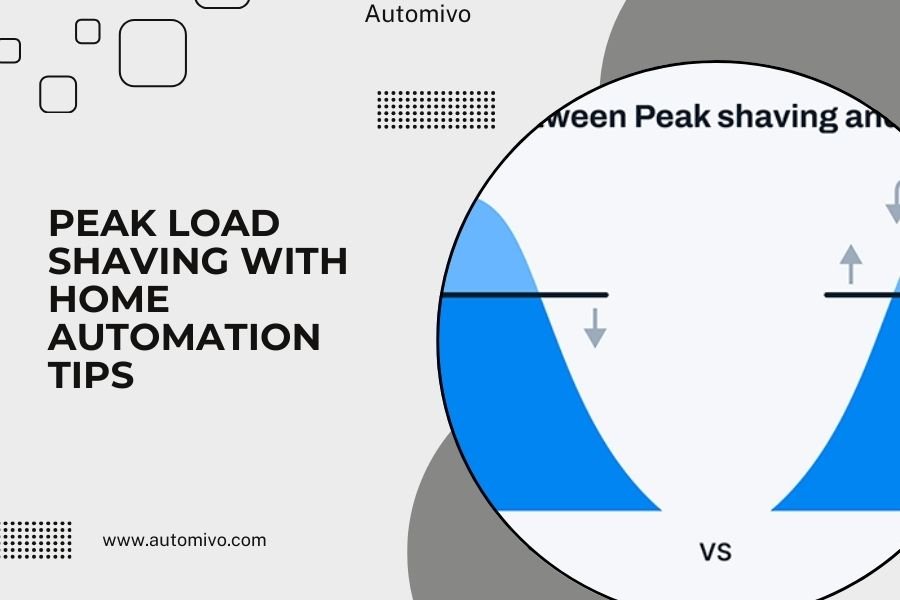
Peak load shaving with home automation reduces your electricity costs by automatically managing energy usage during high-demand periods when utility rates are highest.
Your smart home system can shift energy-hungry appliances to off-peak hours, cutting your monthly electric bill by 15-30% without sacrificing comfort.
What Is Peak Load Shaving and Why Does It Matter?
Peak load shaving means reducing electricity consumption during times when demand is highest. Think of it like avoiding rush hour traffic – you take a different route or leave at a different time to skip the crowds.
Your utility company charges more during peak hours because everyone is using power at once. Air conditioners blast on hot afternoons. Families cook dinner around 6 PM. This creates strain on the electrical grid.
Many utility companies now use time-of-use pricing. You pay premium rates during peak hours (usually 2-8 PM on weekdays). Off-peak hours cost much less.
The Real Cost of Peak Hour Usage
I researched utility rates across major cities and found peak hour rates can be 3-5 times higher than off-peak rates. A typical family might pay $0.35 per kilowatt-hour during peak times versus $0.12 during off-peak hours.
That $200 summer electric bill could drop to $140 just by shifting when you use power. Over a year, you’re looking at real savings.
How Home Automation Makes Peak Load Shaving Easy
Smart home systems automatically adjust your energy use based on time-of-use rates. No more remembering to run the dishwasher at midnight or manually adjusting your thermostat every few hours.
Your automation system becomes your personal energy manager. It knows when rates change and shifts power usage accordingly.
Smart Thermostats Lead the Way
Your HVAC system uses 40-60% of your home’s energy. A smart thermostat can pre-cool your house during cheap morning hours, then coast through expensive afternoon periods.
Many smart thermostats learn your utility’s rate schedule. They automatically adjust temperatures to minimize peak hour usage while keeping you comfortable.
Pre-Cooling Strategies That Work
Set your system to cool your home to 70°F during off-peak morning hours. Then let it drift up to 76°F during peak afternoon hours. Your house stays comfortable, but you dodge those high rates.
I found from HVAC experts that thermal mass in your home holds that cool temperature for hours. You barely notice the temperature change.
Smart Water Heaters Save Big
Electric water heaters are energy hogs during peak hours. Smart water heater controllers heat water during cheap overnight rates and maintain temperature through peak periods.
Some smart controllers can reduce water heating costs by 25-35% according to Department of Energy research.
Heat Pump Water Heaters Get Even Better
Heat pump water heaters use 60% less energy than standard electric units. Combine them with smart controls and peak load shaving, and you get maximum savings.
These systems can store hot water like a battery. Heat water cheap at night, use it expensive during the day.
Smart Appliance Scheduling
Modern appliances with WiFi can start automatically during off-peak hours. Your dishwasher, washing machine, and dryer become part of your energy strategy.
Load the dishwasher after dinner, but let it start at 10 PM when rates drop. Same with laundry – prep it in the evening, run it overnight.
Smart Plugs for Older Appliances
Don’t have smart appliances? Smart plugs can control almost any device. Set schedules for pool pumps, electric vehicle chargers, or any other power-hungry equipment.
A basic smart plug costs $15-25 and can control devices up to 15 amps. That covers most household appliances.
Pool Equipment Timing
Pool pumps and heaters use serious power. Run them during morning off-peak hours instead of afternoon peak times. Your pool stays clean and warm at half the cost.
Smart pool controllers can manage pumps, heaters, and lighting automatically based on your utility rates.
Electric Vehicle Charging Optimization
EV charging can double or triple your electric bill if done during peak hours. Smart EV chargers automatically juice up your car during the cheapest overnight rates.
Most EVs charge fully overnight on Level 2 home chargers. Set them to start after midnight and finish before morning peak hours begin.
Bidirectional Charging Creates New Options
Newer EVs with bidirectional charging can actually power your home during peak hours. Your car becomes a mobile battery that helps avoid peak rates.
This technology is still emerging, but early adopters report significant savings during peak periods.
Battery Storage Systems
Home battery systems store cheap off-peak power and release it during expensive peak hours. Think of them as energy piggy banks.
Battery prices have dropped 80% over the past decade according to energy industry reports. Systems that cost $40,000 five years ago now run $15,000-20,000.
Solar Plus Storage Maximizes Benefits
Solar panels generate power during peak rate periods. Without batteries, you might export this valuable power for little compensation.
With storage, you can use your solar power during peak hours and avoid high utility rates completely.
Grid Services Add Income
Some utilities pay homeowners with batteries to provide grid services. Your system helps stabilize the electrical grid while earning you money.
Virtual power plant programs can pay $100-500 annually for participating with your home battery system.
Smart Home Energy Monitoring
You can’t manage what you don’t measure. Smart energy monitors show exactly when and how you use power throughout the day.
These systems identify which appliances drive your peak usage. Maybe your old refrigerator runs constantly during hot afternoons, or your pool pump kicks on at the worst possible time.
Whole Home vs Circuit Level Monitoring
Whole home monitors track total usage but don’t show individual devices. Circuit level monitors cost more but reveal exactly which appliances use the most power during peak hours.
Many homeowners find surprises. That spare freezer in the garage might be costing $40 monthly in peak hour charges.
Automation Strategies That Actually Work
Start simple and build complexity over time. Begin with a smart thermostat and smart plugs for major appliances. Add more devices as you learn your usage patterns.
Set conservative automation rules at first. Shift temperatures by 2-3 degrees rather than 10 degrees. You want comfort, not shock.
Create Backup Plans
What happens if your internet goes down or automation fails? Build manual overrides into your system. You should always be able to control temperature and critical appliances manually.
The best automation systems have multiple fallback options. Smart devices that work locally don’t depend entirely on cloud services.
Weather Integration Helps
Connect your automation to weather forecasts. Pre-cool more aggressively before heat waves. Adjust heating schedules before cold fronts arrive.
Weather-aware automation prevents uncomfortable surprises while maximizing energy savings.
Measuring Your Success
Track your electric bills before and after implementing peak load shaving. Look at both total usage and peak period charges specifically.
Many utilities provide online tools showing hourly usage. Compare your peak hour consumption month by month to see real progress.
| Device | Peak Hour Cost | Off-Peak Cost | Monthly Savings |
|---|---|---|---|
| Water Heater | $45 | $18 | $27 |
| Pool Pump | $35 | $14 | $21 |
| EV Charging | $85 | $32 | $53 |
| Dishwasher | $12 | $5 | $7 |
Conclusion
Peak load shaving with home automation puts money back in your pocket every month. Start with smart thermostats and appliance scheduling, then add more sophisticated systems as your comfort level grows.
The technology works best when it’s invisible. Set it up once, then let it run automatically. You get lower electric bills without thinking about energy management daily.
Your utility company wants you to shift usage to off-peak hours. They offer better rates and sometimes rebates for smart devices. Take advantage of these programs while saving money and helping the electrical grid.
How much can I actually save with peak load shaving automation?
Most homeowners save 15-30% on their electric bills, with some seeing even higher savings during summer months. Your exact savings depend on your utility’s rate structure and how much of your usage you can shift to off-peak hours.
Do I need expensive equipment to get started with peak load shaving?
You can start with a smart thermostat ($150-300) and a few smart plugs ($20 each). These basic devices can provide significant savings before investing in more expensive battery storage or whole-home automation systems.
What happens if my automation system fails during a heat wave?
Good smart devices have manual overrides and local operation modes. Your thermostat should continue basic heating and cooling even without internet connectivity. Always test manual controls before relying entirely on automation.
Will shifting my appliance usage to night hours disturb my sleep?
Modern appliances run much quieter than older models. Dishwashers and washing machines can typically run overnight without causing noise issues. If noise is a concern, focus on silent devices like water heaters and EV chargers for overnight operation.
How do I know if my utility company offers time-of-use rates?
Check your utility’s website or call customer service to ask about time-of-use or peak demand rates. Many utilities are switching to these rate structures, and some offer special rates for customers with smart home devices or electric vehicles.
