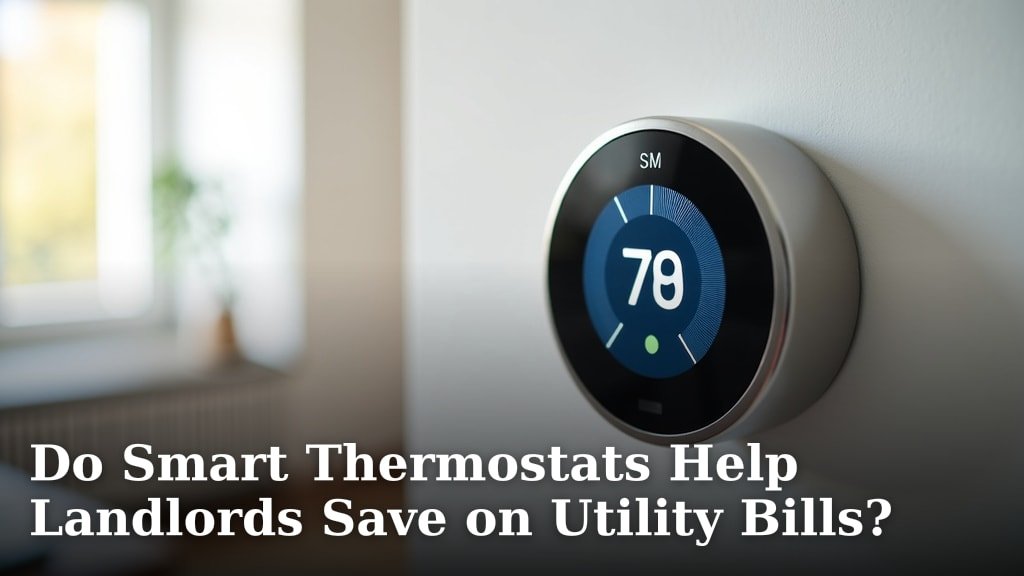
Yes, smart thermostats can absolutely help landlords save money on utility bills. By offering better control over heating and cooling, they prevent wasted energy when units are vacant. This means you can see a real reduction in your property’s overall energy consumption.
Smart thermostats provide remote access and programmable schedules. This allows landlords to manage energy use across multiple properties from anywhere. You can easily adjust temperatures to avoid unnecessary costs. This technology is a smart investment for responsible property management and can lead to substantial long-term savings.
- Smart thermostats save landlords money.
- They offer remote control of heating and cooling.
- Programmable schedules prevent energy waste.
- Ideal for managing multiple rental properties.
- Reduces overall utility bills and costs.
Let’s take a closer look at how smart thermostats work to help you manage those utility bills more effectively.
You’ve got rental properties, and you’re looking for smart ways to keep your utility bills in check. It’s a common challenge for landlords. You want your tenants to be comfortable, but you also don’t want to be footing the bill for wasted energy. So, can these fancy smart thermostats actually make a difference for your bottom line?
How Smart Thermostats Can Slash Your Rental Property Expenses
Yes, smart thermostats are a smart investment for landlords. They offer much more than just temperature control. You get powerful tools to manage energy consumption. This can lead to noticeable savings on your utility bills. We’ve found that many landlords see a positive impact.
Understanding the Basics: What is a Smart Thermostat?
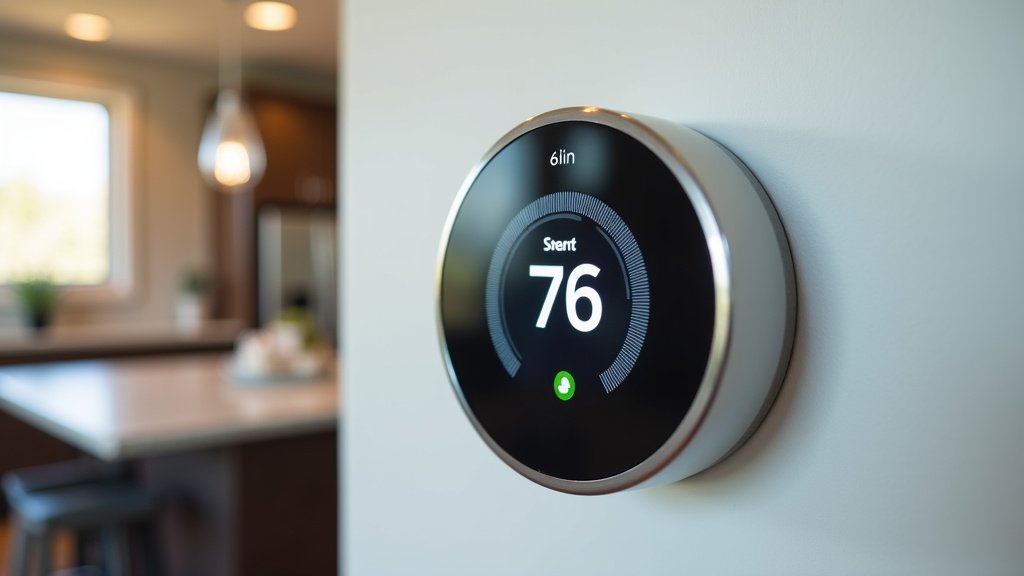
Think of a smart thermostat as a thermostat with a brain. It connects to your home’s Wi-Fi. This allows you to control it remotely using a smartphone app. Unlike traditional thermostats, they learn your habits. They can also be programmed with complex schedules. Many models offer energy usage reports. This gives you a clear picture of where energy is going. They are more than just a gadget; they are a cost-saving device.
The Landlord’s Advantage: Remote Control and Scheduling
This is where smart thermostats truly shine for property owners. Imagine managing the heating and cooling for multiple units from your couch. Or even from another state! That’s the power of remote control.
Never Pay for Empty Property Heating Again
One of the biggest drains on utility bills is heating or cooling an empty property. When a unit is vacant between tenants, you’re essentially paying to condition an empty space. Smart thermostats put an end to this waste. You can set a lower “away” temperature when the unit is vacant. Then, adjust it remotely before a new tenant moves in.
This simple adjustment can lead to significant energy savings. We found that even a few degrees difference can add up quickly over a month. No more guessing if the previous tenant left the AC blasting or the heat cranked up.
Tailored Schedules for Every Situation
Beyond vacancy, smart thermostats allow for detailed scheduling. You can set different temperatures for different times of the day. This is great for properties that are only occupied part-time. For example, you can program the thermostat to lower the temperature overnight or when you know the tenants are usually out. This prevents unnecessary energy use. Many experts recommend this approach for energy efficiency (U.S. Department of Energy).
If you have long-term tenants, you can work with them to set a schedule that suits their lifestyle. Or, if you manage the property yourself, you can ensure energy isn’t being wasted when the property is unoccupied for extended periods.
Key Features That Boost Savings for Landlords
Smart thermostats come packed with features designed to help you manage energy use. Some are simple, while others are quite advanced. Let’s look at the ones that matter most for your utility bills.
Geofencing: The “Set It and Forget It” Savings
Geofencing uses your smartphone’s location. It can automatically adjust the thermostat when your tenants leave or return home. When the last person leaves the geofence area, the thermostat can switch to an energy-saving mode. When someone approaches the geofence, it can resume the comfortable temperature. This automatic energy management is a fantastic feature. It requires minimal effort from tenants.
Energy Usage Reports: Track Your Savings
Many smart thermostats provide detailed reports on energy consumption. You can see how much energy your heating and cooling system is using. You can often compare usage month-to-month. This data helps you understand your savings. It also highlights any potential issues. For instance, if usage is unexpectedly high, it might indicate a problem with the system or insulation.
These reports offer transparency and accountability. You can see the direct impact of your smart thermostat settings. This data is gold for any landlord focused on reducing costs.
Learning Capabilities: Efficiency on Autopilot
Some advanced smart thermostats can learn your tenants’ routines over time. They observe when you adjust the temperature. They then start to create an optimal schedule on their own. This means the system becomes more efficient without you needing to program it constantly. It’s like having a tiny energy manager working 24/7.
Comparing Smart vs. Traditional Thermostats for Landlords
Let’s lay out the differences clearly. Understanding these will help you see why a smart thermostat is a better choice for saving money.
| Feature | Traditional Thermostat | Smart Thermostat |
|---|---|---|
| Control | Manual adjustment only | Remote app, voice, manual |
| Scheduling | Limited or none | Advanced, customizable, learning |
| Energy Reports | None | Detailed usage data, alerts |
| Vacancy Management | Difficult, requires manual override | Easy, remote adjustments, geofencing |
| Tenant Engagement | Limited | Potential for tenant input, app access |
| Upfront Cost | Low | Moderate to High |
| Long-Term Savings | Minimal | Significant |
As you can see, while the initial cost is higher for smart thermostats, the potential for long-term savings is substantially greater. You’re investing in efficiency and control.
Are Smart Thermostats Suitable for All Rental Properties?
Generally, yes. However, there are a few points to consider. Your properties need a stable Wi-Fi connection for the smart features to work. If Wi-Fi is spotty or unavailable, a smart thermostat might not be the best fit. Also, some older HVAC systems might have compatibility issues.
Always check the thermostat’s compatibility with your specific heating and cooling systems. Manufacturers provide compatibility checkers on their websites. For most modern rentals, though, smart thermostats are an excellent upgrade. They can make your property more attractive to potential renters too!
Tenant Considerations and Smart Thermostats
When introducing smart thermostats, it’s good to communicate with your tenants. Explain the benefits of energy savings and how the thermostat works. Many smart thermostats allow tenants to control their comfort within set parameters. This can actually increase tenant satisfaction.
You can set reasonable temperature ranges. This ensures comfort while preventing excessive energy use. For example, you might set a range of 68-74°F (20-23°C) for heating. This gives tenants flexibility while avoiding extreme settings that drive up costs.
Clear communication is key. Provide simple instructions or a quick tutorial. Most tenants appreciate having modern, easy-to-use technology in their home. Many experts suggest tenant education can improve energy-saving behaviors (Environmental Protection Agency).
Getting the Most Bang for Your Buck: Smart Installation
For the best results, professional installation is often recommended. A qualified HVAC technician can ensure the thermostat is wired correctly. They can also help you set up the initial programming and Wi-Fi connection. This saves you time and potential headaches. It also guarantees you’re getting the maximum energy efficiency from your new device.
Don’t forget to explore any potential rebates or incentives offered by local utility companies. Many programs offer discounts on smart thermostats to encourage energy conservation. This can further reduce your upfront investment.
Your Smart Thermostat Savings Checklist
Ready to take the plunge? Here’s a quick checklist to make sure you’re set for success:
- Assess Wi-Fi Availability: Ensure each property has a reliable Wi-Fi signal.
- Check HVAC Compatibility: Verify the thermostat works with your existing system.
- Consider Professional Installation: For optimal setup and performance.
- Communicate with Tenants: Explain the features and benefits clearly.
- Explore Rebates: Look for local utility company incentives.
- Monitor Usage Reports: Track your savings and identify potential issues.
By following these steps, you can confidently implement smart thermostats. You’ll be on your way to lowering your utility bills across your rental portfolio.
Conclusion
You’ve seen how smart thermostats offer a powerful way to control energy costs across your rental properties. By enabling remote management and smart scheduling, they directly combat wasted energy when units are vacant. This investment goes beyond mere convenience; it’s a strategic move towards lower utility bills and improved property management. Take the first step today by assessing your properties’ Wi-Fi and HVAC compatibility, and start enjoying the long-term savings these devices provide.
Frequently Asked Questions
How much money can landlords realistically save with smart thermostats?
Research and landlord experiences show savings can range from 10-20% on heating and cooling costs. This depends on factors like property vacancy rates and tenant usage habits. Consistent remote adjustments and programmed schedules are key to maximizing these savings.
What if a rental property doesn’t have reliable Wi-Fi?
If Wi-Fi is unreliable, a smart thermostat’s remote features won’t function. In such cases, a traditional programmable thermostat might be a more practical choice for basic scheduling. Ensure you have a stable internet connection before investing in smart technology.
Can tenants override smart thermostat settings?
Most smart thermostats allow for tenant control within pre-set limits you define. You can set a comfortable temperature range, preventing extreme usage while still giving tenants autonomy. This balance can lead to happier tenants and controlled costs.
Are smart thermostats difficult to install in rental units?
While some DIY installation is possible, professional installation is recommended. An HVAC technician can ensure proper wiring and setup for optimal performance. This also helps avoid potential compatibility issues with your existing heating and cooling systems.
Do smart thermostats increase property value or tenant appeal?
Yes, modern amenities like smart thermostats can make your rental properties more attractive to potential tenants. They signal a well-maintained and technologically up-to-date property, potentially leading to quicker rentals and higher tenant retention.
