
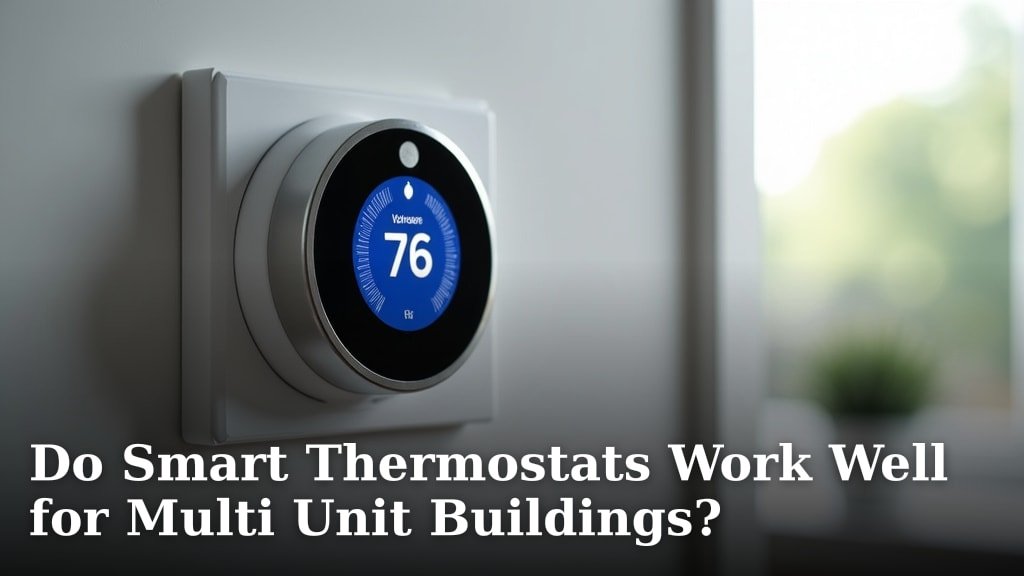
Yes, smart thermostats can work well for multi-unit buildings, especially when installed properly and with the right strategy. They offer significant energy savings and improved comfort for residents. Smart thermostats bring modern control to older buildings, making them more efficient. You can find solutions that balance individual control with building-wide management.
Many building managers are turning to smart thermostats to reduce operating costs and keep tenants happy. These devices allow for remote monitoring and control, which is a big plus for property owners. It’s not just about saving money; it’s also about providing a more comfortable living experience for everyone involved. Research shows they can substantially cut down on heating and cooling expenses.
- Smart thermostats offer real savings for multi-unit buildings.
- Proper installation and strategy are key for success.
- They improve tenant comfort and building efficiency.
- Remote monitoring is a major benefit for managers.
Let’s break down how smart thermostats fit into a multi-unit setting and what you need to consider to make them work for your building.
Smart Thermostats in Multi-Unit Buildings: A Smart Move?
Yes, smart thermostats can work well for multi-unit buildings, especially when installed properly and with the right strategy. They offer significant energy savings and improved comfort for residents. Smart thermostats bring modern control to older buildings, making them more efficient. You can find solutions that balance individual control with building-wide management.
Many building managers are turning to smart thermostats to reduce operating costs and keep tenants happy. These devices allow for remote monitoring and control, which is a big plus for property owners. It’s not just about saving money; it’s also about providing a more comfortable living experience for everyone involved. Research shows they can substantially cut down on heating and cooling expenses.
Why Consider Smart Thermostats for Your Apartment Building
Thinking about upgrading your apartment building’s heating and cooling system? Smart thermostats might be just the ticket. They offer more than just fancy app control; they bring real, measurable benefits to both building owners and the people living in the units. Let’s explore why they’re becoming so popular.
Energy Efficiency and Cost Savings
This is often the biggest draw for multi-unit buildings. Heating and cooling costs can add up quickly. Smart thermostats are designed to be much more efficient than older, manual models. They learn your building’s heating and cooling patterns and adjust accordingly. This means less wasted energy. Studies have found that smart thermostats can reduce heating and cooling bills by an average of 10% to 20% annually (Energy.gov).
Imagine a building where the heating system doesn’t run unnecessarily when units are vacant or when temperatures are already comfortable. Smart thermostats make this a reality. They can also help you avoid those peak demand charges from utility companies, which can be a nice little saving each month.
Enhanced Tenant Comfort and Satisfaction
Happy tenants are good tenants. Providing a comfortable living environment is key. Smart thermostats give residents more control over their own space. They can easily adjust the temperature from their phone, ensuring their apartment is always just right. This reduces the number of tenant complaints about being too hot or too cold.
When tenants feel their needs are met, they are more likely to renew their leases. This means less turnover for you, which saves money on advertising and preparing units between renters. A comfortable apartment is a significant perk that can set your property apart.
Remote Monitoring and Management
For building managers and owners, the ability to monitor and control thermostats remotely is a game-changer. You can check in on any unit’s temperature from your smartphone or computer. This is incredibly useful if a tenant is out of town and reports a problem, or if you want to ensure a unit isn’t overheating or freezing.
This remote access also helps with preventative maintenance. You can spot unusual energy usage patterns that might indicate a problem with the HVAC system before it becomes a major, costly repair. It’s like having eyes and ears on your building’s climate control 24/7.
How Smart Thermostats Work in Multi-Unit Buildings
The way smart thermostats function in apartment buildings can vary. It’s not a one-size-fits-all situation. Understanding the different setups will help you choose the best approach for your property.
Individual Unit Control vs. Centralized Management
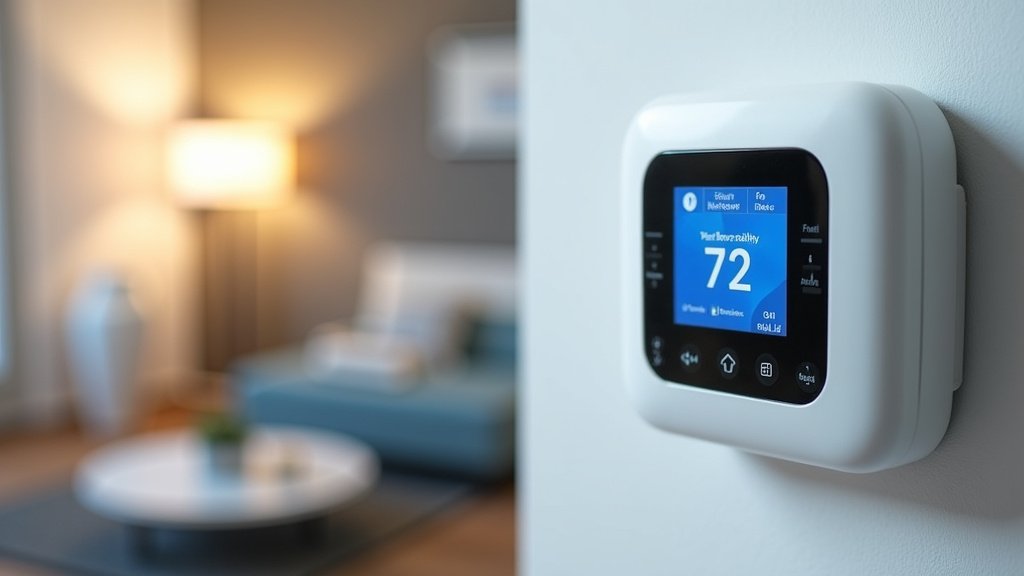
One of the main considerations is whether each tenant controls their own thermostat or if there’s a more centralized system. Many smart thermostat systems are designed for individual units. This means each apartment gets its own smart thermostat, and the tenant has control over their space. This is great for tenant satisfaction.
Alternatively, some systems offer a centralized dashboard for building management. From this dashboard, you can monitor all the thermostats in the building. You might be able to set building-wide temperature ranges or schedules, while still allowing tenants some override capabilities within those parameters. This approach balances individual needs with overall building efficiency goals.
HVAC System Compatibility
Before you buy, you need to check if your building’s existing HVAC systems are compatible with smart thermostats. Most modern HVAC systems will work, but older ones might have specific wiring requirements. It’s always best to consult with an HVAC professional. They can assess your current setup and tell you what kind of smart thermostat will be a good fit.
Some smart thermostats are designed to work with a wider range of systems than others. For example, if your building uses a central boiler system for heating, you’ll need a thermostat that can manage that type of setup. Similarly, central air conditioning systems have different needs than individual window units.
Installation and Setup Considerations
Installation can range from a simple DIY project to needing a professional electrician or HVAC technician. For multi-unit buildings, especially larger ones, professional installation is often recommended. This ensures everything is wired correctly and safely. For multi-unit buildings, especially larger ones, professional installation is often recommended, and our guide covers DIY installation.
Think about how you’ll manage the Wi-Fi network. Each smart thermostat needs an internet connection to be controlled remotely. You’ll need a reliable Wi-Fi setup that can support all the devices. If you’re planning on a building-wide system, you might need to work with an IT professional to ensure robust connectivity.
Potential Challenges and How to Overcome Them
While the benefits are clear, it’s wise to anticipate any hurdles. Facing potential issues head-on means you can plan for them and ensure a smoother transition.
Tenant Education and Adoption
Not everyone is tech-savvy. Some tenants might be hesitant to use a smart thermostat or unsure how it works. You’ll need a plan to educate them. Clear instructions, perhaps a brief tutorial video, or even a quick walkthrough can make a big difference. Many experts recommend simple, user-friendly interfaces for this reason (Consumer Reports).
Make it clear what the benefits are for them, like easier temperature control and consistent comfort. A well-informed tenant is more likely to embrace the new technology and use it effectively. This leads to better energy savings for everyone.
Internet Connectivity and Reliability
Smart thermostats rely heavily on a stable internet connection. If your building has spotty Wi-Fi, the smart features won’t work as intended. This can lead to frustration for tenants and loss of remote management capabilities for you. Ensure your building has strong, reliable Wi-Fi coverage throughout.
Consider investing in a mesh Wi-Fi system or a robust business-grade internet plan if you have widespread issues. For buildings with many units, a dedicated network for building management systems might be worth exploring. This separates critical functions from guest networks.
Cost of Implementation
The upfront cost of purchasing and installing smart thermostats for an entire building can seem daunting. However, it’s important to look at this as an investment. The energy savings over time can offset the initial expense. Many studies show a return on investment within a few years.
You might also explore different models. Some smart thermostats are more budget-friendly than others. Look for bulk discounts if you’re outfitting an entire building. Also, check for any local or federal rebates or tax credits for energy-efficient upgrades. These can significantly reduce your out-of-pocket costs.
Choosing the Right Smart Thermostat System
With so many options out there, how do you pick the best one for your multi-unit property? It’s about matching features to your specific needs.
Key Features to Look For
When comparing different smart thermostat systems, consider these features:
- Remote Access: Essential for building managers to monitor and control.
- Scheduling: Allows for custom temperature settings based on time of day or occupancy.
- Learning Capabilities: The thermostat learns patterns and optimizes automatically.
- Energy Usage Reports: Provides data on consumption, helping identify savings opportunities.
- Alerts and Notifications: Informs you of potential issues like extreme temperatures or system malfunctions.
- Geofencing: Adjusts temperature based on whether the unit is occupied or not.
System Types for Multi-Unit Buildings
There are a few main categories of smart thermostat systems suitable for multi-unit properties:
| System Type | Description | Best For |
|---|---|---|
| Individual Unit Smart Thermostats | Each apartment has its own smart thermostat with tenant control. Building management can often access a dashboard. | Properties where tenant comfort and individual control are top priorities. |
| Centralized Building Management Systems | A single system that controls and monitors all HVAC units from a central point. Tenants may have limited local control. | Large complexes focused on maximizing energy efficiency and operational control. |
| Hybrid Systems | Combines individual unit thermostats with advanced central oversight and reporting features. | Properties seeking a balance between tenant autonomy and robust building management. |
Making the Smart Choice: A Checklist
Ready to move forward? Here’s a quick checklist to help you prepare and make the right decisions:
- Assess your current HVAC system for compatibility.
- Determine your budget for purchase and installation.
- Decide on the level of tenant control versus building management oversight.
- Research smart thermostat brands that specialize in multi-unit solutions.
- Plan for tenant education and provide clear instructions.
- Ensure your building has reliable Wi-Fi coverage throughout.
Conclusion
Upgrading your multi-unit building with smart thermostats is a smart investment for the future. You’re not just adding modern tech; you’re actively working to reduce operational costs and boost tenant satisfaction. By carefully considering individual unit control, HVAC compatibility, and reliable Wi-Fi, you can ensure a smooth transition. Don’t let potential challenges like tenant education or upfront costs deter you. With the right strategy and system choice, you can achieve significant energy savings and a more comfortable living environment for everyone.
Ready to take the next step? Assess your current HVAC systems and your budget today to find the best smart thermostat solution for your property.
Frequently Asked Questions
Can tenants override the temperature set by building management?
Yes, often they can. Many systems allow tenants to adjust their unit’s temperature within a range set by the building manager. This provides a good balance between tenant comfort and overall energy efficiency goals.
What is the typical lifespan of a smart thermostat in a multi-unit building?
Smart thermostats are generally designed to last for many years, often 10 years or more. Proper installation and avoiding extreme environmental conditions can help maximize their lifespan.
Do I need a separate Wi-Fi network for each smart thermostat?
No, you usually don’t need a separate network for each one. Most smart thermostats can connect to your building’s existing Wi-Fi network. However, ensuring strong, reliable coverage throughout is essential for all devices.
Are smart thermostats difficult for tenants to use?
Most smart thermostats are designed with user-friendly interfaces and smartphone apps. Providing simple instructions or a brief tutorial can help tenants quickly get comfortable with controlling their unit’s climate.
Can smart thermostats help with maintenance issues in my building’s HVAC?
Yes, they can. Many systems offer alerts for unusual temperature fluctuations or system performance issues. This can help you identify potential HVAC problems early, allowing for quicker repairs before they become major issues.
