

Yes, buying multiple room sensors can absolutely be worth it for your smart home. You gain a much more complete picture of your home’s environment, leading to better comfort and efficiency. This is especially true if you have varying conditions across different areas of your house.
Think about it: one sensor can tell you about the living room, but what about that stuffy bedroom or the drafty basement? Adding more sensors helps you pinpoint specific problem areas and make targeted adjustments. We’ve found this is key to truly optimizing your home’s atmosphere and energy use.
- It’s generally worth getting more than one sensor.
- Multiple sensors give you a detailed view of your home.
- You can identify and fix specific comfort issues.
- It helps in making your home more energy efficient.
- You get better control over your smart home devices.
Let’s break down why having several sensors can make a big difference and help you decide if it’s the right move for your home. Learn about multi-zone smart heating to understand how different areas can have separate controls.
Getting the Most Out of Your Smart Home with Extra Sensors
You might be wondering if buying more than one room sensor is really necessary for your smart home setup. We’ve looked into it, and the answer is a resounding yes for most people. A single sensor is a good start, but it only tells part of the story about your home’s environment. To truly optimize comfort and energy savings, you need a clearer, more detailed picture.
Think of your home like a person. One temperature reading isn’t enough to know how they’re feeling, right? They might be sweating in one room and chilly in another. The same goes for your house. Multiple sensors give you that comprehensive view, helping you make smart decisions.
Why One Sensor Isn’t Always Enough
Your home isn’t a uniform box. Different areas experience different conditions. This is a common finding in smart home research. Your living room might be perfectly comfortable, while your upstairs bedroom gets incredibly hot in the afternoon sun. Or perhaps your basement stays perpetually cool and damp.
A single sensor can only report on its immediate surroundings. If you rely on just one, you’re likely making blanket decisions for your entire house based on a single data point. This can lead to wasted energy and discomfort in other zones.
The Limitations of Single-Sensor Coverage
Imagine your thermostat is in the hallway, and you have one sensor in the living room. If the thermostat relies solely on that hallway reading, it might not accurately reflect the temperature in other rooms. This can result in your heating or cooling system running longer than necessary.
Many smart home users find that a single sensor can’t capture the full picture. You end up with areas that are too hot, too cold, or too humid. This defeats some of the core benefits of a smart home, like consistent comfort and efficiency.
Benefits of Expanding Your Sensor Network
Adding more room sensors opens up a world of possibilities for fine-tuning your home environment. It’s about achieving that perfect balance you’ve always wanted, room by room. We found that this is where the real magic of smart home technology happens.
When you have data from multiple locations, you can see trends and identify specific issues. This allows you to take targeted action, rather than making broad, less effective adjustments. It’s like having a team of tiny environmental monitors working for you.
Precision Comfort Control
This is perhaps the biggest win. With multiple sensors, your smart thermostat or HVAC system can receive input from different zones. You can then set preferences for each room. For example, you might want the bedroom cooler at night, while the living room is kept at a different temperature during the day.
Some advanced systems allow you to create “scenes” or “routines” based on sensor readings. You could set up a rule that says, “If the bedroom temperature rises above 75°F after 10 PM, turn on the ceiling fan.” This level of granular control leads to much better personal comfort.
Enhanced Energy Efficiency
Wasted energy is a major concern for homeowners. Running your heating or cooling systems more than needed directly impacts your utility bills. Multiple sensors help you avoid this common pitfall. You only heat or cool the areas that need it, when they need it.
For instance, if a rarely used guest room is consistently at a comfortable temperature, your system won’t waste energy trying to adjust it. Or, if your upstairs rooms are already cool from the sun setting, your AC won’t overwork itself. Research from energy agencies suggests that zoned climate control can lead to significant savings (U.S. Department of Energy).
Consider this common scenario: You leave the house, but one room sensor detects that the upstairs bedrooms are already cool. Your smart system, informed by this data, can then reduce heating or cooling efforts for those unoccupied zones, saving you money without sacrificing comfort when you return.
Identifying and Addressing Problem Areas
Sometimes, you just know a room isn’t quite right. It might feel drafty, stuffy, or just generally unpleasant. Multiple sensors can help you diagnose these issues. You can see if a room is consistently colder or hotter than others, or if humidity levels are off.
For example, a sensor in a bathroom might show unusually high humidity after showers. This could indicate a need for better ventilation or a more powerful exhaust fan. Similarly, a sensor near a window might reveal drafts by showing a consistent temperature difference compared to the rest of the room.
Humidity and Air Quality Insights
Beyond just temperature, many modern room sensors also track humidity. This is vital for maintaining a healthy indoor environment. High humidity can encourage mold growth and dust mites, while low humidity can lead to dry skin and irritated sinuses. Many health organizations recommend maintaining indoor humidity levels between 30% and 50% (Centers for Disease Control and Prevention).
By placing sensors in areas prone to humidity issues, like bathrooms or basements, you can get early warnings. This allows you to address potential problems like leaks or poor ventilation before they become serious. Some advanced sensors also monitor air quality, looking for VOCs (Volatile Organic Compounds) or CO2 levels, offering an even deeper understanding of your home’s health.
How Room Sensors Work Together
The real power comes when your sensors communicate with your smart devices. Most systems are designed for this interoperability. Your smart thermostat is the brain, and the sensors are its eyes and ears throughout the house.
When the thermostat receives data from various sensors, it can make much more intelligent decisions. Instead of just reacting to one point, it averages readings, prioritizes certain zones, or follows pre-set instructions for each room.
Smart Thermostat Integration
Your smart thermostat is the central hub for your home’s climate control. When you add more sensors, you expand its reach and intelligence. Think of it like giving your thermostat a superpower: the ability to feel the temperature everywhere.
For instance, if you have a 3-sensor setup (one in the living room, one in the master bedroom, one in the office), your thermostat can learn that the living room typically needs more heating in the evening, while the office needs less cooling during work hours. This adaptive learning, powered by sensor data, leads to greater efficiency and comfort. Explore adaptive learning thermostats that use sensor data to optimize your home’s climate.
Creating Different “Zones”
The concept of “zoning” your home’s climate is key. With multiple sensors, you’re essentially creating virtual climate zones. Each sensor can be assigned to a specific area, and you can set unique temperature preferences for each.
Some systems even allow for physical zoning with dampers in your ductwork, but even without that, you can achieve similar results through smart device automation. For example, you might tell your smart speaker, “Set the living room to 72 degrees,” and it uses the living room sensor’s data to ensure that temperature is met.
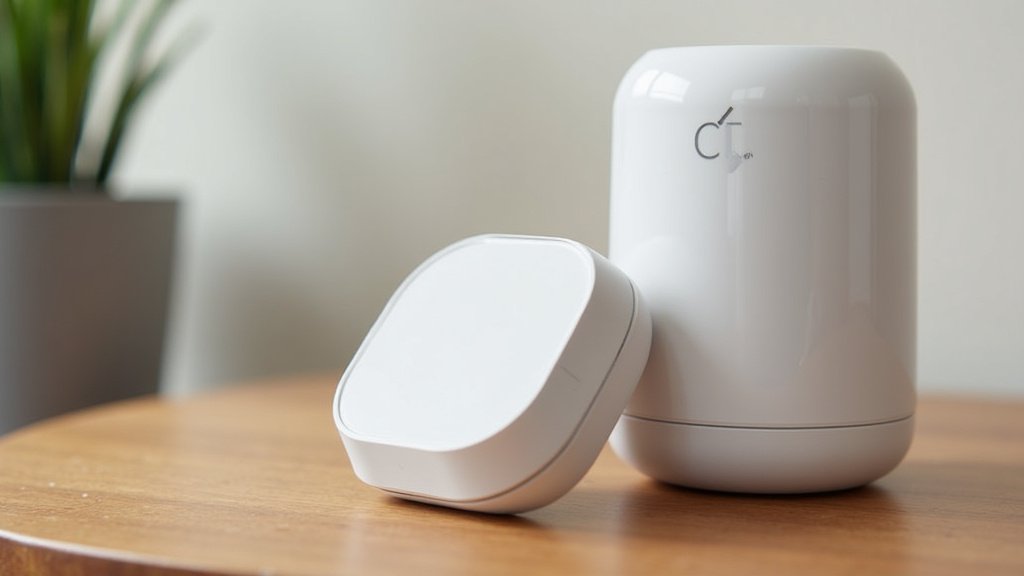
Types of Room Sensors and What They Measure
Not all sensors are created equal. While temperature is standard, many offer additional environmental monitoring capabilities. Understanding what each type measures can help you decide how many and which ones you need.
Temperature and Humidity Sensors
These are the most common types. They provide essential data for controlling your HVAC system. Knowing the precise temperature and humidity in different rooms allows for optimal comfort and helps prevent issues like mold or dry air.
Many users find that a basic temperature and humidity sensor is sufficient for most rooms. The insights they provide are often enough to make significant improvements to your home’s environment. We’ve found that these are the workhorses of any multi-sensor setup.
Advanced Environmental Sensors
Some sensors go further, measuring things like air quality (VOCs, CO2), motion, or even ambient light. Air quality sensors are particularly useful for identifying potential health risks or understanding ventilation needs. Motion sensors can sometimes be used to tell if a room is occupied, allowing for even smarter energy management.
If you have specific concerns about air quality, allergies, or optimizing energy use based on occupancy, these advanced sensors might be worth the investment. They provide a deeper level of data for a truly dialed-in smart home experience.
Making the Decision: How Many Sensors Do You Really Need?
Deciding on the right number of sensors involves a bit of practical thinking about your home and your priorities. It’s not a one-size-fits-all answer, but we can offer some guidelines.
Start with Problem Areas and High-Traffic Zones
If you’re unsure, begin by placing sensors in rooms that are consistently too hot or too cold. Your master bedroom, living room, and home office are good starting points as they are often occupied for extended periods.
Think about areas where comfort is most important to you. If your upstairs bedrooms get sweltering, that’s a prime candidate for a sensor. If your basement is damp and musty, a humidity sensor there could be very beneficial.
Consider Your Home’s Layout and Size
A small apartment might only need one or two sensors at most. A large, multi-story house with distinct temperature zones will likely benefit from more. Pay attention to how air circulates in your home.
For example, if you have a long hallway that connects rooms, the temperature at the end of the hallway might be quite different from the entrance. This is a clue that you might need sensors in multiple spots along that path or in the rooms it serves.
A Practical Checklist for Sensor Placement
Here’s a quick way to think about where to put your sensors:
- Do you have rooms that are always too hot or too cold?
- Is comfort a priority in your master bedroom or nursery?
- Do you work from home and want an optimized office environment?
- Are there areas with poor air circulation or high humidity (basement, bathroom)?
- Do you want to maximize energy savings by only conditioning occupied spaces?
- Would knowing room-specific temperature and humidity help you feel more in control?
Answering yes to even a couple of these questions suggests that adding more room sensors would be a worthwhile investment for your smart home. It’s about making your home work better for you.
Conclusion
You’ve seen how buying multiple room sensors can transform your smart home. They move you beyond basic automation to true environmental control. By understanding your home’s unique conditions room by room, you can achieve unparalleled comfort. Enhanced energy efficiency is another huge benefit, saving you money on utility bills. Don’t let comfort and savings slip away due to incomplete data. Your next step is simple: identify your home’s problem areas and start placing sensors where they’ll make the biggest difference. You’ll be amazed at the improvements you can make.
Frequently Asked Questions
How many room sensors do I need for a typical house?
For most houses, starting with 2-4 sensors is a good balance. Place one in your primary living area, your master bedroom, and any rooms that tend to be uncomfortable. You can always add more if specific areas still need attention.
Can room sensors help with allergies?
Yes, some advanced sensors can monitor air quality, including levels of VOCs or CO2. By understanding these readings and tracking humidity, you can take steps to improve ventilation and reduce allergens like mold or dust mites in specific rooms.
Will multiple sensors really save me money on energy bills?
Research and user experiences show they can, especially with smart thermostats. By ensuring you only heat or cool occupied areas to the desired temperature, you avoid wasting energy on empty rooms, which can lead to noticeable savings over time.
Do I need a special smart thermostat to use multiple sensors?
Most modern smart thermostats are designed to work with multiple sensors. Check your thermostat’s compatibility list, but generally, systems from major brands are built for this kind of expansion, allowing you to expand their reach and intelligence.
What’s the difference between a temperature sensor and a humidity sensor?
A temperature sensor measures how hot or cold a room is. A humidity sensor measures the amount of moisture in the air. Many sensors combine both functions, providing a more complete picture of your home’s environment for better comfort and health.
