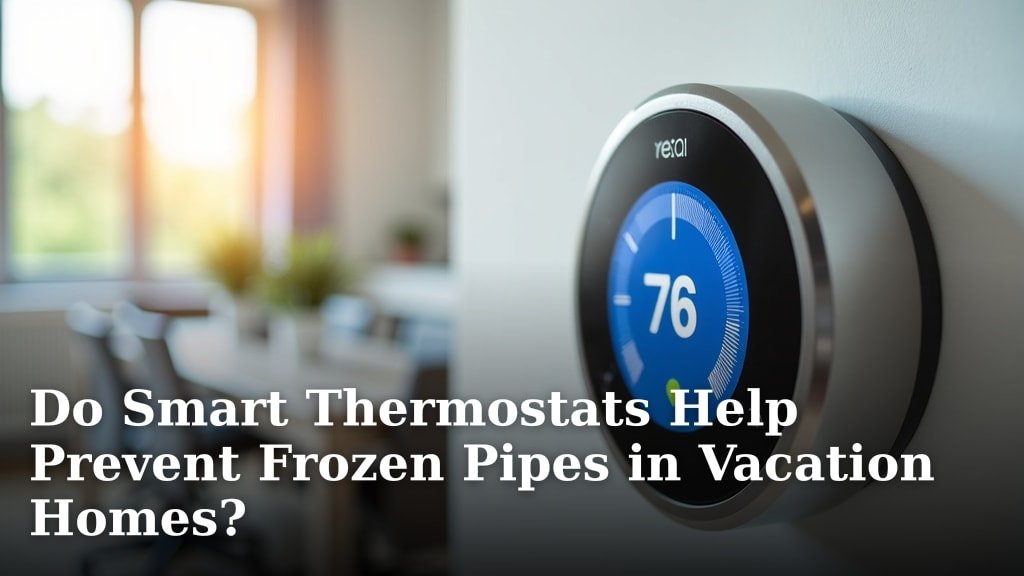
Yes, smart thermostats can help prevent frozen pipes in your vacation home by maintaining a safe temperature. They offer remote monitoring and control, giving you peace of mind. This helps ensure your home stays warm enough even when you’re far away.
Frozen pipes are a major headache for homeowners, especially those with second homes. A burst pipe can cause extensive water damage. Smart thermostats provide an extra layer of protection against these costly repairs. They are a smart investment for maintaining your property’s safety and preventing a winter nightmare.
- Smart thermostats can prevent frozen pipes.
- They allow remote temperature control.
- This helps avoid costly water damage.
- It’s a smart way to protect your vacation home.
Let’s look closer at how these devices work to keep your vacation home pipes safe and sound all winter long.
Smart Thermostats: Your Vacation Home’s Winter Guardian Against Frozen Pipes
Yes, smart thermostats can absolutely help prevent frozen pipes in your vacation home. They act like a vigilant caretaker, keeping an eye on your home’s temperature even when you’re miles away. This technology provides peace of mind, ensuring your property stays safe and sound throughout the cold months.
How Smart Thermostats Guard Against Frozen Pipes
Frozen pipes are a homeowner’s nightmare, especially for vacation homes. A burst pipe can lead to extensive water damage, causing costly repairs and a lot of stress. Smart thermostats offer a smart, reliable solution. They help maintain a consistent, safe temperature, significantly reducing the risk of your pipes freezing and bursting.
Understanding the Freezing Point of Water
Water freezes at 32 degrees Fahrenheit (0 degrees Celsius). When the temperature inside your vacation home dips this low, especially in unheated areas like basements, attics, or garages, your pipes are at risk. Cold air can seep in, dropping the temperature around pipes low enough for them to freeze.
Once frozen, water expands. This expansion can put immense pressure on your pipes. Eventually, this pressure can cause the pipe to burst. This isn’t a problem that resolves itself; it requires immediate attention and often extensive repairs.
The Role of a Smart Thermostat
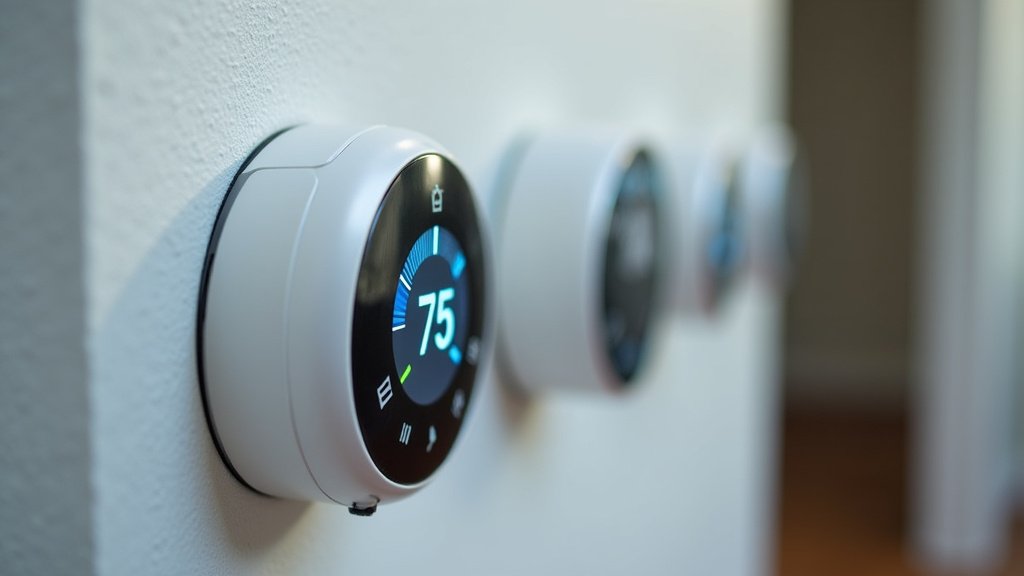
A smart thermostat is more than just a device that controls your heating. It’s an intelligent system designed for modern living. It connects to your home’s Wi-Fi network, allowing you to control it from anywhere using a smartphone app.
This remote access is the key to preventing frozen pipes. You can monitor your home’s temperature in real-time. If the temperature starts to drop too low, you get an alert. You can then adjust the heating remotely, ensuring your home stays above the freezing mark.
Maintaining a Safe Minimum Temperature
Most smart thermostats allow you to set a minimum temperature schedule. You can program it to keep your home at a specific temperature, say 50-55 degrees Fahrenheit, when it’s unoccupied. This is generally considered a safe baseline to prevent pipes from freezing.
This ensures that even if the external temperature plummets, your home’s internal environment remains warm enough to protect your plumbing. It’s like having a digital watchman for your pipes, always on duty.
Alerts and Notifications
One of the most powerful features of a smart thermostat is its ability to send alerts. Many devices can notify you if the temperature in your home drops suddenly or reaches a critical low point. This immediate notification gives you time to react before a disaster strikes.
Imagine getting a notification on your phone while you’re on vacation: “Temperature in your living room is 40°F.” You can then log in to your app and turn up the heat, averting potential pipe damage. This level of awareness is invaluable for second homeowners.
Beyond Basic Heating: Smart Features for Peace of Mind
Smart thermostats offer several features that go beyond simply setting a temperature. These advanced capabilities enhance their ability to protect your vacation home.
Many smart thermostats learn your heating patterns. They can also be programmed with custom schedules. For a vacation home, you can set a low “away” temperature and then program it to increase the heat a few hours before you plan to arrive.
Remote Control from Anywhere
The ability to control your thermostat remotely is the most significant advantage for vacation homes. Whether you’re at work, on a business trip, or enjoying a holiday overseas, your smartphone is your thermostat control panel. This gives you immediate control over your home’s heating.
This remote access is not just about comfort; it’s about practical damage prevention. You can adjust settings as needed, responding to unexpected cold snaps or changes in weather forecasts without being physically present.
Energy Savings While Staying Protected
While the primary goal is pipe protection, smart thermostats also help you save on energy bills. By setting a lower temperature when the house is empty, you’re not unnecessarily heating an unoccupied space. You only increase the heat when needed.
Research indicates that smart thermostats can help reduce heating costs by up to 10-15% annually (Energy.gov). This means you get enhanced protection for your vacation home and potential savings on your utility bills, making it a financially sound investment.
Comparing Smart Thermostats to Traditional Thermostats for Vacation Homes
Traditional thermostats are simple devices. They set a temperature and maintain it. However, they lack the intelligence and remote capabilities of smart thermostats, making them less ideal for vacation properties.
The Limitations of Traditional Thermostats
With a traditional thermostat, if you set it to a low temperature for winter, that’s it. There’s no way to check on it or adjust it remotely. You have to trust that the set temperature is sufficient.
If there’s a sudden, unexpected cold snap, or if your heating system has a hiccup, you won’t know until you visit your home or until a problem has already occurred. This lack of awareness is a significant drawback for homes that aren’t occupied full-time.
The Smart Thermostat Advantage
Smart thermostats bridge this gap. They offer constant connectivity and control. You can monitor your home’s temperature from your phone, tablet, or computer. This allows for timely adjustments and early detection of potential issues.
Consider this: a traditional thermostat might fail to keep up with a severe cold spell. A smart thermostat, with its connectivity, can alert you to the temperature dropping. You can then manually override the setting to prevent freezing. It’s a level of control and peace of mind that traditional models simply cannot match.
A Table of Differences
Here’s a quick look at how they stack up for vacation home protection:
| Feature | Traditional Thermostat | Smart Thermostat |
|---|---|---|
| Remote Monitoring | No | Yes |
| Remote Control | No | Yes |
| Temperature Alerts | No | Yes |
| Scheduling Flexibility | Limited/Manual | Advanced & Remote |
| Energy Savings Potential | Basic | Enhanced (up to 15%) |
| Pipe Freeze Prevention | Relies on set temp; no alerts | Active monitoring & remote control |
Essential Steps for Using Smart Thermostats to Prevent Frozen Pipes
Installing a smart thermostat is a great first step. However, you need to use it correctly to ensure it effectively protects your vacation home.
Proper Installation and Setup
Ensure your smart thermostat is installed correctly by a qualified professional. Proper installation guarantees that it communicates effectively with your HVAC system. Once installed, take the time to set it up through the manufacturer’s app.
Connect it to your home’s Wi-Fi network. Download the app on your smartphone or tablet. Register your device and familiarize yourself with its interface and settings. This initial setup is crucial for functionality.
Setting Up Your Away Schedule
This is where the magic happens for vacation homes. Program your thermostat to maintain a lower, safe temperature when you’re not there. Many experts recommend keeping your home at a minimum of 50°F (10°C) to prevent pipes from freezing (Consumer Reports).
Consider the specific areas of your home. If you have a basement or garage that tends to get colder, you might need to set the overall home temperature a degree or two higher. Always check your thermostat’s recommendations and local climate.
Activating Alerts and Notifications
Don’t overlook the alert features. Configure your smart thermostat app to send notifications for low temperatures, power outages, or system malfunctions. These alerts act as your early warning system.
Make sure your contact information is up-to-date in the app. If you receive an alert, act on it promptly. This might involve remotely increasing the heat, contacting a local handyman, or informing a trusted neighbor.
Regular System Checks
Even with a smart thermostat, it’s wise to have your HVAC system inspected periodically by a professional. Ensure your heating system is running efficiently and without issues.
Regular maintenance can prevent unexpected breakdowns that could leave your home vulnerable. A smart thermostat is a great tool, but it works best when paired with a well-maintained heating system.
Checklist for Smart Thermostat Pipe Protection
Here’s a quick checklist to ensure your smart thermostat is set up for maximum protection:
- Install and connect your smart thermostat to Wi-Fi.
- Download the mobile app and set up your account.
- Program a consistent “away” temperature of at least 50°F.
- Enable low-temperature and system alerts in the app.
- Test your remote control function periodically.
- Schedule annual HVAC system maintenance.
Conclusion
You’ve seen how smart thermostats can be a true guardian for your vacation home during winter. By offering remote temperature control and instant alerts, they help prevent the costly damage of frozen pipes. Maintaining a safe baseline temperature, like 50°F, when you’re away is key. Don’t just install it; actively use its features like alerts and remote adjustments. Learn more about adaptive learning thermostats that can optimize your home’s temperature automatically.Take the next step today by reviewing your current thermostat and considering an upgrade to a smart model for guaranteed peace of mind this winter.
Frequently Asked Questions
Will a smart thermostat guarantee my pipes won’t freeze?
While a smart thermostat significantly reduces the risk of frozen pipes, it’s not an absolute guarantee. It depends on proper setup, reliable Wi-Fi, and your heating system functioning correctly. It’s the best tool available for proactive prevention, but external factors can still play a role.
What is the recommended minimum temperature to set my smart thermostat to for a vacation home?
Most experts and research suggest setting your smart thermostat to a minimum of 50°F (10°C) when your vacation home is unoccupied. This temperature is generally sufficient to keep your pipes from freezing without wasting energy by heating the entire house unnecessarily.
Can I use my smart thermostat’s energy-saving features and still protect my pipes?
Absolutely. The core benefit of a smart thermostat for vacation homes is its ability to balance energy savings with protection. You can set a lower “away” temperature for savings and use remote access to increase the heat if a cold snap is predicted or if alerts indicate a problem.
What happens if my Wi-Fi goes out at the vacation home?
If your Wi-Fi goes out, your smart thermostat will revert to its last programmed settings. It will continue to try and maintain the set temperature without remote access or alerts. This is why regular system checks and having a trusted local contact can be helpful.
Do I need a professional to install a smart thermostat in my vacation home?
While some smart thermostats are designed for DIY installation, professional installation is recommended, especially for vacation homes. A qualified technician ensures it’s wired correctly to your HVAC system, properly connected to Wi-Fi, and you understand all its features for optimal pipe protection.
