
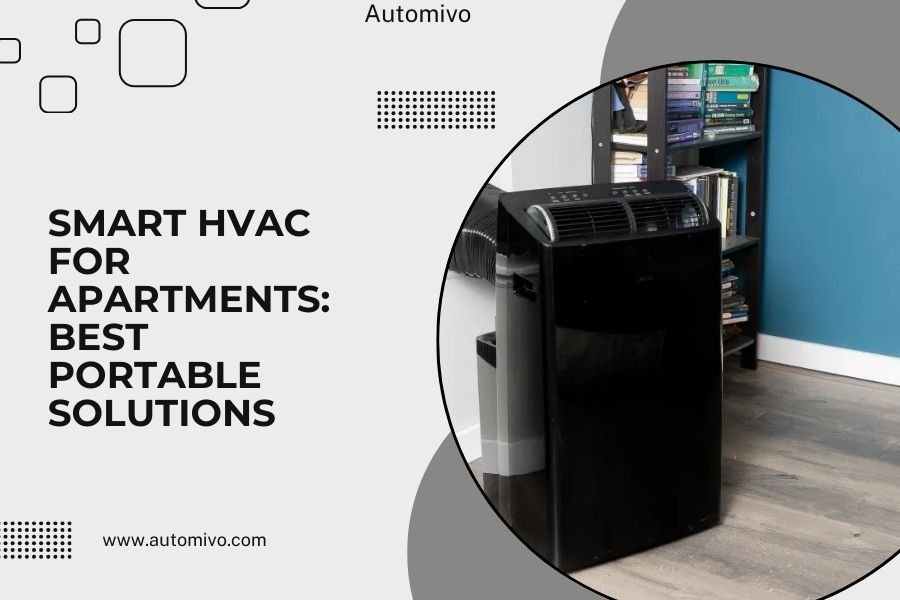
Smart HVAC for apartments includes portable air conditioners, smart thermostats, window units, and mini-split systems that work without permanent installation.
The best portable solutions combine cooling power, smart controls, and rental-friendly features that you can take with you when you move.
Why Apartment HVAC Gets Complicated
Living in an apartment means dealing with rules. You can’t just install whatever you want. Your landlord probably has strict policies about modifications.
Most apartments come with basic heating and cooling. But “basic” often means uncomfortable summers and high energy bills. You need something better that won’t break your lease agreement.
The Portable Advantage
Portable solutions work because they don’t require permanent changes. You plug them in, set them up, and they start working. When you move out, everything comes with you.
Smart features make these systems even better. You can control temperature from your phone. Set schedules. Track energy use. Some even learn your habits.
Smart Portable Air Conditioners
These units roll around on wheels and vent through windows. Modern smart models connect to your WiFi and work with voice assistants.
Top Features to Look For
- App control for remote temperature changes
- Energy monitoring to track usage costs
- Scheduling to cool rooms before you arrive
- Voice control with Alexa or Google Assistant
- Auto-restart after power outages
BTU Requirements
Room size determines how much cooling power you need. I found that most experts recommend these guidelines:
- 150-300 sq ft: 8,000 BTU
- 300-450 sq ft: 10,000 BTU
- 450-550 sq ft: 12,000 BTU
- 550-700 sq ft: 14,000 BTU
Installation Reality Check
You’ll need a window for the exhaust hose. Most units come with adjustable window kits. They slide into place without tools or permanent mounting.
The exhaust hose gets hot. Keep it as short and straight as possible. Bends and extra length hurt efficiency.
Smart Window Air Conditioners
These fit directly in your window frame. Smart versions offer the same app control and scheduling as portable units.
Benefits Over Portable Units
Window units cool more efficiently. They don’t take up floor space. Installation takes about 30 minutes with basic tools.
Smart window ACs work well in bedrooms and living rooms. You can run multiple units and control them all from one app.
Landlord Considerations
Ask permission first. Most landlords allow window units if you follow safety rules. Heavy units need proper support brackets.
Some apartments have specific requirements about unit appearance from outside. Check your lease before buying.
Smart Thermostats for Existing Systems
If your apartment has central air, a smart thermostat upgrades everything instantly. This gives you app control without changing the actual HVAC system.
Rental-Friendly Installation
Most smart thermostats install without permanent wiring changes. You remove the old thermostat and connect the new one to existing wires.
Keep your original thermostat. When you move out, switch them back. Your landlord never knows the difference.
Compatibility Matters
Not all thermostats work with all systems. Check your current wiring first. Most apartments use standard 24V systems that work with popular smart models.
Heat pumps need specific thermostat types. Electric baseboard heating usually can’t use smart thermostats at all.
Mini-Split Systems
These systems have an indoor unit that mounts on the wall and an outdoor unit that sits outside. Smart versions offer precise temperature control and high efficiency.
Installation Requirements
Mini-splits need professional installation. They require a small hole through the wall for refrigerant lines. Most leases don’t allow this modification.
Some apartments come with mini-split systems already installed. If yours has one, adding smart controls might be possible.
When They Make Sense
Mini-splits work best for longer-term rentals. If you’re staying several years, the installation cost might be worth it with landlord permission.
They’re also good if you’re renting a house instead of an apartment. More landlords allow modifications in single-family rentals.
Smart Fans and Air Circulation
Smart fans work alongside your main cooling system. They help distribute cool air and create comfortable airflow.
Ceiling Fan Controllers
You can add smart controls to existing ceiling fans. Smart switches replace regular wall switches and add app control.
Some controllers detect room temperature and adjust fan speed automatically. They work with your air conditioner to improve comfort.
Tower Fans with Smart Features
Smart tower fans oscillate, change speeds, and run on schedules. They’re completely portable and need no installation.
The best models have air quality sensors. They speed up when they detect dust or allergens in the air.
Energy Monitoring and Costs
Smart systems help you track energy use in real time. This prevents surprise electric bills and helps optimize settings.
Typical Operating Costs
| System Type | Average Hourly Cost | Monthly Cost (8 hrs/day) |
|---|---|---|
| 8,000 BTU Portable AC | $0.15 | $36 |
| 12,000 BTU Window AC | $0.18 | $43 |
| Smart Ceiling Fan | $0.02 | $5 |
| Mini-Split System | $0.12 | $29 |
Money-Saving Tips
Set temperatures 2-3 degrees higher when you’re not home. Smart scheduling makes this automatic.
Use fans to circulate air. This lets you raise thermostat settings while staying comfortable. Every degree saves about 6-8% on cooling costs.
Voice Control and Smart Home Integration
Most smart HVAC systems work with Alexa, Google Assistant, and Apple HomeKit. You can adjust temperature, change fan speeds, and check status with voice commands.
Useful Voice Commands
- “Set bedroom AC to 72 degrees”
- “Turn on living room fan”
- “What’s the temperature in the bedroom?”
- “Turn off all air conditioners”
Automation Possibilities
Smart systems can trigger based on other devices. When your smart door lock detects you’re home, it can start cooling your apartment automatically.
Motion sensors can turn on fans when you enter rooms. Temperature sensors can boost cooling when outdoor temps rise.
Maintenance and Troubleshooting
Portable systems need regular cleaning to work efficiently. Dirty filters reduce cooling power and increase energy use.
Filter Maintenance
Clean or replace filters every 2-4 weeks during heavy use. Smart systems often remind you when maintenance is due.
Washable filters save money long-term. Rinse them with water and let dry completely before reinstalling.
Common Smart Features Issues
WiFi connection problems cause most smart HVAC issues. Keep your router close to the units. Weak signals cause connectivity drops.
App updates sometimes change interfaces. Most problems fix themselves after restarting the app or unit.
Conclusion
Smart HVAC solutions give apartment renters real control over comfort without permanent modifications. Portable air conditioners, smart thermostats, and intelligent fans create custom climate control that moves with you.
Start with one room and expand your smart cooling system over time. The energy savings and comfort improvements make these investments worthwhile for any apartment dweller.
Can I install a smart thermostat in a rental apartment?
Yes, most smart thermostats install without permanent wiring changes. Keep your original thermostat to reinstall when you move out. Always check your lease agreement first and consider asking your landlord for permission.
Do portable air conditioners work as well as window units?
Window units typically cool more efficiently because they don’t pull warm air from outside into your room. Portable units are more flexible but may use 10-15% more energy to achieve the same cooling.
How much can smart HVAC controls save on electricity bills?
Smart scheduling and temperature optimization can reduce cooling costs by 15-25%. The exact savings depend on your usage patterns, local electricity rates, and how well you utilize the smart features.
Will my landlord allow me to make holes for a mini-split system?
Most apartment leases prohibit holes through exterior walls. Mini-splits work better in single-family rentals or with explicit landlord permission. Consider portable or window units for standard apartment rentals.
What happens if the WiFi goes out with smart HVAC systems?
Smart HVAC units continue operating with their last settings when WiFi disconnects. You lose app control and scheduling but the basic cooling functions keep working. Manual controls on the unit remain functional.
