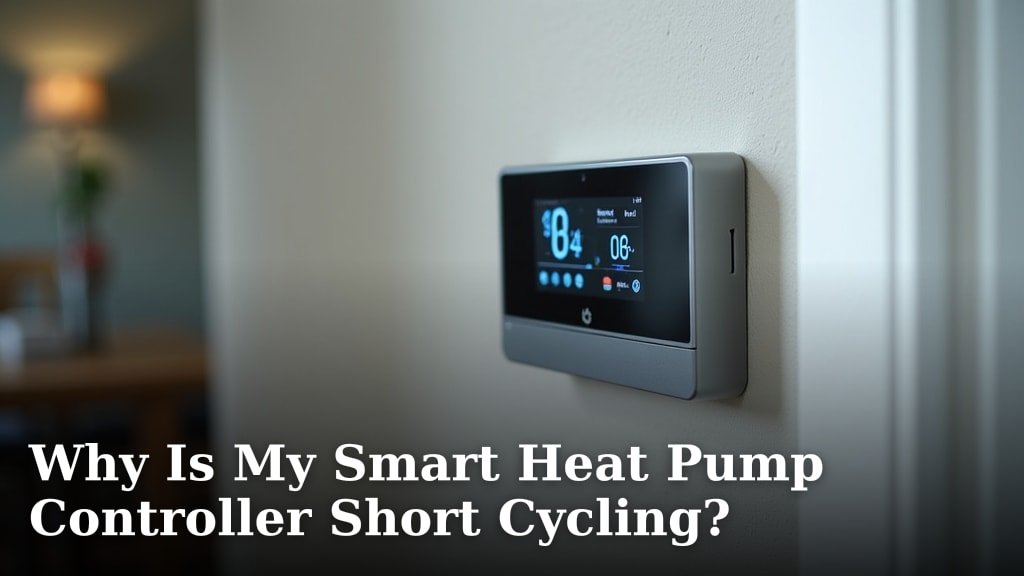
Your smart heat pump controller might be short cycling because it’s trying too hard to reach the set temperature. This often happens when the unit is too big for your home or if there’s an airflow problem. It’s like a car engine revving too high for too long – not good!
Short cycling means your system turns on and off very quickly. This can lead to uneven heating or cooling and increased energy waste. Many homeowners notice this when their thermostat calls for heat and the system cycles rapidly without fully warming the house.
- Short cycling means your heat pump turns on and off rapidly.
- Common causes include an oversized unit or blocked airflow.
- This can lead to inefficiency and uneven temperatures.
- It’s a common issue that can usually be fixed with adjustments.
Let’s look closer at why your smart heat pump controller might be short cycling and what you can do about it.
Understanding Why Your Heat Pump Controller is Short Cycling
So, you’ve noticed your smart heat pump controller turning on and off too quickly. This common issue, known as short cycling, can be quite frustrating. It means your system is running in short bursts, rather than a steady operation. We found that this pattern often points to underlying problems that need attention. This common issue, known as short cycling, can be quite frustrating, but smart thermostats offer solutions.
Short cycling essentially means your heat pump is working harder than it should. It’s like running a marathon by sprinting 100 yards and then stopping. This inefficient operation wastes energy. It also prevents your home from reaching and maintaining a comfortable temperature. Let’s dive into the common culprits behind this behavior.
The Top Reasons for Heat Pump Short Cycling
1. An Oversized Heat Pump Unit
One of the most frequent reasons for short cycling is having a heat pump that’s too large for your home. When a unit is oversized, it can heat or cool your space much faster than a properly sized one. This means it reaches the thermostat’s set temperature very quickly. Then, it shuts off, only to turn back on again shortly after. We found that oversized systems are a leading cause of this issue.
Think of it this way: if you have a giant fan in a small room, it will cool the room down in minutes. It will then stop. Soon, the temperature will rise slightly, and the fan will kick on again. This on-again, off-again cycle is exactly what happens with an oversized heat pump. Many HVAC professionals agree this is a primary concern.
2. Airflow Problems and Blockages
Proper airflow is vital for your heat pump to function correctly. When airflow is restricted, the system can overheat or overcool too quickly. This triggers safety mechanisms that shut the unit down. Then, it restarts once it cools or warms up a bit. We found that blocked air filters are a very common, easy-to-fix cause.
Dirty Air Filters
A clogged air filter is like a traffic jam for the air in your home. It prevents air from moving freely through the system. This forces the fan motor to work harder. It can also cause ice to form on the indoor coil. This ice then disrupts the heat exchange process. Many HVAC maintenance guides recommend checking and replacing your filter monthly. This simple step can prevent many problems.
Blocked Vents and Registers
Are your vents or registers blocked by furniture, curtains, or rugs? This obstruction limits airflow. It creates pressure imbalances within your ductwork. The heat pump can’t circulate air efficiently. This leads to uneven temperatures and the cycling problem. You should ensure all vents are clear and open.
Dirty Coils
The indoor and outdoor coils of your heat pump are where the magic of heat transfer happens. If these coils become dirty or dusty, they can’t do their job effectively. A dirty indoor coil can lead to freezing. A dirty outdoor coil can impede the release of heat in cooling mode or absorption in heating mode. We found that cleaning these coils is essential for performance.
Ductwork Issues
Leaky, disconnected, or undersized ductwork can also cripple airflow. If air is escaping through holes in your ducts, your system is working harder for less return. Undersized ducts can restrict the volume of air that can pass through. This can create pressure problems that lead to short cycling. Experts often point to ductwork as a hidden source of inefficiency.
3. Thermostat Malfunctions or Incorrect Settings
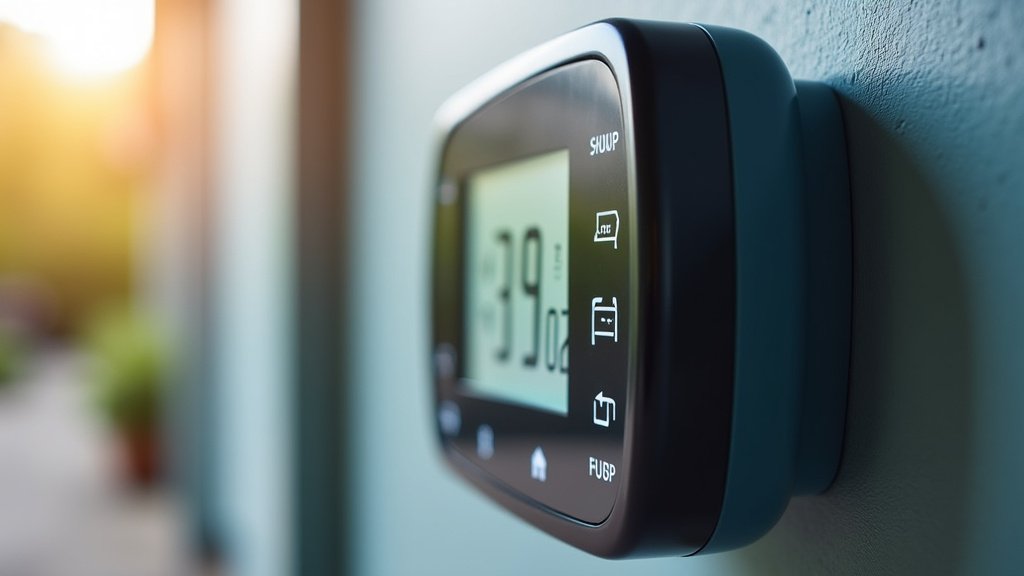
Your smart thermostat is the brain of your heat pump system. If it’s not communicating properly or is set incorrectly, it can cause issues. We found that thermostat placement and settings are often overlooked.
Thermostat Location
Is your thermostat located near a heat source, like a sunny window or a heat-producing appliance? If so, it might be falsely detecting that the room is warmer than it is. This can cause it to shut off the heating cycle prematurely. Conversely, if it’s in a drafty spot, it might keep the system running too long. Proper placement is key.
Incorrect Thermostat Settings
Smart thermostats have many settings. An incorrectly configured fan setting, for example, can cause problems. If the fan is set to “on” instead of “auto,” it will run constantly. This can interfere with the heat pump’s cycle. We found that reviewing your thermostat’s manual can often resolve these user-related issues.
Failing Thermostat Components
Like any electronic device, thermostats can fail. A malfunctioning thermostat might send faulty signals to your heat pump. This can lead to erratic behavior, including short cycling. If you suspect your thermostat is the issue, it might be time for a professional check.
4. Refrigerant Leaks
Your heat pump relies on a specific amount of refrigerant to operate efficiently. If there’s a leak, the system won’t have enough refrigerant to transfer heat properly. This causes the system to work harder. It can also lead to freezing of the evaporator coil. We found that low refrigerant levels are a significant cause of performance issues.
When refrigerant levels are low, the pressure within the system drops. This can cause the compressor to overheat or the system to freeze up. Both scenarios can trigger safety shutdowns, leading to short cycling. Refrigerant leaks require professional attention to repair and recharge the system. Many safety guidelines strongly advise against DIY refrigerant handling.
5. Frozen Evaporator Coil
As mentioned earlier, a frozen evaporator coil is a common consequence of other problems. These problems include low refrigerant or restricted airflow. When the coil freezes, it’s covered in a layer of ice. This ice acts as an insulator. It prevents the coil from absorbing heat from the air. Your heat pump essentially stops heating or cooling effectively.
The system’s safety controls will typically shut it down when this happens. Once it thaws, it might start up again, only to freeze over once more. This creates a definite short cycling pattern. Many homeowners report seeing ice on the indoor unit when this is occurring. It’s a clear sign something is wrong.
6. External Factors Affecting Performance
Sometimes, the problem isn’t solely within your heat pump itself. External conditions can also play a role. We found that extreme weather can sometimes push a system to its limits.
Extreme Outdoor Temperatures
Heat pumps have an optimal operating temperature range. When outdoor temperatures become extremely hot or extremely cold, the heat pump may struggle to meet the demand. In heating mode, if it’s too cold outside, the heat pump may not be able to extract enough heat from the air. In cooling mode, if it’s too hot, it might struggle to dissipate heat effectively. This struggle can lead to the system shutting down prematurely.
Power Supply Issues
An inconsistent or inadequate power supply can also cause problems. If your heat pump isn’t receiving stable voltage, its components might not function correctly. This can lead to erratic behavior. Some systems have built-in voltage sensors that shut them down if the power is unstable. We found that checking your home’s electrical panel is a good initial step.
What You Can Do: A Quick Checklist
Before calling a technician, there are a few things you can check yourself. These simple steps can sometimes resolve the issue or at least help diagnose it.
- Check and replace your air filter if it’s dirty. This is often the easiest fix.
- Ensure all air vents and registers are clear of furniture or obstructions.
- Verify your thermostat settings and its location. Is it in direct sunlight or near a heat source?
- Listen for unusual noises or look for visible ice on the indoor unit.
- Check your electrical panel to ensure the breaker for your HVAC system hasn’t tripped.
Conclusion
So, you’ve learned that your smart heat pump controller short cycling often points to a few common issues. We’ve seen that an oversized unit or airflow problems are frequent culprits. Thermostat glitches and refrigerant leaks can also be the cause. Taking a moment to check simple things like your air filter and vents can sometimes solve the puzzle. If these quick checks don’t help, it’s often time to call a qualified HVAC professional for a closer look.
Frequently Asked Questions
How often should my heat pump normally run?
Your heat pump should typically run for cycles of 10-15 minutes to heat or cool your home effectively. Frequent on-and-off cycling, especially in less than 10-minute intervals, indicates short cycling. This pattern is a sign that your system might not be operating as efficiently as it should.
Can a dirty air filter really cause short cycling?
Yes, a dirty air filter is a very common cause. When your air filter is clogged, it restricts airflow. This forces your heat pump to work harder and can cause components to overheat or freeze. This can then trigger the system to shut off prematurely, leading to short cycling.
What’s the difference between short cycling and normal operation?
Normal operation means your heat pump runs for longer, steady periods to reach and maintain your desired temperature. Short cycling is when the unit turns on and off rapidly, often within a few minutes, without completing a full heating or cooling cycle. This is inefficient and can strain your system.
If my heat pump is short cycling, will it damage my system?
Yes, consistent short cycling can put extra strain on your heat pump’s components, particularly the compressor. This can lead to premature wear and tear, increased energy bills, and potentially more expensive repairs down the line. It’s best to address the issue promptly to protect your system.
Should I try to fix a refrigerant leak myself?
No, you should not attempt to fix a refrigerant leak yourself. Refrigerant is a chemical that requires specialized training and equipment to handle safely. A professional HVAC technician can accurately detect and repair the leak, and then properly recharge your system with the correct amount of refrigerant.
