

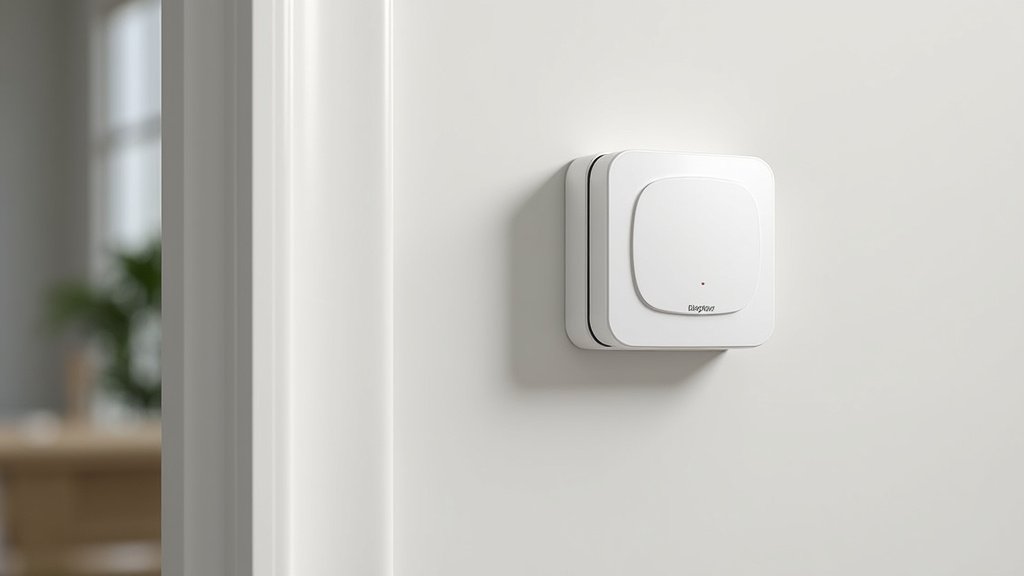
The best placement for a room sensor is usually on an interior wall, about 5 feet from the floor. This allows it to get an accurate reading of your room’s average temperature, avoiding interference from direct sunlight or drafts. Think of it as a thermostat’s best friend, helping it make smarter decisions about your home’s comfort.
Where you put your sensor can make a big difference in how your smart thermostat performs. Placing it near a window or an exterior wall might give you a false temperature reading. We’ve found that avoiding heat sources like lamps or electronics is also key for consistent comfort.
- Place sensors on interior walls.
- Aim for about 5 feet off the floor.
- Keep them away from windows and vents.
- Avoid placing them near heat-producing devices.
Ready to find the perfect spot for your smart home’s temperature detective? Let’s walk through exactly how to get the most accurate readings.
Finding the Ideal Spot for Your Room Sensor
So, you’ve got a room sensor, and you’re wondering where it belongs. You’re not alone! Many people find themselves asking the same question. Getting this right is key to your smart thermostat working its best. We’ve researched common recommendations and found some consistent advice for you.
The main goal is to help your sensor measure the air temperature accurately. This means avoiding spots where the temperature might be skewed. Think of your sensor like a little temperature detective. It needs to observe the room without being tricked by unusual heat or cold sources.
The Core Principles of Sensor Placement
We found that a few simple rules generally apply. Following these will dramatically improve your sensor’s ability to report the true temperature of your living space. It’s all about finding that neutral territory for your sensor.
Why Interior Walls Matter
When we looked at expert advice and user experiences, placing sensors on interior walls came up repeatedly. Why interior? Well, exterior walls can be affected by outside temperatures, especially if your home isn’t perfectly insulated. This can send mixed signals to your thermostat.
Imagine your sensor is trying to tell your thermostat if it’s warm or cool in the room. If it’s on an exterior wall, it might feel a chill from the outside. This could trick your heating system into running more than it needs to. Or, on a hot day, it might feel the sun’s heat directly on that wall, making it think the room is hotter than it really is.
The Magic Height: Around 5 Feet
You’ve probably noticed that most thermostats are mounted at about eye level. Experts often suggest a similar height for room sensors, around 5 feet off the floor. This height is generally considered the average temperature zone of a room.
Think about it: warmer air tends to rise, and cooler air settles lower. Placing your sensor too high might read a warmer temperature than you experience down where you live and move. Placing it too low might make it register a cooler temperature. The 5-foot mark is a great way to get a balanced reading. It mimics where most people are in the room.
Avoiding Drafts and Direct Sunlight
This might seem obvious, but it’s worth stressing. You don’t want your sensor to be near anything that could artificially alter the temperature reading. This includes open windows, doors, or heating/cooling vents. These are major sources of temperature fluctuations.
A draft from a window can make the sensor think the room is much colder than it is. Similarly, direct sunlight beaming onto the sensor can make it think the room is warmer. Even subtle air currents can cause slight variations. The goal is a stable environment for your sensor. We found that even a few feet away can make a big difference.
What to Keep Away From Your Sensor
Beyond environmental factors, you also need to consider heat-producing appliances and even things like curtains. These can create localized hot spots that fool your sensor. Your sensor needs to feel the room’s ambient temperature, not the heat from a nearby lamp.
Heat-Generating Appliances are a No-Go
Many common household items give off heat. We’re talking about things like lamps, televisions, computers, and even refrigerators. If you place your sensor too close to these, it will sense their heat and report a higher temperature. This can lead to your thermostat thinking the room is warm enough and shutting off the AC prematurely.
It’s a good idea to create a little buffer zone around your sensor. Keep it at least a few feet away from any appliance that generates warmth. This ensures that the temperature it’s measuring is the general room temperature, not just the heat radiating from a nearby gadget.
Consider Your Window Treatments
Windows themselves can be a source of temperature variance. But the curtains or blinds you use can also play a role. Heavy, dark curtains can absorb sunlight and radiate heat inwards. If your sensor is placed directly behind them, it might get a false reading on a sunny afternoon.
When placing your sensor near a window, make sure it’s not directly impacted by the sun’s rays or the heat absorbed by window coverings. It’s often best to place it on a wall that is not directly facing a window. If that’s not possible, ensure there’s ample space between the sensor and the window area.
Other Things to Watch Out For
Don’t forget about other heat sources. This could include things like fireplaces or even areas where people tend to gather frequently. High-traffic areas might have slightly warmer temperatures due to body heat. Also, consider if you have any specific rooms that get unusually hot or cold due to their function or location in the house.
For example, a kitchen might have fluctuating temperatures from cooking. A laundry room with a dryer could also be warmer. These are often better spots for individual zone sensors if your system supports them, rather than a general room sensor meant to represent the whole home’s comfort. We found that a consistent, neutral location is always best.
Sensor Placement for Multi-Zone Systems
If you have a smart home system with multiple sensors, placement becomes even more important for creating tailored comfort zones. You’ll want each sensor to accurately represent the temperature in its designated area. This allows your system to make smarter decisions about heating and cooling different parts of your house independently.
Representing Different Rooms Accurately
With multi-zone systems, the goal is to have each sensor act as the “voice” for its specific room or area. This means following the same general rules we’ve discussed for each sensor. Each one should be on an interior wall, at an average height, and away from direct heat or drafts.
For example, in a bedroom, you might want a slightly cooler temperature at night. Placing the sensor in the center of the room, away from windows and lamps, will ensure it accurately reads that cooler temperature. In a living room, where people might be active, a slightly different setting might be ideal, again relying on a well-placed sensor.
Using Multiple Sensors Effectively
When you have multiple sensors, your smart thermostat or HVAC system can use them to understand the temperature in different zones. It can then decide which zones need heating or cooling. This system allows for greater energy efficiency and personalized comfort. You can set different temperature preferences for different areas of your home.
For instance, you might want the living room warmer during the day, but the bedrooms cooler at night. Your system, guided by the accurate readings from your well-placed sensors, can make these adjustments automatically. This is where the true smart home comfort comes into play.
Quick Checklist for the Best Sensor Spot
Ready to find the perfect home for your sensor? Here’s a quick rundown of what to look for:
- Interior Wall: Pick a wall that doesn’t face the outside.
- Average Height: Aim for about 5 feet off the ground.
- Away from Windows & Vents: Avoid drafts and direct air currents.
- Clear of Heat Sources: Keep away from lamps, electronics, and appliances.
- Neutral Location: Find a spot that represents the room’s typical temperature.
- Consider Foot Traffic: Avoid areas with constant movement if possible.
Conclusion
You’ve learned the secrets to placing your room sensor for optimal performance. Remember, the goal is an accurate temperature reading for your smart thermostat. By choosing interior walls, the right height, and avoiding heat sources or drafts, you’re setting yourself up for personalized comfort. Think of it as giving your smart home the best information possible.
Take a few minutes today to assess your current sensor placement. If it’s not hitting the mark, make those simple adjustments. Your home’s comfort and energy efficiency will thank you!
Frequently Asked Questions
Can I put a room sensor in a corner?
Placing a sensor in a corner might work, but it’s often best to avoid them. Corners can sometimes create stagnant air pockets, leading to slightly different temperature readings than the main part of the room. Your sensor will work best in a more open, central location on an interior wall.
What if all my walls are exterior walls?
If your home layout means all walls are exterior, do your best to pick the wall that is least exposed to direct sun or extreme outdoor temperatures. Avoid placing the sensor directly next to windows or doors on those exterior walls. Consider using furniture to shield it slightly if needed.
How far away from a vent should my sensor be?
We recommend keeping your sensor at least 3 to 5 feet away from any heating or cooling vents. This distance helps prevent the direct blast of air from skewing the temperature readings. You want the sensor to measure the room’s natural temperature, not the immediate output from the vent.
Does the size of the room matter for sensor placement?
Yes, the size of the room can influence placement, especially in larger spaces. In very large rooms, try to place the sensor in a location that best represents the average temperature throughout the entire area. Avoid placing it too close to any single heat or cold source that might dominate the reading.
Can I use a room sensor in a hallway?
Hallways are generally not ideal locations for room sensors. They often have more air movement due to doors opening and closing, and their temperature can fluctuate based on adjoining rooms. A sensor is best placed in a room where you spend significant time, like a living room or bedroom.
