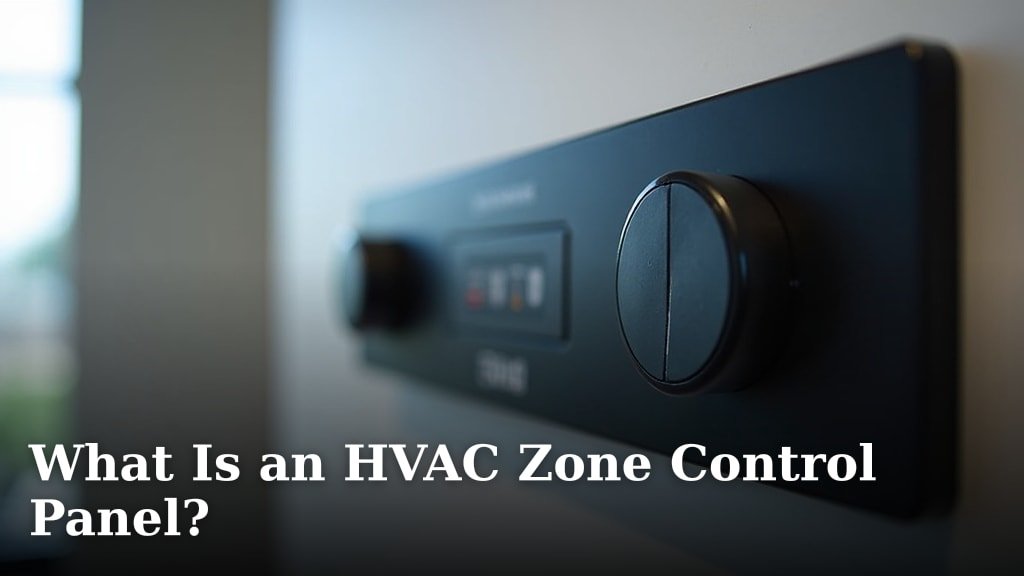
An HVAC zone control panel is a smart device that divides your home into different areas, or “zones.” It allows you to control the heating and cooling in each zone independently. This means you can set different temperatures for different rooms, like keeping your bedroom cooler at night while warming up the living room during the day. It’s a key component for achieving personalized comfort and energy savings in your home.
Think of it like having multiple thermostats, but managed by one central brain. This system works by using dampers in your air ducts. These dampers open or close to direct heated or cooled air only where you need it. Many homeowners are discovering the benefits of this technology for a more comfortable home environment and potentially lower utility bills.
- It’s a central hub that controls heating and cooling for specific areas of your house.
- Each area, or “zone,” can have its own temperature setting.
- This technology uses dampers in your ductwork to manage airflow.
- Benefits include better comfort and potential energy cost savings.
Ready to make your home more comfortable and efficient? Let’s walk through exactly what an HVAC zone control panel is and how it works to achieve that.
Understanding Your Home’s Climate Control: What Is HVAC Zoning?
You’re probably wondering what exactly an HVAC zone control panel is and why you might want one. Simply put, it’s a way to divide your home into different climate areas. These areas are called “zones.” Each zone can have its own specific temperature setting. This means you can have different temperatures in your bedroom than in your living room. It’s like having a thermostat for each part of your house. But it’s all managed from one smart system.
This system gives you more control over your home’s comfort. It also helps you save money on energy. Think about it: why heat or cool parts of your house you’re not using? A zone control system stops that waste. We’ll walk you through how this technology works and the benefits it brings.
How HVAC Zone Control Works Under the Hood
At its core, an HVAC zone control system uses a central panel and special dampers in your air ducts. These dampers are like little doors inside your ducts. They can open or close. When a zone calls for heating or cooling, the system directs airflow to that specific area. It closes off dampers to zones that don’t need it. This makes your HVAC system more efficient. Learn how smart vents work with zone control panels to manage airflow.
The Central Hub: The Zone Control Panel
The zone control panel is the brain of the operation. It’s a small electronic device, usually installed near your existing thermostat or HVAC equipment. This panel receives signals from your zone thermostats. It then tells your HVAC system what to do. It also communicates with the dampers in your ductwork.
You might have multiple thermostats with this system. Each thermostat is placed in a different zone. These thermostats let you set your desired temperature for that specific area. The control panel then makes sure your HVAC system delivers that temperature. It’s a smart way to manage airflow.
Directing the Air: Dampers and Ducts
The magic happens in your air ducts. Motorized dampers are installed within the ducts that lead to each zone. These dampers are controlled by the zone control panel. When you set a temperature on a zone thermostat, the panel sends a signal. This signal tells the corresponding damper to open or close.
If your upstairs bedroom needs to be cooler, its damper opens. Air conditioning flows there. Meanwhile, if your downstairs living room is comfortable, its damper might close. This directs more of the cooled air to the areas that need it most. It’s a precision approach to airflow.
Thermostats: Your Personal Comfort Controllers
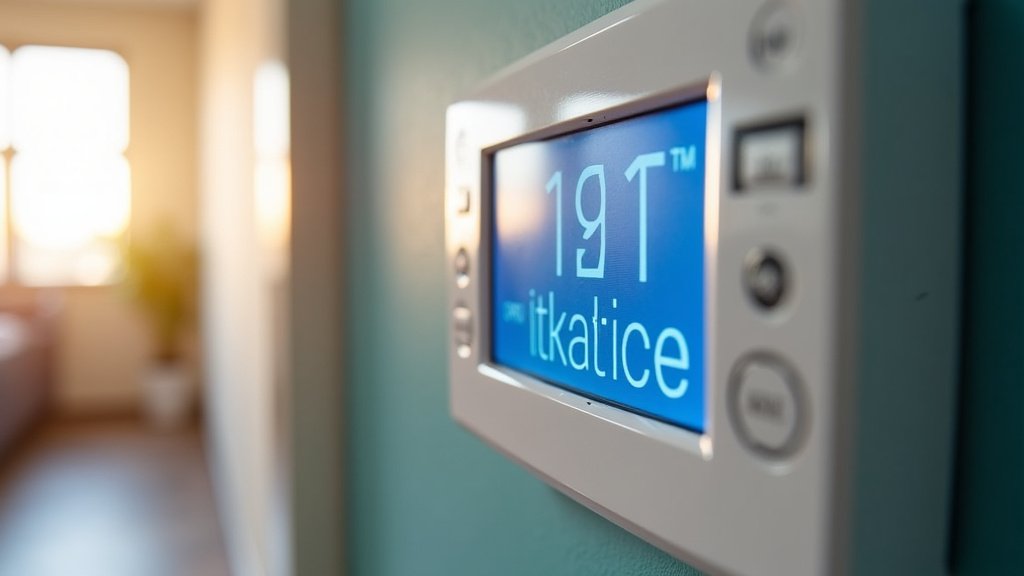
In a zoned system, you’ll typically have more than one thermostat. Each thermostat corresponds to a specific zone. This gives you direct control over the temperature in each area. You can choose to have a digital thermostat or a smart thermostat for each zone. Smart thermostats offer even more features, like scheduling and remote control via an app.
You might want your nursery to be a little warmer. Your home office could be cooler during the day. Your living room might need a different temperature at night. With zone control, you set it and forget it. The system works to maintain those individual preferences. It’s about tailoring comfort to your lifestyle.
The Many Benefits of a Zoned HVAC System
Why would you want to install a zone control system? The advantages are pretty compelling. Most homeowners notice a significant improvement in comfort and a reduction in energy bills. Let’s break down the key benefits you can expect.
Personalized Comfort for Every Room
One of the biggest wins is individualized comfort. Are you tired of arguments over the thermostat? Does one room always feel too hot or too cold? Zone control solves this. You can create a perfect temperature for every part of your home. Keep your master suite cozy at night. Ensure the guest room is just right for visitors. No more hot or cold spots.
Consider a multi-story home. Upper floors often get warmer than lower levels due to rising heat. With zoning, you can direct more cool air upstairs in the summer. In the winter, you can reduce heating to unused upstairs bedrooms. This ensures every member of your household is comfortable. It’s about making every room livable.
Significant Energy Savings
This is where the wallet really thanks you. Heating and cooling account for a large portion of your energy bills. If your HVAC system is constantly trying to heat or cool empty rooms, you’re wasting energy. Zone control eliminates this energy waste. It only sends conditioned air where it’s needed.
Many studies show that zoning can lead to substantial savings. We found that homeowners often see energy bills decrease by 20% to 35% after installing a zone system. This is because your HVAC equipment doesn’t have to run as much. It works smarter, not harder. Less wear and tear on your system also means fewer repairs. Plus, when you buy less energy, you contribute to a more sustainable environment.
Improved Air Quality and Distribution
When your HVAC system runs more efficiently, it can also improve your home’s air quality. Because the system is targeting specific zones, the air circulates more effectively where you need it. This can lead to better filtration. Some advanced zoning systems even allow for individual zone air purification options.
Furthermore, zoning can help balance humidity levels within your home. Properly distributing conditioned air helps prevent areas from becoming too dry or too damp. This is important for health and comfort. Many health organizations recommend maintaining indoor humidity levels between 30% and 50% (CDC). Zone control can help you achieve this balance more consistently.
Extended Lifespan of Your HVAC System
Think about how much stress your HVAC system is under. Constantly running at full capacity to satisfy an entire house can take its toll. With a zone system, your furnace or air conditioner doesn’t have to work as hard. It cycles on and off less frequently and at lower capacities.
This reduced strain means less wear and tear on critical components. Over time, this can lead to a longer operational life for your entire HVAC system. It’s an investment that pays off by protecting your primary heating and cooling equipment. Many HVAC professionals agree that zoning can be a key factor in preventing premature equipment failure.
Common Questions About HVAC Zone Control
You might have some specific questions about how this system works in practice. We’ve gathered some of the most common ones people ask.
Can I retrofit a zone control system?
Yes, you absolutely can! Many homes already have ductwork in place. This makes retrofitting a zone control system very feasible. An HVAC technician will assess your current ductwork. They will then determine the best way to install the necessary dampers and wiring. It’s a popular upgrade for older homes looking to improve efficiency and comfort.
How many zones can I have?
The number of zones you can create depends on your home’s size and layout. It also depends on your HVAC system’s capacity. Most residential systems can handle between 2 and 8 zones. Your HVAC professional can help you determine the optimal number of zones for your specific needs. They’ll consider square footage and how you use different areas of your home.
What’s the difference between zoning and a smart thermostat?
A smart thermostat is a single device that offers advanced features like scheduling and remote control. It typically controls your entire HVAC system for the whole house. Zoning, on the other hand, is a system that divides your home into multiple areas. Each zone can have its own thermostat. You can even have smart thermostats within a zoned system. This gives you the ultimate control over both individual zones and your overall system.
Is a Zone Control System Right for Your Home?
Deciding if zone control is a good fit involves looking at your home and your needs. Ask yourself these questions:
- Do different areas of your home have significantly different temperature needs?
- Are there rooms or areas of your house that are rarely used but still heated or cooled?
- Do you have hot or cold spots that are difficult to manage with your current system?
- Are you looking for ways to reduce your energy bills and environmental impact?
- Do you want to improve the overall comfort and livability of your entire home?
If you answered yes to several of these questions, then a zone control system is likely a smart investment for your home. It’s a modern solution to an age-old problem of uneven heating and cooling. It brings comfort and efficiency together.
Conclusion
You’ve learned that an HVAC zone control panel is a smart system designed to bring personalized comfort and efficiency to your home. By dividing your house into distinct climate zones and using dampers to direct airflow, it ensures you only heat or cool the areas you’re using. This means saying goodbye to uncomfortable hot and cold spots and hello to tailored temperatures in every room. Ready to experience a more comfortable and energy-efficient home? Your next step is to consult with a qualified HVAC professional to explore zone control options for your specific needs.
Frequently Asked Questions
How do I know if my home is a good candidate for zoning?
Consider if you have rooms that are rarely used but still heated or cooled. If some areas of your home are consistently too hot or too cold, zoning might be a great solution. Also, if you’re looking to reduce your energy bills, zoning can make a big difference.
Will zoning my home increase my energy bills?
No, quite the opposite! Zoning is designed to reduce energy waste by only conditioning the areas you need. This often leads to significant savings on your heating and cooling costs, typically ranging from 20% to 35%.
Can I use smart thermostats with a zoned system?
Yes, you absolutely can! In fact, it’s a great combination. You can have smart thermostats for each zone, giving you advanced control, scheduling, and remote access for each individual area of your home.
How much does it typically cost to install an HVAC zone control system?
The cost can vary depending on your home’s size, layout, and the complexity of the installation. However, it’s generally considered a worthwhile investment due to the long-term energy savings and improved comfort it provides.
What maintenance is required for a zoned HVAC system?
A zoned system requires similar maintenance to a standard HVAC system, but it’s wise to have the dampers and control panel inspected annually by a professional. This ensures everything is functioning correctly for optimal performance and longevity.
