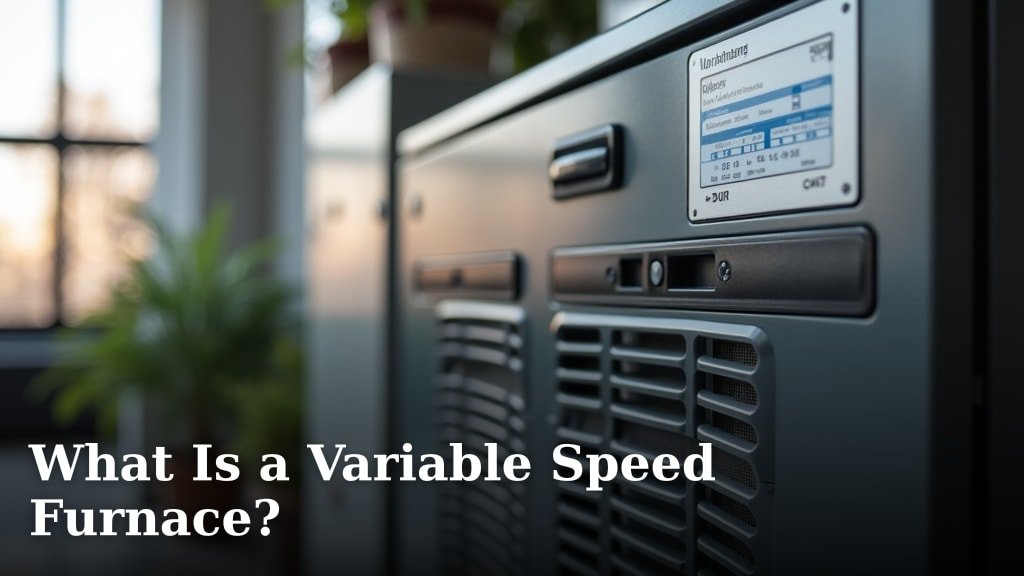
A variable speed furnace is a heating system that can adjust its blower fan speed and heat output to match your home’s exact needs. Unlike single-speed furnaces that just blast heat at full power, variable speed models can run at lower speeds for longer periods. This offers a more consistent and comfortable temperature throughout your home, without those noticeable temperature swings.
This advanced technology allows your furnace to work smarter, not just harder. Many homeowners report that variable speed furnaces lead to a quieter operation and improved indoor air quality. We found that this ability to fine-tune output also translates to potential energy savings by preventing unnecessary energy use when full heat isn’t required.
- Variable speed furnaces adjust their fan and heat output.
- They provide more consistent home temperatures.
- Operation is often quieter than single-speed models.
- Potential for increased energy efficiency exists.
Let’s walk through exactly what makes these furnaces so special and how they can benefit your home’s comfort and your energy bills.
Understanding Your Variable Speed Furnace System
So, what exactly sets a variable speed furnace apart? Think of it like a dimmer switch for your home’s heat. Instead of just “on” or “off,” a variable speed furnace can precisely control how much heat it produces and how forcefully it blows that warm air. This means it doesn’t always have to run at its maximum capacity.
The Core Technology: How it Works
At the heart of a variable speed furnace is its advanced blower motor. Unlike older, single-speed motors that have only one speed (full blast!), variable speed motors can operate at many different speeds. Your furnace’s smart thermostat communicates with this motor. It tells the motor exactly how much airflow is needed to maintain your desired temperature. The motor then adjusts its speed accordingly.
A Smoother, Smarter Airflow
This ability to change speeds is a big deal. Instead of short bursts of high-speed heating, your furnace can run at a lower, more consistent speed for longer periods. This provides a much steadier flow of warm air into your rooms. You won’t experience those drastic temperature dips and peaks that often happen with single-speed systems. It’s like going from a loud, sudden bang to a gentle, continuous hum.
Optimized Heat Output
It’s not just the fan speed that’s variable. Many variable speed furnaces also have multi-stage heating capabilities. This means they can produce heat at different levels, often a low stage and a high stage, in addition to the fan’s variable speed. On milder days, your furnace might only use its low-stage heating to gently warm your home. When it’s freezing outside, it can kick into high-stage heating, but still with that controlled airflow.
Comparing Variable Speed to Other Furnace Types
To truly appreciate a variable speed furnace, it helps to see how it stacks up against its less sophisticated cousins. Most homes, especially older ones, likely have a single-speed or two-stage furnace.
Single-Speed Furnaces: The “All or Nothing” Approach
Single-speed furnaces are the most basic. They have a single blower motor speed and typically a single heating stage. When the thermostat calls for heat, the furnace turns on at full power and stays there until the desired temperature is reached. Then, it shuts off completely. This constant cycling can lead to noticeable temperature fluctuations and can be quite noisy as the system blasts air. We found that the lack of nuanced control is their main drawback.
Two-Stage Furnaces: A Step Up in Comfort
Two-stage furnaces offer a bit more finesse. They have a low-speed setting and a high-speed setting for both the burner and the fan. For most of the heating season, the furnace will run on its low stage, which is quieter and more energy-efficient. It only switches to the high stage when temperatures drop significantly or when it needs to heat up your home quickly. This is a noticeable improvement over single-speed models.
Variable Speed Furnaces: The Pinnacle of Control
Variable speed furnaces take this control to the next level. Instead of just two stages, they offer virtually infinite adjustments. The blower can ramp up or down gradually, matching the exact heating demand. This constant, gentle circulation of air leads to fewer temperature swings and can significantly improve your home’s overall comfort. Many homeowners find this consistent warmth to be a game-changer.
Here’s a quick comparison to help visualize the differences:
| Feature | Single-Speed Furnace | Two-Stage Furnace | Variable Speed Furnace |
|---|---|---|---|
| Blower Fan Speed | One speed (full blast) | Two speeds (low and high) | Many speeds (fully adjustable) |
| Heating Stages | Typically one | Two (low and high) | Often multiple, with variable fan |
| Temperature Consistency | Lower (noticeable swings) | Medium (fewer swings) | Highest (very consistent) |
| Noise Level | Highest (starts/stops abruptly) | Medium (quieter than single-speed) | Lowest (gentle operation) |
| Energy Efficiency | Lowest | Medium | Highest potential |
The Tangible Benefits of Variable Speed Technology
So, why should you consider a variable speed furnace for your home? The advantages go beyond just having a warm house. They can impact your comfort, your peace of mind, and even your wallet.
Unparalleled Comfort: Say Goodbye to Drafts
The most immediate benefit you’ll likely notice is improved comfort. By running at lower speeds for longer, variable speed furnaces deliver a steady stream of warm air. This means fewer cold spots and those annoying drafts you might feel with a less sophisticated system. Your home will feel more uniformly warm, from room to room, and from floor to ceiling. Many users report a feeling of “gentle warmth” instead of blasts of hot air.
Quieter Operation: A Breath of Fresh Air (and Quiet!)
Remember those loud bursts of air from a single-speed furnace? Variable speed systems are incredibly quiet. Because the motor doesn’t always need to run at full throttle, it produces much less noise. The gradual ramp-up and ramp-down of the fan are almost imperceptible. This can be a huge relief, especially if your furnace is located near living areas or bedrooms. We found research suggesting that quieter operation is a top priority for many homeowners.
Improved Indoor Air Quality: Breathing Easier
Here’s an often-overlooked benefit: better indoor air quality. Variable speed furnaces circulate air continuously, even at low speeds. This means your air is being filtered more often. If you have a good quality air filter installed, this continuous circulation helps remove dust, pollen, and other allergens from your home’s air more effectively. It’s like having a whole-home air purifier running constantly. Organizations like the EPA often highlight continuous air filtration as key to indoor air health.
Energy Efficiency: Saving Money on Bills
While the upfront cost might be higher, variable speed furnaces can lead to significant energy savings over time. By only using the amount of energy needed to meet the heating demand, they avoid the waste associated with single-speed furnaces constantly cycling on and off at full power. The variable speed motor itself is also more energy-efficient than a standard motor. While exact savings vary based on usage and climate, many studies indicate a potential for 10-20% savings on heating costs compared to older, less efficient models (U.S. Department of Energy).
Extended Equipment Lifespan: A Longer-Term Investment
When a furnace doesn’t have to constantly start and stop at full power, its components experience less wear and tear. The smooth, gradual operation of a variable speed furnace can contribute to a longer lifespan for the motor and other parts. This means potentially fewer repairs and a more reliable heating system for years to come.
Is a Variable Speed Furnace Right for Your Home?
Considering a variable speed furnace is a smart move for many homeowners. However, it’s important to weigh the benefits against your specific needs and budget.
Think about these questions:
- Are you bothered by temperature swings in your home?
- Does your current furnace seem excessively loud?
- Are you looking for ways to reduce your energy bills?
- Do you or anyone in your household suffer from allergies or respiratory issues?
- Is your current furnace nearing the end of its lifespan?
- Are you planning to upgrade your thermostat soon?
Conclusion
Upgrading to a variable speed furnace offers a clear path to superior home comfort and potential energy savings. You’ll enjoy a more consistent temperature, quieter operation, and even improved indoor air quality thanks to its smart technology. This system truly works for you, adjusting its output precisely to meet your needs without wasted energy. If you’re seeking a more comfortable, efficient, and peaceful home environment, now is the time to talk to an HVAC professional about a variable speed furnace for your home.
Frequently Asked Questions
How much more expensive is a variable speed furnace than a single-speed model?
Variable speed furnaces typically have a higher upfront cost than single-speed models. This is due to the advanced motor and control technology. However, the potential for energy savings over the furnace’s lifespan can offset this initial investment. We found that the long-term value often makes it a worthwhile upgrade.
Will a variable speed furnace make my energy bills go down?
Yes, variable speed furnaces can lead to lower energy bills. They operate more efficiently by using only the necessary amount of energy to maintain your desired temperature. This avoids the constant cycling of less efficient systems. Many studies suggest potential savings of 10-20% on heating costs.
Can a variable speed furnace help with allergies?
Absolutely. Variable speed furnaces circulate air more continuously, even at lower speeds. This means your home’s air is filtered more often, helping to remove allergens like dust and pollen. If you suffer from allergies, this constant air circulation can make a noticeable difference in your indoor air quality.
Is a variable speed furnace noisier because it runs longer?
Quite the opposite! Variable speed furnaces are generally much quieter than single-speed models. They run at lower speeds for longer periods, producing a gentle, consistent hum rather than loud bursts of air. The gradual ramp-up and ramp-down of the fan are barely noticeable, creating a more peaceful home environment.
Do I need a special thermostat for a variable speed furnace?
For optimal performance and to take full advantage of its features, a compatible thermostat is usually recommended. Smart thermostats or those designed for multi-stage or variable speed systems can communicate effectively with the furnace. This ensures the system can precisely control airflow and heating output for maximum comfort and efficiency.
