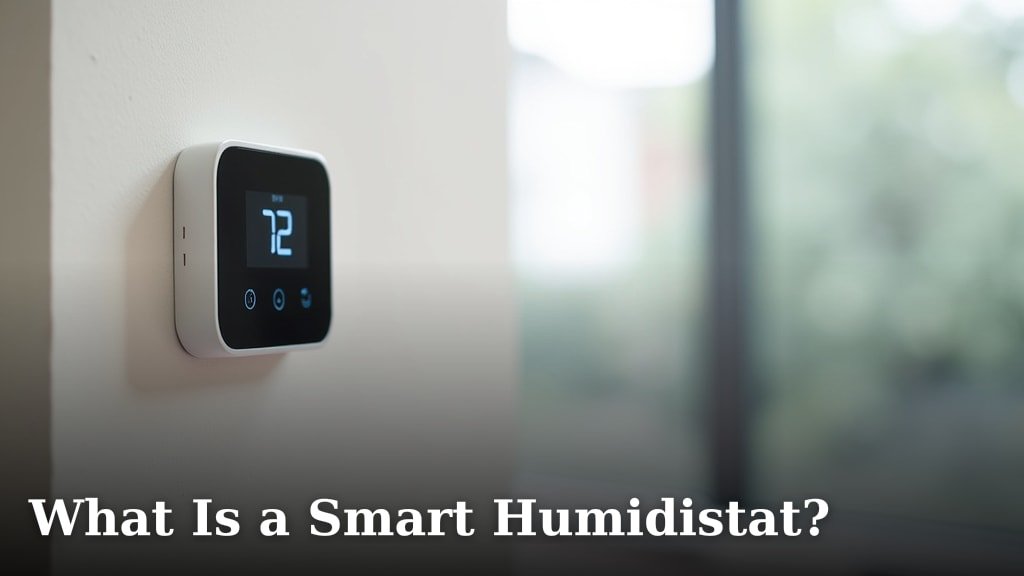
A smart humidistat is a modern device that automatically controls your home’s humidity levels. Unlike basic humidistats, it connects to your Wi-Fi, allowing you to manage humidity from your smartphone. This smart control helps maintain optimal air moisture for comfort and health.
When we research smart home technology, we often find that humidistats are a key component for a healthy indoor environment. They work with your HVAC system to add or remove moisture as needed. This automation prevents issues like dry skin or mold growth, creating a more pleasant living space.
- Smart humidistats automate humidity control for you.
- They connect to Wi-Fi for remote management via apps.
- Helps maintain ideal indoor air moisture levels.
- Prevents health issues and protects your home from damage.
- They integrate with smart home ecosystems.
Let’s walk through what a smart humidistat is, how it works, and why it might be the perfect upgrade for your home’s air quality.
Understanding Your Home’s Humidity Control System
So, you’re curious about what a smart humidistat actually is and how it can make your home a more comfortable and healthier place. Think of it as the brain of your home’s humidity management system. It’s a device that measures and controls the amount of moisture in your indoor air. But what sets a smart one apart from the older, basic models?
The main difference is connectivity. A smart humidistat connects to your home’s Wi-Fi network. This connection allows you to monitor and adjust humidity levels remotely, usually through a smartphone app. It’s like having a thermostat for your humidity, but with a lot more brains and convenience. We found that this remote control is a game-changer for many homeowners.
How Smart Humidistats Work Their Magic
At its core, a humidistat’s job is simple: measure and control. It uses a sensor to detect the relative humidity (RH) in your home. Relative humidity is the amount of water vapor present in the air compared to the maximum amount it can hold at a specific temperature. Most smart humidistats aim to keep this level between 30% and 50%.
Connecting to Your HVAC System
A smart humidistat doesn’t work in isolation. It’s designed to communicate with your heating, ventilation, and air conditioning (HVAC) system. If the humidity is too high, it can signal your air conditioner to run a bit longer, which helps dehumidify the air.
Conversely, if the air is too dry, it can trigger a whole-house humidifier (if you have one connected to your HVAC). This is a much more efficient way to manage humidity than using portable humidifiers. We’ve seen that a connected system offers consistent results across your entire home.
The Role of Smart Technology
This is where the “smart” part really shines. Because your humidistat is Wi-Fi enabled, you get a host of advanced features. You can set custom humidity schedules, receive alerts if humidity levels go outside your preferred range, and even view historical data.
For instance, if you’re going on vacation, you can set your humidistat to maintain a specific humidity level to protect your belongings, like wooden furniture or musical instruments. Many experts say maintaining stable humidity is key for preserving these items (National Museum of the American Indian).
The app often provides insights into your home’s air quality. It might tell you how often the humidifier or dehumidifier has run. This data can help you understand your home’s environment better. We found that this level of detail helps homeowners make informed decisions about their comfort.
Why Controlling Humidity Matters for Your Home
You might be thinking, “Why bother with all this? A little dryness or dampness never hurt anyone, right?” Well, the reality is that prolonged periods of incorrect humidity can cause quite a few problems.
For Your Health and Comfort
When the air is too dry, it can lead to several discomforts. Your skin can become dry and itchy, your throat might feel scratchy, and your nasal passages can become irritated. This makes you more susceptible to colds and the flu, as dry mucous membranes are less effective at trapping viruses (Centers for Disease Control and Prevention).
On the flip side, air that’s too humid can be a breeding ground for mold, mildew, and dust mites. These can trigger allergies and asthma symptoms, making your home environment unpleasant, especially for sensitive individuals. Many health organizations recommend keeping indoor humidity below 60% to minimize these risks (Environmental Protection Agency).
Protecting Your Home and Belongings
The effects of poor humidity control aren’t just personal. Your home itself can suffer. Wood in your floors, furniture, and even structural elements can warp, crack, or shrink when the air is too dry. This can lead to costly repairs over time.
Too much moisture can cause paint to peel, wallpaper to bubble, and wood to rot. It can also create that musty smell that indicates a serious problem. Controlling humidity helps preserve the integrity and value of your home. We’ve heard from homeowners who experienced significant damage before investing in better humidity control.
Smart Humidistat vs. Traditional Humidistats
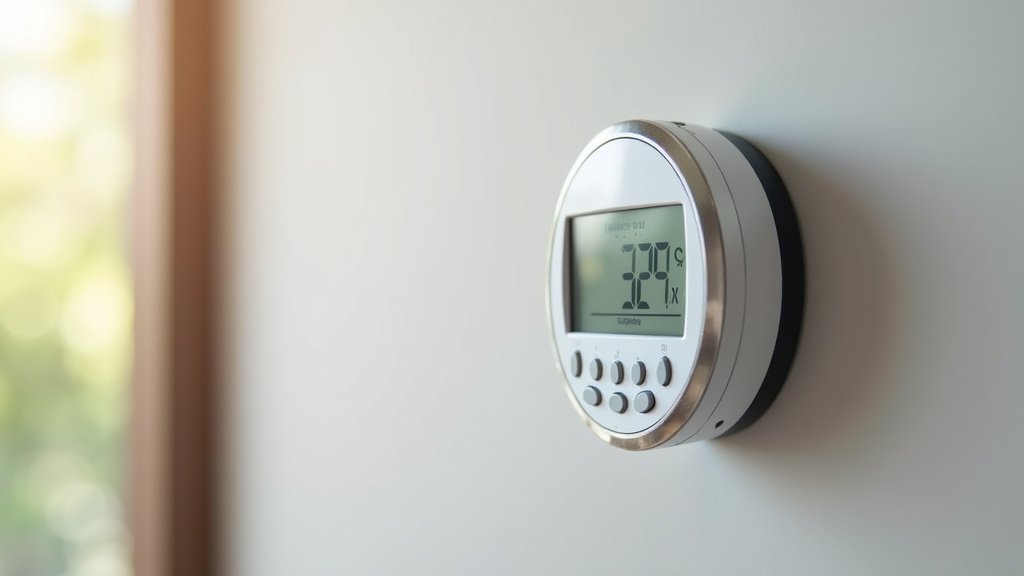
Let’s break down the key differences so you can see the advantages clearly. Traditional humidistats are pretty basic. They usually have a dial or a few buttons to set a target humidity level. They’re either on or off.
Smart humidistats, on the other hand, are much more sophisticated. They offer a level of control and convenience that older models simply can’t match. Here’s a quick comparison:
| Feature | Traditional Humidistat | Smart Humidistat |
|---|---|---|
| Connectivity | None | Wi-Fi enabled |
| Control | Manual, basic dial/buttons | App-based, remote control, scheduling |
| Monitoring | Basic reading | Real-time data, historical trends, alerts |
| Integration | None | Smart home systems (e.g., Alexa, Google Home) |
| Efficiency | Less precise | Optimized for comfort and energy savings |
The Convenience Factor
Imagine being away from home and realizing you forgot to adjust the humidity before a cold snap. With a traditional humidistat, you’re out of luck until you get back. A smart humidistat lets you make that adjustment from your phone, wherever you are.
This remote access provides peace of mind. You can ensure your home’s environment remains stable and healthy, even when you’re not physically present. It’s about having control at your fingertips. Many users report feeling more in tune with their home’s environment this way.
Smart Home Integration
Many smart humidistats can integrate with other smart home devices. This means you can control humidity using voice commands through smart assistants like Amazon Alexa or Google Assistant. You can even create routines where humidity control works in sync with your smart thermostat or lighting.
For example, you could set a “good morning” routine that slightly increases humidity while your lights gradually turn on. This kind of automation enhances your daily comfort. Research shows that integrated smart home systems can lead to greater overall energy efficiency (U.S. Department of Energy).
Key Features to Look For
When you’re considering upgrading to a smart humidistat, there are a few features that stand out. Think about what’s most important for your household’s needs and your existing smart home setup.
User-Friendly App Interface
The smartphone app is your main interface. It should be intuitive and easy to navigate. Can you quickly see the current humidity? Is it simple to set your desired range? Does it offer clear graphs of humidity history? A well-designed app makes all the difference in your daily experience.
Scheduling and Customization
Look for options to create custom schedules. Maybe you want slightly lower humidity at night or higher humidity when you’re home during the day. The ability to tailor settings to your lifestyle is a huge benefit. Many systems also allow you to set different “zones” if your HVAC supports it.
Alerts and Notifications
Receiving alerts is essential. If your humidity spikes unexpectedly or drops too low, you want to know immediately. This allows you to take action before problems arise. Some systems even notify you when it’s time to change a filter in your humidifier or check for leaks.
Compatibility with Your HVAC System
This is critical. Not all smart humidistats are compatible with every type of HVAC system, especially older ones or those with unique wiring. Always check the manufacturer’s compatibility list or consult with an HVAC professional before purchasing. Getting this right ensures your new device will work effectively.
Consider these factors to make sure you choose a smart humidistat that perfectly fits your home and lifestyle. It’s an investment in your comfort and the health of your living space.
To recap the important points, here’s a quick checklist:
- Check app usability.
- Look for custom scheduling.
- Ensure you get useful alerts.
- Verify HVAC system compatibility.
- Consider smart home integration options.
- Think about remote access needs.
Conclusion
You’ve learned that a smart humidistat is more than just a humidity sensor; it’s a connected device that actively manages your home’s air quality. By integrating with your HVAC system and offering remote control via an app, it ensures your home stays within the ideal 30-50% humidity range. This automation protects your health from irritants and safeguards your home and belongings from moisture damage. Consider upgrading your current system to enjoy greater comfort, better health, and peace of mind. Your next step? Research smart humidistat models that best fit your home’s specific needs and smart technology ecosystem.
Frequently Asked Questions
How often should I check my smart humidistat’s settings?
We recommend checking your smart humidistat’s settings at least monthly, or whenever you notice changes in your home’s air. The app often provides historical data, which can help you fine-tune your preferences for optimal comfort and health. Adjustments are simple, so don’t hesitate to tweak them as needed.
Can a smart humidistat help with allergies?
Yes, a smart humidistat can significantly help manage allergy symptoms. By maintaining optimal humidity levels, it prevents the growth of mold, mildew, and dust mites, which are common triggers for allergies and asthma. Consistent control means fewer irritants in your air.
What does “relative humidity” mean for my home?
Relative humidity (RH) refers to the amount of water vapor in the air compared to the maximum it can hold at a certain temperature. Smart humidistats aim to keep your home’s RH between 30% and 50%, which research shows is best for comfort and preventing issues like dry skin or mold growth.
Do I need a separate humidifier or dehumidifier for a smart humidistat?
A smart humidistat controls an existing whole-house humidifier or dehumidifier that’s connected to your HVAC system. It signals these appliances to turn on or off as needed. You typically don’t need separate portable units if your HVAC system is properly equipped and connected.
Is a smart humidistat compatible with older HVAC systems?
Compatibility varies by model and HVAC system. Many smart humidistats work with standard 24-volt HVAC systems, but older or unique systems might require professional consultation. Always check the manufacturer’s specifications or ask an HVAC technician before purchasing to ensure a proper fit.
