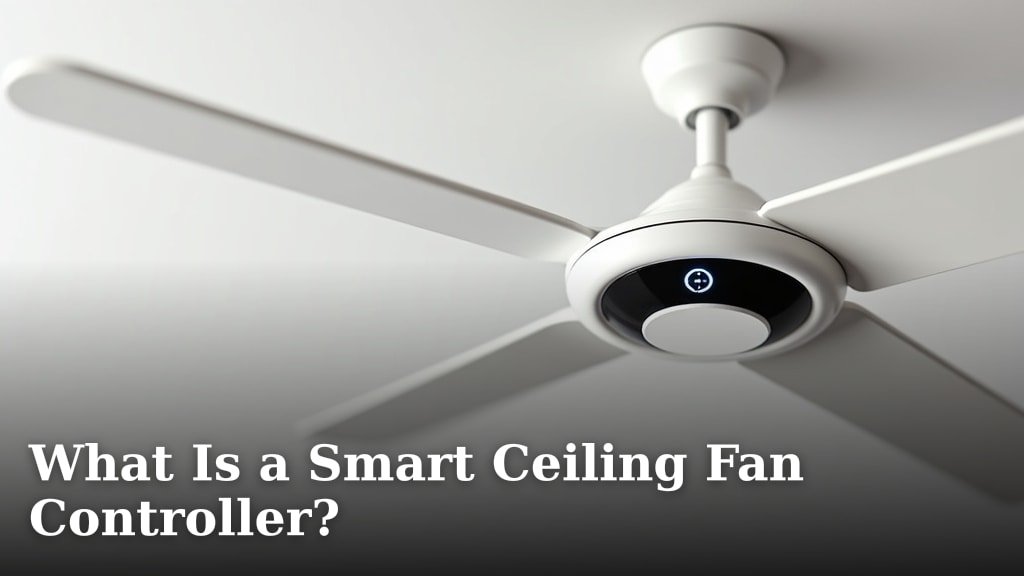
A smart ceiling fan controller is a device or system that lets you control your ceiling fan using a smartphone app, voice commands, or automation. It’s essentially the brain for your fan, making it smarter and more convenient to use. This means no more fumbling for pull chains in the dark!
These controllers often integrate with your home’s Wi-Fi network. They allow for remote operation, scheduling fan speeds, and even dimming compatible lights. We found that this type of smart home technology can offer significant energy savings and comfort.
- Controls your fan remotely.
- Allows scheduling and automation.
- Can integrate with voice assistants.
- Helps save energy and improve comfort.
Let’s walk through what a smart ceiling fan controller is and how it can upgrade your home’s comfort and efficiency.
Understanding Your Smart Ceiling Fan Controller
So, you’re curious about smart ceiling fan controllers. You’ve seen the pull chains, maybe even the basic wall switch. But what exactly makes a controller “smart”? It’s a **device that connects your ceiling fan** to your home network. This connection allows you to control it using modern technology. Think of it as upgrading your fan from a flip phone to a smartphone. You gain much more functionality and convenience. This device that connects your ceiling fan to your home network is similar to how smart AC controllers work.
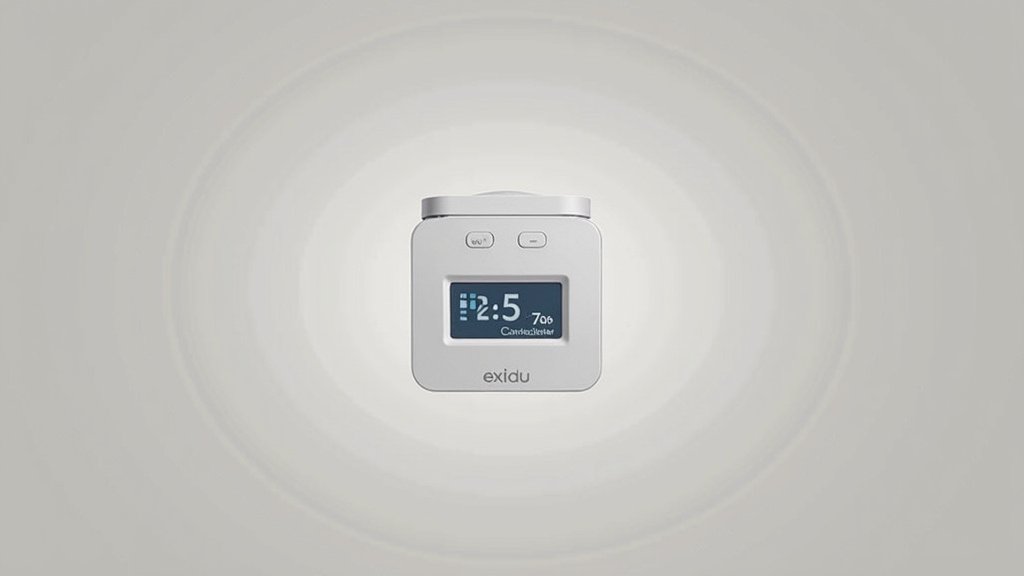
These controllers often come in two main forms. One is a small receiver unit that typically installs in the fan’s canopy. The other is a wall-mounted smart switch. Both achieve the same goal: bringing your fan into the 21st century. We found that the primary benefit is the ability to control your fan from anywhere. This is a big step up from being tied to a physical switch.
How a Smart Controller Enhances Your Fan
What does a smart controller actually do? It brings a host of new features to your existing ceiling fan. You’ll no longer be limited by basic functions. Your fan becomes a much more adaptable part of your home environment. We research this area, and the convenience factor is huge.
Remote Operation: No More Fumbling
This is perhaps the most immediate benefit. Can you imagine lying in bed and wanting to adjust the fan speed? Or perhaps you’re coming home on a hot day and want to start cooling your house before you even walk in the door. With a smart controller, this is all possible. You use a **smartphone app** on your device. Just a few taps and your fan responds. We found that this feature alone makes the upgrade worthwhile for many users.
Voice Control: Hands-Free Convenience
Do you already use a voice assistant like Alexa, Google Assistant, or Siri? Many smart fan controllers integrate with these platforms. You can literally tell your fan what to do. “Alexa, set the ceiling fan to medium speed.” “Hey Google, turn off the fan.” It’s like having a personal assistant for your comfort. We found that this hands-free operation is especially useful when your hands are full. Or perhaps when you’re already comfortable on the couch. Many smart fan controllers integrate with voice commands like Alexa or Google Assistant.
Scheduling and Automation: Set It and Forget It
This is where smart controllers really shine. You can program your fan to turn on or off at specific times. For example, schedule it to turn on automatically in the afternoon when your room gets the sun. Or program it to turn off overnight. Many systems also allow for automation based on other factors. This could be turning on if the room temperature reaches a certain point. We found that this level of automation can contribute to energy savings and consistent comfort.
Energy Savings Through Smart Control
Speaking of energy savings, how does a smart controller help? It prevents you from forgetting to turn off the fan. You can schedule it to turn off when you usually leave the house. Or perhaps at night when you don’t need it on high. Some smart controllers even offer energy usage monitoring. This allows you to see exactly how much power your fan is consuming. Many guidelines for energy efficiency suggest reducing unnecessary usage (U.S. Department of Energy). Smart scheduling directly supports this.
Customizing Your Comfort Levels
Beyond simple on/off, smart controllers let you fine-tune your fan’s performance. You can select specific speeds. Some even allow you to control dimmable lights attached to the fan. This means you can create different “scenes” for your room. Imagine a “movie night” scene with low light and a gentle breeze. Or a “working from home” scene with brighter light and a faster fan speed. We found that this customization greatly enhances the overall feel of a room.
Types of Smart Ceiling Fan Controllers
When you’re looking to make your ceiling fan smart, you’ll encounter a couple of main approaches. Understanding these differences will help you choose the right solution for your home. We research these options to provide a clear comparison.
Smart Fan Receiver Modules
These are small devices that install inside your fan’s housing, usually in the canopy. They connect directly to your fan’s motor and wiring. The module then communicates wirelessly with your smartphone app or smart home hub. This type is great because it hides the technology. You don’t see any new switches on your wall. It’s a cleaner look for many people. We found that installation can sometimes be trickier, as it requires working inside the fan’s electrical box.
Smart Wall Switches/Plaques
These look like traditional light switches but have smart capabilities. They replace your existing fan wall control. They connect to your Wi-Fi network. You then control the fan through an app or voice commands. Some smart wall switches also control the room’s lights. This offers a unified control point. We found that installation is often more straightforward than with receiver modules. It’s similar to replacing a standard light switch.
Smart Fan Combos
Some manufacturers offer integrated smart fans. These fans come with the smart technology built-in from the factory. You don’t need to add a separate controller. This is often the simplest solution if you’re buying a new fan. It ensures all components are compatible. We found that this option is ideal if you’re doing a full renovation or replacing an old fan anyway.
Compatibility and Installation Considerations
Before you dive in, it’s important to check a few things. Not all smart controllers work with all fans. And installation can vary in difficulty. We found that a little preparation goes a long way.
Fan Compatibility Checks
Your fan needs to be compatible with the smart controller you choose. Many smart controllers are designed for standard AC motor fans. If you have a DC motor fan, you’ll need a controller specifically designed for it. Also, check the maximum wattage the controller can handle. Ensure it matches your fan’s power requirements. Some controllers also have limitations on the number of fan speeds they can control. Always read the product specifications carefully before purchasing.
Wi-Fi and Smart Home Hubs
Most smart controllers rely on your home’s Wi-Fi network. Make sure you have a stable Wi-Fi signal where your fan is located. Some controllers work independently, while others might require a dedicated smart home hub. This hub acts as a central point for all your smart devices. If you already have a hub like SmartThings or Hubitat, check for controller compatibility. We found that robust Wi-Fi is key for reliable performance.
Installation: DIY vs. Professional
Are you comfortable working with basic electrical wiring? If so, installing a smart fan controller might be a DIY project. Receiver modules often require wiring inside the fan’s canopy. Smart wall switches are similar to replacing a standard light switch. However, if you’re unsure about electrical work, it’s always best to hire a qualified electrician. Safety is the top priority. We found that many people opt for professional installation to ensure it’s done correctly and safely.
Making the Switch: Is It Worth It?
So, after considering all these features, you might wonder if a smart ceiling fan controller is worth the investment. We think the benefits are quite compelling. It’s more than just a gadget; it’s about improving your daily comfort and potentially saving energy.
Here’s a quick checklist to help you decide:
- Do you often forget to turn off the fan?
- Would you like to control your fan remotely?
- Are you interested in voice control for your home?
- Do you want to schedule your fan’s operation?
- Are you looking for ways to improve home energy efficiency?
- Do you want to easily adjust your fan speed without pulling chains?
If you answered yes to several of these, then a smart controller could be a fantastic addition to your home. It transforms a basic appliance into a smart, convenient part of your connected living space. We found that the **convenience and enhanced control** are primary drivers for users. Plus, the potential for energy savings adds a practical financial benefit.
Conclusion
You’ve learned that a smart ceiling fan controller transforms a basic appliance into a connected convenience. It offers remote control, voice commands, and helpful scheduling. We found that these features enhance your daily comfort and can lead to real energy savings. By preventing forgotten fan operation and enabling precise control, you gain more from your home’s climate. If you’re looking to upgrade your home’s efficiency and convenience, researching the right smart controller for your fan is your clear next step. Make your home work smarter for you!
Frequently Asked Questions
Can I use a smart controller with any ceiling fan?
Generally, most smart controllers work with standard AC motor fans. However, you’ll need to check for compatibility with DC motor fans. Always confirm the maximum wattage and speed control capabilities listed by the manufacturer. We’ve found that reading product specifications carefully is key to avoiding compatibility issues.
Do smart fan controllers require a separate hub?
Some smart fan controllers connect directly to your home Wi-Fi and operate independently through an app. Others might require a smart home hub to function, especially if you want them to integrate with other smart devices. We recommend checking if your existing hub is compatible or if a new one is needed.
Is installing a smart fan controller difficult?
Installation difficulty varies. Receiver modules often require wiring inside the fan canopy, which can be more involved. Smart wall switches are generally as easy to install as a standard light switch. If you’re uncomfortable with electrical work, we strongly advise hiring a qualified electrician for safe and correct installation.
Will a smart controller actually save me money on my electricity bill?
Yes, they can help you save energy. By scheduling your fan to turn off when not needed and allowing remote shut-off, you prevent wasted electricity. Some controllers even offer energy monitoring features. We found that by reducing unnecessary fan runtime, you can see a noticeable difference in your energy consumption.
Can I control both my fan and lights with a smart controller?
It depends on the type of controller you choose. Some smart wall switches are designed to control both your ceiling fan and the room’s lights. Receiver modules typically only control the fan. If you want unified control, look for smart wall switch options that specify light control capabilities.
