
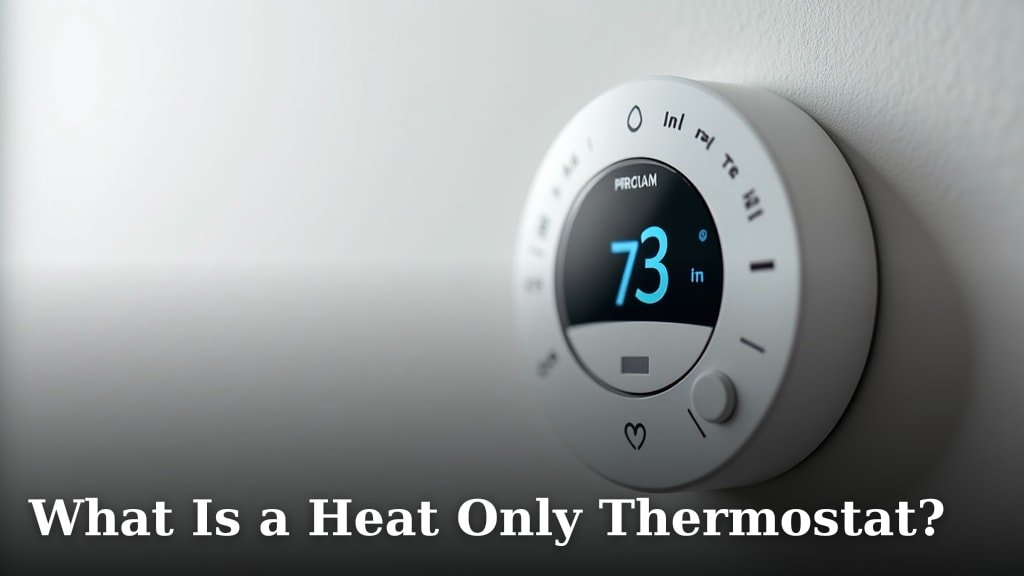
A heat-only thermostat is a device designed to control your heating system only. It doesn’t manage air conditioning. This means it’s perfect for homes that only have furnaces or boilers for heat. You set your desired temperature, and it ensures your home stays warm without affecting cooling. This kind of thermostat is also called a heating-only thermostat.
Many homeowners find heat-only thermostats to be a simple and effective solution. They are often easier to use than complex programmable models. Because they focus solely on heat, they can be very reliable for consistent warmth. If your home doesn’t have central air conditioning, this might be exactly what you need.
- A heat-only thermostat controls only your heating.
- It does not manage air conditioning systems.
- Ideal for homes with furnaces or boilers.
- Offers simple temperature control for warmth.
- Often called a heating-only thermostat.
Ready to understand how this specific type of thermostat works and if it’s the right choice for your home? Let’s dive into the details.
Understanding Your Heating Control: The Heat-Only Thermostat
So, what exactly is a heat-only thermostat? Simply put, it’s a thermostat that focuses solely on your home’s heating system. Think of it as a dedicated temperature manager, but only for when you need to warm things up. It doesn’t have any functions for cooling your home, like an air conditioner. This makes it a straightforward device for maintaining comfort during colder months.
The Core Functionality: Just the Heat!
The primary job of a heat-only thermostat is to sense the ambient temperature in your home and compare it to the temperature you’ve set. When the room temperature drops below your desired setting, it signals your heating system to turn on. Once the temperature reaches or slightly exceeds your set point, it tells the heating system to turn off. It’s a simple, effective loop designed to keep you cozy. This simple, effective loop designed to keep you cozy can also help you save money, and our guide explains the ideal thermostat settings for winter.
This type of thermostat is often referred to as a heating-only thermostat. You won’t find any buttons or modes for “cool” or “fan” on these devices. Their entire purpose is to ensure your furnace or boiler does its job efficiently when needed.
Who Benefits Most from a Heat-Only Thermostat?
These thermostats are ideal for homeowners whose houses are set up with a heating system but lack central air conditioning. If you have a standalone furnace or a boiler that provides heat, a heat-only thermostat is a perfect match. It avoids the confusion of extra buttons or modes you wouldn’t use anyway.
Homes Without Central Air
Many older homes or homes in climates where central air isn’t common rely solely on heating. For these situations, a heat-only thermostat is not just practical, but often the most sensible choice. You’re not paying for features you don’t need, and the operation is wonderfully uncomplicated.
Simplicity Seekers
Are you someone who prefers things to be easy to understand and operate? A heat-only thermostat fits that bill perfectly. It removes unnecessary complexity. You set your temperature, and that’s it. No wondering what “auto” or “cool” settings mean if you don’t have AC.
Types of Heat-Only Thermostats Available
While they all perform the same basic function, heat-only thermostats come in a few variations. Understanding these can help you choose the best one for your needs and budget.
Manual (Mechanical) Heat-Only Thermostats
These are the classic, dial-based thermostats you might remember from your childhood. They use a bimetallic strip that bends with temperature changes to make or break an electrical circuit. They are incredibly reliable and require no batteries or external power. They are the simplest form of temperature control.
Think of them as the analog watches of the thermostat world. They tell you the time (or temperature) and do it consistently. You simply turn the dial to your desired temperature. While they might not be as precise as digital models, their ease of use and durability are hard to beat.
Digital Non-Programmable Heat-Only Thermostats
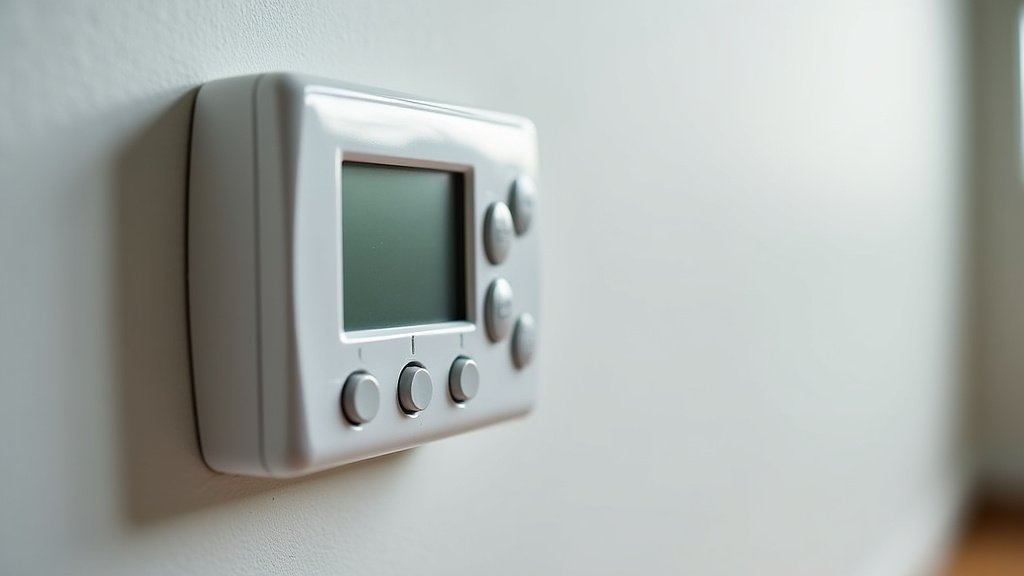
These models feature a digital display showing the current temperature and your set temperature. They are a step up in terms of readability and often offer a bit more precise temperature control than manual ones. You typically use buttons to adjust the temperature up or down.
These are the digital equivalent of the manual dial. They offer a clear readout and simple up/down controls. Many homeowners appreciate the modern look and straightforward operation of these digital, non-programmable units. They are still very easy to use, offering a clear temperature display.
Digital Programmable Heat-Only Thermostats
While some programmable thermostats can manage both heating and cooling, there are models specifically designed to be programmable for heat only. These allow you to set different temperature schedules for different times of the day or week. For instance, you can program it to lower the temperature while you’re at work or sleeping and raise it before you wake up or come home.
This type offers a nice balance between simplicity and energy savings. You get the benefits of automation without the complexity of managing AC settings. Research shows that programmable thermostats can help reduce energy bills when used correctly (U.S. Department of Energy). Even a heat-only programmable model can contribute to those savings.
How Does a Heat-Only Thermostat Work with Your System?
The magic behind your heat-only thermostat lies in its connection to your heating equipment. It’s essentially a communication device. When your home’s temperature dips, the thermostat closes a circuit, sending a low-voltage signal to your furnace or boiler.
The Signal Chain: From Thermostat to Heat
This signal tells your heating system, “It’s time to warm things up!” The furnace or boiler then ignites its burner and begins distributing warm air or hot water throughout your home. Once the thermostat detects that your desired temperature has been reached, it opens that circuit. This signal tells the heating system, “You can take a break now.”
It’s a constant conversation between your thermostat and your heating unit. They work together to maintain your pre-set comfort level. The simplicity of this communication means fewer potential points of failure compared to more complex systems.
Key Features to Look For
When you’re shopping for a heat-only thermostat, keep these features in mind to ensure you get the best fit for your home.
- Temperature Accuracy: You want a thermostat that accurately reads the room temperature for consistent comfort.
- Ease of Installation: Many are designed for DIY installation, but check reviews or consult a professional if you’re unsure. Many are designed for DIY installation, but check reviews or consult a professional if you’re unsure, and our guide covers how to install a smart thermostat yourself.
- Backlight Display: If you have a digital model, a backlit screen makes it easy to read in low light.
- Battery Backup: For digital models, battery backup ensures your settings are saved during a power outage.
- Energy Saving Options: If you opt for a programmable model, look for easy-to-use scheduling features.
Heat-Only vs. All-in-One Thermostats
It’s helpful to understand how a heat-only thermostat differs from the more common “all-in-one” or multi-stage thermostats.
| Feature | Heat-Only Thermostat | All-in-One Thermostat |
|---|---|---|
| Heating Control | Yes | Yes |
| Cooling Control | No | Yes |
| Fan Control | Usually limited or none | Yes (often multi-speed) |
| Complexity | Low | Medium to High |
| Ideal Use Case | Homes with heating only (no AC) | Homes with both heating and cooling |
As you can see, the primary distinction is the absence of cooling controls. If you don’t have an air conditioner, an all-in-one thermostat would have features you simply won’t use. A heat-only model is tailored to your home’s specific setup.
When to Consider Upgrading Your Heat-Only Thermostat
Even if you have a functioning heat-only thermostat, there might be reasons to consider an upgrade. Older thermostats can become less accurate over time. If you notice your heating system is running more than it should, or your home isn’t staying as warm as it used to, your thermostat might be the culprit.
- Inaccurate Temperature Readings: Your current thermostat might be off by several degrees.
- Difficulty Adjusting: If your manual dial is stiff or your digital buttons are unresponsive.
- Desire for Energy Savings: Upgrading to a programmable heat-only model can help you save money on heating bills.
- Convenience: Some newer models offer smart features or easier-to-read displays.
Think of your thermostat as the brain of your heating system. When that brain starts to have trouble remembering or processing information accurately, it’s time for a refresh. Even a simple upgrade can make a big difference in your home’s comfort and your energy bills.
Conclusion
You’ve learned that a heat-only thermostat is your simple, reliable partner for keeping your home warm. It focuses solely on your heating system, making it a perfect, no-fuss choice if you don’t have air conditioning. Whether you prefer a classic manual dial or a straightforward digital display, these thermostats ensure your comfort without unnecessary features. By understanding how they work and their benefits, you can ensure your home stays cozy all winter long. If you’re looking to simplify your home’s climate control or upgrade an older unit, consider a heat-only thermostat for straightforward warmth.
Frequently Asked Questions
Can a heat-only thermostat be used if I have air conditioning?
No, a heat-only thermostat is designed only to control your heating system. If your home also has air conditioning, you would need an all-in-one thermostat that can manage both heating and cooling functions. Using a heat-only thermostat with an AC system would mean your cooling would not be controlled.
What is the difference between a manual and a digital heat-only thermostat?
A manual heat-only thermostat typically uses a dial and a bimetallic strip to control temperature, offering very basic operation and no need for batteries. A digital heat-only thermostat has an electronic display and buttons for setting the temperature, often providing more precise readings and a backlight for easier viewing.
Will a heat-only thermostat help me save energy?
Yes, a heat-only thermostat can help you save energy, especially if you upgrade to a programmable model. By setting schedules to lower the heat when you’re away or asleep, you can reduce energy consumption and lower your heating bills compared to maintaining a constant temperature.
How do I know if my current thermostat is heat-only?
You can usually tell if your thermostat is heat-only by checking its display and controls. Look for settings or buttons labeled “heat” and ensure there are no options for “cool” or “auto” that would engage an air conditioner. If it only has a temperature dial or simple up/down buttons for heat, it’s likely heat-only.
Is a heat-only thermostat difficult to install?
Installation difficulty can vary, but many heat-only thermostats, especially manual and basic digital models, are designed for DIY installation. If you’re comfortable with basic wiring and turning off your breaker, you might be able to install it yourself. However, if you’re unsure, it’s always best to consult a qualified HVAC professional.
