
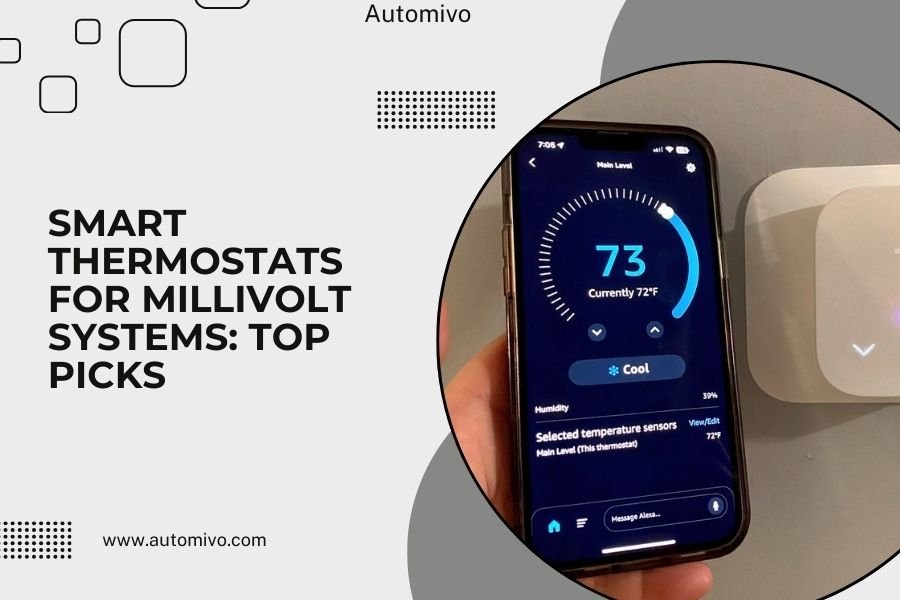
Smart thermostats for millivolt systems work with low-voltage heating systems that operate on 24-750 millivolts, like gas fireplaces, wall heaters, and some older furnaces.
You’ll need thermostats specifically designed for millivolt systems since standard smart thermostats require a C-wire and higher voltage that these systems don’t provide.
What Are Millivolt Systems?
Millivolt systems generate their own power through a thermopile or thermocouple. Think of it like a tiny generator that creates electricity from heat. No external power source needed.
These systems are common in gas fireplaces, wall-mounted heaters, and some older furnaces. You’ll recognize them because they don’t need to plug into the wall.
How Do Millivolt Systems Work?
The pilot light heats a small metal sensor. This sensor creates a tiny amount of electricity – just enough to operate a basic thermostat.
Regular smart thermostats need 24 volts from a transformer. Millivolt systems only produce 750 millivolts at most. That’s why you can’t just install any smart thermostat.
Top Smart Thermostats for Millivolt Systems
Honeywell TH6220WF2006 T6 Pro WiFi
This thermostat tops my research list for millivolt compatibility. It works with systems as low as 40 millivolts.
You get WiFi control, 7-day scheduling, and smartphone app access. The display is clear and easy to read from across the room.
Key Features
- Works with 40-750 millivolt systems
- WiFi connectivity and mobile app
- 7-day programmable schedule
- Geofencing capability
- Voice control compatible
Emerson Sensi ST75
The Sensi ST75 caught my attention for its simple installation process. You won’t need to rewire anything in most cases.
It connects to your home WiFi and works with Alexa, Google Assistant, and Apple HomeKit. The app is straightforward to use.
Installation Benefits
From what I found online, most people install this in under 30 minutes. The step-by-step app guidance walks you through each wire connection.
You keep your existing thermostat wires. No additional power adapter needed for most millivolt systems.
Lux GEO WiFi Thermostat
This option works well for budget-conscious homeowners. It offers basic smart features without the premium price.
The geofencing feature automatically adjusts temperature when you leave or return home. Pretty handy for saving energy.
Compatibility Check: Does Your System Qualify?
Quick System Test
Turn off your current thermostat completely. Does your heating system still have a pilot light? If yes, you likely have a millivolt system.
Check the voltage output with a multimeter if you want to be sure. You should see readings between 200-750 millivolts.
Common Millivolt Applications
- Gas fireplaces and fireplace inserts
- Wall-mounted gas heaters
- Older gas furnaces without electrical connections
- Some pool and spa heaters
- Radiant floor heating systems
Installation Considerations
Power Requirements
Smart thermostats need more power than basic mechanical ones. They have WiFi radios, displays, and processors running constantly.
Some millivolt systems don’t generate enough power for smart features. You might need a power adapter in these cases.
When You Need Extra Power
If your system produces less than 200 millivolts, you’ll likely need supplemental power. Some thermostats come with battery backup options.
Wall adapters are available but require nearby electrical outlets. This might affect your installation location.
Wiring Basics
Millivolt systems typically use two wires: one for the thermopile connection and one for the gas valve control.
The wiring is simpler than standard HVAC systems. You won’t deal with separate heating and cooling wires or zone controls.
Smart Features to Expect
Remote Control Capabilities
You can adjust temperature from anywhere with internet access. Forgot to turn down the heat before vacation? No problem.
Most apps show current temperature, set points, and system status. Some include energy usage tracking.
Scheduling and Automation
Set different temperatures for different times of day. Lower the heat at night and warm up before you wake up.
Geofencing uses your phone’s location to adjust temperature automatically. The system knows when you’re away.
Voice Control Integration
Many smart thermostats work with Alexa, Google Home, and Siri. Just say “set temperature to 72 degrees” instead of walking to the thermostat.
This feature is especially useful for bedtime adjustments or when your hands are full.
Energy Savings Potential
Programmable Benefits
Research from the Department of Energy suggests programmable thermostats can save 10-23% on heating and cooling costs annually.
Smart thermostats often save more because they’re easier to program and adjust. People actually use the scheduling features.
Learning Algorithms
Some models learn your preferences over time. They adjust automatically based on your habits and local weather patterns.
The system might pre-heat your home before you typically wake up, then lower temperatures when you usually leave for work.
Common Installation Challenges
Low Voltage Output
Older millivolt systems might not produce enough power for smart thermostats. You’ll need to measure the voltage first.
If readings are below 200 millivolts, consider a power adapter or battery-powered model.
WiFi Range Issues
Thermostats installed on exterior walls might have weak WiFi signals. Gas fireplaces are often located away from routers.
You might need a WiFi extender or mesh network to ensure reliable connectivity.
Interference Problems
Metal gas lines and fireboxes can interfere with WiFi signals. Test the connection strength before final installation.
Some thermostats include signal strength indicators in their setup menus.
Maintenance and Troubleshooting
Regular System Checks
Clean the thermopile connections annually. Corrosion can reduce voltage output and cause smart thermostat malfunctions.
Check battery levels if your thermostat uses backup power. Low batteries can cause scheduling and WiFi issues.
Common Problems
Connection drops usually mean low voltage or WiFi issues. Check both the thermopile output and internet signal strength.
If the thermostat resets frequently, the power supply might be inadequate for the smart features you’re using.
| Thermostat Model | Min Voltage Required | WiFi Included | Voice Control | Price Range |
|---|---|---|---|---|
| Honeywell T6 Pro | 40mV | Yes | Yes | $150-200 |
| Emerson Sensi ST75 | 200mV | Yes | Yes | $120-160 |
| Lux GEO | 250mV | Yes | Limited | $80-120 |
Cost Considerations
Upfront Investment
Smart thermostats for millivolt systems typically cost $80-200. Installation might add $100-150 if you hire a professional.
The investment usually pays back through energy savings within 2-3 years for most households.
Long-term Value
Smart thermostats last 10-15 years on average. The convenience and energy savings add up over time.
Many utility companies offer rebates for smart thermostat installations. Check with your local provider before purchasing.
Professional vs DIY Installation
DIY Advantages
Millivolt system wiring is simpler than standard HVAC systems. Most people can handle the installation with basic tools.
You save $100-150 in labor costs. The thermostat manufacturers provide detailed installation guides and video tutorials.
When to Call a Professional
If you’re not comfortable working with gas appliances, hire a technician. Safety should always come first.
Complex systems with multiple zones or unusual wiring configurations might need professional installation.
Conclusion
Smart thermostats can work with millivolt systems, but you need the right model for your specific voltage output. The Honeywell T6 Pro works with the lowest voltages, while the Emerson Sensi ST75 offers the easiest installation experience.
Measure your system’s voltage first, then choose a compatible thermostat. You’ll enjoy remote control, scheduling, and energy savings while keeping your existing heating system. The investment typically pays for itself through reduced energy costs within a few years.
Can I use a Nest thermostat with a millivolt system?
No, Nest thermostats are not compatible with millivolt systems. They require a C-wire and 24-volt power that millivolt systems cannot provide.
How do I know if my heating system is millivolt?
Turn off your thermostat completely. If your heating system still maintains a pilot light without any electrical connection to your home’s power, you have a millivolt system.
What happens if my millivolt system doesn’t produce enough power?
You can use a power adapter that plugs into a nearby electrical outlet, or choose a battery-powered smart thermostat designed for low-power systems.
Are smart thermostats for millivolt systems less reliable?
They’re generally reliable when properly matched to your system’s voltage output. Problems usually occur when the thermostat requires more power than the system provides.
Can I control multiple millivolt zones with one smart thermostat?
No, each zone needs its own thermostat. Millivolt systems don’t support centralized multi-zone control like standard HVAC systems.