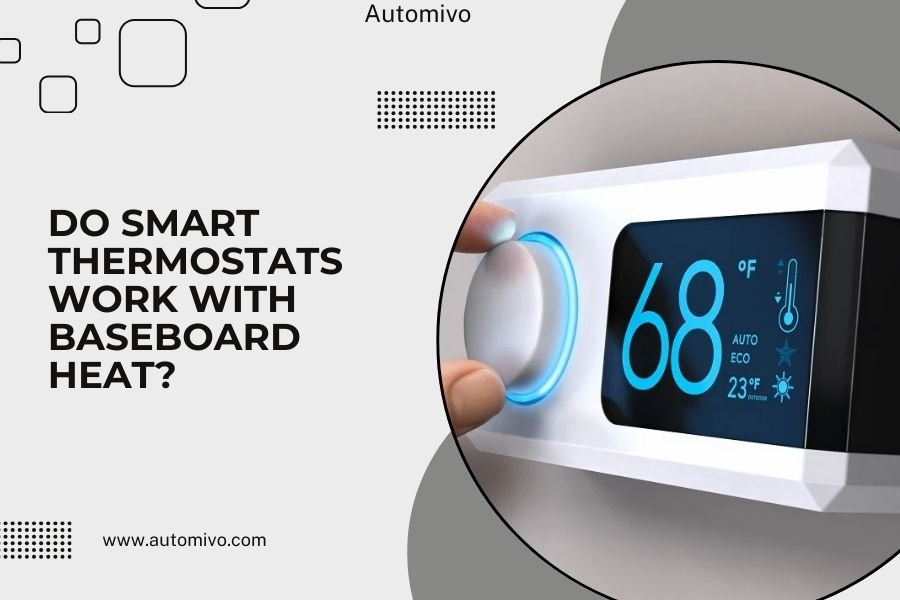
Yes, smart thermostats can work with baseboard heat systems, but compatibility depends on your specific heating setup and wiring configuration.
Electric baseboard heaters often require line voltage thermostats, while most smart thermostats operate on low voltage, making direct replacement challenging without proper adapters or transformers.
Understanding Baseboard Heat Systems
Baseboard heating comes in two main types. You’ll find electric baseboard heaters that plug directly into high voltage circuits. Then there are hydronic baseboard systems that use hot water heated by a central boiler.
Electric baseboard heaters typically run on 240 volts. Your existing thermostat probably handles this high voltage directly. Most smart thermostats work with 24-volt systems instead.
Think of it like trying to plug a phone charger into a dryer outlet. The voltage mismatch creates problems without the right adapter.
Electric Baseboard Heat Challenges
Electric systems present the biggest hurdle for smart thermostat installation. Your current thermostat likely sits right in the electrical path between the heater and wall outlet.
Smart thermostats need constant power to maintain WiFi connections and run their displays. High voltage systems don’t provide the steady, low-voltage power these devices expect.
Hydronic Baseboard Heat Advantages
Hydronic systems work much better with smart thermostats. These setups use a central boiler that responds to low-voltage thermostat signals.
Your boiler probably already connects to a standard 24-volt thermostat. Smart thermostats can often replace these directly with minimal wiring changes.
Smart Thermostat Compatibility Options
You have several paths forward, depending on your current setup. Each approach has different costs and complexity levels.
Line Voltage Smart Thermostats
A few companies make smart thermostats designed specifically for high-voltage baseboard systems. These models cost more than standard smart thermostats but work directly with your existing wiring.
Cadet and King Electric offer line voltage smart options. I found that these thermostats provide basic smart features like scheduling and remote control.
Features You Can Expect
- WiFi connectivity for remote temperature control
- Basic scheduling through smartphone apps
- Energy usage monitoring in some models
- Simple installation with existing high-voltage wiring
Limitations to Consider
- Fewer smart home integration options
- Limited advanced features compared to low-voltage models
- Higher upfront costs
- Smaller selection of available models
Voltage Conversion Methods
You can convert your high-voltage system to work with standard smart thermostats. This approach requires adding a relay and transformer to handle the voltage differences.
The relay acts like a remote switch. Your smart thermostat sends low-voltage signals to the relay, which then controls your high-voltage baseboard heaters.
Required Components
- 24-volt transformer to power the smart thermostat
- Line voltage relay to switch your baseboard heaters
- Proper electrical boxes and wiring
- Your chosen smart thermostat
Installation Considerations
This conversion requires electrical work that many homeowners shouldn’t attempt alone. You’ll need to run new low-voltage wiring and install electrical components safely.
Many local electrical codes have specific requirements for this type of conversion. An electrician can make sure everything meets safety standards.
Step-by-Step Installation Process
The installation process varies significantly based on your chosen approach. Here’s what you can expect for each method.
Installing Line Voltage Smart Thermostats
This process closely resembles replacing any standard line voltage thermostat. You’ll work with high-voltage wiring, so safety comes first.
Safety Preparations
Turn off power at your electrical panel before starting. Use a voltage tester to confirm power is off at the thermostat location.
High voltage can cause serious injury or death. When in doubt, hire a licensed electrician.
Wiring Steps
Remove your old thermostat and note which wires connect to each terminal. Most line voltage thermostats have two wire connections.
Connect the same wires to your new smart thermostat according to the manufacturer’s instructions. The wiring should match your previous setup.
Installing with Voltage Conversion
This approach involves more complex electrical work. You’ll install new components and run additional wiring.
Transformer Installation
Your electrician will install a 24-volt transformer near your electrical panel or in another accessible location. This transformer provides power for your smart thermostat.
Relay Connection
The relay gets wired between your new thermostat and existing baseboard heaters. Low-voltage signals from your thermostat control the high-voltage relay contacts.
Smart Thermostat Features for Baseboard Heat
Once installed, you’ll gain access to features that make baseboard heating more convenient and efficient.
Programming and Scheduling
Smart thermostats let you create detailed heating schedules. You can set different temperatures for weekdays and weekends.
Many people save money by lowering temperatures when they’re away from home. Your thermostat can automatically adjust based on your typical schedule.
Remote Control Capabilities
Smartphone apps give you control from anywhere with internet access. Come home to a warm house by raising the temperature during your commute.
Some thermostats use geofencing to detect when you’re approaching home. They can start heating automatically based on your phone’s location.
Energy Monitoring Features
Many smart thermostats track your energy usage over time. You can see how different temperature settings affect your electricity bills.
This information helps you find the sweet spot between comfort and energy savings. Small temperature adjustments can lead to significant cost reductions.
Cost Analysis and Budgeting
Smart thermostat costs vary widely based on your chosen approach and current system.
Line Voltage Thermostat Costs
Line voltage smart thermostats typically cost between $150 and $300. Installation might add another $100 to $200 if you hire an electrician.
This option often provides the lowest total cost for electric baseboard systems.
Conversion System Costs
Voltage conversion requires more components and labor. Expect to spend $200 to $400 on parts, plus $300 to $600 for professional installation.
You’ll also need to buy your preferred smart thermostat, which adds another $100 to $300 to the total cost.
Long-Term Savings Potential
Smart thermostats can reduce heating costs through better scheduling and monitoring. I found research suggesting 10-15% energy savings are possible with proper use.
Your actual savings depend on your current heating habits and local electricity rates. Homes with inconsistent manual temperature control see the biggest improvements.
Common Installation Problems
Several issues can complicate smart thermostat installation with baseboard heat systems.
Wiring Complications
Older homes sometimes have unusual wiring configurations. Multiple baseboard heaters might share circuits in unexpected ways.
Some installations use thermostats wired in series with heaters. Others have thermostats that control relays or contactors remotely.
Power Supply Issues
Smart thermostats need consistent power to maintain their connections. Systems without proper power supplies can experience frequent disconnections.
Battery-powered models work for some installations, but require regular battery changes and may have limited features.
Compatibility Conflicts
Not all smart thermostats work with every heating system. Check compatibility requirements carefully before purchasing.
Some models require specific wiring configurations or won’t work with certain relay types.
Professional vs. DIY Installation
Your comfort level with electrical work should guide your installation approach.
When to Hire Professionals
High-voltage electrical work can be dangerous without proper knowledge and tools. Licensed electricians understand local codes and safety requirements.
Complex installations involving new wiring or electrical panels almost always require professional help.
DIY-Friendly Scenarios
Replacing an existing line voltage thermostat with a similar smart model might be manageable for experienced DIYers.
Always turn off power and verify it’s off before starting any electrical work. Use proper tools and follow manufacturer instructions exactly.
Smart Home Integration Options
Smart thermostats can connect with other home automation systems for enhanced control.
Voice Assistant Compatibility
Many models work with Alexa, Google Assistant, or Siri. You can adjust temperatures using voice commands.
This feature becomes particularly useful when your hands are full or you’re in another room.
Home Automation Platforms
Integration with systems like SmartThings or Hubitat allows coordinated control of multiple home systems.
Your thermostat can respond to door sensors, window sensors, or other environmental inputs automatically.
Maintenance and Troubleshooting
Smart thermostats require occasional maintenance to function properly with baseboard heating systems.
Regular Maintenance Tasks
Keep your thermostat’s software updated through the manufacturer’s app. Updates often include bug fixes and new features.
Clean the display screen periodically and check that all connections remain secure.
Common Problems and Solutions
WiFi connectivity issues can cause remote control problems. Make sure your thermostat location has strong wireless signal strength.
Temperature accuracy problems might indicate sensor issues or poor thermostat placement. Avoid locations near heat sources or drafts.
Alternative Solutions
Smart thermostats aren’t the only way to add intelligence to baseboard heating systems.
Smart Switches and Outlets
Smart switches can control baseboard heaters through smartphone apps. These don’t provide temperature feedback but offer scheduling and remote control.
Smart outlets work similarly for plug-in baseboard heaters. They cost less than smart thermostats but lack temperature sensing.
Room Sensors and Controllers
Some systems use wireless temperature sensors connected to smart relays. These provide room-by-room control without complex wiring changes.
Conclusion
Smart thermostats can definitely work with baseboard heat, though your path forward depends on your specific system type. Electric baseboard heaters need line voltage smart thermostats or conversion systems, while hydronic baseboard setups usually accept standard smart thermostats with minimal modifications. The investment in smart control pays off through improved convenience, better scheduling, and potential energy savings. Consider your budget, technical comfort level, and desired features when choosing your approach. Professional installation ensures safety and proper operation, especially for high-voltage systems.
Can I use any smart thermostat with my baseboard heaters?
No, standard smart thermostats won’t work directly with electric baseboard heaters due to voltage differences. You need either a line voltage smart thermostat designed for baseboard heat or a conversion system with relays and transformers.
How much money can a smart thermostat save with baseboard heating?
Smart thermostats can reduce baseboard heating costs by 10-15% through better scheduling and temperature control. Your actual savings depend on current heating habits, home insulation, and local electricity rates.
Do smart thermostats work the same way with hydronic baseboard systems?
Yes, hydronic baseboard systems typically use standard 24-volt thermostats that smart models can replace directly. These installations are much simpler than electric baseboard conversions and offer full smart thermostat functionality.
What happens if my smart thermostat loses WiFi connection?
Your heating system continues working normally when WiFi goes down. You lose remote control and smart features temporarily, but the thermostat maintains your set temperature using its internal programming and manual controls.
Can I install multiple smart thermostats for different baseboard heating zones?
Yes, you can install smart thermostats for each heating zone in your home. This provides room-by-room temperature control and can increase energy savings by heating only occupied areas when needed.