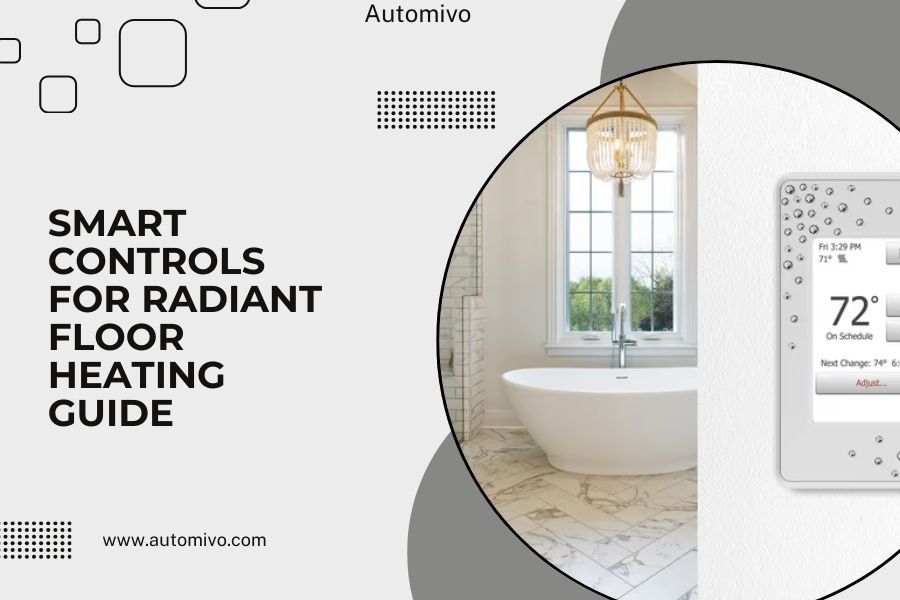
Smart controls for radiant floor heating let you schedule temperatures, adjust zones remotely, and save up to 30% on energy costs through precise automation.
These systems use programmable thermostats, smart sensors, and mobile apps to give you complete control over your floor heating from anywhere.
What Are Smart Controls for Radiant Floor Heating
Smart controls turn your basic floor heating into an intelligent system. Think of them as the brain that tells your heating when to turn on, how hot to get, and which rooms need attention.
Your old manual thermostat just sits there waiting for you to adjust it. Smart controls learn your schedule and make changes automatically. They connect to your phone, tablet, or voice assistant.
The system includes sensors that monitor room temperature, outdoor weather, and even humidity. When conditions change, your heating responds without you lifting a finger.
How Smart Radiant Floor Heating Controls Work
The setup is simpler than you might think. Smart thermostats replace your old wall controls. Floor sensors measure actual surface temperature. A central hub connects everything to your home network.
Your phone app becomes the command center. You can set different temperatures for morning, afternoon, and night. The system remembers these patterns and repeats them daily.
Zone Control Systems
Multi-zone systems divide your home into separate heating areas. Your living room might need 72°F while your bedroom stays at 68°F. Each zone has its own thermostat and controls.
I found that most homeowners love having 3-4 zones. Main living areas, bedrooms, bathrooms, and basements each get their own settings.
Sensor Technology
Floor sensors measure the actual surface temperature of your heating system. Air sensors track room temperature. Some advanced models include humidity and occupancy sensors too.
These sensors talk to each other constantly. When your floor gets too hot, the system backs off. When someone enters a room, motion sensors can trigger heating in that zone.
Types of Smart Thermostats for Floor Heating
You have three main options when picking a smart thermostat. Each type offers different features and price points.
WiFi-Enabled Programmable Thermostats
These are the most popular choice. They connect to your home internet and let you control heating from your phone. Most cost between $150-$300.
Popular brands include Nest, Honeywell, and Ecobee. They work with both electric and hydronic radiant systems. Installation usually takes 30-60 minutes.
Smart Relay Modules
Relay modules work with your existing thermostat. They add smart features without replacing the whole control system. These cost $50-$150 per zone.
I came across these as a budget-friendly option for people who like their current thermostat but want remote control features.
Advanced Building Management Systems
High-end systems integrate with whole-home automation. They cost $500-$2000 but control heating, cooling, lighting, and security together.
These make sense for large homes or people building comprehensive smart home systems. Installation requires professional help in most cases.
Key Features to Look For
Smart controls come packed with features. Some are must-haves. Others are nice bonuses that might not justify extra cost.
Scheduling and Programming
Good scheduling lets you set different temperatures for each day of the week. Weekends often have different patterns than workdays.
Look for systems that allow at least 4 temperature changes per day. Some offer unlimited programming with 15-minute intervals.
Remote Access and Mobile Apps
Your app should be simple to use and respond quickly. The best ones let you adjust temperature, view energy usage, and get maintenance alerts.
Research shows that people use mobile apps daily for the first month, then mostly for vacation adjustments and troubleshooting (Department of Energy).
Learning Capabilities
Some systems learn your habits and adjust automatically. They notice when you usually wake up, leave for work, and go to bed.
This sounds fancy, but many people turn off learning features. They prefer manual control over their heating schedules.
Energy Monitoring
Energy tracking shows your daily, weekly, and monthly usage. Some apps compare your usage to similar homes in your area.
This data helps you spot problems early and adjust settings to save money. Look for systems that show real-time power consumption.
Installation Process
Most smart thermostat installations are DIY-friendly. You need basic tools and about an hour of time.
Electric Radiant Systems
Turn off power at the breaker box first. Remove your old thermostat and take a photo of the wire connections. Connect the new thermostat following the color-coded instructions.
Electric systems usually have 2-4 wires. Line voltage systems use thicker wires than low-voltage setups. When in doubt, call an electrician.
Hydronic Radiant Systems
Water-based systems often need professional installation. The controls connect to pumps, valves, and boiler systems. Mistakes can damage expensive equipment.
DIY installation works for simple zone valve replacements. Complex manifold systems require HVAC expertise.
Network Setup
Connect your thermostat to your home WiFi network. Download the manufacturer’s app and create an account. Follow the setup wizard to configure zones and schedules.
Most systems work with 2.4GHz networks. Some newer models support 5GHz WiFi for faster response times.
Smart Home Integration Options
Your floor heating controls can work with other smart devices. This creates automation routines that make your home more comfortable and efficient.
Voice Assistant Compatibility
Alexa, Google Assistant, and Siri can control your heating with voice commands. “Hey Google, set the living room to 70 degrees” works with most systems.
Voice control is helpful when your hands are full or you’re across the room. Setup takes just a few minutes in your voice assistant app.
Smart Home Hubs
SmartThings, Hubitat, and HomeKit let you create complex automation rules. Your heating can respond to door sensors, weather forecasts, or occupancy detectors.
Advanced users love these integrations. Beginners often find them confusing and stick with basic smartphone control.
Weather Integration
Weather-aware systems adjust heating based on outdoor temperature forecasts. They pre-heat your home before cold snaps and reduce output on warm days.
I found online that this feature can save 10-15% on heating costs in climates with variable weather patterns.
Energy Savings and Efficiency
Smart controls save money through better scheduling and zone management. The exact savings depend on your old system and how you use the new features.
Automatic Scheduling Benefits
Consistent temperature schedules prevent energy waste from manual adjustments. Many people forget to turn down heat when leaving home or going to bed.
Studies show that programmable thermostats can reduce heating costs by 10-23% when used properly (EPA).
Zone-Based Heating
Heating only occupied rooms cuts energy use significantly. Why heat empty bedrooms during the day or living rooms at night?
Multi-zone systems cost more upfront but pay for themselves within 2-4 years in most homes.
| Feature | Annual Energy Savings | Payback Period |
|---|---|---|
| Basic Scheduling | 10-15% | 1-2 years |
| Multi-Zone Control | 20-30% | 2-4 years |
| Weather Integration | 5-10% | 3-5 years |
| Occupancy Sensors | 15-25% | 2-3 years |
Common Problems and Troubleshooting
Smart thermostats occasionally have connectivity issues or programming glitches. Most problems have simple solutions.
WiFi Connection Issues
Weak WiFi signals cause the most problems. Your thermostat needs consistent internet access to work properly.
Move your router closer or add a WiFi extender near your thermostat. Check that your network password hasn’t changed recently.
Temperature Sensor Problems
Floor sensors can shift position or fail over time. Symptoms include uneven heating or temperature readings that seem wrong.
Test sensors with a multimeter or infrared thermometer. Replacement sensors cost $20-$50 and usually plug into the thermostat easily.
App and Software Glitches
Delete and reinstall mobile apps when they act up. Clear your phone’s cache or restart the app if settings don’t save properly.
Keep your thermostat firmware updated. Most systems check for updates automatically, but some require manual installation.
Cost Analysis
Smart floor heating controls range from budget-friendly add-ons to comprehensive automation systems. Your investment depends on features and installation complexity.
Budget Options ($50-$200)
Basic programmable thermostats and smart switches offer essential features without breaking the bank. These work well for single-zone systems.
DIY installation saves money but takes time to learn. Budget systems often lack advanced features like energy monitoring or voice control.
Mid-Range Systems ($200-$600)
Popular brands like Nest and Honeywell fall into this category. They include most smart features and work with multiple home automation platforms.
Professional installation adds $100-$300 but comes with warranties and troubleshooting support.
Premium Solutions ($600+)
High-end systems integrate with building management platforms. They’re designed for large homes or commercial applications.
These systems need professional design and installation. Ongoing maintenance contracts often make sense for complex setups.
Maintenance and Care
Smart controls need minimal maintenance compared to mechanical systems. Regular software updates and occasional sensor cleaning keep everything running smoothly.
Software Updates
Enable automatic updates when possible. New features and bug fixes arrive regularly from manufacturers.
Check your app store monthly for mobile app updates. Older app versions sometimes lose compatibility with updated thermostats.
Sensor Cleaning
Dust and debris can affect temperature readings. Wipe sensors with a dry cloth every few months.
Floor sensors under tile or hardwood don’t need cleaning. Room sensors mounted on walls collect dust and pet hair over time.
Future Trends
Smart floor heating technology keeps improving. New features focus on artificial intelligence, better sensors, and easier installation.
AI-Powered Learning
Next-generation systems use machine learning to predict your preferences. They adjust heating before you realize you’re cold.
Some systems already analyze your utility bills and suggest energy-saving improvements automatically.
Improved Sensors
Wireless sensors eliminate installation wiring. Battery-powered units last 2-5 years and send data to your thermostat constantly.
Humidity and air quality sensors are becoming standard features in premium systems.
Conclusion
Smart controls transform basic radiant floor heating into a responsive, efficient comfort system. You get precise temperature control, energy savings, and the convenience of managing everything from your phone.
Start with a quality programmable thermostat for single-zone systems. Add multi-zone controls if you want room-by-room temperature management. Consider professional installation for complex hydronic systems or whole-home integration.
The upfront investment pays off through lower energy bills and improved comfort. Most homeowners see payback within 2-3 years while enjoying better temperature control every day.
What’s the difference between smart thermostats and regular programmable ones?
Smart thermostats connect to WiFi and let you control heating remotely through mobile apps. They often include learning features, energy monitoring, and voice assistant compatibility that regular programmable thermostats lack.
Can I install smart floor heating controls myself?
Most electric radiant system controls are DIY-friendly if you’re comfortable with basic electrical work. Hydronic systems usually need professional installation due to connections with pumps, valves, and boiler equipment.
Do smart controls work with both electric and water-based radiant systems?
Yes, but you need different types of controllers. Electric systems use line voltage or low voltage thermostats. Hydronic systems need controls that operate zone valves and circulation pumps.
How much money can smart floor heating controls really save?
Typical savings range from 10-30% on heating costs depending on your old system and how you use scheduling features. Multi-zone control in larger homes often provides the biggest savings.
What happens if my WiFi goes out or the app stops working?
Most smart thermostats continue operating on their programmed schedule even without internet connection. You can usually adjust temperature manually using buttons on the thermostat itself as a backup.