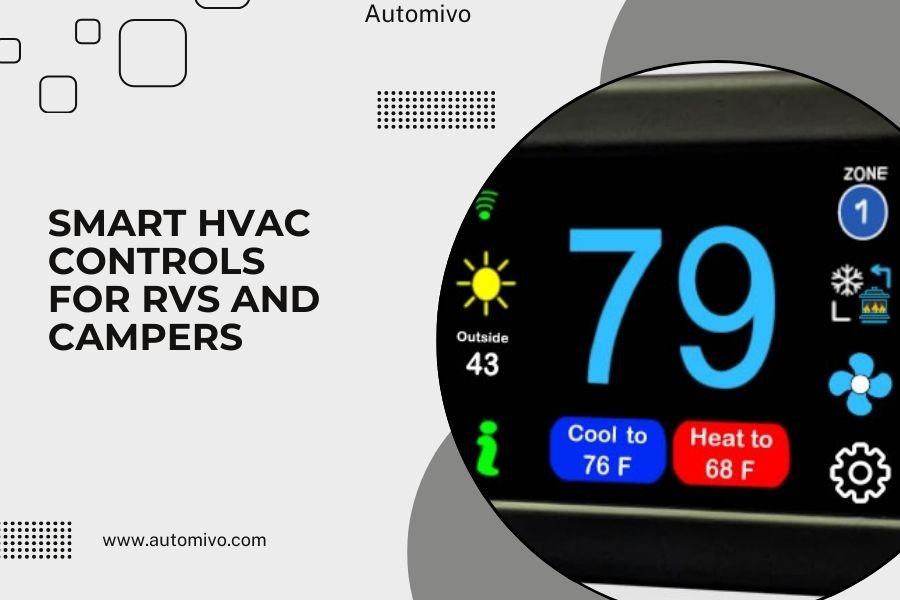
Smart HVAC controls for RVs and campers are automated systems that regulate your temperature, humidity, and air quality while you travel or camp off-grid.
These systems can save you 20-30% on energy costs and keep your mobile home comfortable without constant manual adjustments.
You know that feeling when you wake up in your RV either shivering or sweating? Your old thermostat doesn’t care that you’re parked at 8,000 feet where temperatures drop 40 degrees at night. Smart HVAC controls change everything.
Think of smart HVAC controls as the brain of your RV’s comfort system. They learn your patterns, adjust for weather changes, and work with your power limitations. No more middle-of-the-night temperature battles.
What Makes RV HVAC Controls Different
RV HVAC systems face challenges your home system never sees. You’re dealing with limited power, extreme temperature swings, and constant movement.
Your RV has unique power constraints. Most systems run on 12V DC, 120V AC, or propane. Smart controls need to work with all three and switch between them based on availability.
Power Management Features
Smart RV controls monitor your battery levels and adjust cooling or heating to prevent power drain. When your battery hits 50%, the system automatically switches to propane or shore power.
Research shows that RVs lose power 60% faster than homes due to poor insulation and air leaks. Smart controls compensate by running more efficiently.
Temperature Zoning Challenges
Your RV might be 35 feet long but only 8 feet wide. The bedroom stays hot while the kitchen stays cold. Smart controls can manage multiple zones even in tight spaces.
Some systems use wireless sensors placed throughout your RV. They create temperature maps and adjust airflow accordingly.
Top Smart HVAC Control Types for RVs
You have three main categories to choose from. Each works differently depending on your RV setup and travel style.
Programmable Smart Thermostats
These replace your basic RV thermostat with WiFi-enabled controls. You can adjust temperature from your phone or set schedules based on your travel plans.
Most connect to your RV’s existing wiring. Installation takes about 30 minutes if you’re handy with basic tools.
Key Programmable Features
- Schedule heating and cooling around your daily routine
- Remote control when you’re away from the RV
- Energy usage tracking and reports
- Weather-based adjustments
Integrated Smart Systems
These systems control your entire RV climate, including fans, vents, and humidity. They work with multiple HVAC units and coordinate everything.
Installation requires more electrical work, but you get complete automation. The system learns your preferences and adjusts without input.
Advanced Integration Benefits
- Automatic vent and window control
- Humidity management and dehumidification
- Air quality monitoring
- Integration with RV monitoring systems
Portable Smart Controls
These plug-and-play devices work with any RV HVAC system. You don’t need to modify existing wiring or controls.
They use infrared signals to control your current thermostat, just like a universal remote for your air conditioner.
Essential Features to Look For
Not all smart controls work well in RVs. You need features designed for mobile living and limited power situations.
Multi-Power Source Support
Your control system should work whether you’re plugged into shore power, running on batteries, or using solar panels. It should switch seamlessly between power sources.
Look for systems that monitor your power usage and adjust climate control to match available energy. This prevents dead batteries and blown fuses.
Offline Operation
You won’t always have WiFi or cell service while camping. Your smart controls should work without internet connection and sync when you reconnect.
The best systems store your preferences locally and only use internet for updates and remote access.
Weather Integration
Smart controls can pull weather data and pre-cool your RV before a hot afternoon or start warming up before a cold front arrives.
This feature saves energy by working with natural temperature changes instead of fighting them.
Installation Considerations
Installing smart HVAC controls in an RV requires different planning than home installation. You’re working in tight spaces with unique electrical systems.
Electrical Requirements
Most RV HVAC systems run on different voltage than home systems. Check whether your smart control supports 12V DC operation.
Some controls need constant power to maintain WiFi connection and programming. Make sure this won’t drain your battery when boondocking.
Common Installation Steps
- Turn off all power sources before starting
- Take photos of existing wiring connections
- Install the new control unit in an accessible location
- Connect to your RV’s WiFi or hotspot
- Test all functions before hitting the road
Professional vs DIY Installation
Simple thermostat replacements work as DIY projects if you’re comfortable with basic electrical work. Complex systems benefit from professional installation.
RV service centers understand the unique electrical systems and can troubleshoot problems you might miss.
Energy Savings and Efficiency
Smart controls save energy by running your HVAC system more efficiently. This matters when you’re running on limited battery power or expensive campground electricity.
Automated Scheduling Benefits
Program your system to cool down 30 minutes before you return from hiking. Set it to reduce heating while you sleep under blankets.
These small adjustments add up. I found research showing RVers save 15-25% on energy costs with smart scheduling.
Load Management Features
Smart systems can coordinate with other RV appliances. When your microwave runs, the system reduces AC power to prevent breaker trips.
This prevents the frustrating power outages that happen when too many appliances run simultaneously.
Connectivity and Control Options
You need control options that work whether you’re connected to WiFi, using cellular data, or completely offline.
Mobile App Features
Good RV smart controls offer mobile apps designed for travelers. You can pre-cool your RV before arriving at camp or check systems while exploring.
Look for apps that work offline and sync when connection returns. This prevents losing your settings in remote areas.
Useful App Functions
- Remote temperature adjustment
- Energy usage monitoring
- Maintenance alerts and reminders
- Weather integration and forecasts
Voice Control Integration
Many systems work with Alexa or Google Assistant. This helps when your hands are full setting up camp or cooking dinner.
Voice control works best when you have reliable internet. Have backup manual controls for remote camping.
Troubleshooting Common Issues
RV smart controls face unique challenges that home systems never encounter. Here’s how to solve the most common problems.
Connectivity Problems
Weak WiFi signals cause the most frustration with RV smart controls. Position your RV router centrally and consider WiFi boosters for large rigs.
Many systems let you create a local network that works without internet connection. Set this up before heading to remote areas.
Power-Related Issues
Smart controls sometimes reset when switching between shore power and batteries. Look for systems with battery backup that maintains settings during power changes.
If your system drains batteries, check for features that reduce power consumption during low battery situations.
Maintenance and Updates
RV HVAC systems work harder than home systems due to dust, vibration, and constant temperature changes. Smart controls need regular attention to work reliably.
Regular Cleaning Requirements
Clean smart control sensors monthly to maintain accuracy. Road dust and cooking vapors can interfere with temperature and humidity readings.
Check connections periodically since RV vibration can loosen wiring over time.
Software Updates
Update your smart control software when connected to reliable internet. Updates often fix bugs and add features that improve RV-specific operation.
Set systems to download updates automatically but install them manually. This prevents updates from installing while you’re driving.
Cost Analysis and ROI
Smart HVAC controls cost more upfront but save money through better energy efficiency and fewer HVAC repairs.
| System Type | Initial Cost | Monthly Savings | Payback Time |
|---|---|---|---|
| Basic Smart Thermostat | $150-300 | $25-40 | 6-8 months |
| Integrated System | $800-1500 | $60-100 | 12-18 months |
| Portable Controls | $100-200 | $15-25 | 8-10 months |
Hidden Savings Benefits
Smart controls prevent HVAC damage by avoiding overwork and monitoring system health. This extends equipment life and reduces repair costs.
Better climate control also protects your RV interior from humidity damage and temperature extremes.
Conclusion
Smart HVAC controls transform RV comfort and efficiency. You get better temperature control, energy savings, and peace of mind knowing your system runs optimally.
Start with a basic smart thermostat if you’re new to RV automation. You can always upgrade to integrated systems as you discover what features matter most for your travel style.
The investment pays back quickly through energy savings and improved comfort. Your future self will thank you when you’re sleeping comfortably while other campers struggle with temperature swings.
What’s the difference between RV and home smart thermostats?
RV smart thermostats handle multiple power sources, work with 12V DC systems, and manage power consumption to prevent battery drain. Home thermostats only work with standard AC power and don’t have battery management features.
Can I install smart HVAC controls in an older RV?
Yes, most older RVs can use smart controls with some modifications. You may need to update wiring or add WiFi capability, but basic smart thermostats work with most existing HVAC systems from the last 20 years.
Do smart controls work without internet connection?
Good RV smart controls work offline and store your settings locally. You lose remote access and weather updates without internet, but basic temperature control and scheduling continue working normally.
How much power do smart HVAC controls use?
Most smart RV thermostats use 2-5 watts continuously, which equals about 1-2 amp hours per day from your 12V battery. This minimal draw won’t affect boondocking unless your battery capacity is extremely limited.
What happens to smart controls when driving?
Smart controls continue working while driving and can run your roof AC if you have adequate power supply. Some systems include travel modes that adjust settings for driving conditions and reduce power consumption.