Smart Home Energy Management Systems (SHEMS) are automated platforms that monitor, control, and optimize your home’s energy usage through connected devices and real-time data analysis.
You can reduce your energy bills by 10-30% while improving comfort and reducing your carbon footprint with a properly configured SHEMS setup.
What is Smart Home Energy Management?
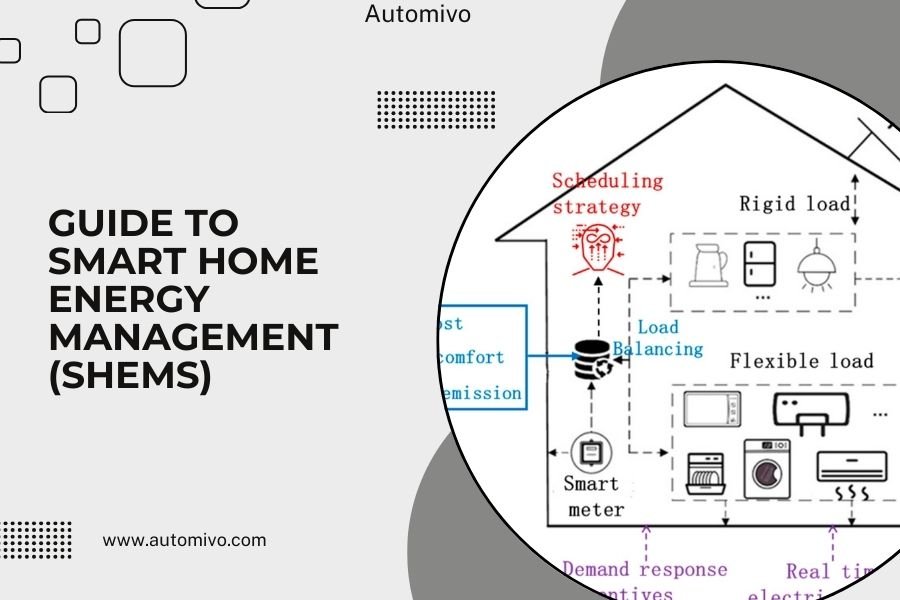
Think of SHEMS as the brain of your home’s energy system. It connects all your smart devices – thermostats, water heaters, solar panels, and appliances – into one coordinated network.
Your system learns your daily patterns and automatically adjusts energy usage. When electricity rates spike during peak hours, it shifts non-urgent tasks like dishwashing to cheaper overnight periods.
I found that most homeowners see immediate benefits within the first month. The system works quietly in the background, making hundreds of tiny optimizations you’d never think to make manually.
Core Components of SHEMS
Smart Energy Monitor
This device tracks your entire home’s electricity usage in real-time. It shows which appliances consume the most power and when.
You’ll discover energy vampires – devices that draw power even when “off.” Many people are shocked to learn their cable box uses more electricity than their refrigerator.
Smart Thermostats
Your heating and cooling system typically accounts for 40-50% of your energy bill. Smart thermostats learn your schedule and preferences.
They pre-cool your home before peak rate periods and adjust temperatures when you’re away. Some models integrate with weather forecasts to optimize heating and cooling cycles.
Smart Water Heaters
Water heating represents about 18% of your home’s energy use. Smart water heaters can schedule heating cycles during off-peak hours.
They maintain comfortable water temperatures while avoiding expensive peak-rate electricity. Some units learn your usage patterns and heat water just before you typically need it.
Smart Appliances
Modern washers, dryers, and dishwashers can communicate with your SHEMS. They delay energy-intensive cycles until rates drop.
Your dishwasher might start at 2 AM when electricity costs half the daytime rate. You wake up to clean dishes and lower bills.
How SHEMS Saves You Money
Time-of-Use Optimization
Electricity prices change throughout the day. Peak hours (usually 4-9 PM) cost significantly more than off-peak periods.
Your SHEMS automatically shifts energy usage to cheaper times. It might pre-cool your house at 3 PM, then coast through expensive evening hours.
Load Balancing
Running multiple high-energy devices simultaneously creates expensive demand spikes. SHEMS prevents this by staggering appliance usage.
Instead of your dryer, water heater, and AC compressor starting together, the system spaces them out. This avoids costly demand charges many utilities impose.
Solar Integration
If you have solar panels, SHEMS maximizes self-consumption. It runs energy-intensive tasks when your panels produce the most power.
Your washing machine might start automatically when solar production peaks at noon. You use your own free electricity instead of buying from the grid.
Environmental Benefits
Reduced Carbon Footprint
Off-peak electricity often comes from cleaner sources. Coal and gas plants ramp up during peak demand, while renewable sources provide more off-peak power.
By shifting your usage, you’re indirectly choosing cleaner energy. Research from the Department of Energy shows this can reduce household carbon emissions by 15-25%.
Grid Stability Support
Your SHEMS helps stabilize the electrical grid. When thousands of homes shift usage away from peak times, utilities need fewer polluting “peaker” plants.
Some programs pay homeowners for participating in demand response events. You earn credits for temporarily reducing usage during grid stress periods.
SHEMS Installation Options
DIY Smart Plugs and Sensors
Start simple with smart plugs that monitor individual appliances. Add smart switches for lights and fans.
This approach costs $200-500 and gives you basic monitoring and control. You can expand gradually as you see benefits.
Whole-Home Energy Monitors
Professional installation of a whole-home monitor costs $300-800. These systems track every circuit in your electrical panel.
You get detailed insights into which rooms and appliances use the most energy. Many integrate with popular smart home platforms like Google Home or Amazon Alexa.
Full SHEMS Installation
Complete systems with professional installation range from $2,000-8,000. This includes smart thermostats, water heater controls, and advanced automation.
Higher upfront costs typically pay back within 3-5 years through energy savings. Many utilities offer rebates that reduce initial investment.
Choosing the Right SHEMS
Assess Your Current Usage
Review 12 months of electricity bills. Look for seasonal patterns and identify your highest usage periods.
If your summer cooling costs spike dramatically, prioritize smart thermostat integration. High water heating costs suggest focusing on smart water heater controls.
Check Utility Programs
Many utilities offer time-of-use rates that make SHEMS more valuable. Some provide free smart thermostats or energy monitors to customers.
I found online that over 60% of major utilities now offer some form of smart home rebate program. Check your utility’s website for current offerings.
Consider Your Technical Comfort
Be honest about your tech skills. Simple plug-and-play solutions work well for basic needs.
Complex whole-home systems might require professional setup and ongoing maintenance. Factor these costs into your decision.
Common SHEMS Challenges
Initial Complexity
Setting up multiple smart devices can feel overwhelming. Start with one or two high-impact devices like your thermostat.
Add components gradually as you become comfortable with the technology. Many systems become more effective as you add devices.
Connectivity Issues
Smart devices need reliable WiFi. Older homes with thick walls might need WiFi extenders or mesh networks.
Plan for occasional device updates and connectivity troubleshooting. Most issues resolve quickly, but they can be frustrating initially.
Privacy Concerns
SHEMS collect data about your daily routines. Choose systems with strong privacy policies and local data storage when possible.
Read privacy policies carefully and adjust sharing settings to your comfort level. Many systems work effectively with minimal data sharing.
Maximizing SHEMS Benefits
Regular Monitoring
Check your energy dashboard weekly for the first few months. Look for unusual usage patterns or devices consuming unexpected amounts of power.
Seasonal Adjustments
Update your system settings as seasons change. Summer cooling strategies differ from winter heating optimization.
Appliance Upgrades
Replace old appliances with ENERGY STAR smart models when they wear out. Newer appliances integrate better with SHEMS and consume less energy overall.
Future of Home Energy Management
Battery storage integration is becoming more affordable. Your SHEMS will soon manage home batteries, storing cheap off-peak power for expensive peak periods.
Electric vehicle charging coordination is another emerging feature. Your system will charge your car when electricity rates drop, potentially saving hundreds annually.
Machine learning capabilities continue improving. Future systems will predict your needs more accurately and optimize energy usage with minimal user input.
Conclusion
Smart Home Energy Management Systems offer a practical path to lower energy bills and reduced environmental impact. You don’t need to install everything at once – start with high-impact devices like smart thermostats and expand gradually.
Most homeowners recover their initial investment within 3-5 years through energy savings. Beyond the financial benefits, you’ll enjoy improved comfort and the satisfaction of using energy more responsibly.
Your journey toward smarter energy management starts with understanding your current usage patterns. Review your electricity bills, research your utility’s programs, and choose technologies that match your comfort level and budget.
How much can I realistically save with SHEMS?
Most homeowners save 10-30% on their electricity bills, translating to $200-600 annually for average households. Savings depend on your current usage patterns, local electricity rates, and which components you install.
Will SHEMS work with my existing smart home devices?
Most modern SHEMS platforms integrate with popular smart home ecosystems like Google Home, Amazon Alexa, and Apple HomeKit. Check compatibility before purchasing to avoid connectivity issues.
Do I need professional installation for SHEMS?
Basic systems using smart plugs and thermostats are typically DIY-friendly. Whole-home energy monitors and smart water heater controls usually require professional electrical work for safety and proper functionality.
How long does it take to see energy savings?
You’ll notice initial savings within your first full billing cycle after installation. Maximum benefits typically appear after 2-3 months as the system learns your patterns and optimizes automatically.
What happens if my internet goes down?
Most smart devices continue basic functions during internet outages. Your thermostat will maintain temperature settings, though remote control and optimization features won’t work until connectivity returns.