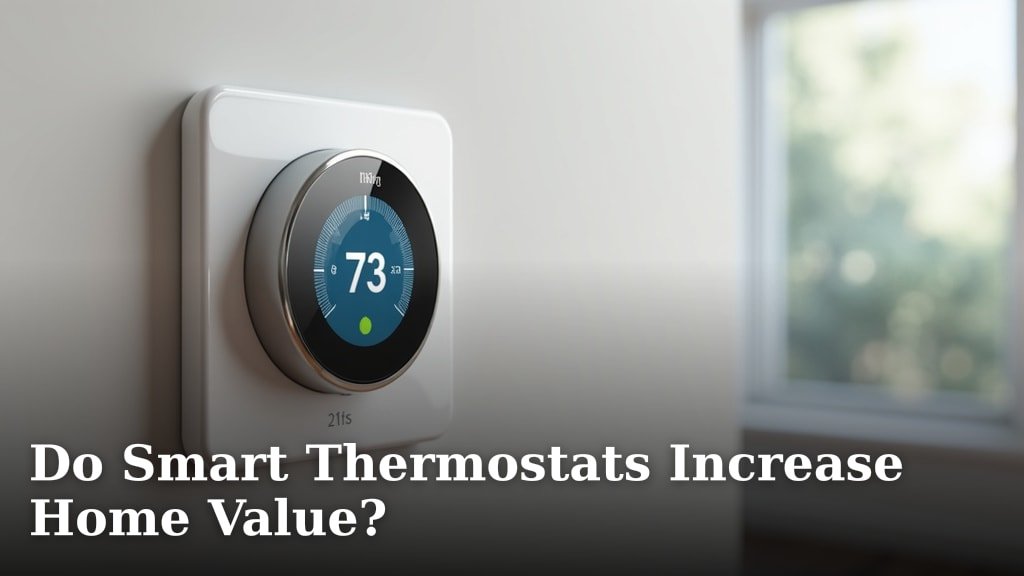
Yes, smart thermostats can increase your home’s appeal and potentially its value. Buyers see them as a modern upgrade that offers energy savings and convenience, making your home stand out. They are a clear sign of a well-maintained and updated property.
Many homeowners are looking for smart home features. A smart thermostat shows your home is equipped with technology that appeals to today’s buyers. It’s an investment that pays off by making your property more attractive in a competitive market.
- Smart thermostats can boost home value.
- They signal modern upgrades and convenience.
- Buyers are often attracted to energy-saving features.
- This technology makes a home more appealing.
Let’s take a closer look at how smart thermostats can impact your home’s marketability and what potential buyers are thinking.
Does a Smart Thermostat Add Value to Your Home?
Yes, a smart thermostat can definitely make your home more appealing to potential buyers. Think of it as a modern convenience that whispers, “This home is updated and energy-conscious.” It’s a visible sign of a property that’s been cared for. Many buyers today are looking for homes that offer more than just four walls and a roof. They want comfort, efficiency, and smart technology. Our guide to the best smart thermostats for first-time homeowners explains this modern convenience.
When buyers see a smart thermostat, they often associate it with other modern features. It suggests the home isn’t stuck in the past. This can lead to quicker sales and potentially a higher asking price. It’s a relatively small upgrade that can make a big difference in how a home is perceived. We found that homes with updated features generally attract more attention.
How Smart Thermostats Catch a Buyer’s Eye
The Appeal of Modern Technology
Buyers are increasingly looking for homes that are “smart.” This means connected devices that make life easier and more efficient. A smart thermostat is one of the most visible and practical smart home devices. It shows that the current owner has invested in up-to-date technology. This can make your home stand out from older properties.
Many prospective buyers are familiar with smart home tech. They might even have smart devices in their current homes. Seeing a smart thermostat signals that your home is compatible with these modern living standards. It hints at convenience and ease of use. This perception can create a positive first impression.
Energy Savings: A Big Selling Point
Who doesn’t want to save money on utility bills? Smart thermostats are brilliant at optimizing heating and cooling. They learn your schedule and adjust the temperature automatically. This means you’re not heating or cooling an empty house. Buyers understand this and see it as a direct financial benefit.
Research consistently shows that energy efficiency is a major concern for homebuyers. Many are willing to pay more for a home that promises lower energy costs. A smart thermostat is a tangible proof of your home’s energy-saving capabilities. It’s more convincing than just saying your home is “efficient.”
For instance, studies suggest that smart thermostats can reduce energy bills by an average of 10-15% annually (U.S. Department of Energy). This is a significant saving that buyers will appreciate. This number is a powerful selling point.
Convenience and Comfort Features
Beyond savings, smart thermostats offer incredible convenience. You can control your home’s temperature from your smartphone, no matter where you are. This means you can warm up the house before you get home or cool it down on a hot day.
Imagine arriving home to a perfectly comfortable temperature. No more waiting for the house to heat up or cool down. Buyers see this as a significant upgrade in daily living. It’s about comfort and making life simpler. This ease of use is a major draw for many people.
The Financial Impact: Does It Translate to Dollars?
Increased Marketability and Faster Sales
While it’s hard to put an exact dollar figure on a smart thermostat’s contribution, its impact on marketability is clear. Homes with modern features tend to sell faster. A smart thermostat is one of those features that can set your home apart. It can attract a wider range of buyers, especially those who are tech-savvy.
A faster sale means less time on the market. This can prevent price reductions and lead to a more favorable outcome. Buyers might overlook a home with fewer amenities. But a smart thermostat can be the feature that makes them stop and take notice. We found that homes with appealing upgrades often generate more showings.
Potential for a Higher Asking Price
Can you command a higher price because of a smart thermostat? It’s not usually the sole reason, but it can contribute. It’s part of a package of features that make your home more desirable. Buyers are often willing to pay a premium for a home that feels move-in ready and modern.
Think of it like this: a smart thermostat is a relatively inexpensive upgrade for you, but it signals significant value to a buyer. It’s an investment that can potentially yield a return. Many real estate agents suggest that updated technology boosts perceived value. This can influence the final negotiation.
What Buyers Are Actually Thinking
When a buyer sees a smart thermostat, they might think:
- “This home is up-to-date with current technology.”
- “I’ll be able to save money on my energy bills.”
- “It’s convenient that I can control the temperature remotely.”
- “The owners took good care of the place.”
- “This home has features I’m looking for.”
These thoughts can significantly influence their emotional connection to the home. A positive emotional connection often leads to a stronger offer. It makes your home feel more desirable and less like a fixer-upper. Buyers often want to feel like they are making a smart purchase.
Smart Thermostat vs. Traditional Thermostat: A Buyer’s View
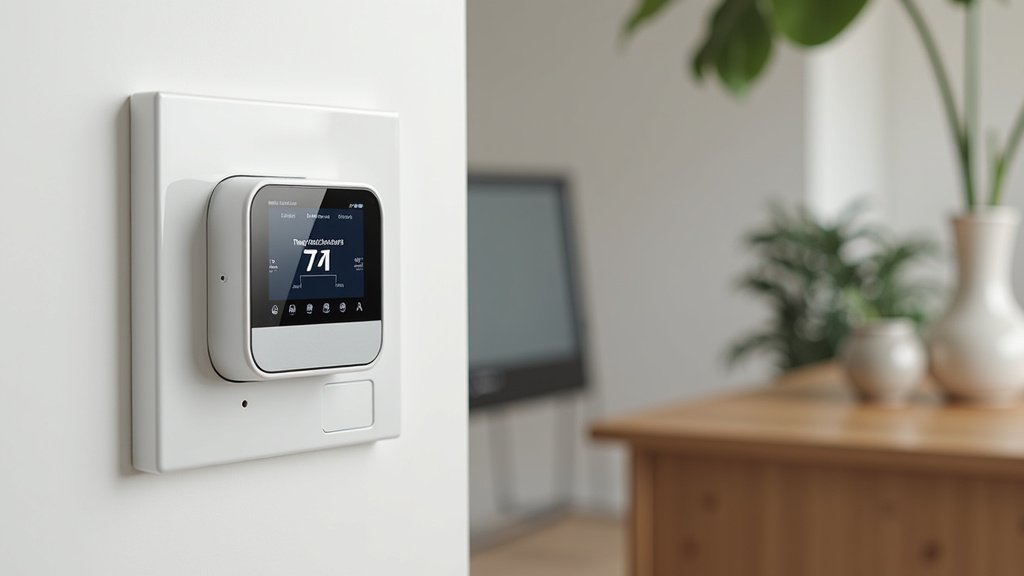
For a buyer, the difference between a smart thermostat and an old-fashioned dial thermostat is quite stark. The old dial might work, but it doesn’t offer any of the benefits of modern tech. It suggests a home that might need other updates.
A smart thermostat, on the other hand, says the home is already equipped for a comfortable and efficient lifestyle. It’s like comparing a flip phone to a smartphone. Both make calls, but one offers so much more in terms of features and user experience. Buyers are drawn to that enhanced experience.
| Feature | Buyer Perception | Seller Advantage |
|---|---|---|
| Remote Control | “I can manage my home’s comfort from anywhere.” | Appeals to busy lifestyles and tech-savvy buyers. |
| Energy Savings | “This will lower my monthly utility bills.” | A direct financial benefit that increases property appeal. |
| Learning Capabilities | “The system adapts to my needs automatically.” | Signals advanced technology and convenience. |
| Modern Aesthetic | “This home looks updated and well-maintained.” | Enhances curb appeal and overall home impression. |
| Smart Home Integration | “It works with my other smart devices.” | Attracts buyers interested in full smart home ecosystems. |
Is It Worth the Investment to Install One?
Considering the Cost vs. Potential Return
Most smart thermostats range from $100 to $300, depending on the brand and features. Installation can be DIY for many, or a professional can install it for around $100-$200. When you compare this cost to the potential benefits, it often makes sense.
The improved marketability and potential for a faster sale can outweigh the installation cost. You’re not just buying a thermostat; you’re investing in making your home more attractive. It’s a move that shows you’re thinking ahead, not just about your comfort, but about the next owner’s experience too.
Making Your Home More Attractive: A Simple Checklist
Here’s a quick way to think about how your smart thermostat adds value:
- Does it clearly display modern technology?
- Can you show proof of energy savings?
- Is it easy to use and understand for potential buyers?
- Does it integrate well with other home features?
- Does it contribute to a generally updated feel of your home?
- Could it be the deciding factor for a buyer?
If you can answer “yes” to most of these, your smart thermostat is likely doing its job well. It’s a small component of your home’s overall appeal. But small things can make a big difference in the competitive real estate market. It helps your home stand out.
Conclusion
You’ve seen how a smart thermostat is more than just a temperature controller. It’s a clear signal to potential buyers. It says your home is modern, energy-efficient, and comfortable. This upgrade makes your property stand out in a crowded market. It can lead to quicker sales and potentially a better offer. Considering the cost, it’s a smart investment for almost any homeowner. Think about adding one to boost your home’s appeal. It’s a practical step towards making your home more desirable.
Frequently Asked Questions
Can a smart thermostat really help sell my house faster?
Yes, a smart thermostat can increase your home’s marketability. Buyers often see it as a sign of a well-maintained and modern property. This can attract more attention and lead to quicker showings and offers.
Will installing a smart thermostat guarantee a higher selling price?
While it’s not usually the sole reason for a higher price, a smart thermostat can contribute. It’s part of a package of desirable modern features. Buyers may be willing to pay a premium for a home that feels updated and efficient.
What’s the average cost of installing a smart thermostat?
Smart thermostats typically cost between $100 and $300 for the device itself. Professional installation might add another $100 to $200. Many homeowners find this cost to be a reasonable investment for the potential benefits.
Do buyers actually care about energy savings from a smart thermostat?
Absolutely. Energy efficiency is a major concern for most homebuyers. They understand that a smart thermostat can significantly lower utility bills, which is a direct financial benefit they appreciate.
Is it worth upgrading from a basic thermostat to a smart one before selling?
For many sellers, the answer is yes. The relatively low cost of a smart thermostat can offer a good return on investment. It enhances your home’s appeal and can make it more competitive in the real estate market.
