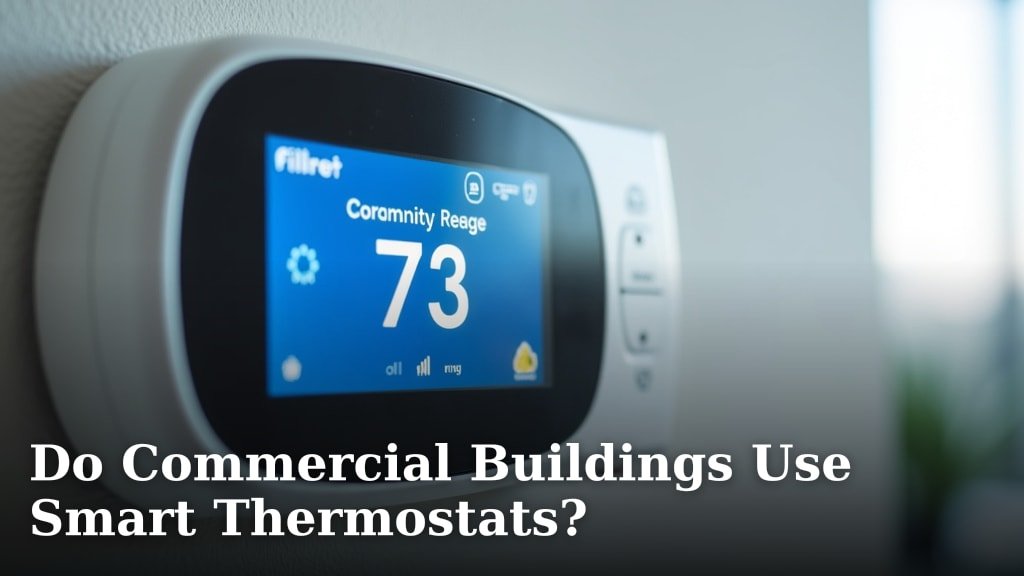
Yes, commercial buildings absolutely use smart thermostats. In fact, many buildings have already made the switch. These smart devices help businesses **save money** and **reduce energy waste** by intelligently managing heating and cooling. You might be surprised how common they are.
Beyond just saving cash, smart thermostats offer businesses greater **control over their environment**. They allow for remote management, which is a game-changer for large facilities. We found that businesses are increasingly looking for ways to improve their **operational efficiency** and sustainability.
- Smart thermostats are widely used in commercial buildings.
- They offer significant cost savings on energy bills.
- Businesses gain better control over heating and cooling.
- Remote management is a key benefit for facility managers.
- They contribute to a building’s overall energy efficiency.
Let’s dive into how these smart devices work in commercial settings and why they’re becoming such a popular choice for business owners and facility managers.
How Smart Thermostats Work in Commercial Settings
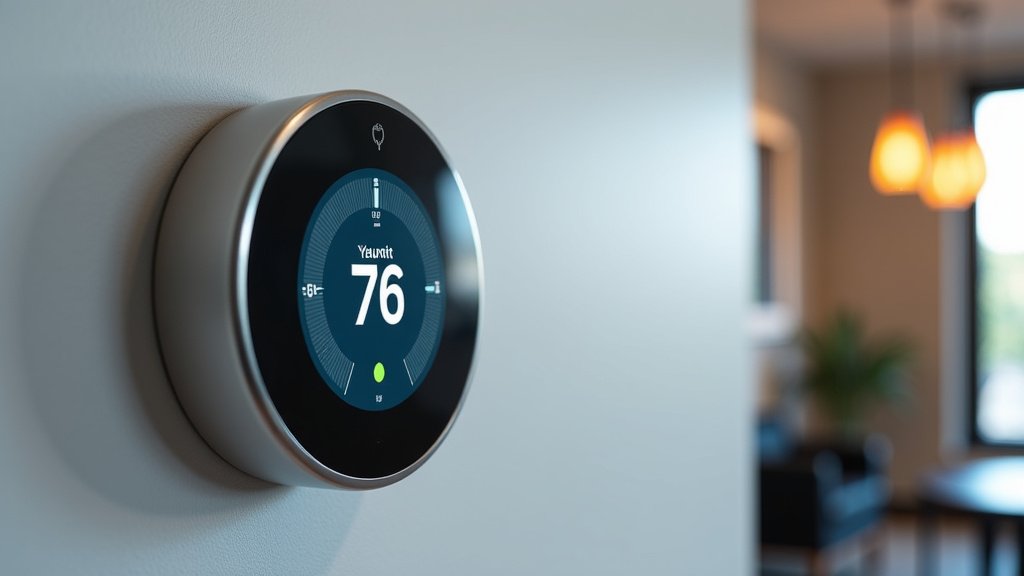
Yes, commercial buildings are definitely using smart thermostats. They offer a much smarter way to manage heating and cooling. Think of them as the brain for your building’s climate control. They connect to your Wi-Fi network. This connection lets them communicate with other devices. It also allows you to control them from anywhere. We found that this remote access is a huge deal for businesses.
The Basics: What is a Commercial Smart Thermostat?
A commercial smart thermostat is more advanced than a typical home unit. It’s designed for larger spaces and more complex HVAC systems. These systems often have multiple zones. They might also integrate with other building management systems. The core idea remains the same: to optimize energy use and comfort. You can set schedules, adjust temperatures remotely, and monitor energy consumption. Many models even learn your preferences over time.
Key Technologies Powering Smart Thermostats
These thermostats rely on a few key technologies. Wi-Fi connectivity is essential. It allows for remote access and data collection. Sensors play a big role too. They measure temperature, humidity, and sometimes even occupancy. Advanced algorithms help them make intelligent decisions. These decisions are based on collected data and programmed settings. Some systems use machine learning. This helps them predict heating and cooling needs more accurately.
Connectivity and Remote Control
The ability to control your building’s temperature from afar is a major draw. You can use a smartphone app or a web portal. This means you can adjust settings from your office, home, or even while on vacation. This is incredibly useful for facility managers. They don’t need to be physically present to make changes. It saves time and resources. We found this feature alone justifies the investment for many businesses.
Sensing Occupancy and Activity
Some smart thermostats use occupancy sensors. These sensors detect if a room or area is being used. If a space is empty, the thermostat can adjust the temperature. It might lower the heating in winter or raise the cooling in summer. This prevents energy waste in unoccupied areas. This is a clever way to ensure comfort only where and when it’s needed.
Integration with Building Management Systems (BMS)
For larger commercial buildings, smart thermostats can integrate with a Building Management System (BMS). A BMS is a central control system for a building’s operations. This integration allows for a more unified approach. You can coordinate HVAC with lighting and other systems. This leads to greater overall energy efficiency. It also provides a single point of control for facility staff. Many experts say this level of integration is the future of building management (ASHRAE).
Why Businesses Are Adopting Smart Thermostats
The reasons for adopting smart thermostats are compelling. Businesses are always looking for ways to cut costs. They also want to improve their environmental footprint. Smart thermostats hit both these targets effectively. You get significant cost savings. You also contribute to a greener planet.
Major Cost Savings on Energy Bills
Energy costs are a substantial part of operating a business. Heating and cooling can account for a large portion of these bills. Smart thermostats optimize HVAC usage. They avoid heating or cooling empty spaces. They also adjust to ideal temperatures based on schedules and occupancy. Research has shown that smart thermostats can reduce HVAC energy consumption by 10-30% (Energy Star). This translates directly into lower monthly bills. Over time, these savings can be enormous.
Enhanced Occupant Comfort and Productivity
Comfortable employees are more productive employees. Extreme temperatures can be distracting. They can lead to discomfort and reduced focus. Smart thermostats allow for precise temperature control. They maintain consistent temperatures throughout the day. This creates a more pleasant working environment. When people are comfortable, they tend to work better. We found that many businesses report improved morale after installation.
Environmental Benefits and Sustainability Goals
Reducing energy consumption is good for the planet. It lowers a business’s carbon footprint. Many companies have sustainability goals. Implementing smart thermostats helps them meet these goals. They can track their energy usage. They can report on their progress. This demonstrates a commitment to environmental responsibility. It can also improve brand image.
Improved Maintenance and Diagnostics
Some advanced smart thermostats can alert you to potential issues. They can monitor system performance. If something isn’t working right, they can flag it. This allows for preventive maintenance. It can help you catch problems before they become major repairs. This saves money and avoids disruptive downtime. It’s like having a little helper keeping an eye on your HVAC system.
Common Applications of Smart Thermostats in Commercial Spaces
You’ll find smart thermostats in a variety of commercial settings. Their versatility makes them suitable for many different types of buildings. They can adapt to unique needs.
Office Buildings and Workspaces
This is perhaps the most common application. Office buildings have varying occupancy levels throughout the day. Smart thermostats can adjust heating and cooling based on work schedules. They ensure comfort during business hours. They save energy overnight and on weekends. Many offices are adopting these to meet energy efficiency targets.
Retail Stores and Shopping Centers
Retail environments need to be inviting for customers. Smart thermostats help maintain a pleasant temperature. This can encourage shoppers to stay longer. They can also be programmed for energy savings during non-business hours. Imagine a store that automatically warms up just before opening. That’s smart!
Restaurants and Hospitality
Restaurants need precise temperature control. They often have kitchens that generate heat. Dining areas need to be comfortable for patrons. Smart thermostats help manage these fluctuations. Hotels use them to control temperatures in guest rooms. They can even set rooms to an energy-saving temperature when unoccupied.
Warehouses and Industrial Facilities
Even less climate-sensitive spaces can benefit. Warehouses may need to maintain specific temperature ranges for inventory. Smart thermostats can ensure these conditions are met efficiently. They can also help manage temperature in large, open spaces.
Choosing the Right Smart Thermostat for Your Business
Selecting the right smart thermostat is important. You need one that fits your building’s needs. Consider a few key factors before you buy.
Compatibility with Your HVAC System
Not all smart thermostats work with all HVAC systems. Some are designed for conventional systems. Others work with heat pumps or multi-stage systems. You should check compatibility beforehand. Your HVAC technician can help with this. Ensuring compatibility avoids future headaches.
Features and Functionality Needs
What features do you really need? Do you need remote access? Occupancy sensing? Integration with other systems? Make a list of your priorities. A thermostat with more features often costs more. Focus on what will provide the most benefit for your specific business. We found that businesses often overbuy features they don’t use.
Ease of Use and Installation
The system should be easy for your staff to use. Installation should be straightforward. Look for models with clear instructions and good support. If you’re integrating with a BMS, professional installation is usually recommended. A user-friendly interface makes managing your building’s climate much simpler.
Here’s a quick checklist to help you decide:
- Verify HVAC system compatibility.
- List essential features (remote access, scheduling).
- Consider occupancy sensing needs.
- Evaluate integration with existing systems.
- Check for user-friendly controls and apps.
- Factor in installation and ongoing support.
Conclusion
As you’ve seen, smart thermostats are not just for homes anymore. Commercial buildings are widely adopting them to gain better control over their climate. You can achieve substantial cost savings on energy bills while enhancing occupant comfort. Plus, you’ll be contributing to your business’s sustainability goals. Making the switch is a smart move for efficiency and the bottom line. Start by assessing your building’s current HVAC system and your business needs. Then, research compatible smart thermostat models.
Frequently Asked Questions
How much can a commercial smart thermostat actually save a business on energy costs?
Research and industry reports, like those from Energy Star, indicate that smart thermostats can reduce HVAC energy consumption by 10-30%. The exact savings depend on your building’s size, insulation, and how you use the system. You’ll see these savings reflected directly in your monthly utility bills.
Is it difficult to install a smart thermostat in a large commercial building?
Installation complexity varies. For smaller businesses with standard HVAC, it might be similar to a home installation. For larger buildings with multiple zones or integration with a Building Management System (BMS), professional installation is often recommended. This ensures proper setup and optimal performance.
Can smart thermostats help improve employee productivity in an office?
Yes, they can! By maintaining consistent and comfortable temperatures throughout the workday, smart thermostats reduce distractions caused by extreme heat or cold. This leads to a more pleasant work environment, which many businesses find boosts employee morale and focus.
What’s the difference between a home smart thermostat and a commercial one?
Commercial smart thermostats are generally more robust and designed for larger, more complex HVAC systems. They often support multiple zones, integrate with other building systems (like lighting), and offer advanced features for managing energy usage across a larger facility. They are built to handle the demands of a commercial environment.
Do smart thermostats require a constant internet connection to work?
While a Wi-Fi connection is essential for remote access, scheduling updates, and data reporting, most smart thermostats can still function locally using their last programmed settings if the internet goes down. However, you would lose remote control and real-time data until connectivity is restored.
