
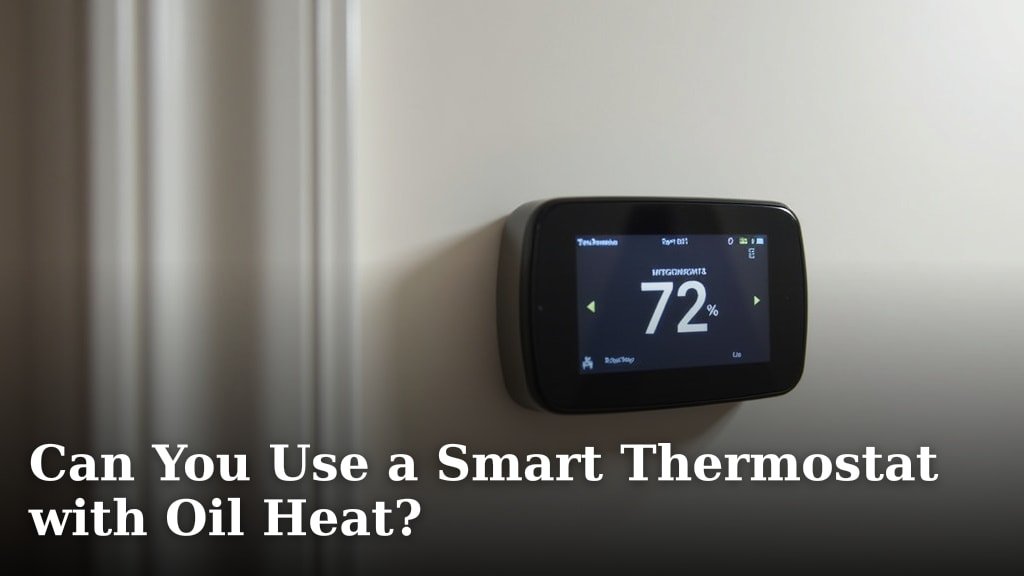
Yes, you absolutely can use a smart thermostat with oil heat. Many smart thermostats are designed to be compatible with a wide range of heating systems, including oil-fired furnaces. You just need to ensure the specific model you choose supports a two-wire (R and W) or three-wire (R, W, and C) system, which is common for oil heat.
Switching to a smart thermostat can bring some fantastic benefits to your home’s heating. You can expect better energy efficiency and potentially lower heating bills. Plus, the convenience of controlling your home’s temperature from anywhere is a real game-changer for many homeowners. It’s a smart upgrade that many find surprisingly straightforward. Learn more about the convenience of controlling your home’s temperature from anywhere.
- Smart thermostats often work with oil heat.
- Check for system compatibility (R, W, C wires).
- Enjoy better energy savings.
- Control your heat remotely for convenience.
Let’s walk through exactly what you need to know to make sure your oil heating system and smart thermostat play nicely together.
Pairing a Smart Thermostat with Your Oil Heating System
You’re probably wondering if that sleek, modern smart thermostat can actually talk to your trusty oil furnace. The short answer is a resounding yes! Many smart thermostats are designed with broad compatibility in mind. This means they can often work with various heating types, and oil heat is usually on that list. You just need to do a little homework to ensure the one you pick is a good match for your current setup.
Think of it like getting a new remote for your TV. It has to be programmed to understand your TV’s signals, right? Your smart thermostat needs to speak the same language as your oil heating system. The good news is that most modern oil furnaces use wiring configurations that smart thermostats are built to handle. We’ll walk you through what to look for.
Understanding Your Oil Heating System’s Wiring
The key to a successful smart thermostat installation with oil heat lies in understanding the wiring at your current thermostat. Most oil heating systems use a simple setup. They typically have two or three wires connecting the thermostat to the furnace. These wires are the communication pathway.
The most common wiring for oil heat is a two-wire system. This usually involves an ‘R’ wire (for power) and a ‘W’ wire (for heat). Some systems might have a third wire, often labeled ‘C’ (for common). This ‘C’ wire provides continuous power to the smart thermostat, which is ideal for its advanced features.
The Role of Different Wires
Let’s break down what these wires do. The ‘R’ wire, also known as the 24-volt transformer wire, is the power source. It tells the system when to turn on. The ‘W’ wire is the signal that tells the furnace to start heating. It’s the command to deliver warmth.
Now, the ‘C’ wire is a bit of a luxury for older systems. It provides a constant flow of electricity. This allows your smart thermostat to power its screen, Wi-Fi, and all its fancy features without draining your system’s power. If you have a ‘C’ wire, it makes setup a breeze. If not, don’t despair; there are often workarounds.
Checking for Smart Thermostat Compatibility
Before you get too excited about a new smart thermostat, take a peek at your existing one. You’ll want to carefully observe the wires connected. Most smart thermostat manufacturers provide clear compatibility checkers on their websites. You simply input the wires you see, and it tells you if their thermostat will work.
You can usually find this information by gently removing the faceplate of your current thermostat. Take a photo before you disconnect anything! This way, you have a reference. Look for the terminals where the wires are connected and note their labels (R, W, C, etc.).
What if You Don’t Have a ‘C’ Wire?
This is a common situation, especially with older oil heating systems. A ‘C’ wire is needed to provide the constant power smart thermostats require. If your system lacks one, you have a few options. Some smart thermostats come with a power adapter or a ‘C’ wire emulator. This little gadget can often trick the system into providing enough power.
Another approach is to have a qualified HVAC technician run a new wire. While this might seem like an extra step, it ensures a stable power supply for your smart thermostat. It’s often a worthwhile investment for peace of mind and optimal performance.
Benefits of a Smart Thermostat with Oil Heat
So, why go through the trouble? The benefits are quite compelling. For starters, smart thermostats are champions of energy efficiency. They learn your habits and can adjust the temperature automatically. This means you’re not heating an empty house unnecessarily.
Many homeowners report seeing a noticeable drop in their heating bills after installing a smart thermostat. The U.S. Department of Energy suggests that programmable thermostats can save you about 10% a year on heating and cooling costs. Smart thermostats often do even better due to their advanced learning capabilities (U.S. Department of Energy).
Convenience at Your Fingertips
Imagine this: you’re on your way home from a chilly outing. With a smart thermostat, you can use your smartphone to turn up the heat before you even get through the door. No more arriving home to a cold house. It’s like having a personal thermostat butler.
You can also set schedules that fit your life, not the other way around. If you’re away for extended periods, you can simply set it to an energy-saving mode. Then, a quick tap on your phone can bring it back to your preferred comfort level before you return.
Installation Considerations for Oil Heat
While many smart thermostats are DIY-friendly, oil heating systems can sometimes be a bit trickier. This is especially true if your system is older or if you’re dealing with the absence of a ‘C’ wire. Always refer to the manufacturer’s instructions for the specific model you choose.
If you’re not comfortable working with electrical wiring, it’s always best to hire a professional. An HVAC technician can ensure the thermostat is wired correctly and safely. They can also help troubleshoot any compatibility issues that might arise with your particular oil furnace model.
DIY vs. Professional Installation
For those with basic wiring knowledge and a compatible system (especially with a ‘C’ wire), a DIY installation can be straightforward. You’ll typically turn off the power to your furnace, remove the old thermostat, connect the new wires according to the diagram, attach the new faceplate, and then restore power. It’s like adult Lego for your home!
However, if your system is older, has unusual wiring, or you’re missing a ‘C’ wire and need an adapter installed, a professional is often the safer bet. They have the tools and expertise to handle any surprises. Plus, they can often complete the installation in under an hour.
Choosing the Right Smart Thermostat for Oil Heat
With so many smart thermostats on the market, how do you pick the right one for your oil heating system? Start by looking for models that explicitly state compatibility with “low voltage systems” or “conventional heating.” These terms usually mean they’re designed for systems like yours.
Major brands like Nest, Ecobee, Honeywell Home, and Wyze all offer thermostats that are generally compatible with oil heat. Always use their online compatibility checkers. This step is non-negotiable. It saves you time and potential headaches down the road.
A Quick Checklist for Your Smart Thermostat Upgrade
Ready to take the plunge? Here’s a simple checklist to guide you:
- Check your current thermostat’s wiring. Take a photo!
- Use the smart thermostat manufacturer’s compatibility checker.
- Determine if you have a ‘C’ wire. If not, explore adapter options.
- Decide between DIY installation or hiring a professional.
- Purchase a thermostat known for broad compatibility.
- Follow installation instructions carefully.
Conclusion
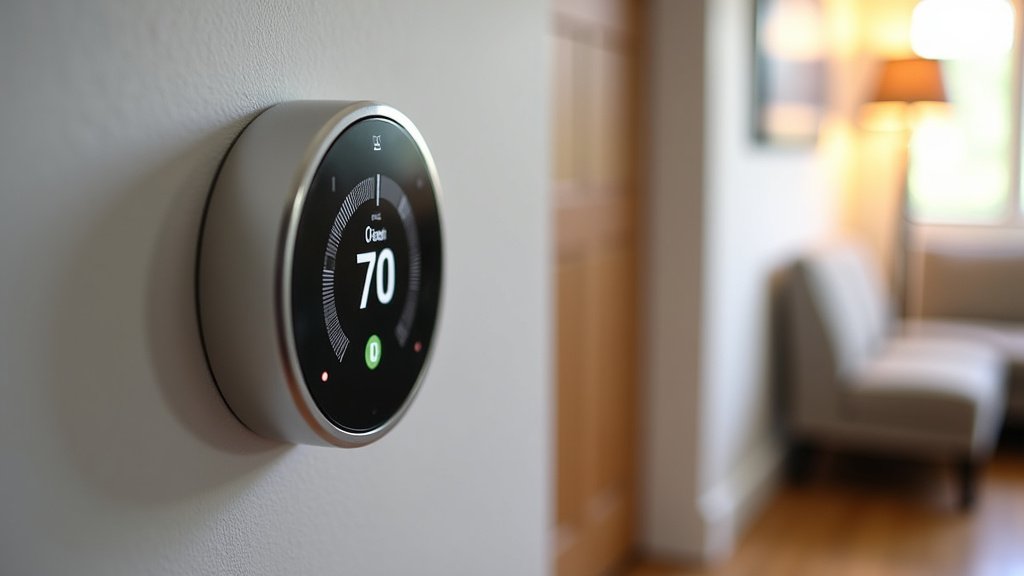
Upgrading your oil heating system with a smart thermostat is definitely achievable. By understanding your system’s wiring and using compatibility checkers, you can find a model that works well. The benefits of better energy efficiency and convenient remote control are within your reach. Don’t let the initial steps deter you; preparing and checking compatibility is key. Your next step should be to check your current thermostat’s wiring and use a manufacturer’s online tool to confirm your chosen smart thermostat will connect with your oil heat.
Frequently Asked Questions
Will a smart thermostat damage my oil furnace?
No, a properly installed smart thermostat compatible with your oil heating system should not damage your furnace. The key is ensuring the thermostat is designed for low-voltage systems and matched to your furnace’s wiring, typically R and W. Always follow manufacturer guidelines or consult an HVAC professional for safe installation.
Can I install a smart thermostat myself with oil heat?
In many cases, yes, you can install a smart thermostat yourself, especially if your oil heating system has a ‘C’ wire. If you’re comfortable with basic wiring and follow the instructions carefully, it’s a manageable DIY project. However, if you’re unsure or lack a ‘C’ wire, professional installation is recommended.
What if my oil furnace doesn’t have a ‘C’ wire?
If your oil heating system lacks a ‘C’ wire, you have a few options. Some smart thermostats come with an adapter or power module that can provide the necessary continuous power. Alternatively, you can have a qualified HVAC technician run a new wire for a stable connection.
How much energy can a smart thermostat save with oil heat?
While savings vary based on usage and system efficiency, smart thermostats can help reduce energy consumption by optimizing heating schedules and preventing unnecessary heating when you’re away. Research suggests programmable thermostats can save around 10% annually, and smart thermostats often offer even greater efficiency.
Which brands of smart thermostats work best with oil heating?
Many major brands offer thermostats compatible with oil heat, including Nest, Ecobee, and Honeywell Home. Always use their specific online compatibility checkers on their websites. Inputting your current wiring (like R, W, and C) will confirm if a model is suitable for your oil furnace.
