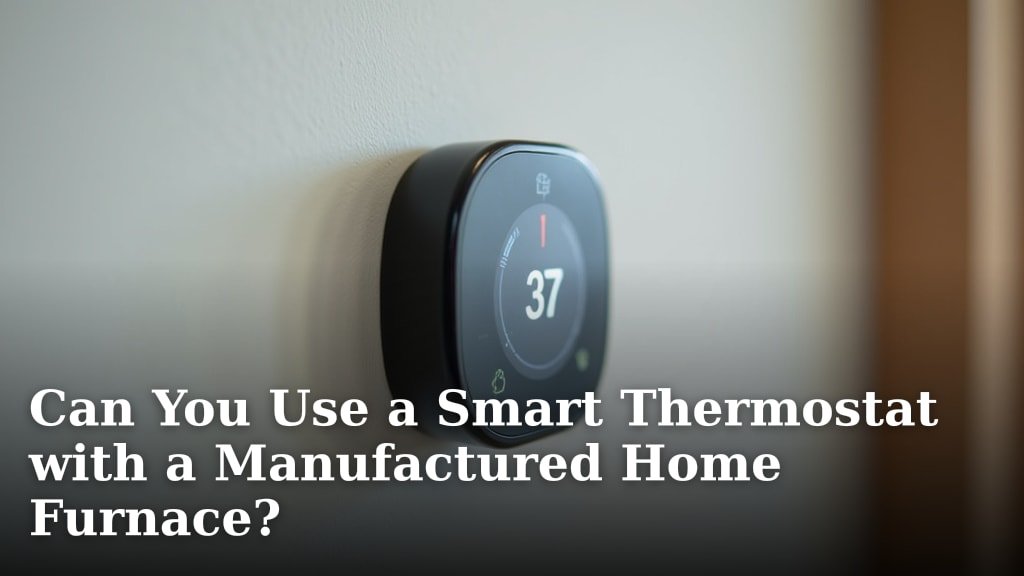
Yes, you can often use a smart thermostat with a manufactured home furnace. Many smart thermostats are designed for compatibility with standard HVAC systems, and most manufactured homes use such systems. You just need to ensure the thermostat’s wiring matches your furnace’s setup.
Upgrading to a smart thermostat can bring great benefits to your manufactured home. You’ll gain better control over your home’s temperature and potentially see significant energy savings. This makes managing your heating and cooling much simpler and more efficient for your specific needs.
- Smart thermostats often work with manufactured home furnaces.
- Check your furnace wiring for compatibility.
- Enjoy better temperature control and energy savings.
- Smart features help you manage your home’s climate easily.
Let’s look closer at how to make sure your smart thermostat and manufactured home furnace are a perfect match. We’ll walk through the key things to consider.
Using Smart Thermostats with Manufactured Home Furnaces
You absolutely can use a smart thermostat with your manufactured home furnace. Many of these modern thermostats are designed to work with standard HVAC systems. Most manufactured homes have these standard systems. The key is ensuring your furnace’s wiring is compatible with the smart thermostat you choose. It’s often simpler than you might think!
Understanding Your Manufactured Home’s HVAC System
Manufactured homes, also known as mobile homes, often have furnaces that are quite similar to those found in site-built homes. They use common wiring configurations. This is great news for your smart thermostat upgrade! Most furnaces in manufactured homes use a low-voltage system. This means they run on 24 volts, which is standard for most smart thermostats.
Identifying Your Furnace Type
Your furnace could be gas, propane, or electric. The type generally doesn’t prevent smart thermostat use. However, it’s wise to know what you have. This helps in understanding the wiring. You can usually find this information on a label on the furnace itself. Sometimes, it’s on the inside of an access panel.
Checking Your Existing Thermostat Wiring
This is the most important step before buying a smart thermostat. Your current thermostat connects to your furnace using a set of wires. Each wire is labeled with a letter corresponding to its function. Common wires include R (power), W (heat), Y (cool), and G (fan).
You’ll want to find out if your current thermostat uses a “C-wire” (common wire). Many smart thermostats require a C-wire to function. This wire provides continuous power to the thermostat. Without it, the thermostat might lose its settings or not power on at all. It’s like a smartphone needing a charger!
What if You Don’t Have a C-Wire?
Don’t panic if you don’t see a C-wire. We found several solutions for this common issue. Some smart thermostats come with a C-wire adapter. This adapter allows the thermostat to draw power from other wires. It effectively creates a C-wire connection. Don’t panic if you don’t see a C-wire; we found several solutions for this common issue.
Another option is to have an electrician run a new C-wire from your furnace to your thermostat. This is a more involved process. It might incur extra costs. However, it ensures a robust and reliable power source for your smart thermostat. Many experts suggest this is the most stable solution if possible.
Common Wire Designations to Look For
When you pull off your old thermostat cover, you’ll see these terminals. Make a note of which ones have wires attached and what color the wire is. Standard labels include:
- R: Power (usually red)
- W: Heat (usually white)
- Y: Cool (usually yellow)
- G: Fan (usually green)
- C: Common (often blue or black)
Some systems might have additional wires for multi-stage heating or cooling. Most smart thermostats can handle these. Just make sure the thermostat model you choose supports the number of stages your system has.
Benefits of a Smart Thermostat in Your Manufactured Home
Upgrading to a smart thermostat offers more than just convenience. It can lead to significant energy savings. By allowing you to precisely control your home’s temperature, you can avoid heating or cooling an empty house.
Energy Savings and Cost Reduction
Research shows that programmable thermostats can save you about 10% on heating and cooling costs. Smart thermostats go a step further. They learn your habits and adjust automatically. This optimizes energy use. You might see noticeable reductions in your utility bills. For manufactured homes, where energy efficiency is key, this can be a big help.
Enhanced Comfort and Convenience
Imagine adjusting your home’s temperature from your phone while you’re on your way home from work. That’s the magic of a smart thermostat! You can create custom schedules. You can also get alerts if the temperature deviates unexpectedly. This keeps your home comfortable without constant manual adjustments. It’s like having a personal climate assistant.
Remote Monitoring and Control
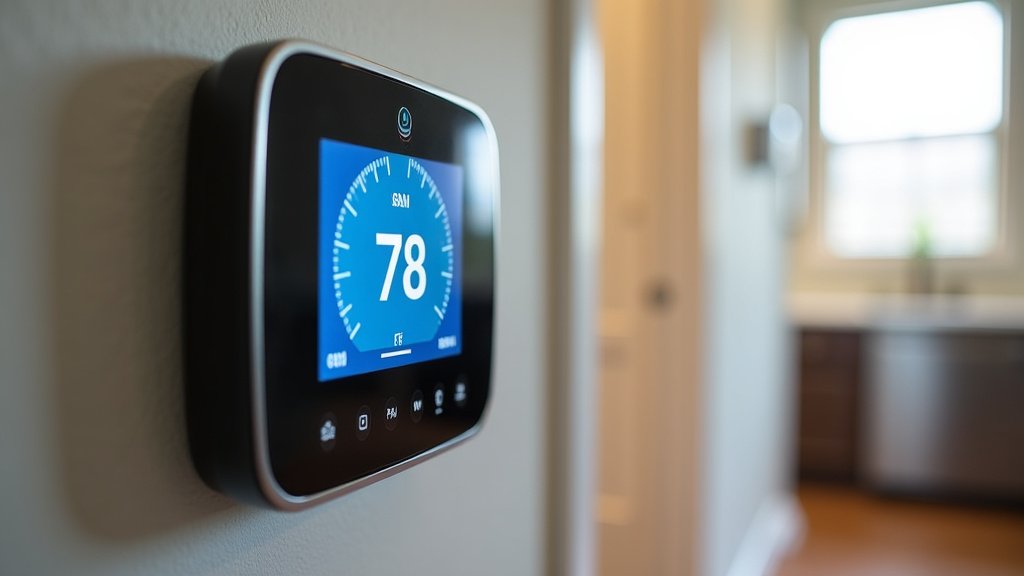
Smart thermostats connect to your home’s Wi-Fi network. This allows for remote control through a smartphone app. You can monitor your home’s temperature from anywhere. You can make adjustments on the fly. This is incredibly useful if you forget to turn down the heat before leaving. It also helps if you want to warm up the house before you arrive on a cold day.
Choosing the Right Smart Thermostat
Not all smart thermostats are created equal. Some are more feature-rich than others. When selecting one for your manufactured home, consider these factors.
Compatibility Checklists
Most smart thermostat brands have online compatibility checkers. You can input your existing wiring information. The tool will tell you if their thermostat will work with your system. This is a fantastic resource. It saves you the guesswork and potential headaches later on. Brands like Nest, Ecobee, and Honeywell offer these tools.
Installation Considerations
Installation can be a DIY project if you’re comfortable with basic wiring. If not, hiring a qualified HVAC technician is the safest bet. They can ensure proper installation and configuration. This is especially true if you need a C-wire adapter installed or a new wire run. A pro can also help diagnose any existing HVAC issues that might affect thermostat performance. Decide if you’ll DIY or hire a professional for installation.
Features to Look For
Consider features that align with your needs. Some thermostats offer advanced learning capabilities. Others focus on energy reports or integration with smart home systems like Alexa or Google Home. For a manufactured home, features that promote energy efficiency and ease of use are often top priorities.
Here’s a quick checklist to ensure your smart thermostat is a good fit:
- Verify C-wire availability or an adapter solution.
- Check thermostat compatibility with your furnace type (gas, electric, etc.).
- Confirm the thermostat supports the number of heating/cooling stages your furnace has.
- Review the manufacturer’s online compatibility tool.
- Decide if you’ll DIY or hire a professional for installation.
Troubleshooting Common Issues
Occasionally, you might encounter a hiccup. Don’t let that discourage you. Most issues are resolvable with a little patience.
Thermostat Not Powering On
This is almost always a C-wire issue. If you don’t have one, the thermostat won’t get continuous power. Double-check your wiring connections at both the thermostat and the furnace. If you used an adapter, ensure it’s wired correctly according to the manufacturer’s instructions.
Heating or Cooling Not Working Correctly
This could be a wiring mistake. Ensure the correct wires are connected to the correct terminals on the new thermostat. For example, the ‘W’ wire for heat must go to the ‘W’ terminal. Also, ensure your thermostat is set to the correct mode (Heat, Cool, Auto).
Sometimes, the issue isn’t the thermostat itself but the furnace. If your HVAC system is older or has had problems, it might be time for a check-up from a professional. We found that a poorly maintained furnace can behave erratically regardless of the thermostat.
Conclusion
You can absolutely upgrade your manufactured home’s comfort and efficiency with a smart thermostat. We found that compatibility usually comes down to your furnace’s wiring, especially the presence of a C-wire. But even without one, solutions like adapters or professional installation make it achievable. By taking the time to check your wiring and choose the right model, you’re setting yourself up for lower energy bills and a more comfortable home environment. Your next step is to carefully inspect your current thermostat’s wiring and use manufacturer compatibility tools to find the perfect smart thermostat for your manufactured home.
Frequently Asked Questions
Will a smart thermostat work with my older manufactured home furnace?
Yes, in most cases. Older manufactured home furnaces often use standard low-voltage wiring that smart thermostats are designed for. The main thing to confirm is if your furnace’s wiring configuration matches the requirements of the smart thermostat you choose, particularly regarding the C-wire.
What is a C-wire and why is it important for smart thermostats?
A C-wire, or common wire, provides continuous power to your smart thermostat. Many smart thermostats need this constant power source to operate features like Wi-Fi connectivity and digital displays. Without it, your thermostat might not turn on or could lose its settings.
What should I do if my manufactured home furnace doesn’t have a C-wire?
Don’t worry if you lack a C-wire. Many smart thermostats come with a C-wire adapter that can be wired to utilize existing wires for power. Alternatively, you can have a qualified HVAC technician run a new C-wire from your furnace to your thermostat for a reliable connection.
Can I install a smart thermostat myself in my manufactured home?
For those comfortable with basic wiring, DIY installation is often possible. However, if you’re unsure about electrical connections or need a C-wire adapter installed, hiring a professional HVAC technician is highly recommended to ensure proper and safe installation.
Will a smart thermostat actually save me money on energy bills in my manufactured home?
Yes, smart thermostats can lead to energy savings. By allowing you to create custom schedules, control temperatures remotely, and learn your habits, they help avoid unnecessary heating or cooling when you’re away, which is especially beneficial for manufactured homes.
