
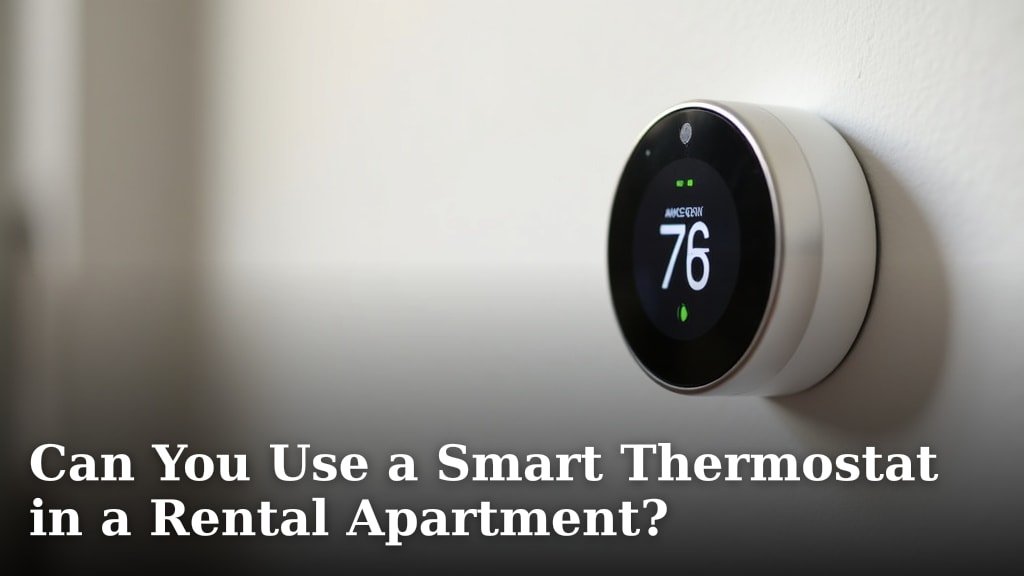
Yes, you can absolutely use a smart thermostat in a rental apartment, but there are a few important things to check first. You’ll need to confirm compatibility with your apartment’s existing heating and cooling system and get your landlord’s permission. Many renters successfully use these devices for better comfort and energy savings.
Smart thermostats offer great benefits, like remote control and energy monitoring, which are appealing for any home. We found that most modern rental units can support some type of smart thermostat. However, understanding your lease agreement and your apartment’s wiring setup is key to a smooth installation and experience.
- Confirm landlord permission before installing.
- Check your HVAC system’s compatibility first.
- Understand if installation requires professional help.
- Plan to reinstall the original thermostat when you move out.
Let’s walk through exactly what you need to consider and how to get your smart thermostat up and running in your rental apartment, helping you save money and stay comfortable.
Setting Up a Smart Thermostat in Your Rental: What to Know
You’re probably wondering if you can really bring that sleek smart thermostat into your rental. The short answer is often yes! You just need to follow a few simple steps and checks to ensure a smooth setup.
Smart thermostats offer a ton of benefits. They can save you money, make your home more comfortable, and even help the environment. We’ll walk you through everything you need to consider before you buy or install one.
Permission is Key: Talking to Your Landlord
This is the first and most important step. Don’t skip it! Installing anything that modifies the apartment’s existing fixtures usually requires permission. Your lease agreement might even have specific clauses about it.
Why Landlord Approval Matters
Your landlord owns the property. Any changes to the permanent fixtures, like a thermostat, are their call. It protects you from potential issues later, too.
- Avoiding lease violations.
- Ensuring you don’t damage property.
- Preventing conflicts when you move out.
We found that many landlords are open to smart thermostats, especially if you emphasize the benefits. What benefits, you ask? Well, better energy efficiency and less wear and tear on the HVAC system are usually big selling points!
How to Ask Your Landlord
Be prepared and professional. Don’t just spring it on them. Have all the information ready. We recommend a polite, written request, like an email.
- Explain the specific thermostat you want to install.
- Assure them it will be professionally installed, or that you’ll handle it carefully.
- Promise to reinstall the old thermostat when you leave.
- Highlight energy savings for both of you (less work for their HVAC!).
Some landlords might even see it as an upgrade to their property. Others might be hesitant about potential damage or wiring changes. Be ready to address their concerns calmly.
Checking Compatibility: Will It Work with Your HVAC System?
So, your landlord said yes (or you’re hoping they will!). Now, you need to make sure the smart thermostat will actually work with your apartment’s heating and cooling system. This is a crucial step.
Understanding Your Current Thermostat
Take a look at your existing thermostat. Is it old-school and manual, or already digital? The wiring behind it tells an important story. Most smart thermostats need a “C-wire” (common wire) for continuous power.
The C-wire provides constant power to the thermostat. Without it, many smart thermostats won’t function properly. They might try to “power steal” from other wires, leading to flickering displays or system issues (National Electrical Code).
Identifying Your HVAC System Type
Different HVAC systems require different thermostat setups. Is it a furnace and air conditioner? A heat pump? A boiler? This information is vital for choosing the right smart thermostat.
Most smart thermostat manufacturers have compatibility checkers on their websites. You input your wiring configuration, and it tells you which models will work. This is a very handy tool.
What if You Don’t Have a C-Wire?
Don’t despair! Many apartments lack a C-wire. There are still options. Some smart thermostats come with an adapter kit. Others can run on batteries for a limited time, though this isn’t ideal for all features.
We found that adding a C-wire adapter is a common solution. It involves a bit more wiring, but it’s usually manageable. Sometimes, a professional installation can add a C-wire for you.
Installation: DIY or Professional?
Once you’ve got permission and checked compatibility, it’s time for installation. Can you do it yourself, or should you call in a pro? This often depends on your comfort level with basic wiring.
The DIY Approach
Many smart thermostats are designed for easy DIY installation. They come with clear instructions, and there are countless video tutorials online. If you’re comfortable turning off power and connecting a few wires, it might be a good option.
Always, always turn off the power to your HVAC system at the circuit breaker before touching any wires! Safety first, always (Occupational Safety and Health Administration).
When to Call a Professional
If you’re unsure about the wiring, or if your system is unusual, a professional installation is a wise choice. It’s also recommended if you need a C-wire installed and aren’t comfortable doing it yourself. Your landlord might even prefer a professional installation for peace of mind.
A professional HVAC technician can ensure correct wiring, optimal placement, and proper system integration. This means your smart thermostat will run efficiently and safely.
The Move-Out Plan: Don’t Forget the Old Thermostat!
Remember that old thermostat you took down? Keep it! When you move out of your rental, you’ll need to reinstall it. This is part of the agreement with your landlord.
Most landlords expect the apartment to be returned in its original condition. This includes the thermostat. So, store the old one somewhere safe and accessible.
Checklist for a Smooth Smart Thermostat Experience in Your Rental
Let’s recap what you need to do for a hassle-free smart thermostat setup:
- Get written permission from your landlord first.
- Confirm your HVAC system’s compatibility (especially for a C-wire).
- Research and choose a smart thermostat model that fits your needs.
- Decide if you’ll DIY or hire a professional for installation.
- Keep your original thermostat in a safe place for when you move out.
- Familiarize yourself with the smart thermostat’s features to maximize savings.
Benefits Beyond Saving Money
While saving on your energy bill is a big draw, smart thermostats offer much more. They improve your daily life in a rental in several ways. Think about the convenience!
Remote Control and Scheduling
Imagine adjusting the temperature from your phone before you even get home. Or setting a schedule so the apartment is always comfortable when you’re there, but not wasting energy when you’re out. This is a huge perk for busy renters.
Many smart thermostats also learn your habits over time. They can adjust temperatures automatically, optimizing for comfort and efficiency without you lifting a finger.
Energy Monitoring and Reports
Curious about how much energy you’re using for heating and cooling? Many smart thermostats provide detailed reports. This information can help you make smarter choices to save even more.
You can track your usage patterns. See when your system runs most often. This data can be quite eye-opening and help you identify areas for improvement in your energy habits.
Comparing Smart Thermostat Types for Renters
Different smart thermostats have different features and installation requirements. Here’s a quick comparison to help you think about what might suit your rental best:
| Feature | Battery-Powered / No C-Wire | C-Wire Required |
|---|---|---|
| Ease of Installation | Generally easier, fewer wires. | Requires C-wire; may need adapter or professional help. |
| Features & Reliability | Limited features, may need battery changes. | Full feature set, reliable power. |
| Cost | Often slightly less expensive upfront. | Can be more expensive, especially with adapter/install. |
| Landlord Acceptance | Higher acceptance due to minimal wiring. | Might require more convincing if C-wire is an issue. |
As you can see, there’s a spectrum of options. Consider what’s most important to you and what your apartment’s setup allows. Many renters successfully use both types.
Conclusion
You now know that bringing a smart thermostat into your rental is usually achievable. By getting your landlord’s permission, checking your HVAC compatibility, and planning for reinstallation, you’re set for success. These devices aren’t just about saving money; they offer unmatched comfort and control. We’ve seen how a little preparation can lead to significant benefits.
Ready to upgrade your comfort? Start by having that conversation with your landlord today. Then, explore the smart thermostat options that best fit your apartment’s system and your lifestyle.
Frequently Asked Questions
Can a smart thermostat damage my apartment’s HVAC system?
No, a properly installed smart thermostat should not damage your HVAC system. Damage usually occurs from incorrect wiring during installation. This is why checking compatibility and considering professional help is so important.
Will my landlord increase my rent if I install a smart thermostat?
Typically, no. Installing a smart thermostat is considered a tenant improvement, not a reason for a rent increase. However, always confirm this with your landlord during your permission request.
What if my smart thermostat stops working?
First, check your home’s circuit breaker and the thermostat’s own battery (if applicable). If the issue persists, try resetting it according to the manufacturer’s instructions. If you’re still stuck, you might need to troubleshoot with the manufacturer or call an HVAC technician.
Are there smart thermostats designed specifically for renters?
While no thermostat is “renter-specific,” many models prioritize easy installation and offer C-wire adapters. We found that battery-powered options or those with simple wiring kits are often preferred by renters for minimal fuss.
Can I take my smart thermostat with me when I move to a new rental?
Yes, absolutely! Just as you put back the original thermostat, you should take your smart thermostat. They are personal devices you purchased. This is why storing the old one is key for a smooth move-out.
