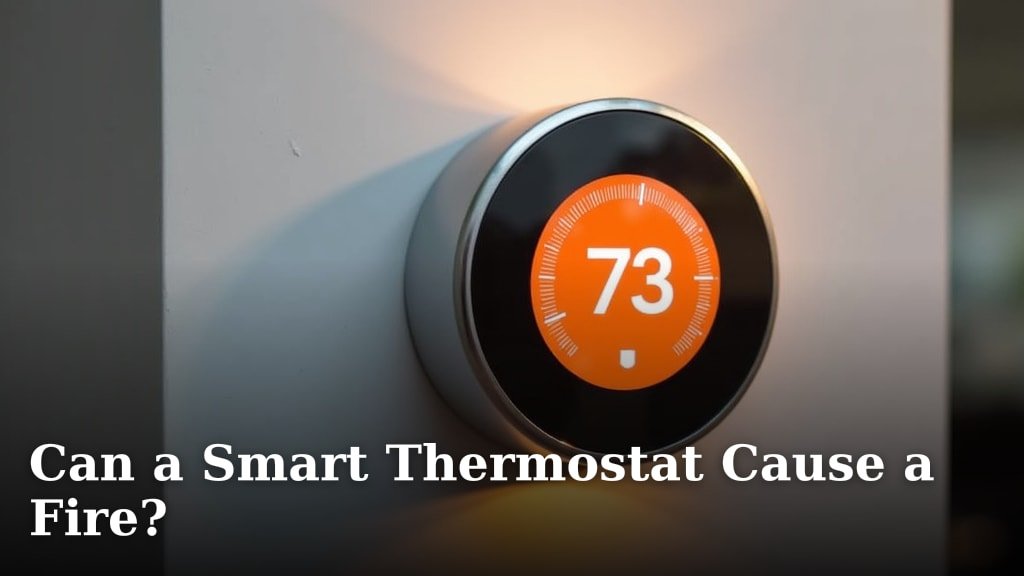
No, a smart thermostat itself is **highly unlikely to cause a fire** under normal operating conditions. While it’s a valid concern, most smart thermostats are designed with safety features to **prevent overheating** and potential fire hazards. Think of it like any other small electronic device in your home; they’re built with safety in mind.
However, like any electrical device, there are still some factors that could contribute to a risk. Issues such as **improper installation**, **faulty wiring**, or using **damaged components** could, in rare cases, create a hazardous situation. It’s always wise to ensure your smart thermostat is installed correctly by a qualified professional to maintain the **safety of your home**.
- Smart thermostats are generally safe and not a fire risk.
- Look for UL or ETL certification for added safety assurance.
- Faulty wiring or improper installation are the main potential risks.
- Always use the correct power adapter and wiring.
- Regularly check for any signs of damage or loose connections.
We know you’re looking for peace of mind about your home’s safety. Let’s break down exactly what makes smart thermostats safe and what you should watch out for.
Understanding Smart Thermostat Safety
So, can your smart thermostat spark a problem? We’ve looked into it, and the short answer is: it’s highly unlikely.
Think of your smart thermostat as a modern brain for your home’s heating and cooling. These devices are designed with safety as a top priority by their manufacturers.
Built-in Safety Features
Manufacturers engineer smart thermostats with several safety features. These are designed to prevent the device from overheating. This helps ensure they operate safely within your home.
Many smart thermostats undergo rigorous testing. They must meet strict safety standards before they can be sold. You’ll often see certifications like UL or ETL on the packaging.
These certifications mean the product has been tested. It meets safety requirements set by independent organizations. This adds an extra layer of confidence for consumers.
How They Are Designed to Be Safe
Smart thermostats use low voltage to operate. This is generally much safer than the higher voltages found elsewhere in your home’s electrical system. The power draw is also typically quite low.
They are designed to regulate temperature and power flow. This prevents internal components from getting too hot. Overheating is a common cause of electrical issues. Smart thermostats actively work to avoid this.
The software inside also plays a role. It monitors performance and can shut down if it detects an anomaly. This is similar to how your smartphone or computer protects itself.
Potential Risks and How to Avoid Them
While the thermostat itself is safe, external factors can introduce risks. It’s like having a brand-new, safe car – but if you don’t maintain it, issues can arise.
Installation Matters Greatly
The most common area where concerns might arise is during installation. Incorrect wiring is a leading cause of electrical problems in any home appliance.
Your smart thermostat connects to your home’s HVAC system. It also connects to your home’s electrical wiring. If these connections aren’t made correctly, it can create hazards.
You might see sparks or even smell burning. This is a sign of a faulty connection. It could lead to damage to the thermostat or your HVAC system. In extreme, rare cases, it could be a fire risk.
Why Professional Installation is Recommended
Many smart thermostats are designed for DIY installation. However, not everyone is comfortable working with electrical wiring. If you’re unsure, it’s always best to hire a professional.
HVAC technicians and electricians are trained to handle these connections. They understand the proper gauge of wire. They know how to secure connections safely. This minimizes the risk of issues.
Consider the cost of a professional installation. It’s often a small price to pay for the peace of mind. You ensure your home’s safety and your new device’s proper function.
DIY Installation: What to Watch For
If you decide to install it yourself, follow the instructions meticulously. Double-check every connection before restoring power.
Make sure the wires are secure and not frayed. Loose wires can arc and cause damage. This is a common reason for electrical problems.
Always turn off the power to your HVAC system at the breaker box before you start. This is a critical safety step. Forgetting this can be dangerous.
Using the Right Components
Using the correct power source is essential. Smart thermostats typically come with a power adapter or rely on the existing C-wire (common wire) from your HVAC system.
Never use a power adapter that isn’t specifically designed for your thermostat model. Using an incorrect adapter can lead to overheating or electrical damage. This is like using the wrong charger for your phone – it just doesn’t work right and can cause harm.
If your system requires a C-wire and you don’t have one, you might need an adapter or a professional to install one. Trying to bypass this requirement could lead to problems with the thermostat’s operation or power.
Physical Damage and Wear and Tear
Like any electronic device, a smart thermostat can experience damage over time. Physical impacts or wear and tear can sometimes compromise its internal components.
Look for any cracks in the casing or visible damage to the screen. Check that the wall mount is secure and the thermostat isn’t loose.
If you notice any unusual behavior, like the device getting excessively hot to the touch or strange smells, turn off the power immediately. Contact the manufacturer or a qualified technician.
Environmental Factors
Extreme environmental conditions can also impact electronics. While thermostats are designed to operate within typical home temperatures, consider their placement.
Avoid installing a smart thermostat in direct sunlight. Intense heat can cause it to overheat. Also, avoid areas with excessive moisture or dust. These can degrade components over time.
Ensure good airflow around the thermostat. It’s not usually an issue, but it’s worth noting for optimal performance and longevity.
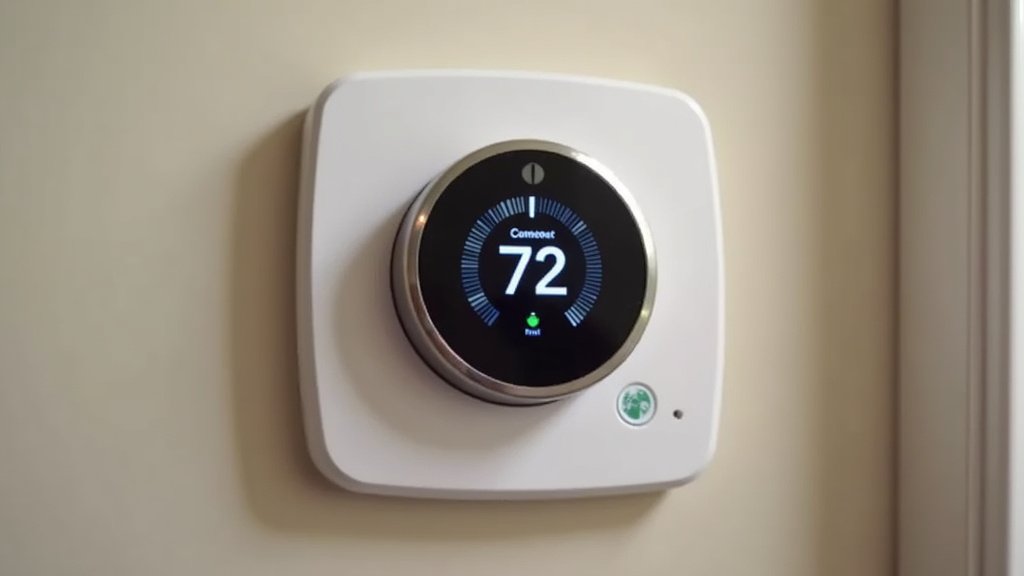
Maintenance for Smart Thermostat Safety
Regular checks can help ensure your smart thermostat continues to operate safely. It’s a simple step for long-term peace of mind.
Visual Inspections
Take a moment every few months to look at your thermostat. Do you see any dust buildup around the vents? Is the display clear?
A quick visual check can catch minor issues before they become bigger problems. You’re looking for anything out of the ordinary.
Checking Connections
If you’re comfortable doing so (and after turning off power at the breaker!), you might check the wiring connections. Ensure they are still snug and secure.
Loose connections are often the culprit behind electrical glitches. A simple tightening can resolve this.
Software Updates
Keep your smart thermostat’s software up to date. Manufacturers often release updates to improve performance and address potential bugs.
These updates can sometimes include safety enhancements. Your thermostat’s app will usually notify you when an update is available. It’s usually a straightforward process.
Quick Safety Checklist
Here’s a quick rundown of what to keep in mind:
- Always turn off power at the breaker before installation or maintenance.
- Use only the manufacturer-provided or recommended power adapter.
- Follow installation instructions exactly.
- Hire a professional if you’re unsure about wiring.
- Regularly check for any signs of physical damage.
- Report any unusual smells or excessive heat immediately.
Conclusion
You’ve learned that a smart thermostat is a safe addition to your home. It’s designed with built-in safety features to prevent overheating. The main risks aren’t from the device itself, but from how it’s installed and maintained. By ensuring proper installation, using the correct components, and performing simple checks, you can enjoy the benefits of a smart thermostat with complete peace of mind. Your safety is the top priority, and with a little care, your smart thermostat will serve you reliably for years to come. If you’re ever in doubt about your wiring, don’t hesitate to call in a professional to protect your home.
Frequently Asked Questions
Can an old house’s wiring cause problems with a smart thermostat?
Older wiring might be less robust or not have the standard wiring configurations smart thermostats expect. If your home’s wiring is outdated, it’s wise to have an electrician inspect it before installing a smart thermostat. They can identify any potential issues and ensure your system is compatible and safe.
What if my smart thermostat feels warm?
It’s normal for a smart thermostat to feel slightly warm during operation, especially if it’s actively controlling your HVAC system. However, if it becomes uncomfortably hot to the touch, or you notice any unusual smells, you should immediately turn off the power at the breaker and consult a professional.
Do I really need a C-wire for my smart thermostat?
Many smart thermostats require a C-wire for continuous power. While some models can work without one, it’s generally recommended for stable operation and to avoid potential issues. If you don’t have a C-wire, a professional can often install one safely.
Can a power surge damage my smart thermostat and create a fire risk?
While power surges can damage electronics, most modern smart thermostats have some level of surge protection built-in. However, a severe surge could still cause damage. Using a quality surge protector for your home’s electrical system can offer an extra layer of defense.
What should I do if I smell burning near my smart thermostat?
If you detect any burning smell, it indicates a serious problem. You should immediately turn off the power to your HVAC system at the breaker box. Do not try to use the thermostat or your heating/cooling system until a qualified electrician or HVAC technician has inspected it.
