The cost of HVAC zoning can vary quite a bit, but we found that homeowners typically pay between $1,700 and $3,500 to install a new system. This price often includes both the equipment and the installation labor for your HVAC zoning. However, the final cost depends on several factors unique to your home.
You might be wondering if it’s worth it, right? HVAC zoning divides your home into different temperature zones, letting you heat or cool specific areas independently. This means you could be more comfortable and potentially save on energy bills. The number of zones you want and the complexity of your current HVAC setup will significantly impact the overall investment.
- HVAC zoning usually costs $1,700-$3,500.
- Prices include equipment and installation.
- Factors like home size and zone count affect the final price.
- Zoning can improve comfort and save energy.
Ready to see if HVAC zoning is right for your home? Let’s break down all the details, from what influences the price to how you can get the best value for your money.
Understanding the Investment in HVAC Zoning Systems
You’re looking at an average cost of about $1,700 to $3,500 for a new HVAC zoning system. This range typically covers both the specialized equipment and the professional installation, giving you a complete package price.
Think of it like buying a car; the base model is one price, but adding features changes things. Similarly, the total cost for your HVAC zoning depends on several key elements unique to your home and your comfort goals.
What Goes Into the Price of HVAC Zoning?
Several factors play a role in how much you’ll pay. We found that the size of your home, the number of zones you want, and your existing HVAC setup are big contributors. It’s not a one-size-fits-all situation.
For example, a smaller home needing two zones will naturally cost less than a large home requiring five or six zones. Each additional zone adds equipment and labor, bumping up the overall investment.
Home Size and Layout
Larger homes often require more dampers and thermostats. This means more materials and a longer installation time for the technicians. We found that homes over 2,000 square feet often fall on the higher end of the cost spectrum.
The layout of your home also matters. If your ducts are easily accessible, installation can be smoother. If technicians need to work in cramped attics or crawl spaces, labor costs can increase slightly.
Number of Zones
This is perhaps the most direct cost driver. Each zone needs its own thermostat and motorized damper. More zones mean more equipment and more wiring. Most homes opt for 2 to 4 zones, but you can certainly have more.
Consider how you use your home. Do you have guest rooms that are rarely used? An office that needs different temperatures? Defining your comfort needs helps determine the ideal number of zones for you.
Type of HVAC System
Your current heating and cooling system makes a difference. If you have an older, single-stage system, you might need more complex controls or even an upgrade to a newer, variable-speed unit to get the most out of zoning. Modern systems are often more compatible.
Ductwork condition is also critical. If your existing ducts are leaky or improperly sized, they might need repairs or modifications, which adds to the project cost. A good technician will inspect this during a pre-installation assessment.
Breaking Down HVAC Zoning Costs
It’s helpful to see where your money goes. We can typically divide the total cost into two main categories: equipment and labor. Understanding these components helps you see the value you’re getting.
| Cost Component | Typical Range | What It Includes |
|---|---|---|
| Equipment | $800 – $2,000 | Control panel, zone dampers, thermostats, wiring |
| Labor | $900 – $1,500 | Installation, duct modification, calibration, testing |
| Total Average | $1,700 – $3,500 | System and professional installation |
Equipment Costs
The core components of a zoning system include a central control panel, individual zone dampers for your ducts, and separate thermostats for each zone. The quality and brand of these components can influence the price.
- Zone Dampers: These motorized gates open and close within your ductwork to direct airflow.
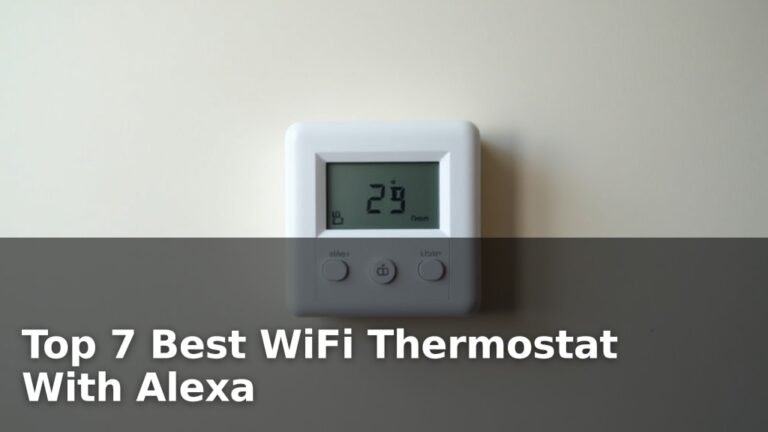
- Thermostats: Each zone needs its own thermostat to set the desired temperature. Smart thermostats often cost more but offer advanced features.
- Control Panel: This is the “brain” that communicates with the thermostats and dampers.
- Wiring: The necessary cabling to connect all the components.
We found that high-efficiency or smart zoning systems, which offer more precise control and energy tracking, tend to have higher equipment costs but can lead to greater long-term savings (Energy.gov).
Labor Costs for Installation
Professional installation is crucial for an effective zoning system. Technicians need to be skilled in HVAC, electrical work, and sometimes even carpentry if they need to access hidden ductwork. Labor costs often include the time spent on design, installation, testing, and calibration.
Installation can take anywhere from one to three days, depending on the complexity. You’re paying for expertise that ensures your system works efficiently and correctly. A poorly installed system won’t deliver the comfort or savings you expect.
Additional Costs to Consider
While the equipment and labor are the main expenses, sometimes other factors can pop up. It’s smart to be aware of these potential add-ons so you’re not surprised.
Ductwork Modifications
Sometimes, your existing ductwork might not be ideal for zoning. It might be too small in some areas or have leaks that need sealing. Repairing or modifying ducts can add $300 to $1,000 to the total cost. This ensures your new zoning system works at its best.
Think of it like building a new road. If the foundation isn’t good, you need to fix that first. Good ductwork is the foundation for effective zoning. Your installer will assess this during their initial visit.
Upgrading to a Multi-Stage or Variable-Speed HVAC System
If you have an older, single-stage HVAC unit, it might not fully capitalize on the benefits of zoning. Upgrading to a multi-stage or variable-speed system, which can adjust its output, pairs beautifully with zoning. This upgrade can add thousands of dollars, but it offers superior comfort and energy efficiency.
Many homeowners see this as an investment in a complete comfort solution. It allows your system to deliver just the right amount of heating or cooling to each zone, reducing wasted energy.
Is HVAC Zoning Worth the Investment?
Many homeowners ask this question. We found that the benefits often outweigh the initial cost, especially over the long term. You’re investing in improved comfort, greater control, and potential energy savings.
Imagine your family fighting over the thermostat. With zoning, those arguments become a thing of the past! Everyone can enjoy their preferred temperature in their specific area. It’s about tailoring your home’s climate to your family’s needs.
- Enhanced Comfort: No more hot spots or cold spots. Each zone is just right.
- Energy Savings: You only heat or cool the areas you’re using. This can lead to 10-30% savings on your energy bills (U.S. Department of Energy).
- Increased Home Value: A modern, efficient HVAC system can be a selling point for your home.
- Reduced Wear and Tear: When your system isn’t overworking to condition unused spaces, it can last longer.
Getting the Best Value for Your Money
You want to ensure you’re making a smart decision, right? Here’s a checklist to help you navigate the process and get a fair price for your HVAC zoning system.
- Get multiple quotes from reputable HVAC contractors.
- Ask for a detailed breakdown of equipment and labor costs.
- Inquire about the warranty for both parts and installation.
- Understand the energy savings potential for your specific home.
- Check for any local utility rebates or tax credits for zoning systems.
- Don’t be afraid to ask questions about the proposed system design.
By taking these steps, you can feel confident in your decision and ensure you’re getting a quality installation that will serve your home for years to come. Remember, a little research now can save you a lot of headache later.

Conclusion
Investing in HVAC zoning for your home offers a clear path to improved comfort and potential energy savings. While the initial cost, typically between $1,700 and $3,500, requires consideration, the long-term benefits often make it a worthwhile upgrade. You gain control over your home’s climate, allowing you to heat or cool only the areas you’re actively using. Remember to gather multiple quotes and discuss your specific needs with qualified professionals.
By taking these steps, you can ensure you’re making an informed decision that will enhance your home’s efficiency and comfort for years to come.
Frequently Asked Questions
How long does it take to install an HVAC zoning system?
Installation times vary depending on your home’s complexity and the number of zones. We found that most installations can take anywhere from one to three days. Your contractor can provide a more precise timeline after assessing your home.
Can HVAC zoning work with my existing furnace and AC?
In many cases, yes. However, its effectiveness can depend on your current system’s age and type. Newer, multi-stage or variable-speed systems often integrate more seamlessly and offer greater benefits. An HVAC professional can confirm compatibility.
What kind of energy savings can I really expect?
While results vary by home and usage, the U.S. Department of Energy suggests you could save 10% to 30% on your heating and cooling bills. This is because you stop conditioning empty rooms, reducing wasted energy.
Are there any maintenance requirements for a zoning system?
HVAC zoning systems require minimal additional maintenance beyond your regular HVAC check-ups. It’s a good idea to have the dampers and thermostats checked during your annual system service to ensure they are functioning correctly.
Will adding an HVAC zoning system increase my home’s value?
Many homeowners find that modern, energy-efficient upgrades like HVAC zoning can be an attractive feature for potential buyers. It signals a comfortable and cost-effective home, which can contribute positively to its market value.