

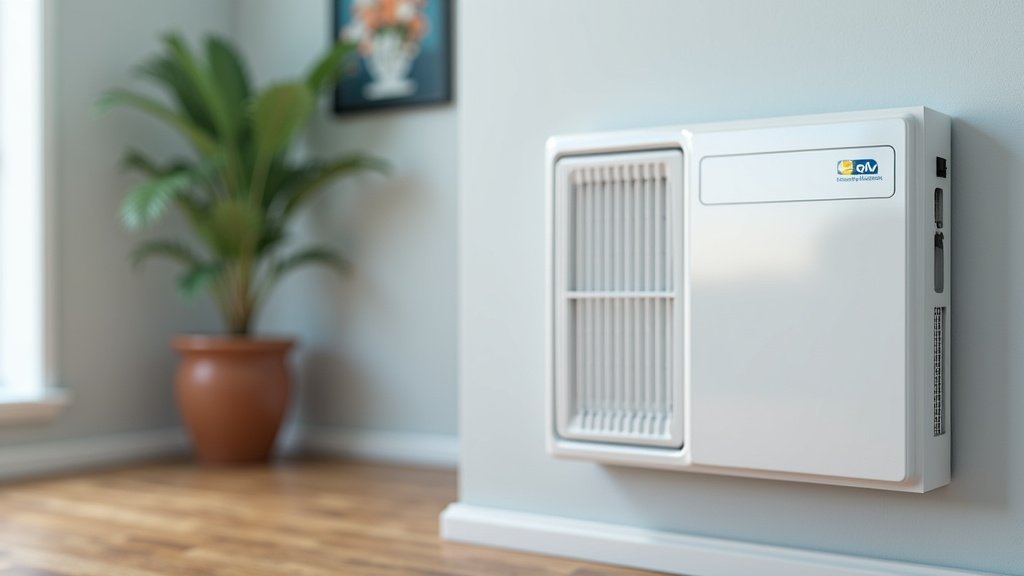
A smart vent is a modern air register that uses technology to control airflow in your home. They work with your existing HVAC system to help you manage room temperatures better. Think of them as tiny, automated gates for your heating and cooling.
These clever devices often connect to a central hub or an app on your phone. This lets you set up different temperature zones, making your home more comfortable and energy-efficient. We found they can be a simple way to upgrade your home’s climate control without a full HVAC overhaul.
- Smart vents automatically adjust airflow.
- They help create temperature zones in your home.
- You can control them with an app.
- They can improve home comfort and save energy.
Below, we break down exactly what smart vents are, how they work, and if they’re a good fit for your home. Let’s get started!
Understanding What Smart Vents Do
Smart vents are innovative devices that automatically manage airflow in your home. They work to bring you more precise temperature control and energy savings.
How Smart Vents Operate
Imagine your home’s air ducts as a network of roads for conditioned air. Smart vents are like tiny traffic cops. They open and close to direct heated or cooled air where it’s needed most.
They usually have built-in sensors. These sensors check the temperature in a room. Then, they communicate with a central hub or your smartphone app. Based on your settings, they adjust the airflow.
We found this intelligent control helps prevent rooms from becoming too hot or too cold. It ensures comfort in every part of your home (Department of Energy).
Sensors and Communication
Each smart vent often includes a temperature sensor. Some also have pressure sensors. These sensors are key to how they work.
The vents talk to each other and a central system using wireless technology. This might be Wi-Fi, Zigbee, or Bluetooth. This constant communication builds a smart network in your home.
This network allows them to make real-time adjustments. It’s like having a mini weather station in each room, constantly reporting back.
Integration with Your HVAC System
It’s important to understand that smart vents don’t replace your HVAC system. They work with it. Your furnace or AC still does the heavy lifting of heating and cooling the air.
Smart vents simply guide that air more efficiently. They can tell your HVAC system when certain zones are satisfied. This helps your system run less often, saving energy.
Key Features of Smart Vents
Smart vents offer several features designed to enhance your home’s climate control. They move beyond simple on/off functions.
Zoning Capabilities
One of the biggest benefits is creating temperature zones. Do you have a sunny room that’s always warmer? Or a basement that stays chilly?
Smart vents let you set different temperatures for different areas. This means your bedroom can be cool while the living room stays warm. You get personalized comfort where you need it.
App Control and Scheduling
Most smart vents come with a companion app for your smartphone. This app is your command center. You can adjust temperatures, create schedules, and monitor usage from anywhere.
Want your office to be warm by the time you start work? Set a schedule. Going on vacation? Turn down the heat from afar. This control adds convenience to your life.
Energy Savings Potential
By directing air only where it’s needed, smart vents can reduce energy waste. Your HVAC system doesn’t have to work as hard to heat or cool unused rooms.
We found that many users report noticeable savings on their utility bills. The exact amount varies based on your home and usage habits (ENERGY STAR).
Comparing Smart Vents to Traditional HVAC Solutions
Smart vents offer a different approach to home comfort. How do they stack up against older methods?
Smart Vents vs. Manual Vents
Manual vents are the classic ones you open and close by hand. They’re simple, but they lack automation and precision.
With manual vents, if you close too many, you can create pressure problems in your ductwork. This can strain your HVAC system. Smart vents manage airflow intelligently to avoid this.
You also have to remember to adjust manual vents yourself. Smart vents do it automatically, saving you time and effort.
Smart Vents vs. Dedicated HVAC Zoning Systems
A dedicated HVAC zoning system is a more complex setup. It involves multiple thermostats, special dampers in the ducts, and a control panel. These systems are usually installed with new HVAC units or during major renovations.
Smart vents are often an easier, more affordable retrofit solution. They work with your existing HVAC without major ductwork changes. You can add them one room at a time.
While dedicated zoning offers ultimate control, smart vents provide a good middle ground for many homeowners.
| Feature | Smart Vents | Dedicated Zoning System | Manual Vents |
|---|---|---|---|
| Installation | DIY or simple professional install | Professional HVAC install (complex) | No installation needed (pre-installed) |
| Cost | Moderate (per vent) | High (entire system) | Very low (replacement cost) |
| Automation | Fully automated via app/sensors | Fully automated via multiple thermostats | None (manual adjustment only) |
| Retrofit Friendly | Yes, works with existing HVAC | No, major HVAC/duct modifications needed | Yes, simple swap |
| Pressure Control | Often includes pressure sensors | Built into system design | None (can cause issues if misused) |
Potential Benefits of Installing Smart Vents
Why should you consider putting smart vents in your home? The benefits often extend beyond just temperature control.
Enhanced Home Comfort
No more hot spots or cold spots! This is arguably the biggest appeal of smart vents. You can finally make every room feel just right.
Imagine your baby’s nursery staying at a perfect temperature all night. Or your home office being comfortable even on the sunniest afternoons. This creates a much more pleasant living environment.
Reduced Energy Bills
When you’re not heating or cooling unused rooms, your HVAC system works less. This directly translates to lower energy consumption.
Studies have shown that zoning systems can save homeowners a significant percentage on their energy costs (Lawrence Berkeley National Laboratory). Smart vents aim to provide similar savings through intelligent airflow management.
Increased HVAC System Longevity
By operating more efficiently, your HVAC system faces less strain. It doesn’t have to run as hard or as long to meet your comfort needs.
This reduced workload can potentially extend the lifespan of your furnace and air conditioner. Think of it as giving your car fewer miles on the odometer.
Improved Air Quality (with some models)
Some advanced smart vent systems can integrate with air quality monitors. They might adjust airflow to certain zones based on pollutant levels. This is a newer feature but one to look out for.
While not a primary function, it shows the potential for these devices to become even more comprehensive home climate solutions.
Considerations Before You Buy
Smart vents offer great advantages, but they might not be for everyone. It’s wise to consider a few things before investing.
Compatibility with Your Existing System
Do smart vents work with your current HVAC? Most brands are designed to be widely compatible. However, it’s always good to check.
Ensure your ductwork is in good condition. Leaky ducts can reduce the effectiveness of any zoning solution. A quick inspection can prevent headaches later.
Cost and Return on Investment
Smart vents range in price. You’ll need one for each vent you want to control. The total cost can add up for a whole-house solution.
Consider your potential energy savings. How long will it take for the savings to offset the initial purchase price? This “payback period” is important for evaluating your investment.
Installation Process
Many smart vents are designed for DIY installation. They often just pop into your existing vent openings. However, you’ll need to set up the app and connect them to your home network.
If you’re not tech-savvy, you might want help. Some homeowners opt for professional installation to ensure everything works perfectly from day one.
Potential for Air Pressure Issues
This is a common concern with any zoning solution. If you close off too many vents without proper management, it can increase static pressure in your ductwork. This can damage your HVAC system.
Good smart vent systems include pressure sensors and algorithms to prevent this. They won’t completely close off vents if it means risking your system. Always choose reputable brands that address this.
Home Connectivity Requirements
Smart vents rely on a stable home Wi-Fi network. Make sure your router can cover all the areas where you plan to install vents. Weak signals can lead to communication problems.
You’ll also need a smartphone or tablet to control most systems. Is everyone in your household comfortable using an app for climate control?
Checklist for Smart Vent Readiness
Before you commit, ask yourself these questions:
- Do you have noticeable hot or cold spots in your home?
- Are you looking to save money on energy bills?
- Is your current HVAC system in good working order?
- Do you have a reliable home Wi-Fi network?
- Are you comfortable using a smartphone app for home control?
- Is the cost within your budget for the comfort and savings you expect?
Conclusion
Smart vents offer a compelling way to upgrade your home’s climate control without a full HVAC overhaul. You can enjoy personalized comfort, eliminate temperature inconsistencies, and potentially see real savings on your energy bills. They act as intelligent managers for your airflow, working with your existing system to create a more efficient and comfortable living space.
Consider your home’s specific needs, assess your budget, and review the connectivity requirements. If you’re tired of hot or cold spots and want more control, exploring smart vents could be a very smart move for your home.
Frequently Asked Questions
Are smart vents hard to install?
Most smart vents are designed for straightforward DIY installation. You typically just remove your old register and pop in the new smart vent. The more involved part is connecting them to your home network and setting up the app, which usually has clear instructions.
Do smart vents work with every type of HVAC system?
Generally, smart vents are compatible with most forced-air HVAC systems. They don’t directly interfere with your furnace or AC unit. However, always check the specific product’s compatibility guidelines to ensure it will integrate smoothly with your home’s setup.
Can smart vents really save me money on energy bills?
Yes, many users report energy savings. By directing heated or cooled air only to occupied rooms and avoiding conditioning unused spaces, your HVAC system operates more efficiently. We found that the actual savings depend on your home’s insulation, climate, and how you use the system.
What happens if my Wi-Fi goes out when I have smart vents?
Most smart vent systems have a fallback mode. If your Wi-Fi goes down, the vents usually default to an open position, allowing air to flow normally. This ensures your HVAC system isn’t completely blocked, preventing potential pressure issues until your internet connection is restored.
Do I need a smart thermostat to use smart vents?
While some smart vent systems can integrate with smart thermostats for enhanced control, it’s not always a requirement. Many systems operate independently through their own hub or app. They gather their own temperature data and manage airflow based on your programmed settings.
